
A Windy Day — History & Facts
Who listens when art speaks of silence? In the delicate embrace of a breezy afternoon, the fragility of nature unfolds before us, whispering secrets of transience and beauty. Focus on the far horizon, where a tumultuous sky dances with playful strokes of grey and white. Notice how the windswept clouds reflect a tumult of emotions, while the muted tones of the landscape below serve as a calm counterpoint. Van Goyen’s deft brushwork captures the rustling grasses and bending trees, inviting the eye to trace the movement of the unseen wind that animates the scene. Delve deeper into the painting’s nuances, where contrasts abound.
The soft, earthy palette evokes a sense of peace, yet the turbulent sky hints at an impending storm, creating a tension between serenity and chaos. The scattered figures in the distance seem small and fragile against the vastness of nature, underscoring the transient quality of life itself, as if each gust of wind might sweep them away. In 1651, the artist worked amidst a flourishing Dutch Golden Age, a time marked by a profound exploration of landscape painting. As he painted A Windy Day, Van Goyen was navigating his own artistic evolution, focusing on atmospheric effects and the interplay of light and shadow.
This period also witnessed a growing appreciation for the beauty of the everyday, reflecting a cultural shift towards valuing simplicity and the natural world.
More Artworks by Jan van Goyen
Browse all →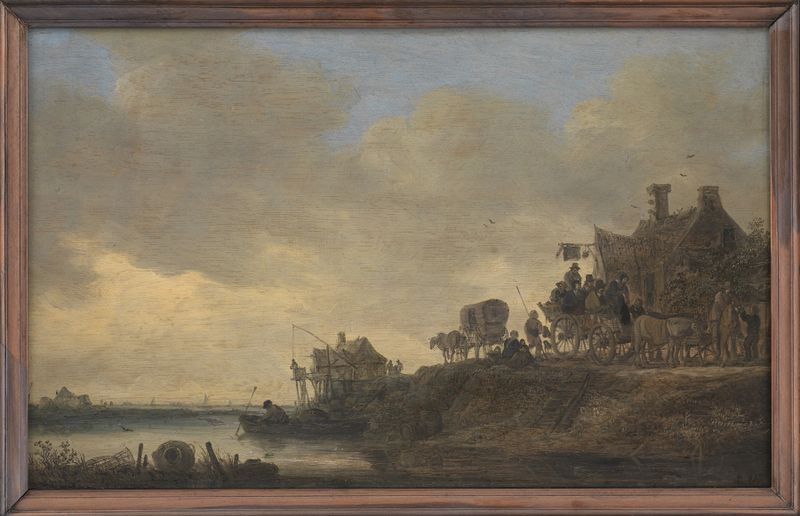
River Scene with the ‘Swan’ Tavern
Jan van Goyen

The Valkhof in Nijmegen
Jan van Goyen
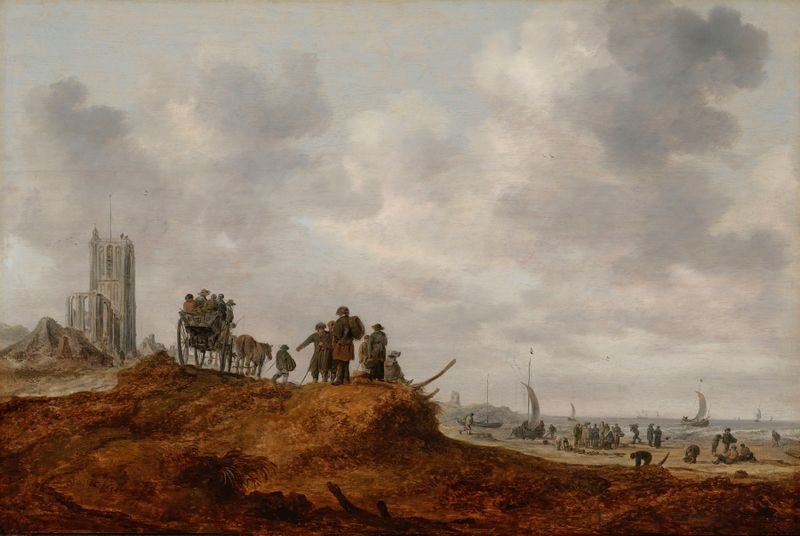
The Old Church at Egmond aan Zee
Jan van Goyen
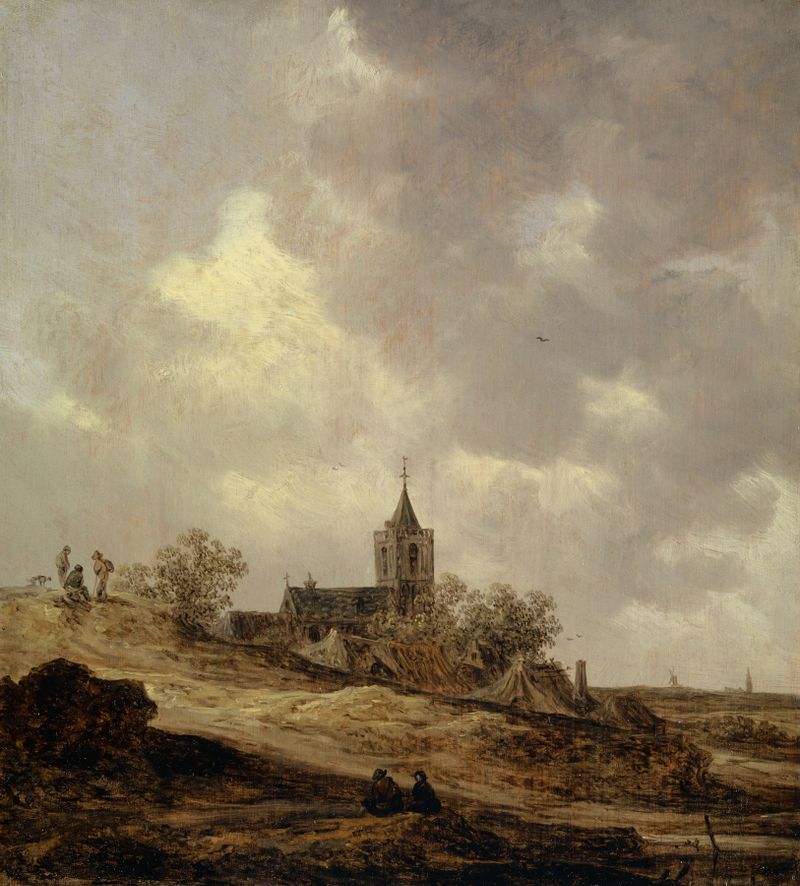
Village Church seen from the Dunes
Jan van Goyen
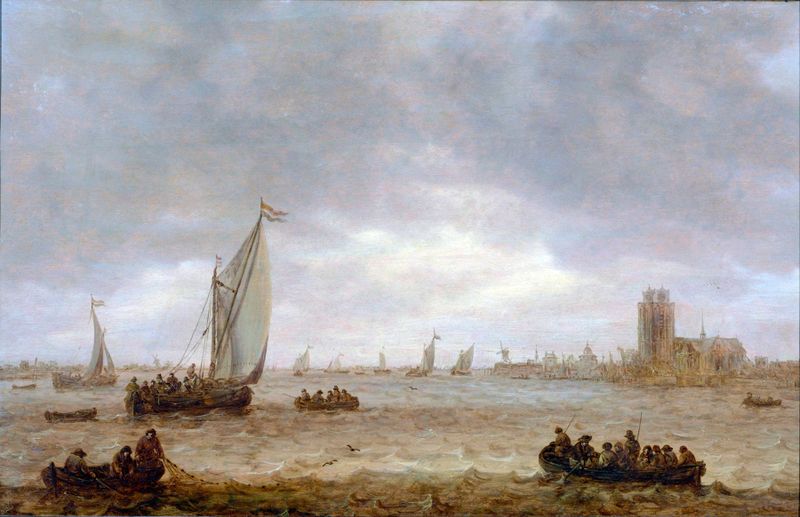
Mouth of the Meuse
Jan van Goyen

River Landscape with the Pellecussen Gate near Utrecht
Jan van Goyen
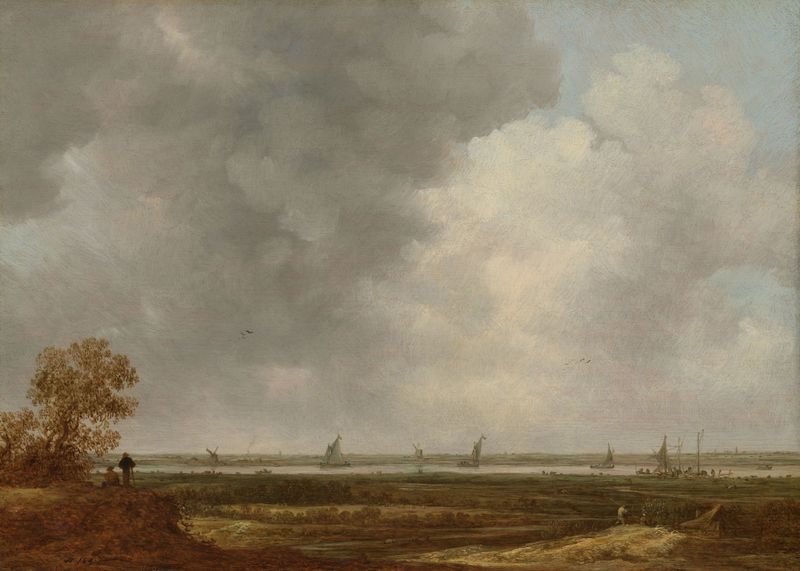
Panoramic View of a River with Low-lying Meadows
Jan van Goyen
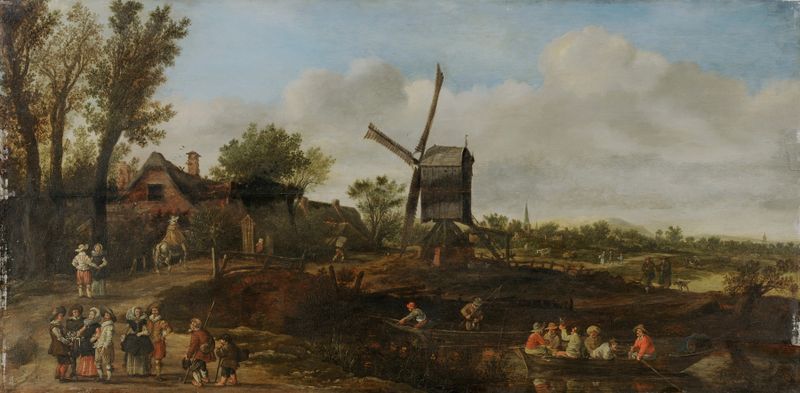
Dutch Landscape
Jan van Goyen
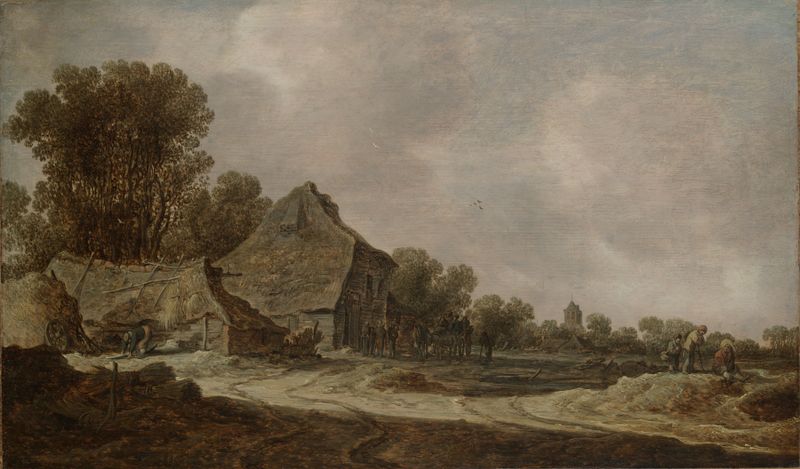
A Sandy Road with Thatched Cottages
Jan van Goyen
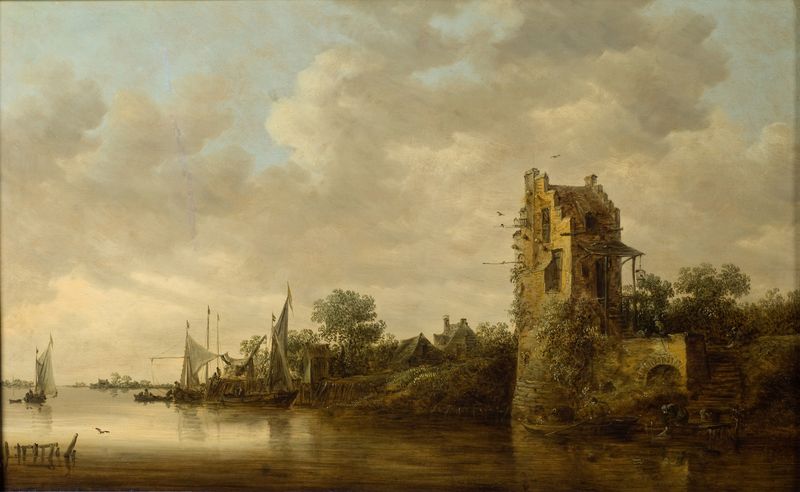
Riverside with an Old Tower
Jan van Goyen





