
A Winter Landscape — History & Facts
Did the painter know this moment would outlive them? A Winter Landscape captures more than just a season; it immortalizes the quiet revolution of nature's beauty, frozen in time. Look to the foreground where a gentle blanket of snow covers undulating hills, whispering stories of solitude. Notice how the muted blues and whites contrast with the warm browns of a solitary tree, its gnarled branches reaching skyward like hands grasping for warmth. The light dances across the snowy expanse, illuminating textures that create an inviting yet somber atmosphere, drawing the eye towards the distant horizon where the sky meets the earth. Yet, beneath the surface lies a profound disquiet.
The starkness of winter, beautifully rendered, symbolizes both the beauty and harshness of life. The solitary tree stands not merely as a focal point but as a testament to resilience amidst adversity, encapsulating the struggle between life and the encroaching chill. It's a landscape steeped in introspection, evoking a blend of loneliness and stark beauty, reminding us that even in stillness, there exists a silent narrative of survival. Ferdinand Katona painted this work during an era marked by change, though the exact date remains unknown.
Operating within the 19th century, he was influenced by the Romantic movement, which celebrated nature's majesty and turmoil. During this time, artists and society grappled with ideas of individualism and the emotional experience of landscapes, positioning Katona amidst a transformative movement in art history that sought to redefine humanity's connection with the natural world.
More Artworks by Ferdinand Katona
Browse all →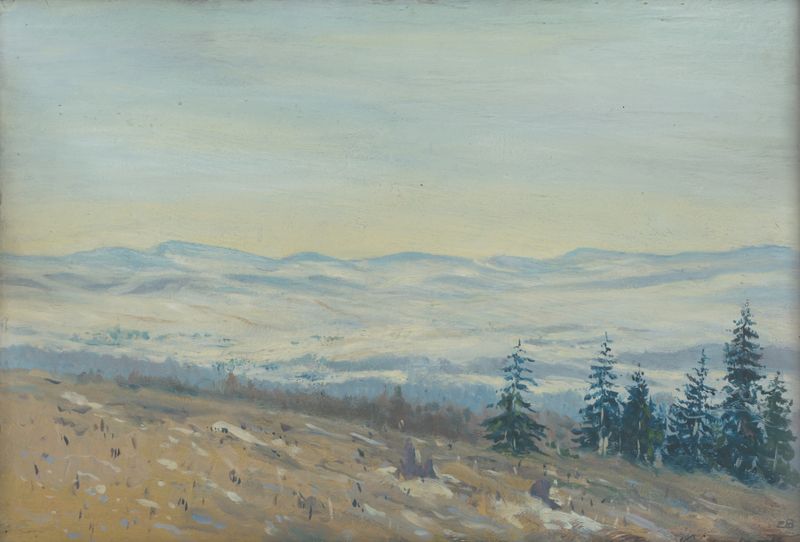
High Tatras
Ferdinand Katona
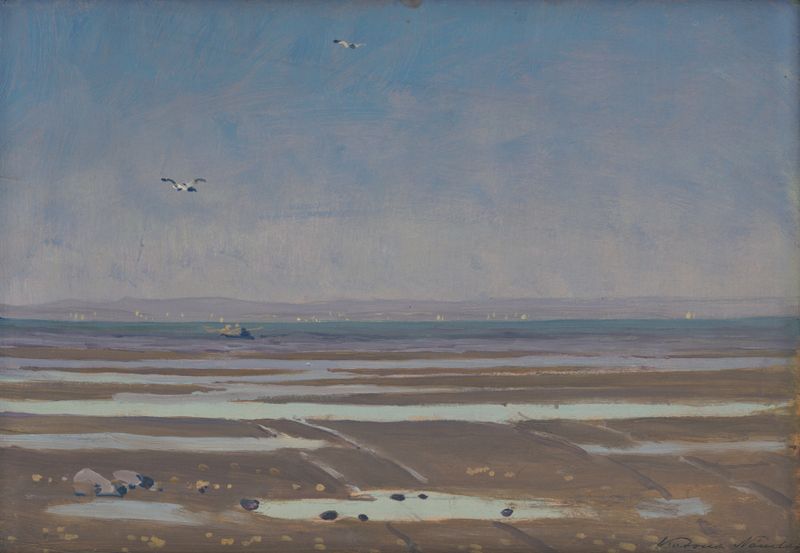
Early spring
Ferdinand Katona
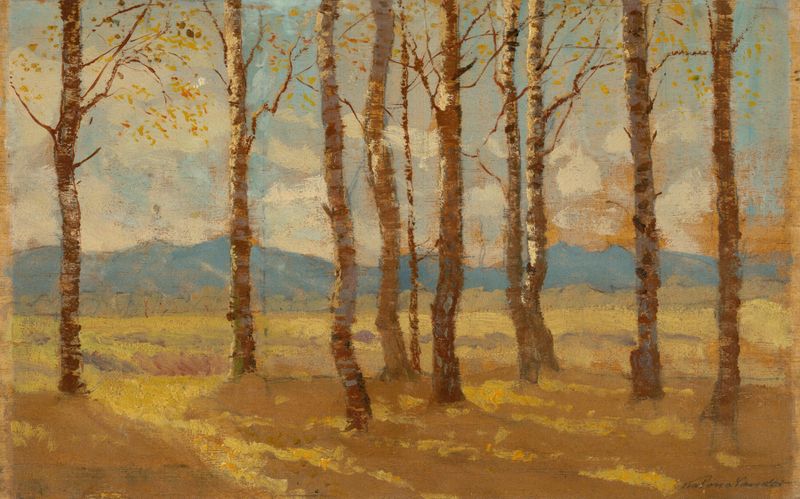
Birches in Autumn
Ferdinand Katona
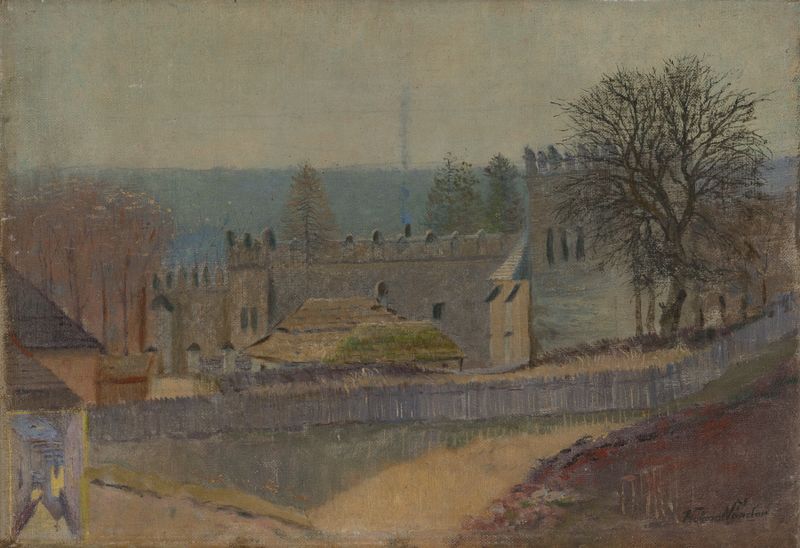
View of Strážky
Ferdinand Katona
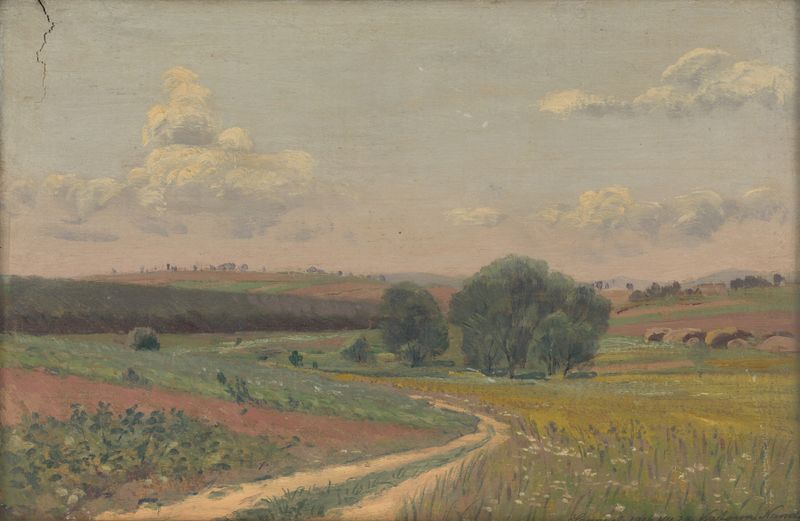
Landscape with a dirt road
Ferdinand Katona
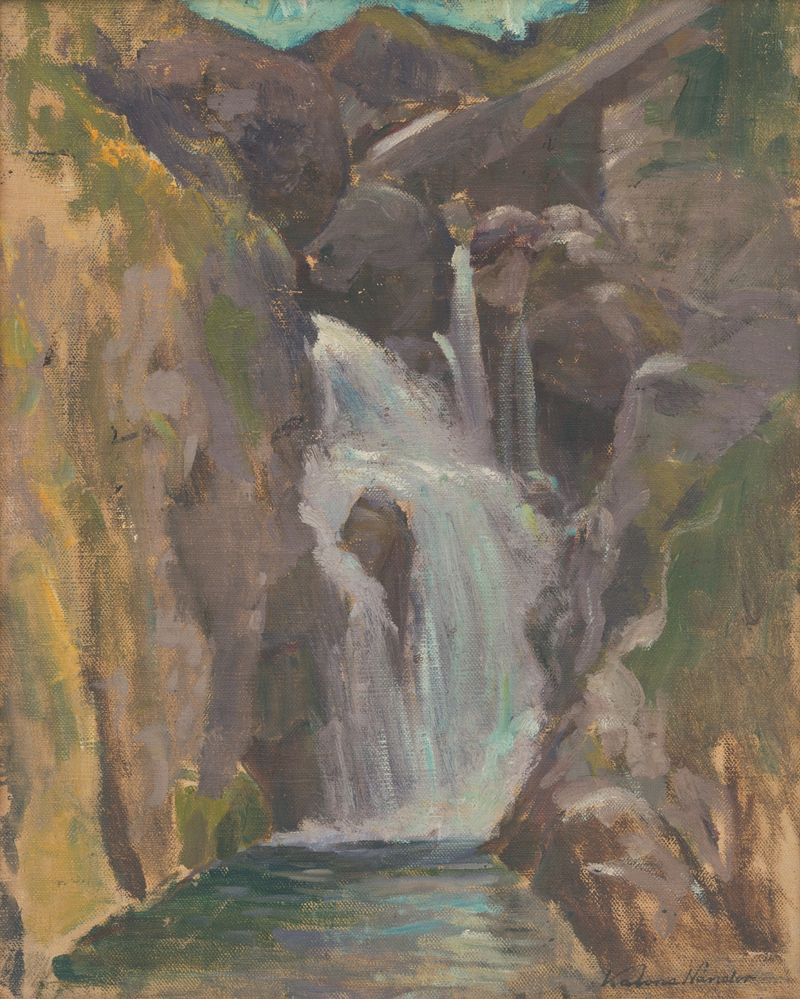
Waterfall
Ferdinand Katona
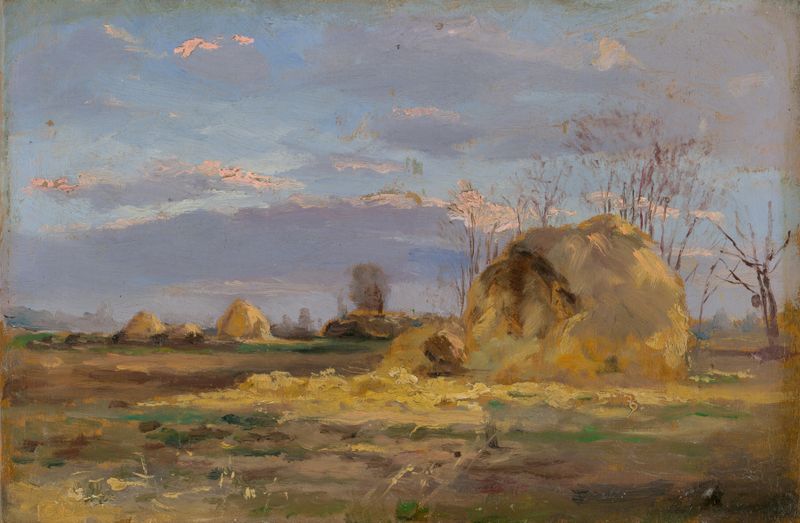
Autumn Landscape with Trees
Ferdinand Katona
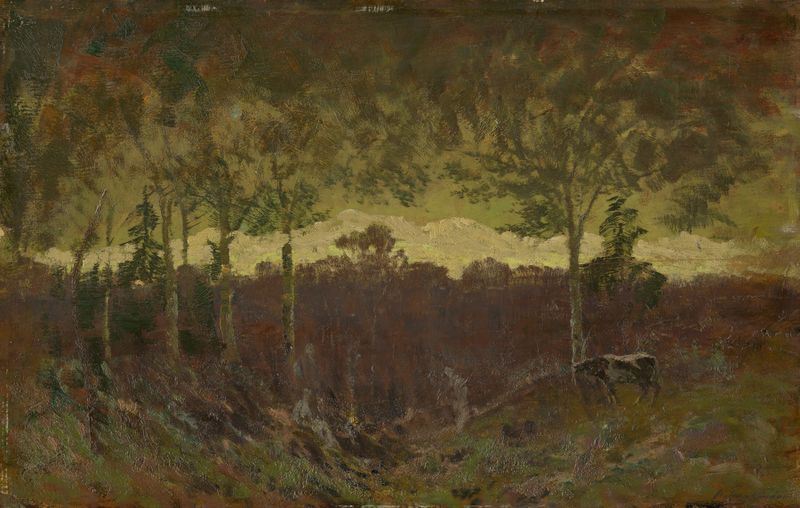
Early Evening Tatras Landscape
Ferdinand Katona
View of the High Tatras
Ferdinand Katona
Early Spring
Ferdinand Katona





