
A wood in Tragöss — History & Facts
When did color learn to lie? In a world where light bends and shadows dance, this painting offers a haunting reflection on perception and reality. Look to the left at the vibrant greens that hint at life bursting through the underbrush, where the sun breaks through the canopy, scattering dappled light across the forest floor. Notice how the strokes are both deliberate and impressionistic, inviting the viewer to step into this serene yet enigmatic wood. The ethereal quality of the colors disrupts the conventional expectations of a natural scene, as the artist plays with hues that evoke a sense of both calmness and underlying tension. In the juxtaposition of light and shadow, emotional contrasts emerge.
The luminous patches suggest fleeting moments of clarity, while the darker areas invoke a feeling of uncertainty, as if secrets linger just beyond the reach of the light. This duality captures the essence of a forest — a place of peace that simultaneously holds the weight of mystery and the unknown. Each brushstroke seems to whisper stories of the unseen, inviting contemplation and reflection on the nature of perception itself. Fritz Lach created this work in 1928, during a time when European art was deeply influenced by movements such as Expressionism and Impressionism.
Living in Austria, Lach was part of a generation that grappled with the changing socio-political landscape of post-World War I Europe, reflecting both a yearning for tranquility and an exploration of deeper emotional truths within their art. This piece stands as a testament to his ability to capture the complexities of light and the layered emotions that it evokes in the viewer.
More Artworks by Fritz Lach
Browse all →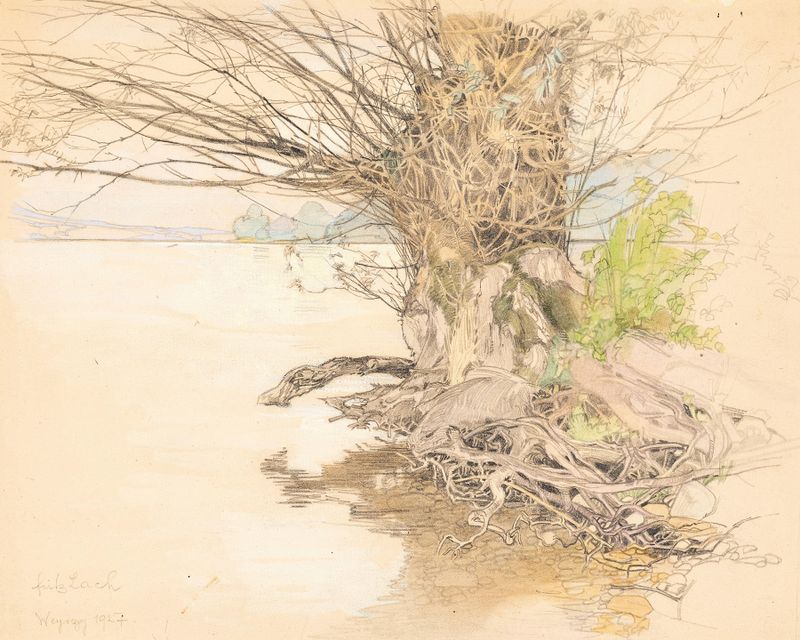
A willow tree at the lake shore
Fritz Lach
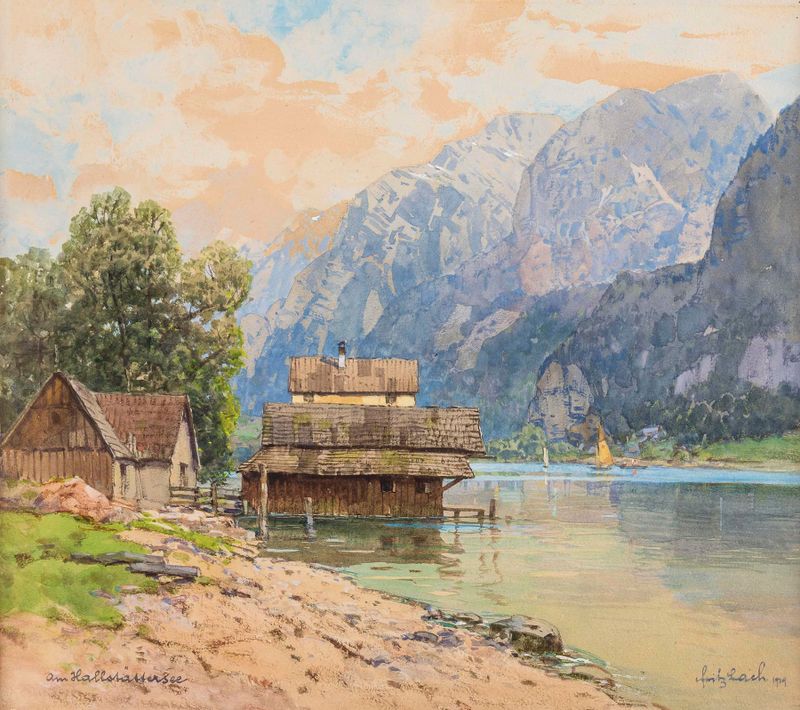
Bootshäuser am Hallstätter See
Fritz Lach
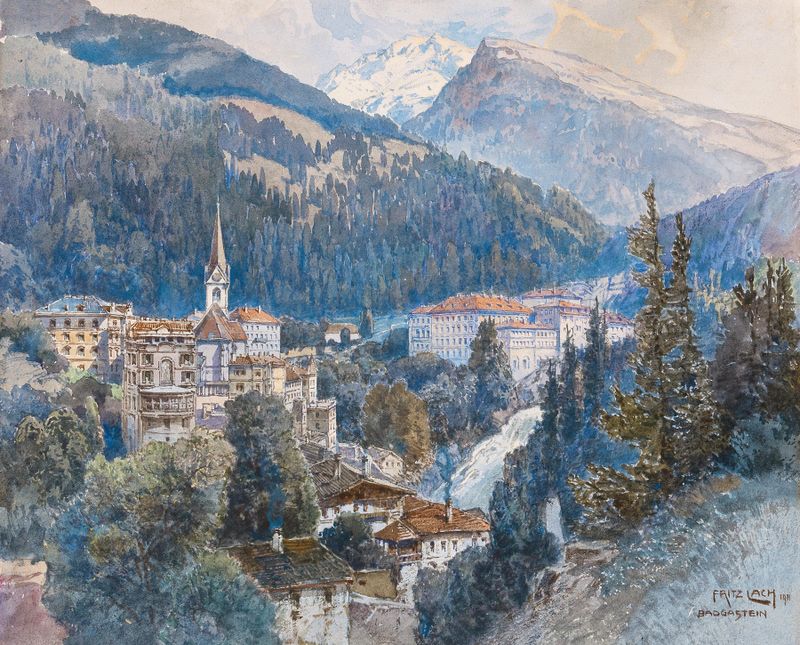
A view of Bad Gastein and the waterfall
Fritz Lach
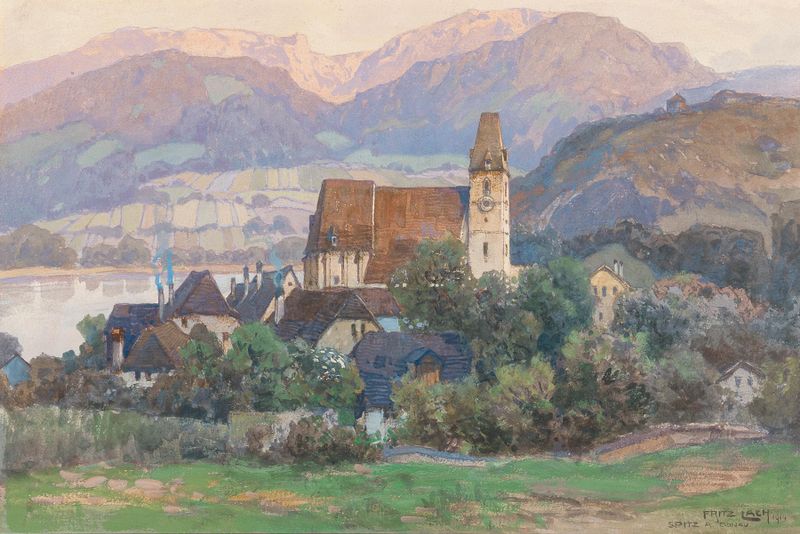
A view of Spitz in the Wachau valley
Fritz Lach
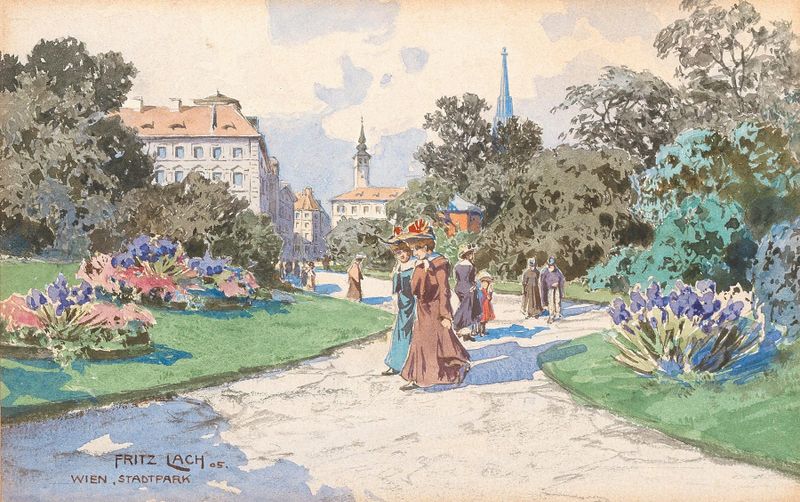
A walk in Vienna’s Stadtpark
Fritz Lach
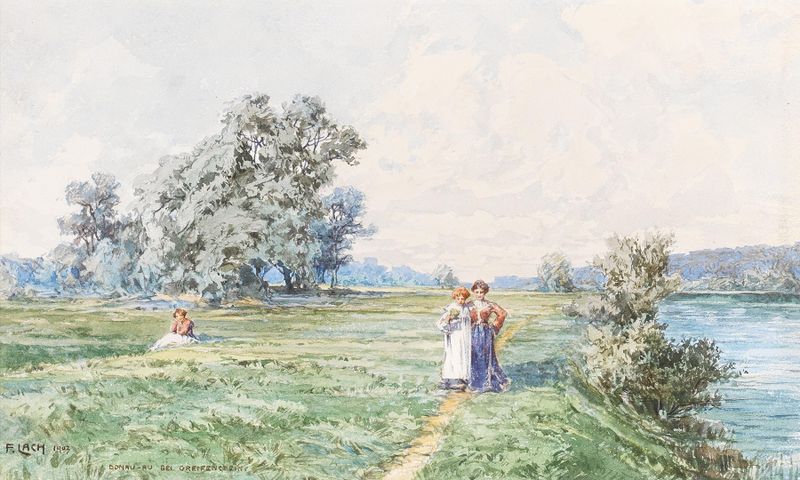
At the Danube near Greifenstein
Fritz Lach
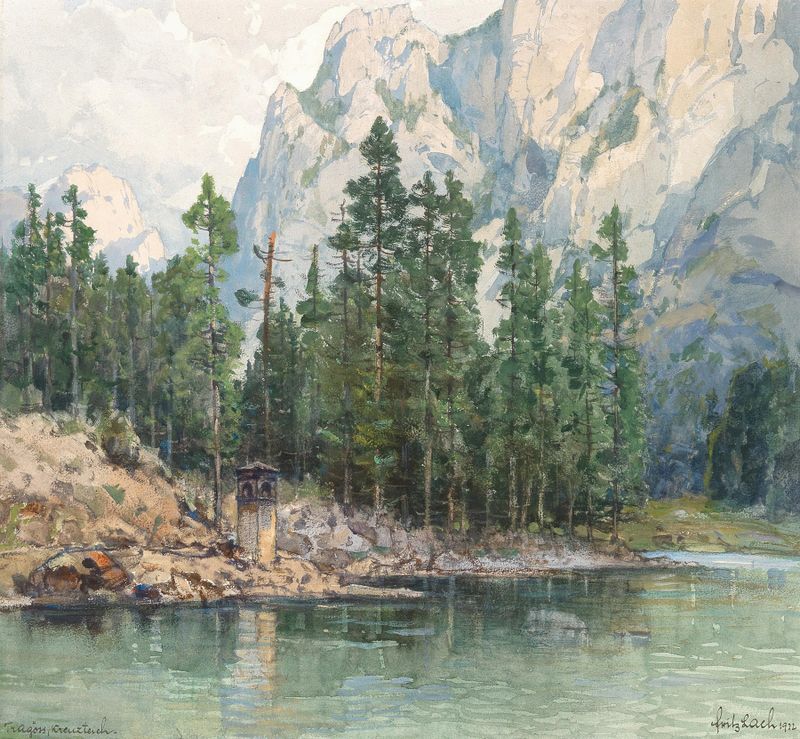
Kreuzteich near Tragöss
Fritz Lach
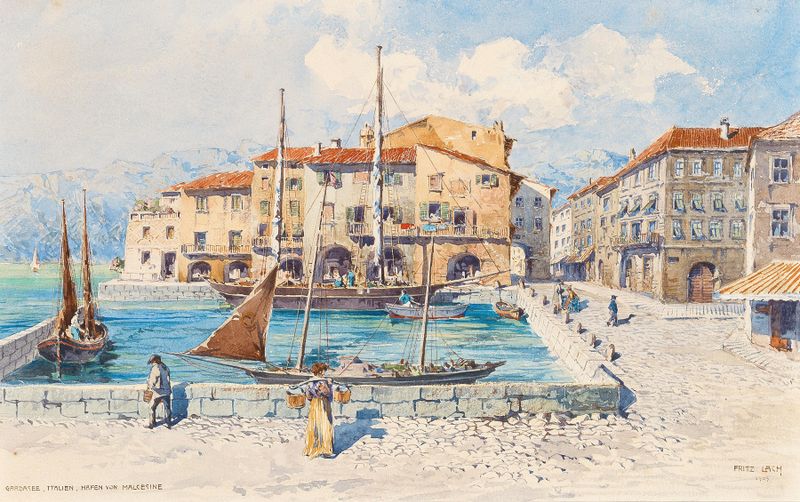
Malcesine near Gardasee
Fritz Lach
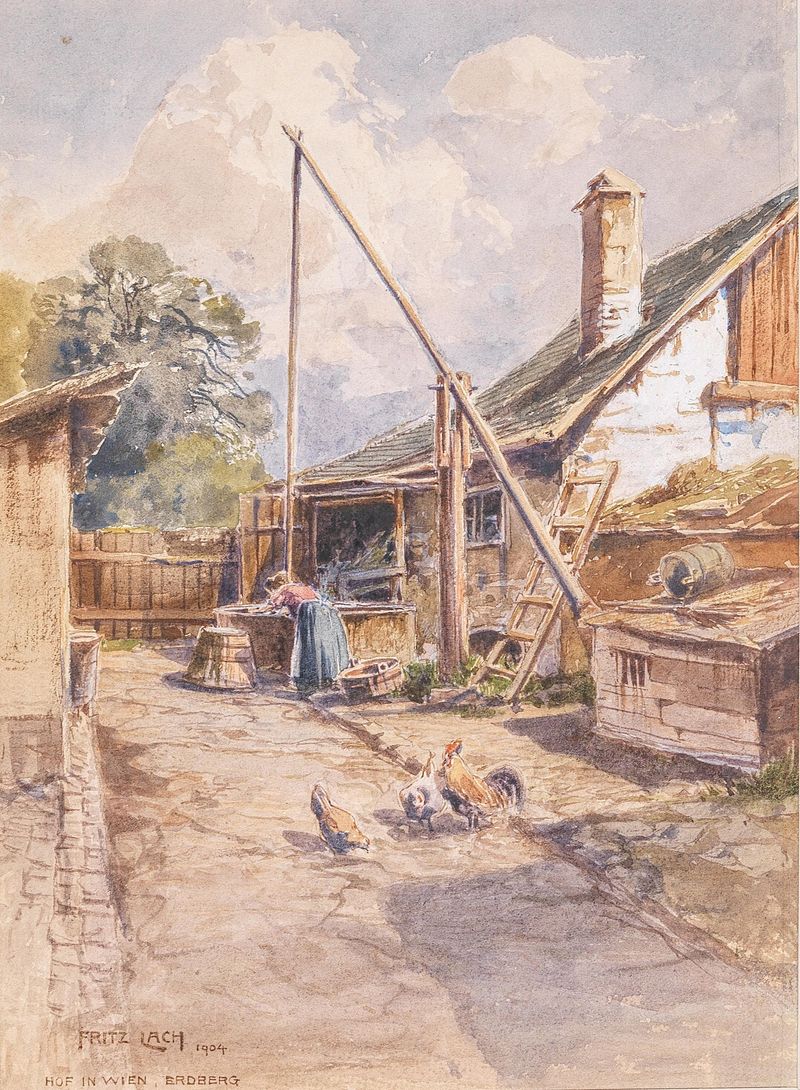
Hof in Wien Erdberg
Fritz Lach
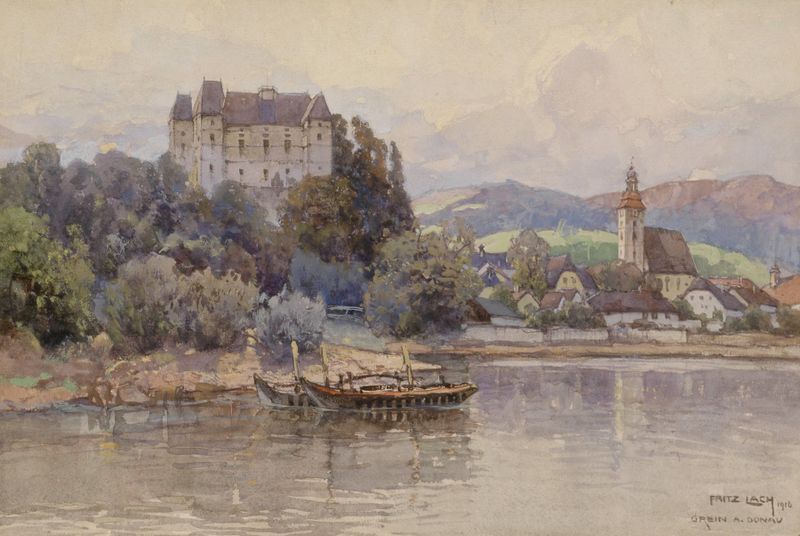
Blick auf Grein an der Donau
Fritz Lach





