
Aanbidding van het Christuskind door de koningen — History & Facts
Within its stillness lies an unquenchable yearning, a desire that transcends the confines of the painted surface, inviting the viewer to explore the depth of emotion and intention encapsulated within. Look to the center of the composition, where the enthroned Christ Child radiates an ethereal glow, illuminating the figures surrounding Him. Notice how the royal visitors bend in reverence, their gilded robes a striking contrast to the humble setting. The warm tones of gold and crimson envelop the scene, evoking both opulence and sacrifice, while the delicate play of light and shadow draws your eye to the soft features of the infant, presenting Him as both a king and a vulnerable child. In the intricate details, one finds a tension between earthly ambition and divine humility.
The gifts of gold, frankincense, and myrrh symbolize not just material wealth but also the burdens of the world. The expressions of the kings oscillate between awe and longing, embodying the human desire for connection to something greater. This poignant interaction elevates the moment from mere observation to a shared spiritual journey, as each figure grapples with their place in the divine narrative. Wolfgang Huber painted this work during a period of artistic transition in the early 16th century, reflecting the growing influence of the Reformation and a new wave of humanism.
Working in the Low Countries, Huber engaged with the emerging style that emphasized emotional depth and narrative clarity, capturing a moment that speaks universally to the human experience of desire and devotion.
More Artworks by Wolfgang Huber
Browse all →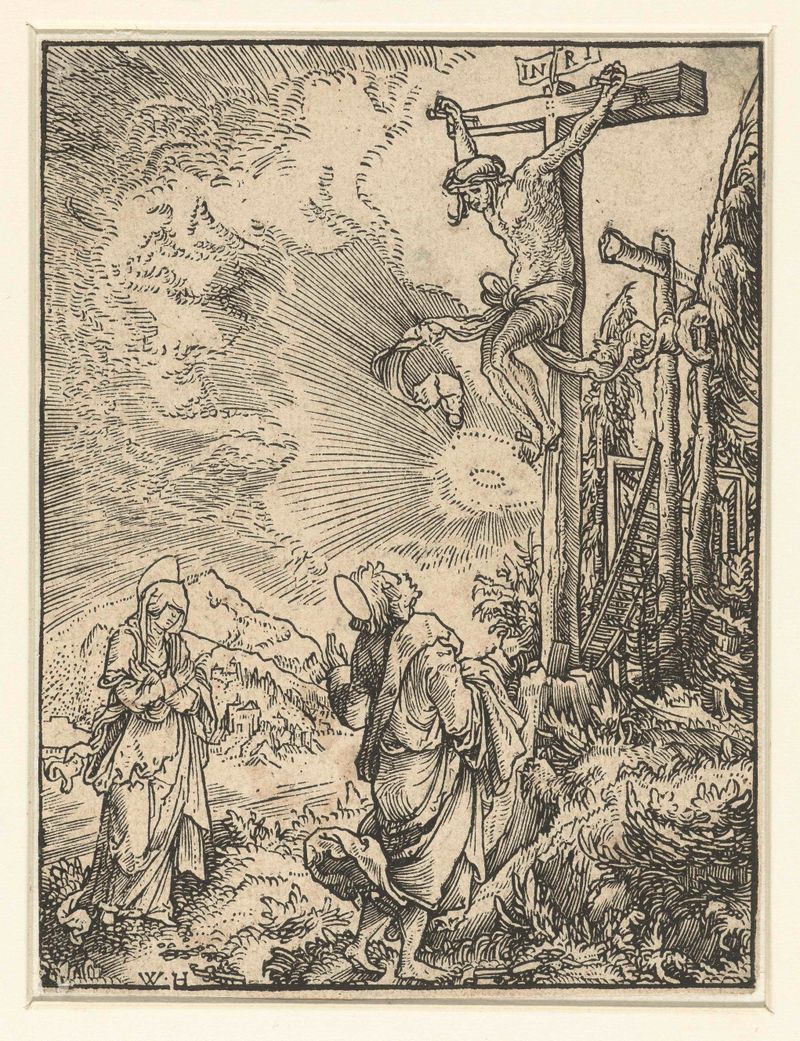

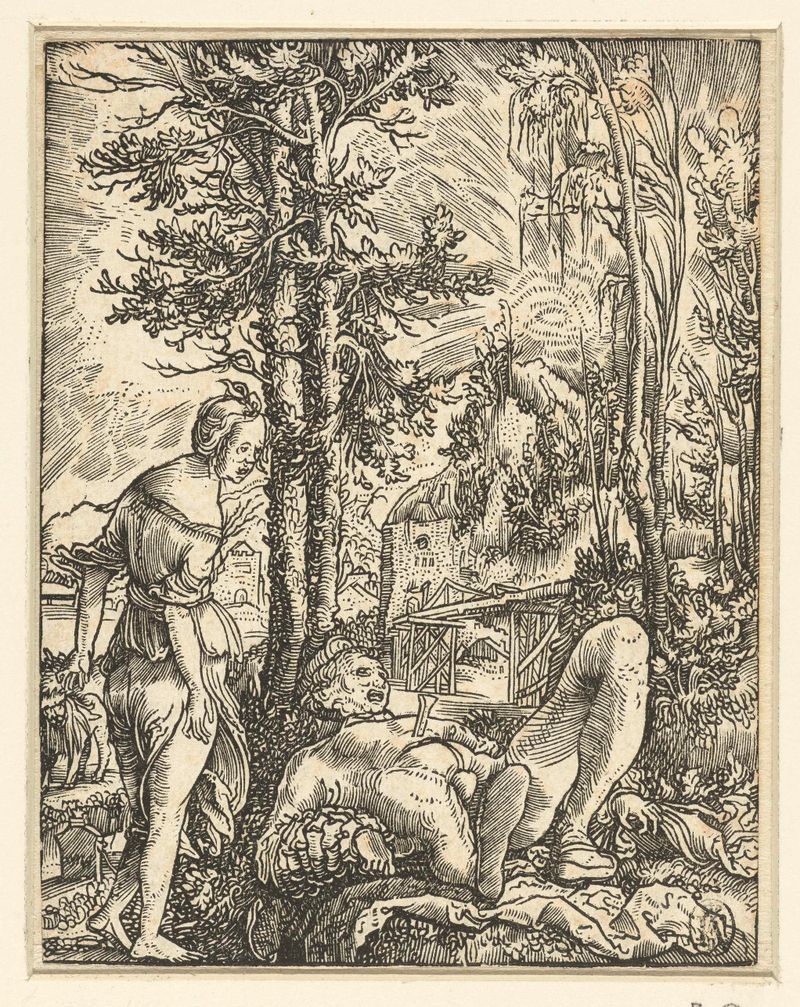
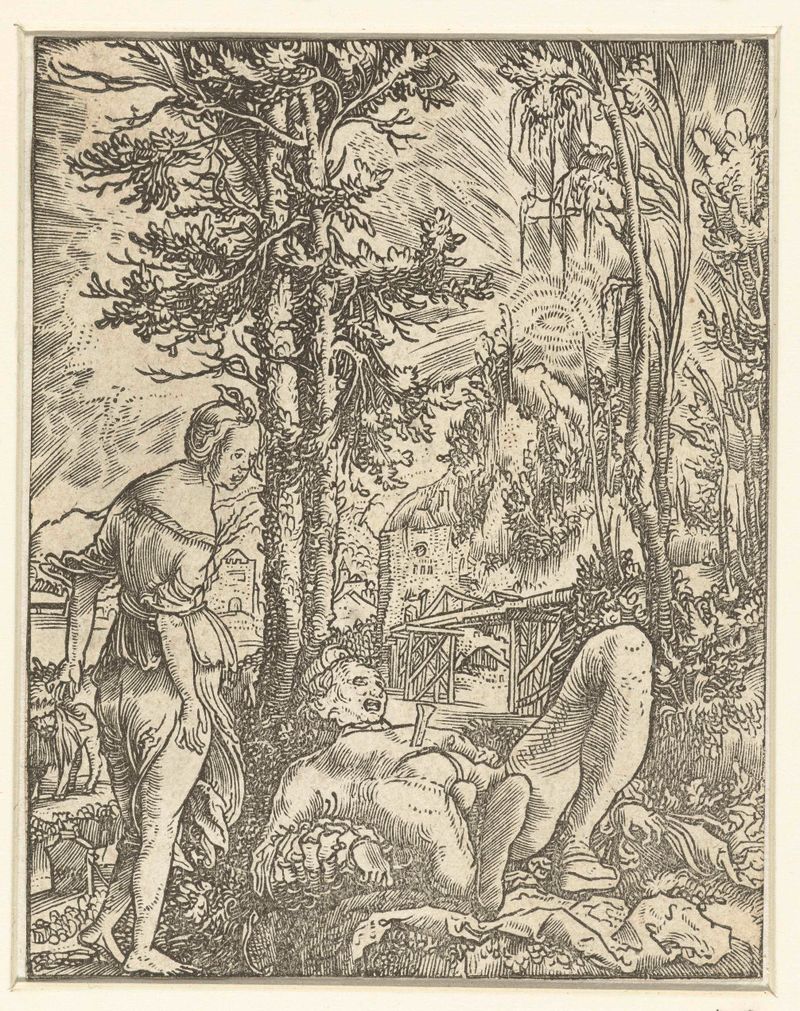

More Religious Art
Browse all →
The Return of the Prodigal Son
Rembrandt van Rijn

The Garden of Earthly Delights
El Bosco

Count Orgaz’ funeral
El Greco

The Hundred Guilder Print: the central piece with Christ preaching, the plate arched
Rembrandt van Rijn

The Descent from the Cross
Rogier van der Weyden

The return of the prodigal son
Rembrandt van Rijn