
Besnijdenis van Christus — History & Facts
Can beauty exist without sorrow? The answer lies within the delicate interplay of joy and grief that defines the human experience, vividly captured in this poignant work. Focus on the central figure, a young Christ, whose expression reveals a depth of vulnerability. Notice how the soft light falls upon His delicate features, illuminating the innocence of His youth while simultaneously casting shadows that hint at the pain to come. Surrounding Him, figures bearing a mix of reverence and trepidation create a palpable tension, their gestures both protective and anxious, as if they sense the weight of the moment.
The warm palette envelops the scene, inviting the viewer into a sacred space filled with profound significance. Delve deeper and observe the contrasting emotions that saturate the canvas. While the act itself represents a sacred tradition, it is also a moment steeped in profound loneliness—the young Christ stands apart, caught between the joy of divine destiny and the sorrow of impending sacrifice. The intricate details of the surrounding figures, from their expressions to their attire, underscore a collective longing that reverberates throughout the composition.
Each element serves as a reminder that even in sacred rites, the human experience is marked by a duality of joy and melancholy. Wolfgang Huber painted this work between 1500 and 1537, during a period of intense religious transformation in Europe. As the Reformation began to take hold, artists like Huber were navigating the shifting tides of faith, exploring themes of spirituality with greater complexity. Living in Germany, he found himself influenced by both traditional Catholic iconography and emerging Protestant ideals, seeking to capture the emotional resonance of sacred moments such as this.
More Artworks by Wolfgang Huber
Browse all →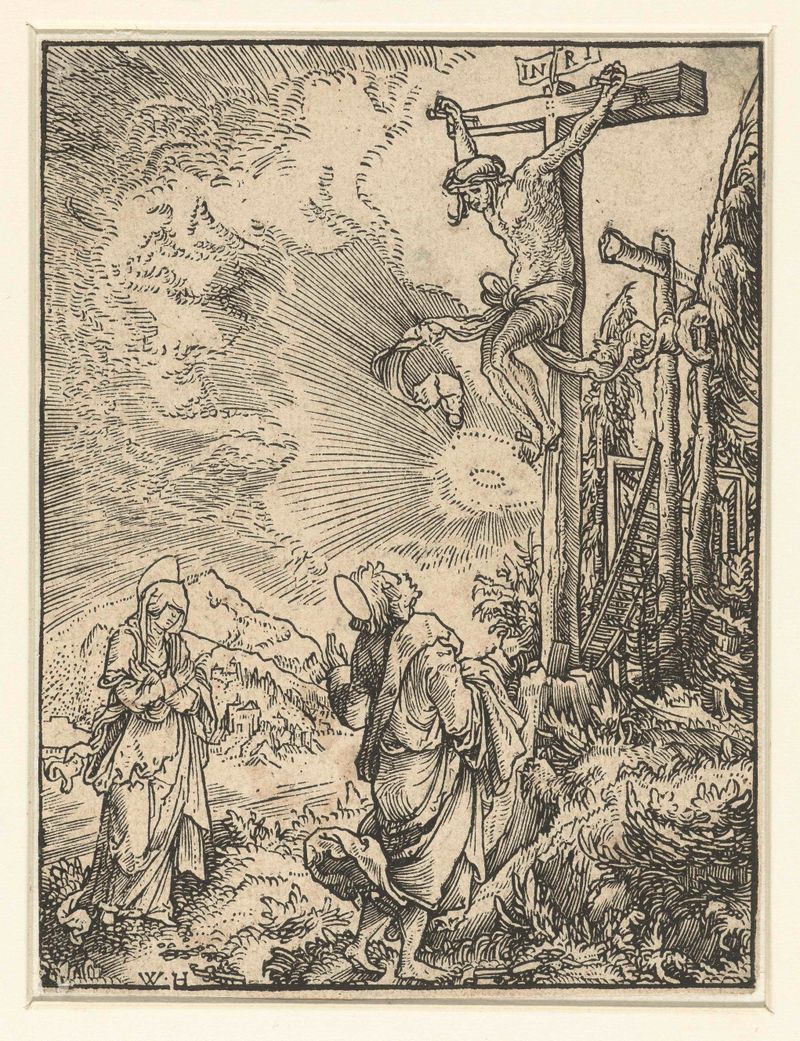

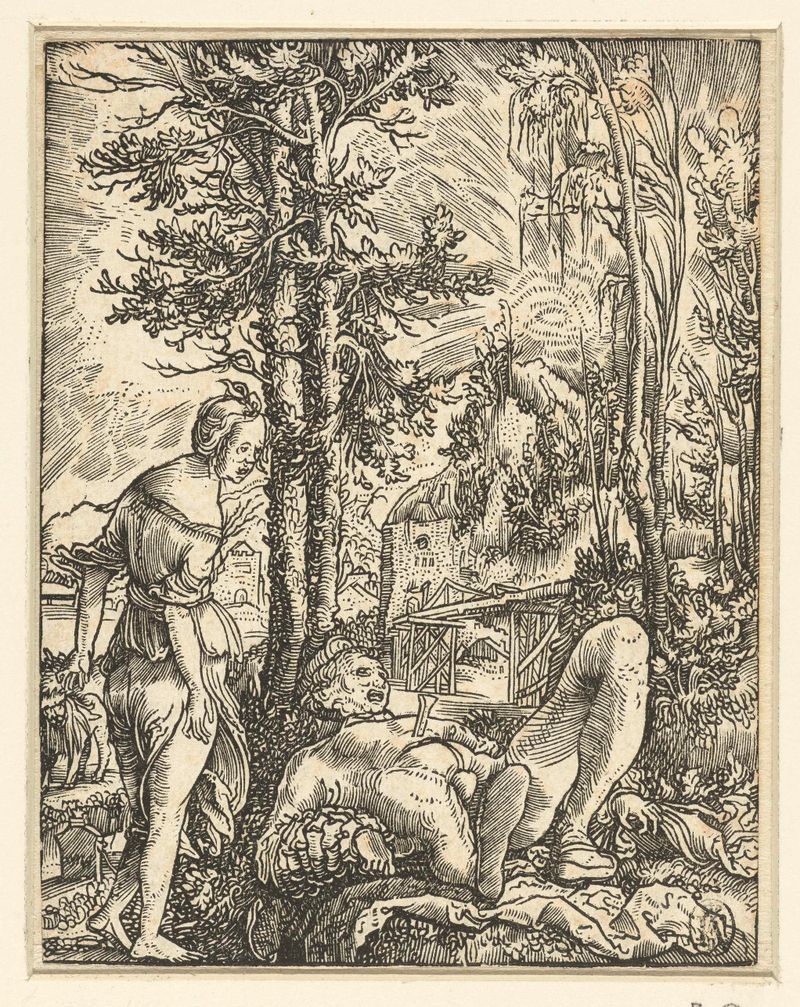
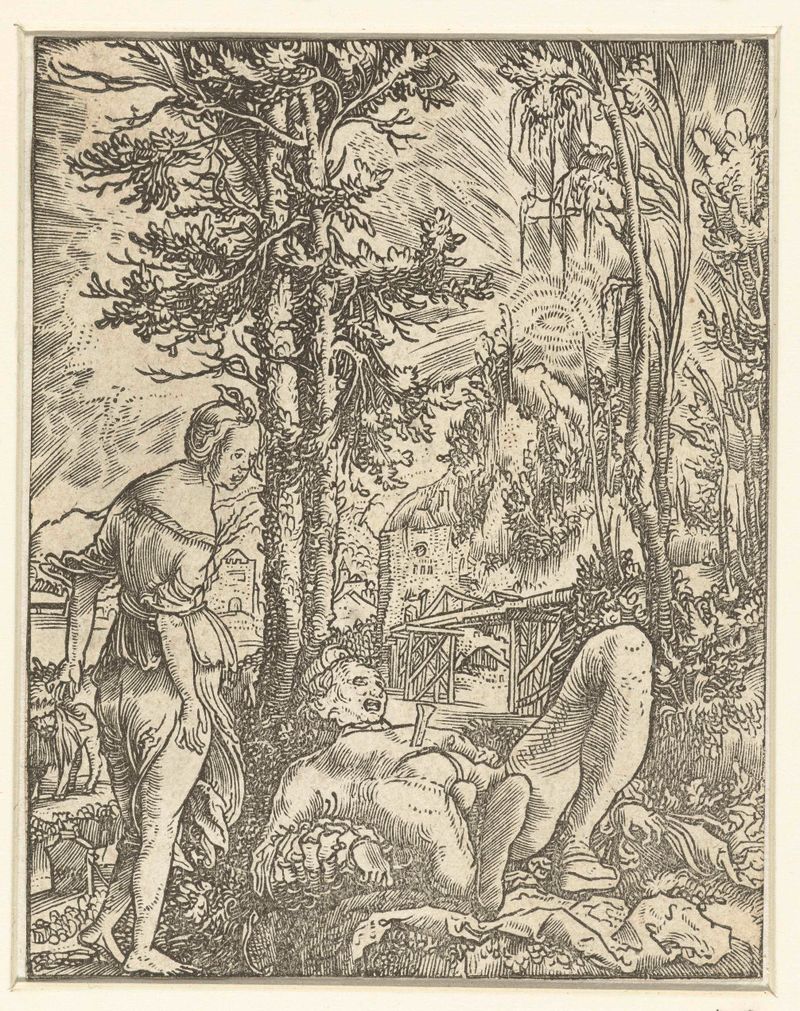

More Religious Art
Browse all →
The Return of the Prodigal Son
Rembrandt van Rijn

The Garden of Earthly Delights
El Bosco

Count Orgaz’ funeral
El Greco

The Hundred Guilder Print: the central piece with Christ preaching, the plate arched
Rembrandt van Rijn

The Descent from the Cross
Rogier van der Weyden

The return of the prodigal son
Rembrandt van Rijn