Droom van Paris — History & Facts
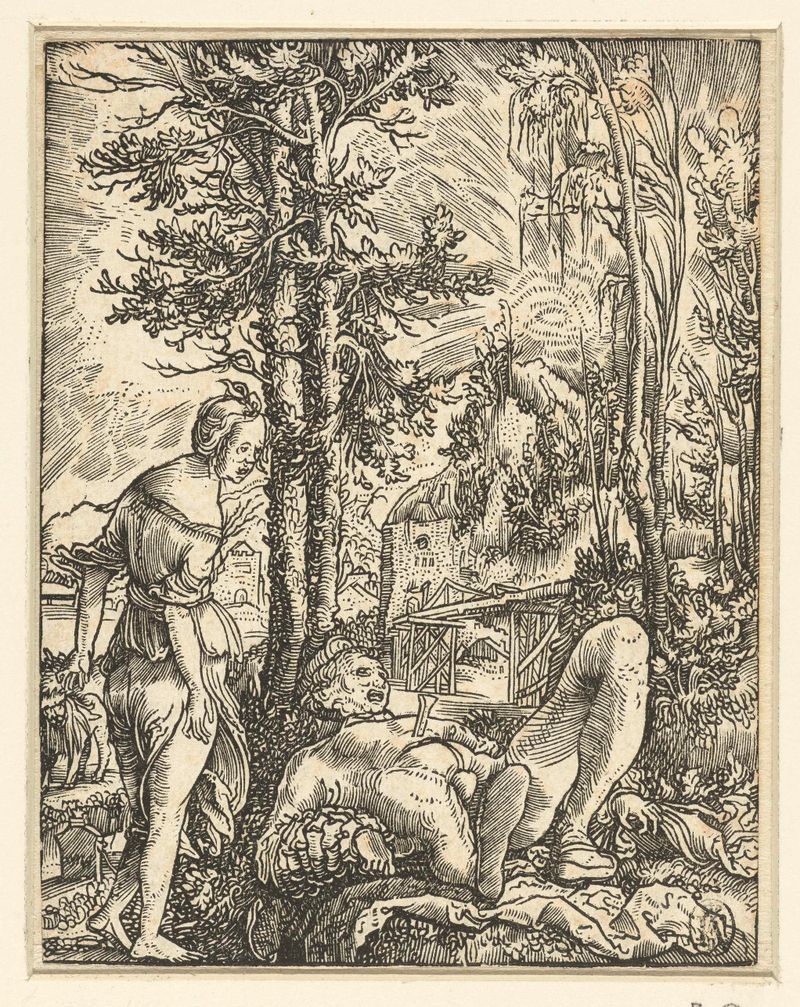
Can paint confess what words never could? In Droom van Paris, an ethereal landscape unfolds, where dreams and reality intertwine, beckoning the viewer to explore the depths of ambition and desire. Look to the center where a sprawling city emerges, its towers stretching upwards as if longing to touch the heavens. The muted shades of blue and green create a serene atmosphere, while the delicate brushstrokes give life to the vibrant details of the buildings. Notice how the wispy clouds dance above, subtly reflecting the glow of the setting sun, casting a warm light that hints at the promise of a new dawn.
Each element is meticulously placed, conveying both harmony and a sense of yearning. Beneath the surface of this dreamlike vista lies a tension between aspiration and reality. The juxtaposition of the idyllic city against darker undertones hints at an underlying anxiety—suggesting that dreams can often elude us, even as we chase them fiercely. Additionally, the figures scattered throughout the landscape, seemingly lost in contemplation, evoke a deeper exploration of the human condition: the ever-present conflict between hope and despair. Wolfgang Huber painted Droom van Paris during a transformative period in the early 16th century, amidst the shifting tides of the Renaissance.
As Europe experienced cultural revolutions and new ideas flourished, Huber sought to capture not just the beauty of the world but the complexities of human dreams and aspirations. This piece reflects his engagement with contemporary art movements while revealing his personal struggles and desires during this dynamic era.