Abenddämmerung am Weiher — History & Facts
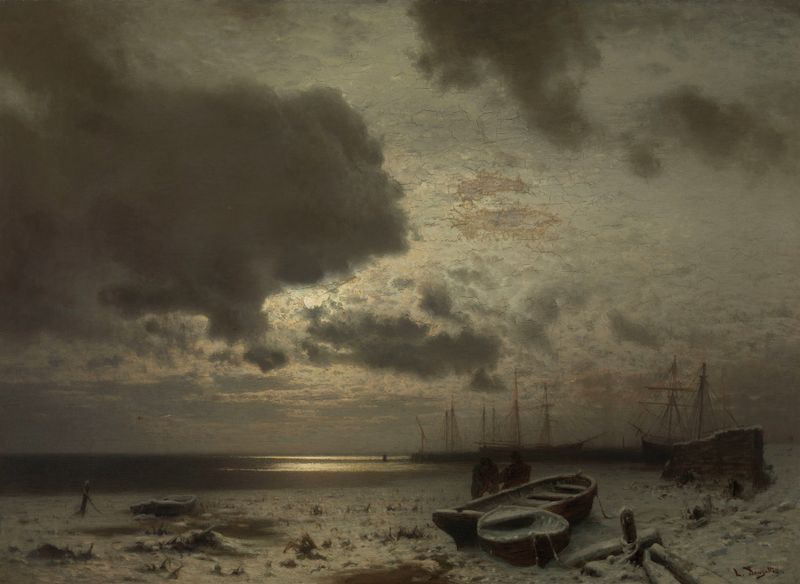
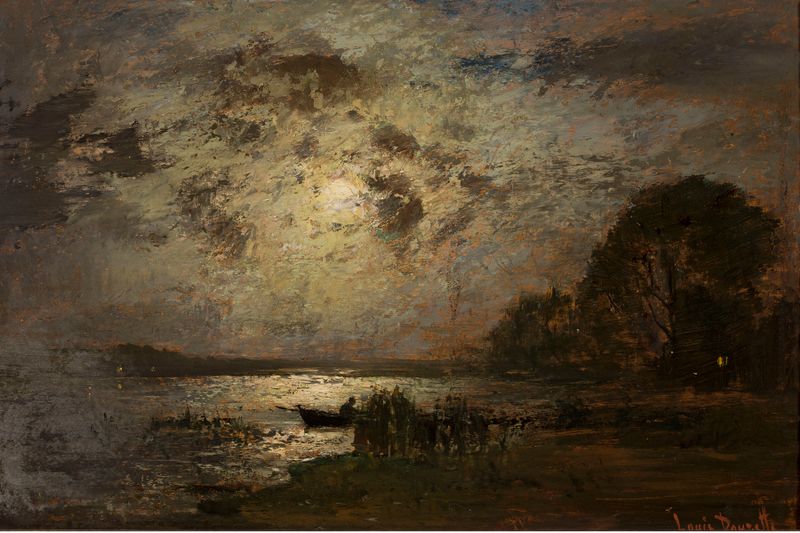
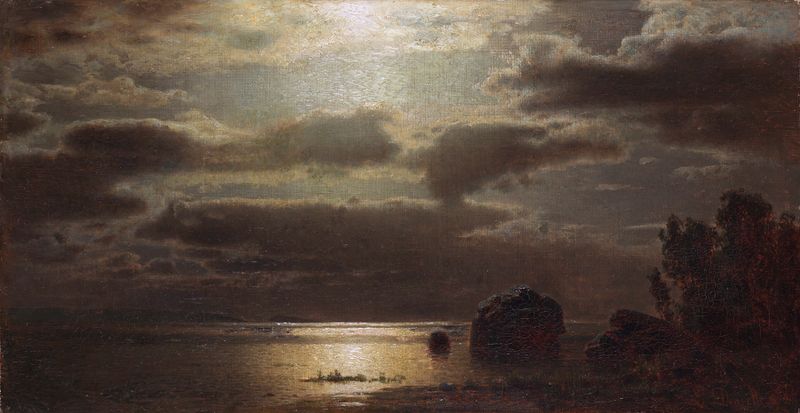
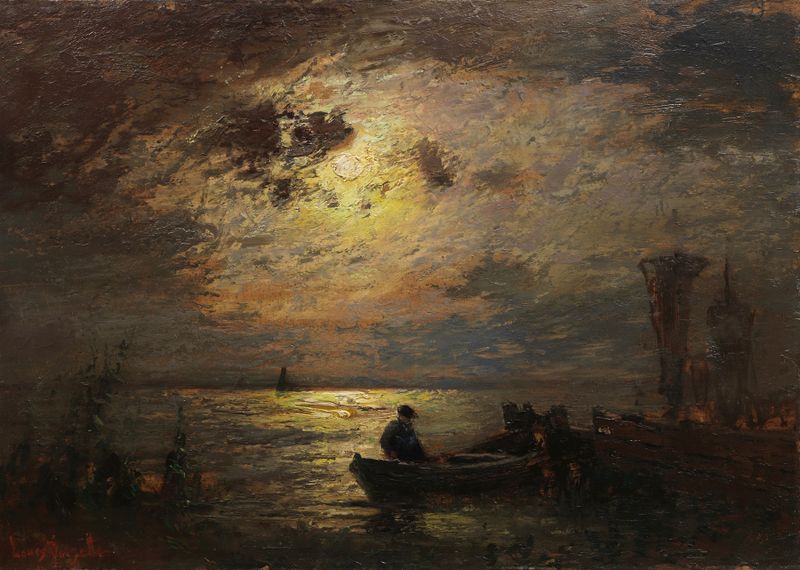
What if beauty was never meant to be finished? In that suspended moment between day and night, the essence of desire lingers, drawing us into the depths of longing. Look closely at the serene waters in Abenddämmerung am Weiher. The gentle ripples capture the last strokes of twilight, a soft palette of deep blues and delicate purples, inviting the viewer into this tranquil scene. Notice how the light dances across the surface, each glimmer acting as a whisper echoing the fading day.
The silhouetted trees on the horizon frame the composition, creating a sense of both shelter and isolation as shadows creep in, shrouding the world in mystery. Every element of the painting speaks to a deeper yearning—perhaps for connection, solace, or the fleeting nature of time. The subtle contrast between the vibrant colors of twilight and the darkening landscape evokes a feeling of nostalgia. Time feels suspended, and in that stillness, we can decipher the emotional weight of what is both present and lost—an eternal moment caught on canvas yet destined to dissolve into night. In 1870, Louis Douzette was immersed in the burgeoning Romantic movement, painting in Germany amidst a society grappling with changes brought by industrialization.
This period saw a revival of interest in nature and its sublime beauty, reflecting deeper emotional truths. Douzette's work captures not just a scene, but the spirit of his time, a moment of contemplative beauty that resonates across generations.