Mondaufgang am Weiher — History & Facts
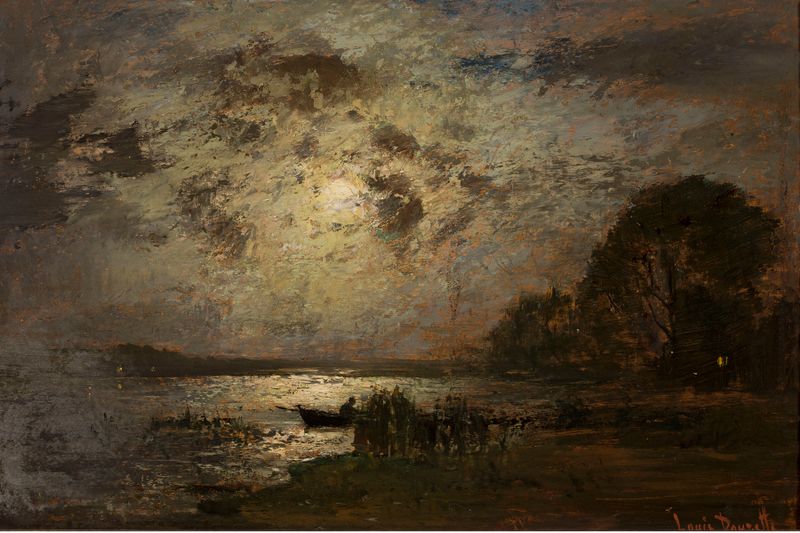
What secret hides in the quiet of the canvas? In the stillness of Mondaufgang am Weiher, a haunting sense of loss lingers beneath the serene surface of the water, inviting the viewer to explore the depths of its emotional landscape. Focus on the tranquil pond at the center, shimmering under the glow of the rising moon. The soft blues and silvery hues blend seamlessly, creating a dreamlike quality that captures the transition from dusk to night. Notice the gentle ripples that disturb the reflection, hinting at an unseen force just beneath the calm exterior.
The surrounding foliage frames the scene, intermingling shadows and light, while the delicate brushwork evokes a sense of movement, almost as if nature itself holds its breath. Amidst the serene beauty lies an undercurrent of grief, as the moon’s glow illuminates what is lost—perhaps a memory, a fleeting moment in time, or even a loved one. The juxtaposition of the vibrant landscape and the stillness of the water suggests a poignant dichotomy, where beauty and sorrow coexist. The viewer may sense a longing intertwined with the peace, as if the night itself is mourning the day. Painted in 1871, during a period of personal turmoil for Louis Douzette, this work reflects the artist's fragile state following the loss of loved ones.
Working in Germany during an era of artistic transition, he sought to channel his emotions into a cohesive visual language, reminiscent of the Romantic movement. Here, he encapsulates the delicate balance between nature’s beauty and the shadows of human experience, leaving viewers with a resonant sense of introspection.