Mondnacht — History & Facts
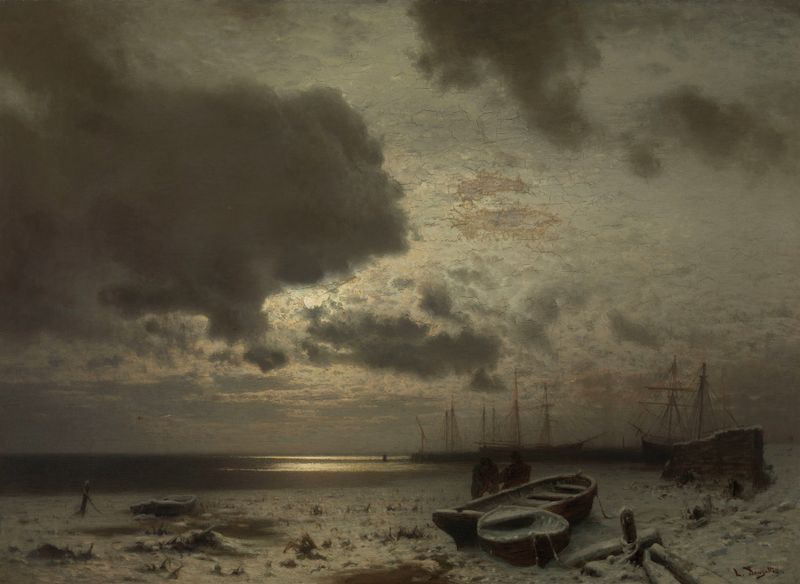
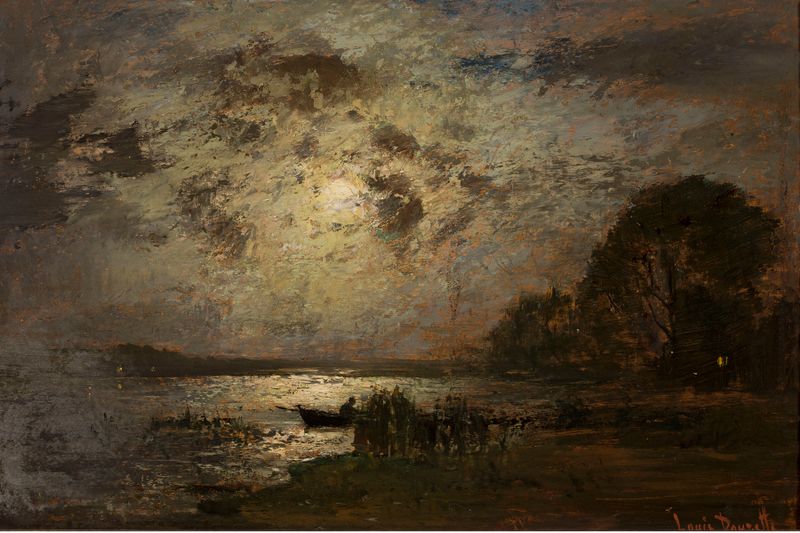
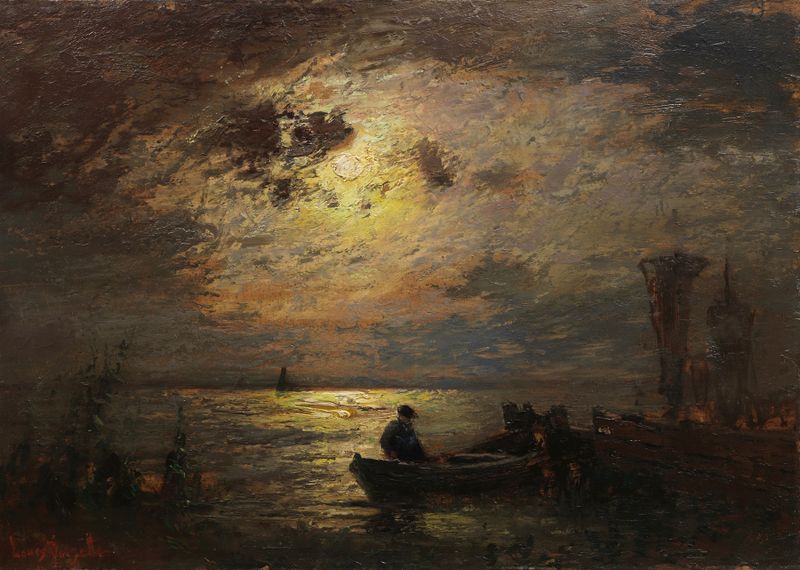
Can paint confess what words never could? In Mondnacht, the artist unveils a world where light and shadow intertwine, whispering secrets of the night sky and hidden emotions. Look to the center of the canvas, where a luminous moon casts its gentle glow over a serene landscape. The soft blues and silvers blend seamlessly, creating an ethereal atmosphere that draws the viewer in. Notice how the brushstrokes capture the shimmering quality of water, reflecting both light and the delicate tranquility of the night.
Each stroke seems to breathe with life, inviting contemplation and reverie. Delve deeper into the contrasts that the painting presents: the stillness of the water juxtaposed with the dynamic interplay of light. The moonlight doesn’t merely illuminate; it transforms — revealing beauty and mystery in the darkness. Observe the silhouettes of trees at the edges, framing the scene like guardians of secrets, hinting at the unseen narratives within this nocturnal embrace.
The nuanced palette evokes a sense of longing, a bittersweet reminder of fleeting moments that live in memory. In 1872, while Douzette painted Mondnacht, he was part of the emerging Symbolist movement in Europe, exploring themes of emotion and the subconscious. At this time, the art world was witnessing a shift away from realism, embracing abstraction and the ineffable. Douzette’s work reflects this transition, capturing a hypnotic moment that resonates deeply with the human experience.