
Abenddämmerung. Steinbruch an der Donau — History & Facts
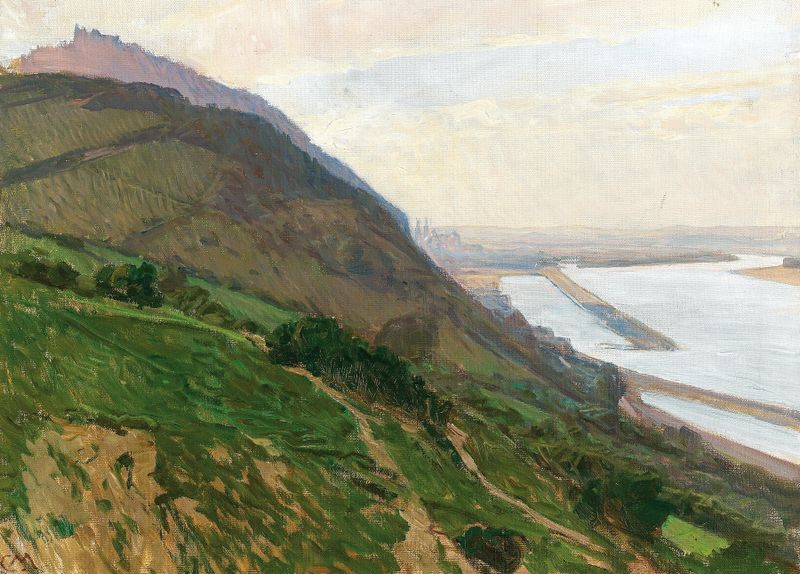
In Abenddämmerung. Steinbruch an der Donau, the artist captures the delicate balance between beauty and transience, wrestling with the inevitability of mortality. Focus on the horizon where the sun dips low, blending oranges and purples that seem to meld into the earth itself. Notice how the brushwork is loose yet deliberate, with each stroke creating an impression of movement in the landscape.
The jagged formations of the quarry stand in stark contrast to the soft, ethereal sky, suggesting both the harshness of life and the fleeting nature of day. Shadows stretch long across the canvas, inviting a sense of introspection and contemplation. The juxtaposition of the vibrant sky against the rugged terrain speaks to the tension between life and death, light and darkness. The colors pulse with life, yet the quarry—a symbol of industry and toil—anchors the scene in the reality of human existence.
This contrast prompts viewers to reflect on their own lives, evoking a sense of nostalgia for passed moments and an awareness of their impermanence. In 1902, Carl Moll painted this work during a period of personal and artistic exploration in Vienna, where he was a member of the Vienna Secession, a movement that sought to break away from traditional artistic constraints. The world was shifting, with modernity encroaching upon the old ways of life, and Moll's exploration of light and form in this piece mirrors the broader transformations occurring in society at that time.
More Artworks by Carl Moll
Browse all →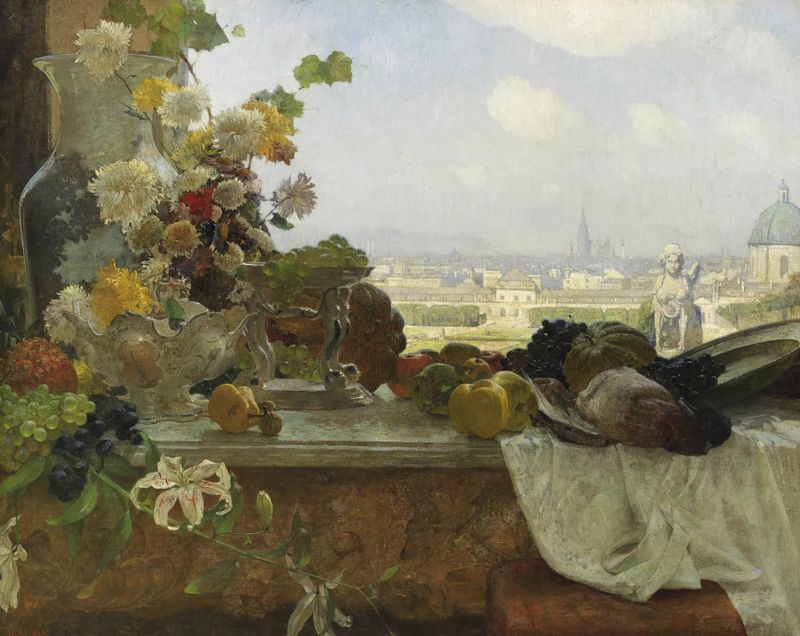
Blick vom Belvedere auf die Innere Stadt
Carl Moll

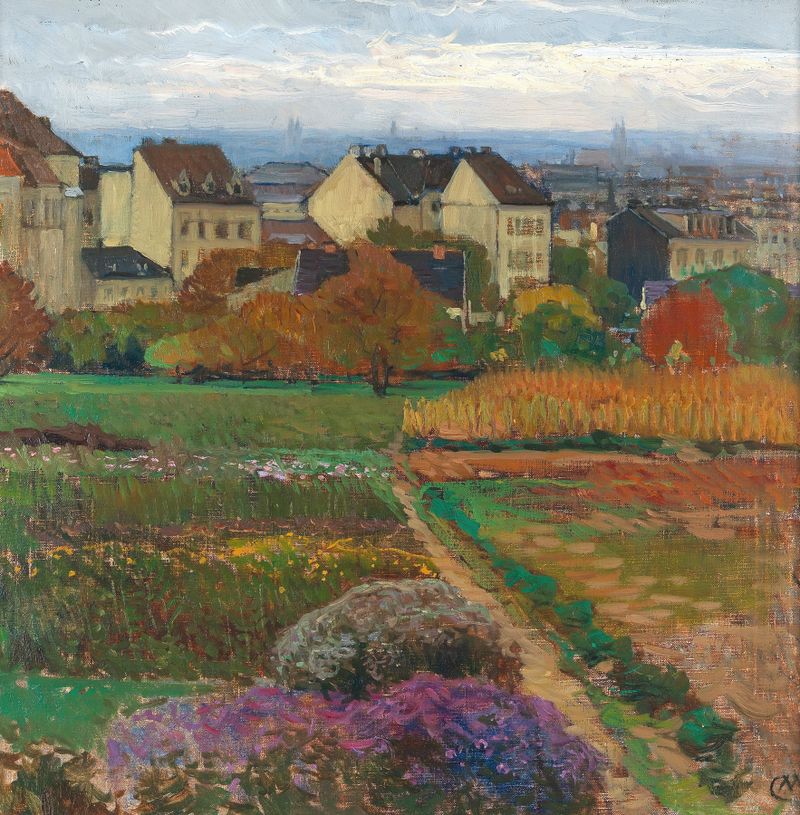
Garten in Döbling (Garden in Döbling, Vienna)
Carl Moll
Döbling Wien
Carl Moll

Motiv aus dem Schloßpark in Jevisovice
Carl Moll
Donauansicht
Carl Moll
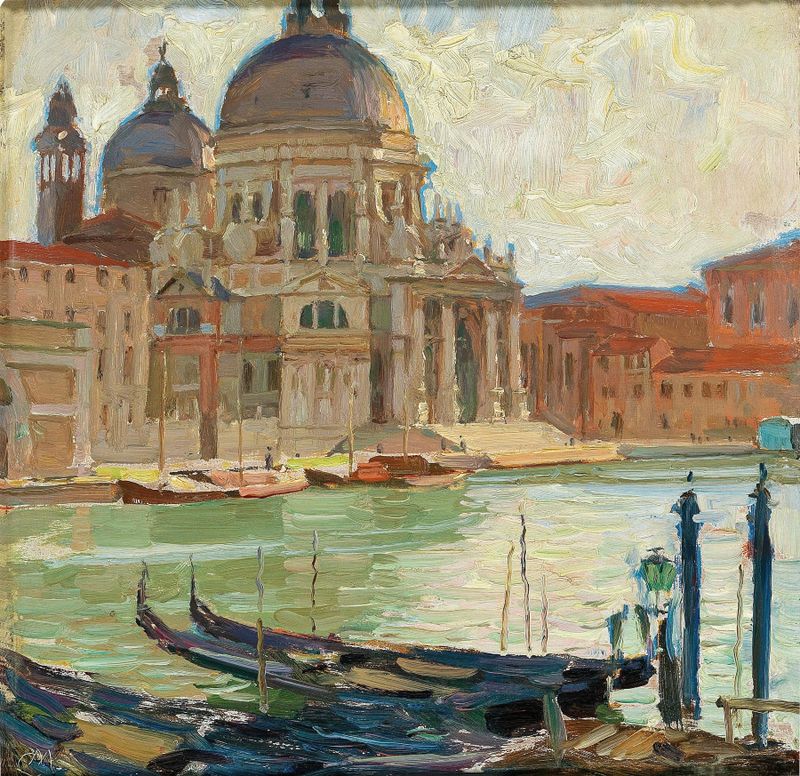
Kirche in Venedig
Carl Moll

Wassermühle in Goisern (nach Emil Jakob Schindler)
Carl Moll

Winter at Hohe Warte, Rothschild Gardens
Carl Moll

Römische Ruine in Schönbrunn
Carl Moll

Kirche St Michael in Heiligenstadt
Carl Moll





