Ablentschen — History & Facts
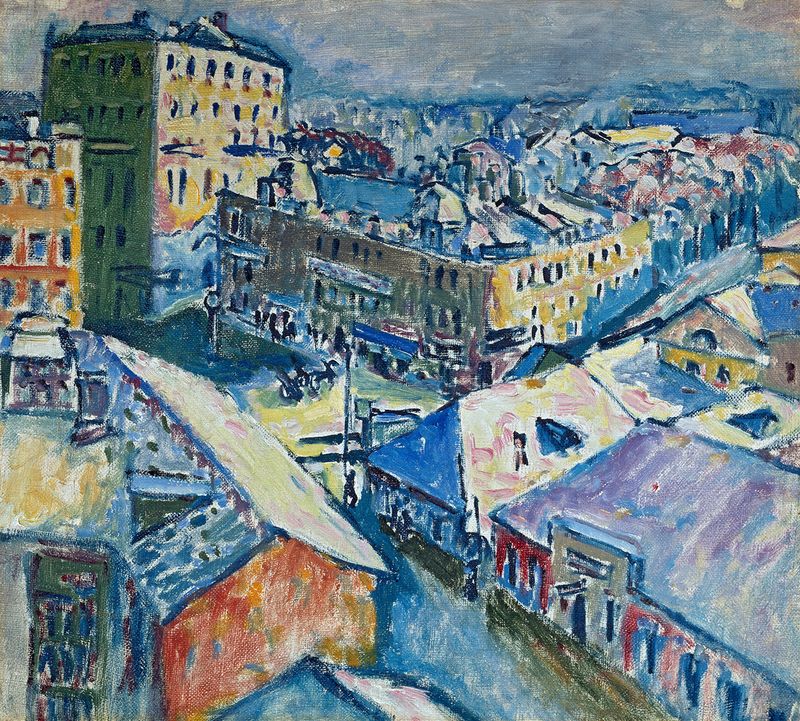
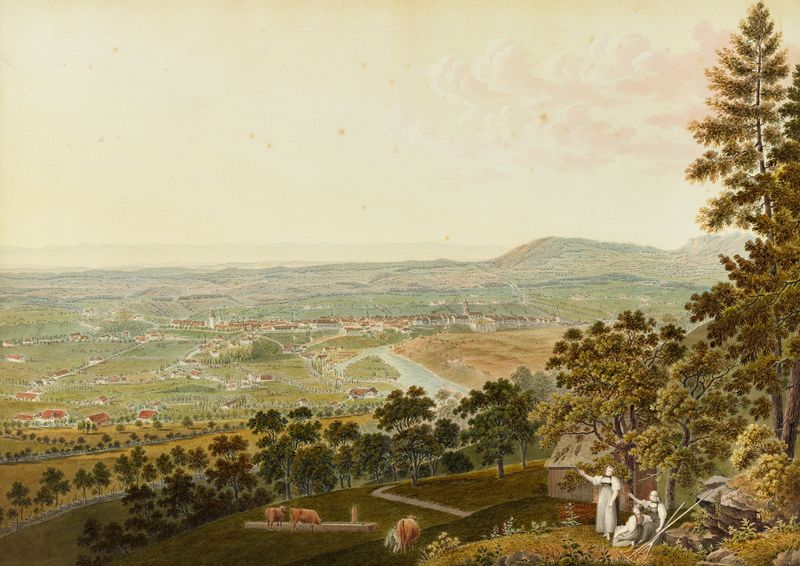
In the quiet embrace of nostalgia, there exists a realm where memories linger like shadows, echoing the past with a tender touch. Look to the center of the canvas, where a muted palette of ochres and soft blues invites you to breathe in the atmosphere of reflection. Notice how the brushstrokes weave together, creating a sense of movement that pulses through the work. The gentle layering of colors, reminiscent of faded photographs, evokes a longing for what once was, while hints of light play across the surface, suggesting the passage of time. Within this delicate composition lies a tension between loss and remembrance.
The gentle curves and lines whisper stories of fleeting moments, encapsulating both joy and sorrow in equal measure. Subtle contrasts — the brightness of certain areas against the shadowy depths — evoke an interplay of hope and melancholy, reminding us that memories, however cherished, can often bring a bittersweet ache. Jakob Samuel Weibel painted Ablentschen during a period marked by introspection and exploration of personal identity. Working in the early 20th century, he engaged with themes of memory and sentiment at a time when many artists were seeking to convey deeper emotional truths through their work.
The world was experiencing rapid change, and Weibel’s introspective approach stood as a quiet counterpoint to the tumultuous shifts in society and culture around him.
More Artworks by Jakob Samuel Weibel
Browse all →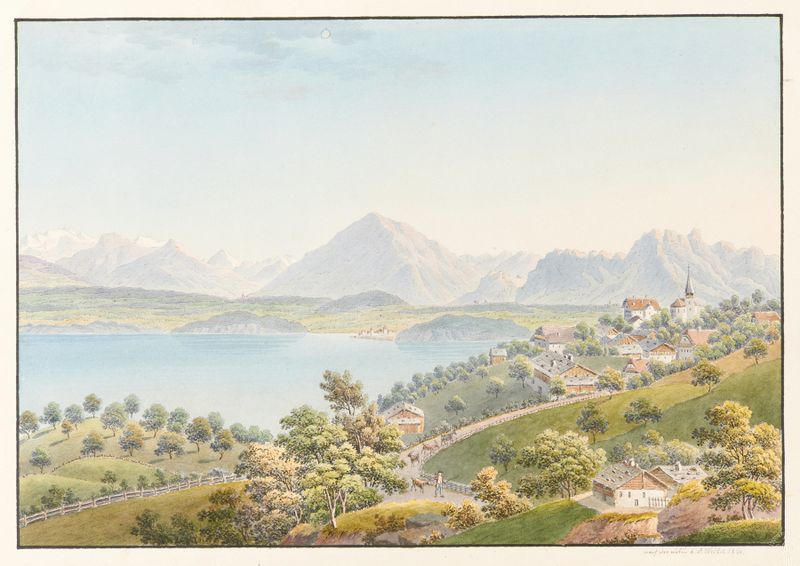
Vue dessiné depuis le Village de Sigriswil, audessus du Lac de Thoune
Jakob Samuel Weibel
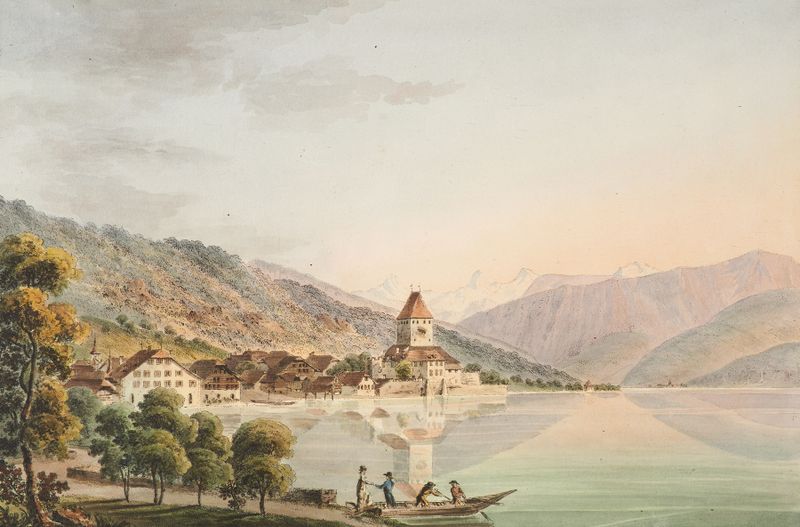
Vûe du Chateau d’Oberhofen au Lac de Thoune
Jakob Samuel Weibel
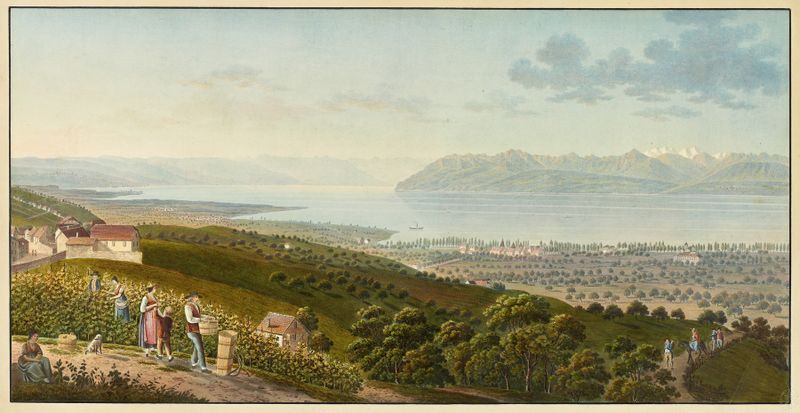
Vue genérale du Lac de Geneve
Jakob Samuel Weibel
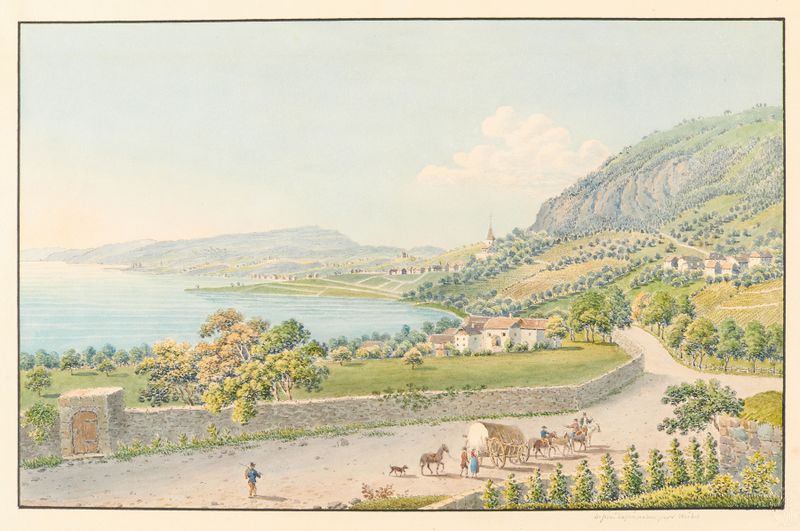
Vue des environs de Montreux et de Clarens
Jakob Samuel Weibel
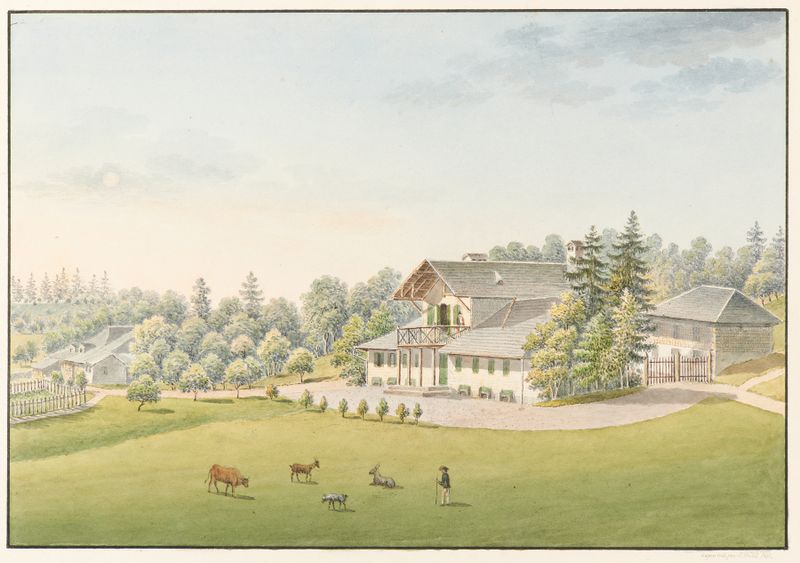
Vue du nouveau Châlet de Vernand
Jakob Samuel Weibel
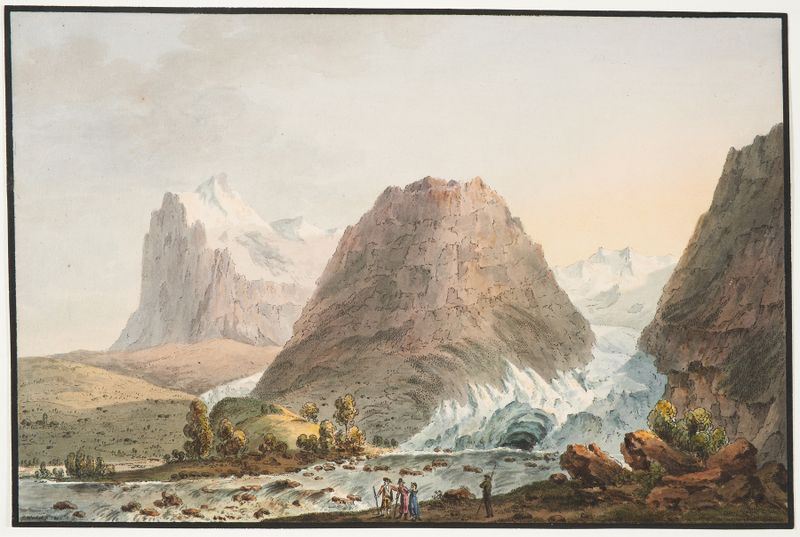
Vûe des Glacieres de Grindelwald
Jakob Samuel Weibel
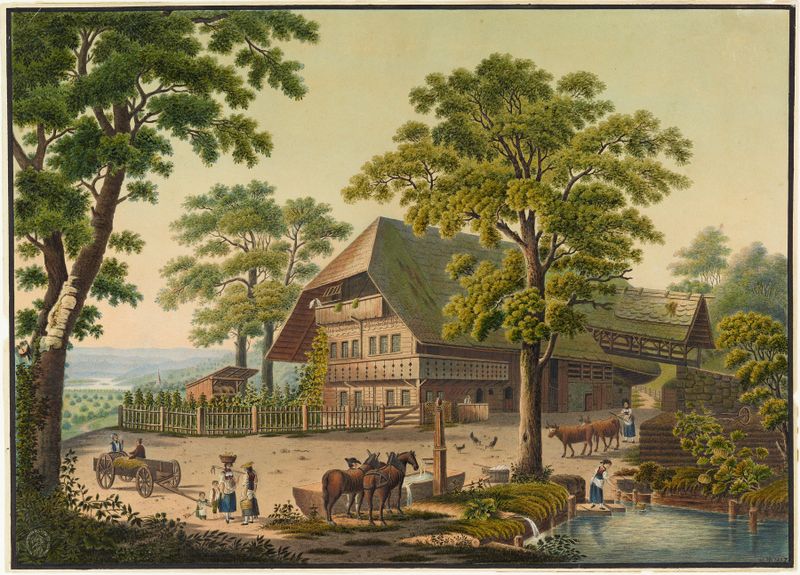
Maison de paysan près Wichtrach
Jakob Samuel Weibel
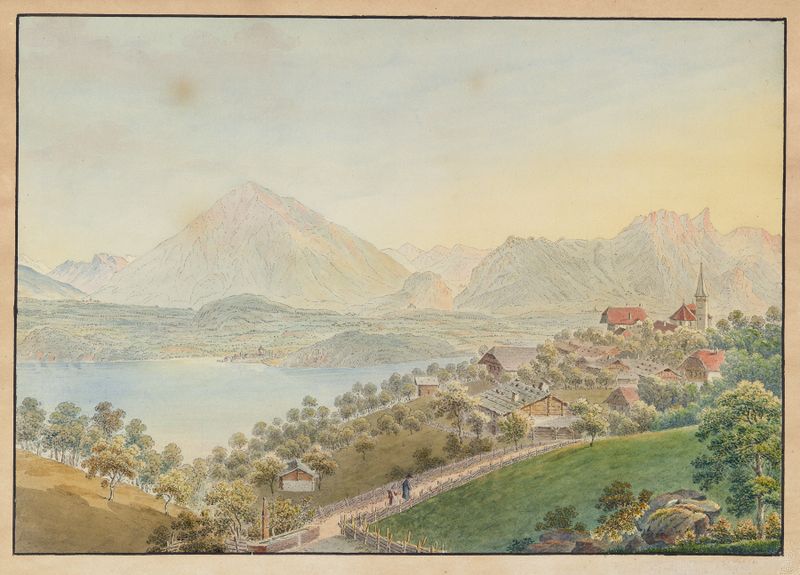
Ansicht von Sigriswil mit Niesen und Thunersee
Jakob Samuel Weibel
Ansicht Berns und der Aare vom Gurten aus
Jakob Samuel Weibel

Lausanne Ville capitale du Canton de Vaud
Jakob Samuel Weibel