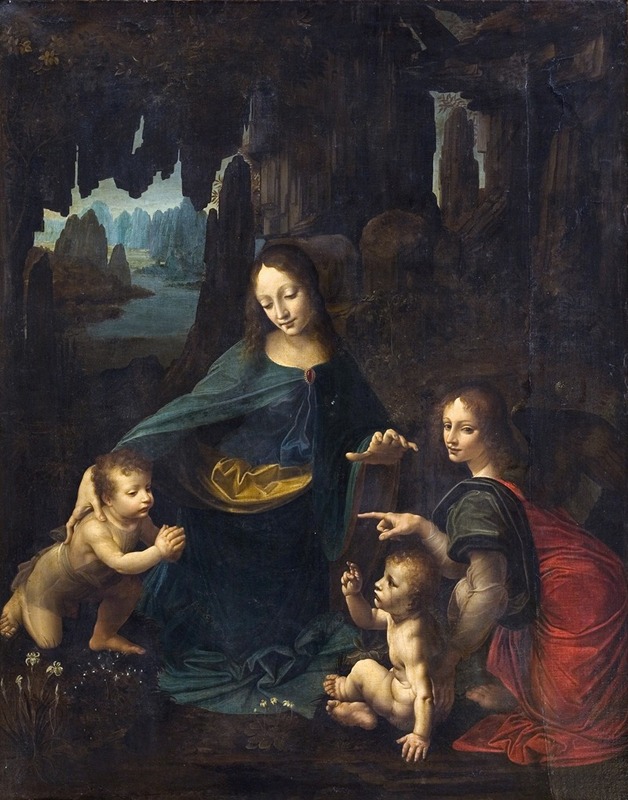
Discover insights about this artwork
Abraham’s Sacrifice — History & Facts
In Abraham’s Sacrifice, Rembrandt van Rijn presents a dramatic biblical scene filled with rich colors and deep shadows. The painting features Abraham, poised with a knife, ready to sacrifice his son Isaac, who is bound on an altar. The background is dark, emphasizing the figures in the foreground, while a soft light illuminates their faces, highlighting their emotional expressions.
The use of reds and browns creates a somber yet intense atmosphere. This artwork is an oil on canvas, showcasing Rembrandt's characteristic use of chiaroscuro, where light and shadow play a crucial role in the composition. The figures are rendered with meticulous detail, from the textures of their clothing to the expressions on their faces. The painting measures approximately 120 x 160 cm, making it a significant piece in terms of size as well as impact.
Viewers can appreciate the dynamic poses and the tension captured in this moment. Rembrandt van Rijn created Abraham’s Sacrifice during the Dutch Golden Age, a period known for its rich artistic output. This painting reflects the artist's deep interest in biblical themes and human emotion. An interesting fact about this work is that it was initially thought to be lost but was rediscovered in the 19th century, leading to renewed interest in Rembrandt's oeuvre.
The painting is now housed in the Rijksmuseum, where it continues to captivate audiences.
More Artworks by Rembrandt van Rijn
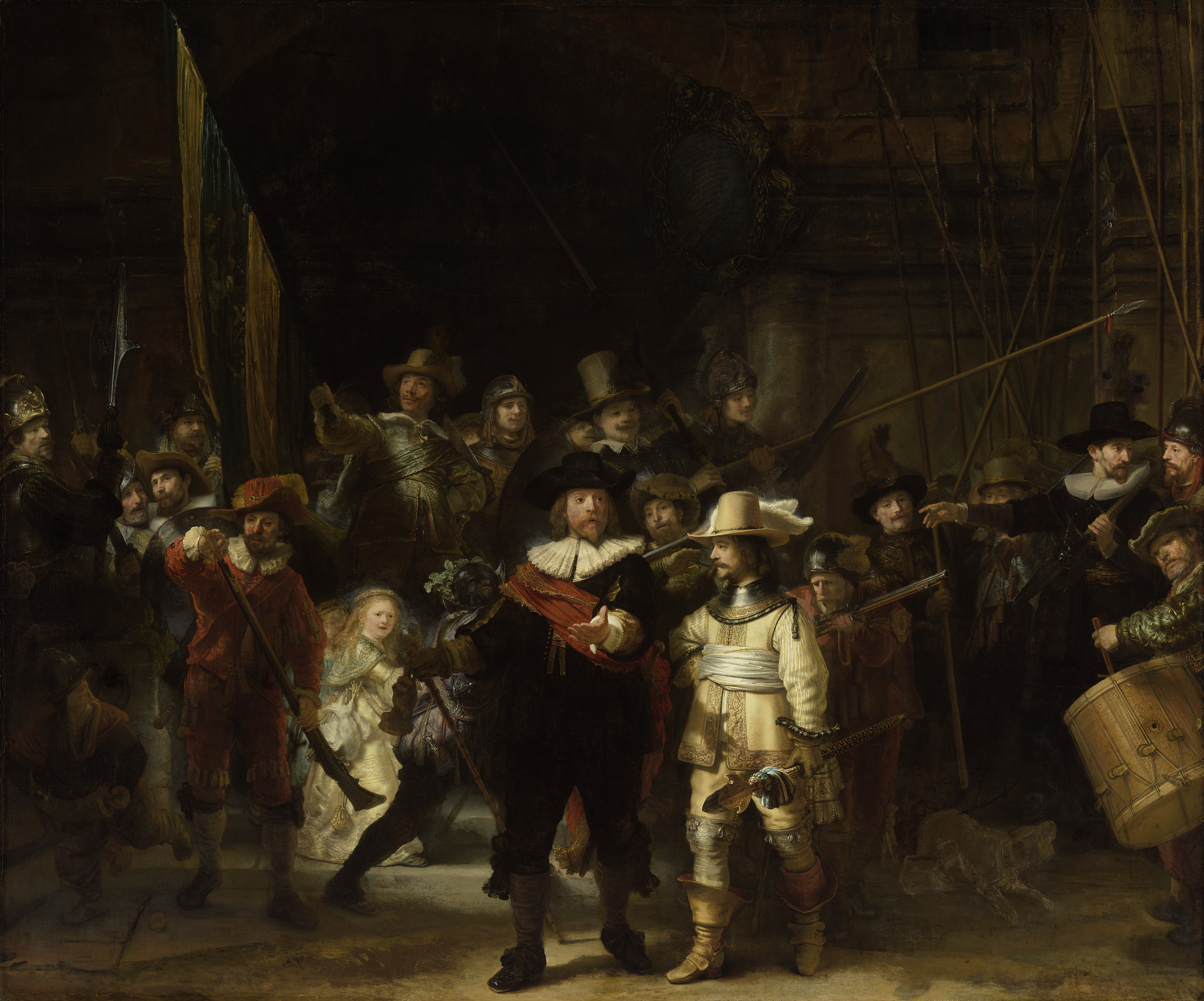
The Night Watch Militia Company of District II under the Command of Captain Frans Banninck Cocq
Rembrandt van Rijn
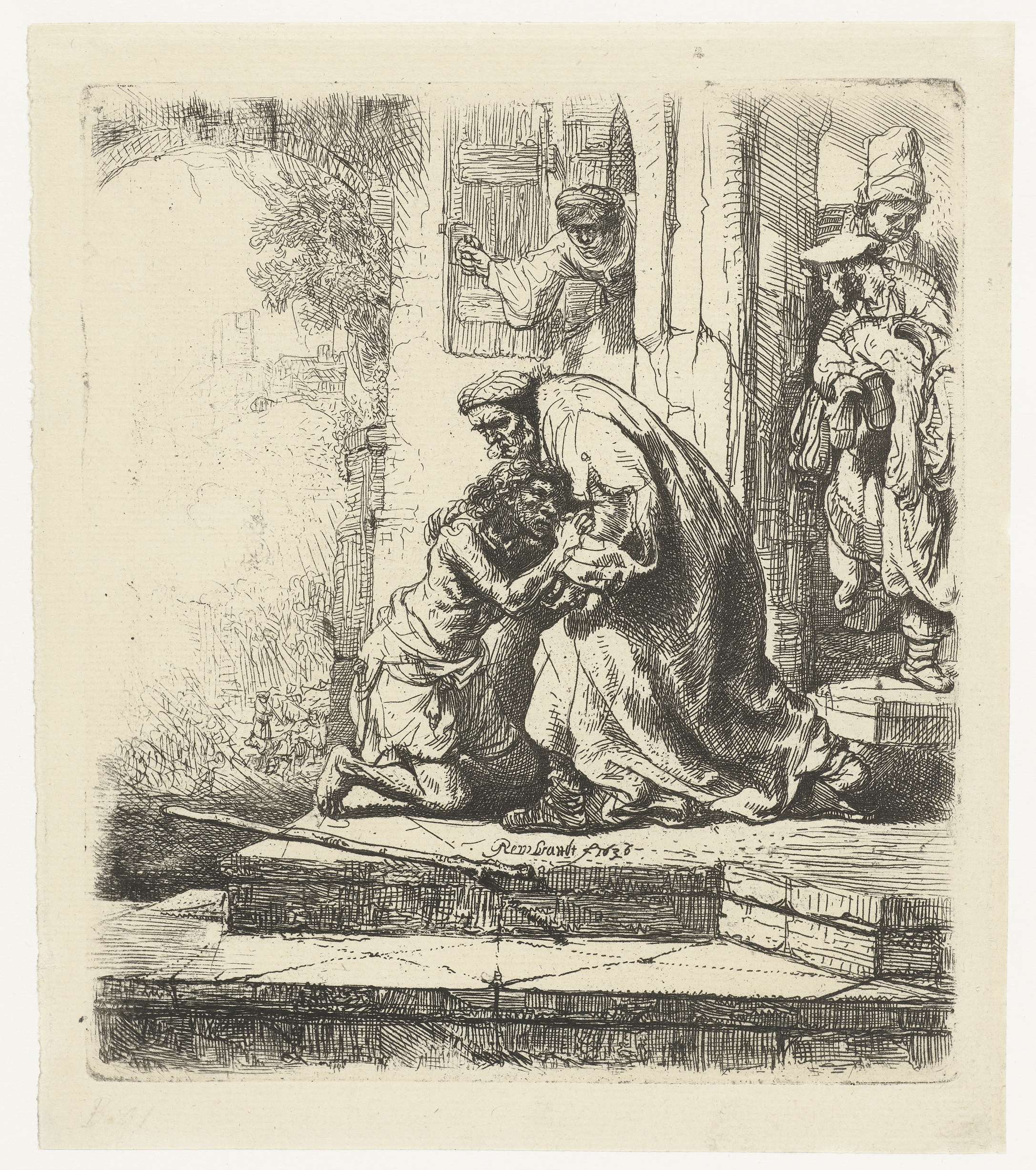
The Return of the Prodigal Son
Rembrandt van Rijn
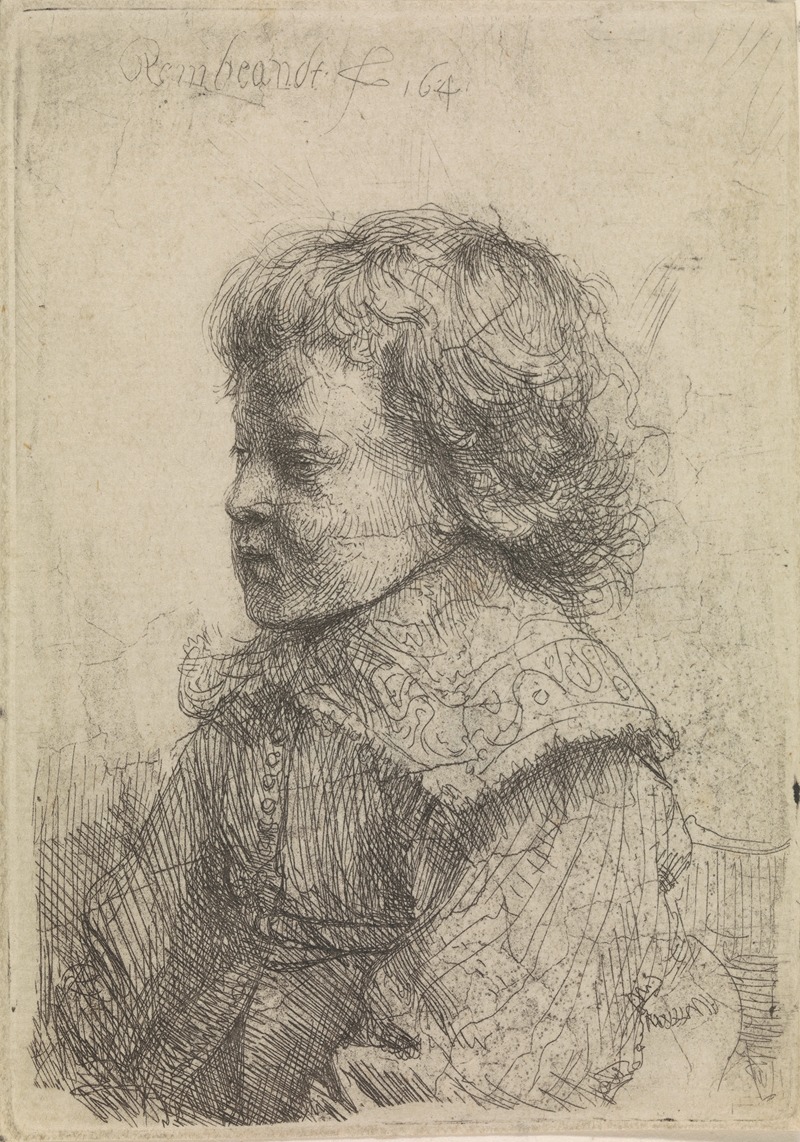
Portrait of a boy in profile
Rembrandt van Rijn
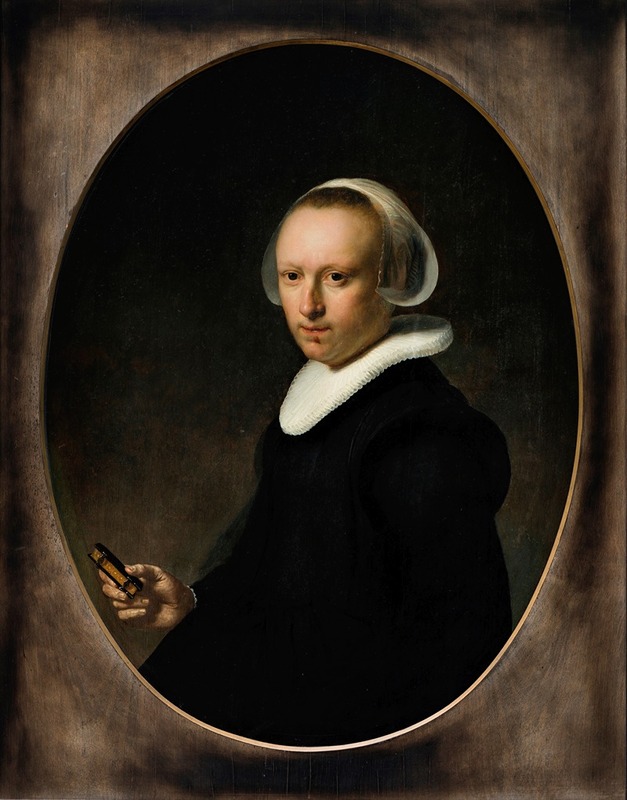
Portrait of a 39-year-old Woman
Rembrandt van Rijn
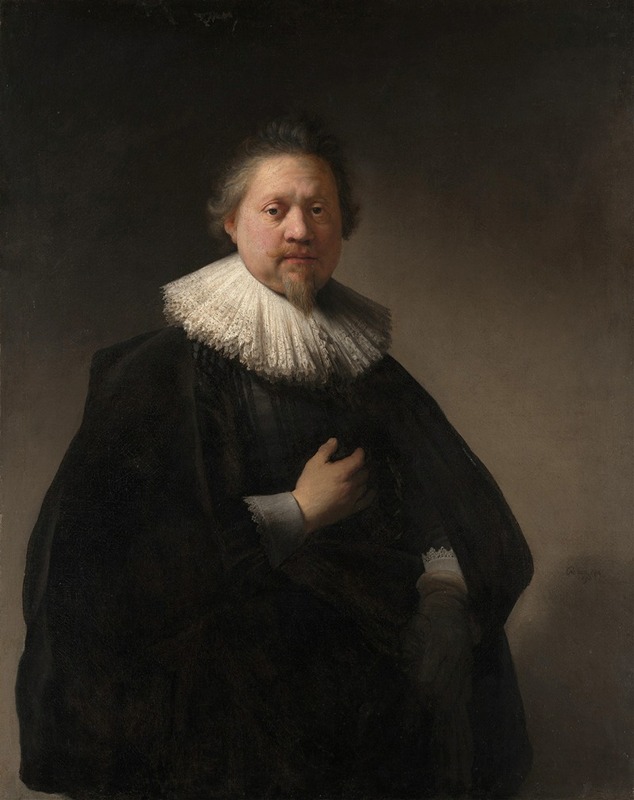
Portrait of a Man
Rembrandt van Rijn
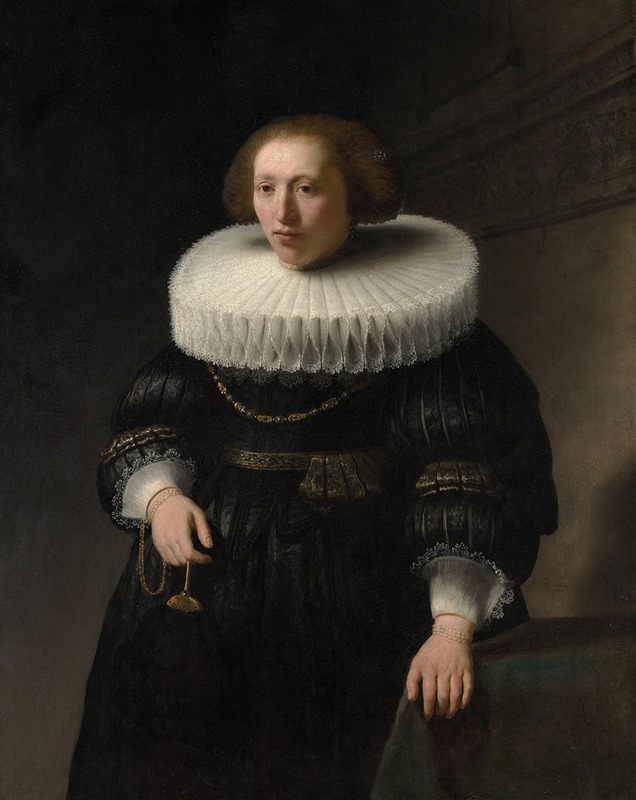
Portrait of a Woman
Rembrandt van Rijn
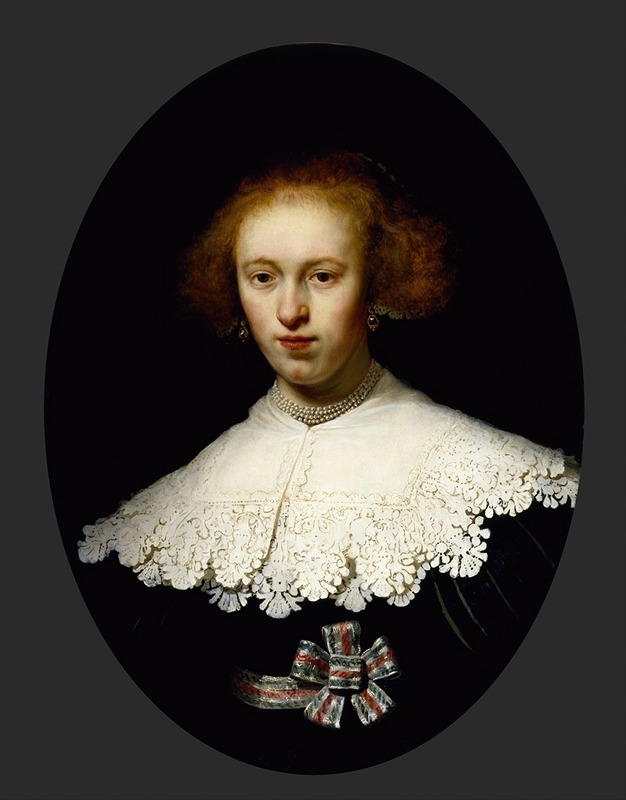
Portrait of a Young Woman
Rembrandt van Rijn
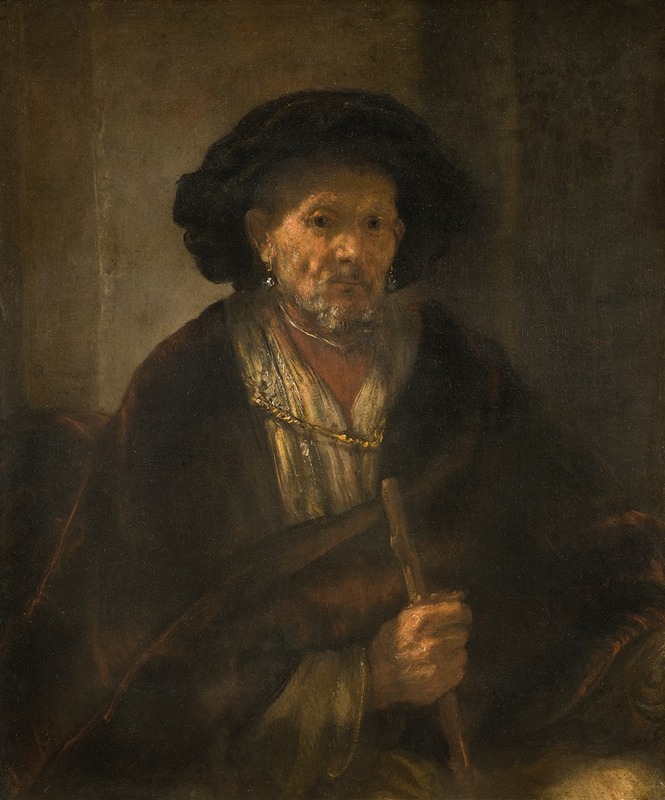
Portrait of an Old Man
Rembrandt van Rijn
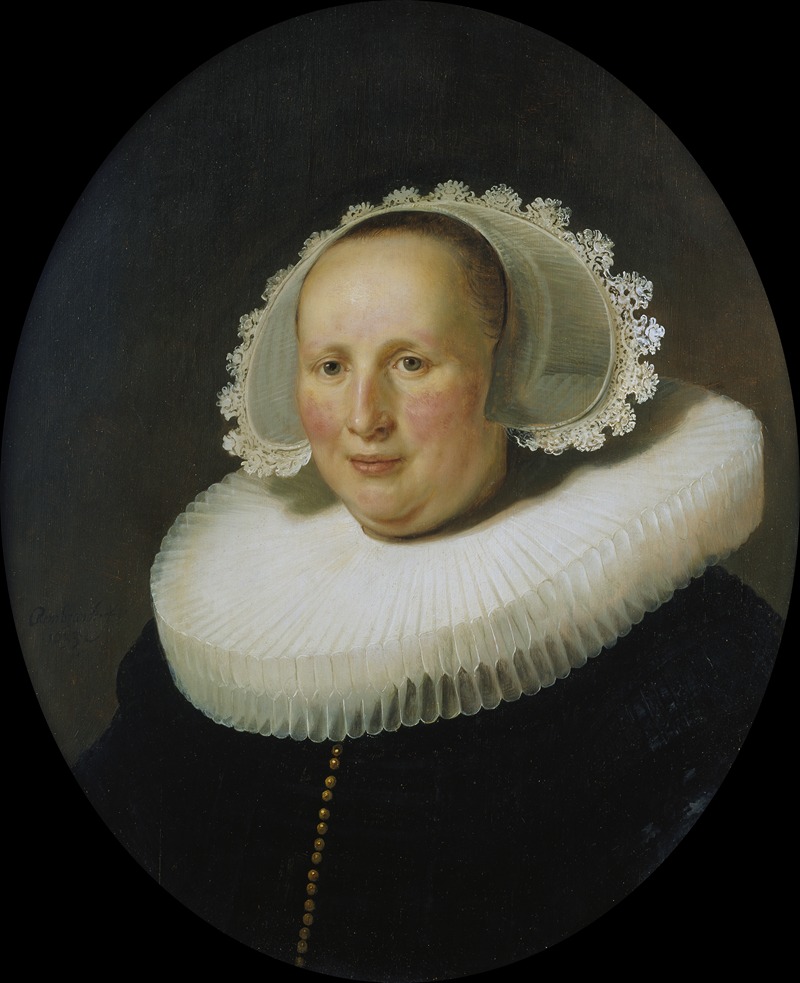
Portrait of Maertgen van Bilderbeecq
Rembrandt van Rijn
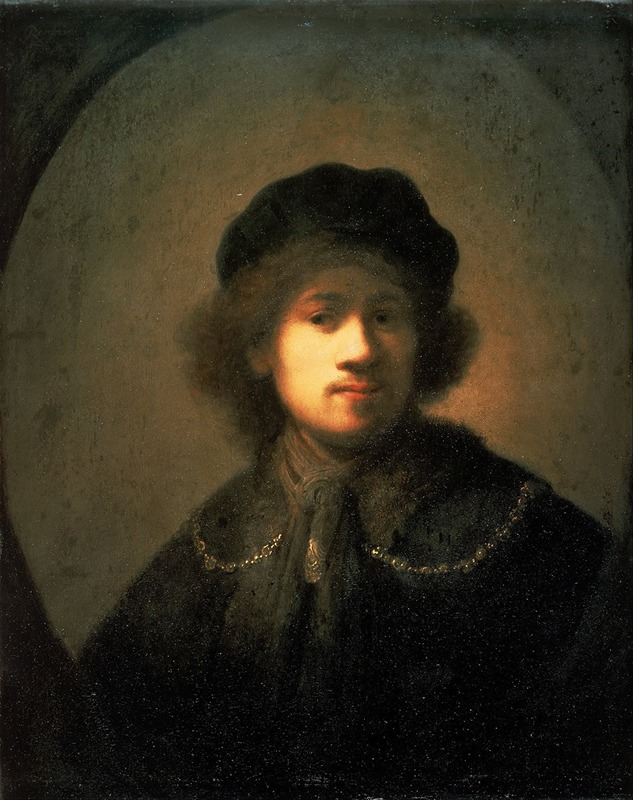
Portrait of the Artist as a Young Man
Rembrandt van Rijn