
Abu Road, maharajah’s house at dusk. From the journey to India — History & Facts
In the interplay of light and shadow, we encounter a moment suspended in time, where the divine seems to linger just beyond the visible. Look to the left side of the canvas, where the warm hues of a setting sun caress the intricate architecture of the maharajah’s house. The golden light dances over the ornate details, highlighting the delicate carvings and vibrant colors that breathe life into this serene evening. Notice how the deepening shadows cast a profound sense of calm, suggesting both the end of day and the promise of night.
The contrasting colors evoke a sense of harmony, inviting the viewer to lose themselves in the tranquil beauty of the scene. Beyond its visual splendor, the painting whispers of a deeper spirituality. The juxtaposition of the warm light against the cooling dusk hints at the transient nature of existence, reflecting the divine that touches the ordinary. Each architectural element becomes a metaphor for the intersection of earthly life and celestial beauty, an invitation to contemplate the sacred in the mundane.
The stillness captured serves as a reminder of the profound peace that can be found when one truly listens to the heartbeat of the world around them. In 1907, while residing in India, Jan Ciągliński painted this work, capturing the essence of a culture steeped in richness and history. This period marked a time when European artists were increasingly drawn to the allure of the East, seeking to explore its landscapes, architecture, and spirituality. Ciągliński’s experience in India profoundly influenced his artistic vision, allowing him to bridge cultural divides through the lens of his brush.
More Artworks by Jan Ciągliński
Browse all →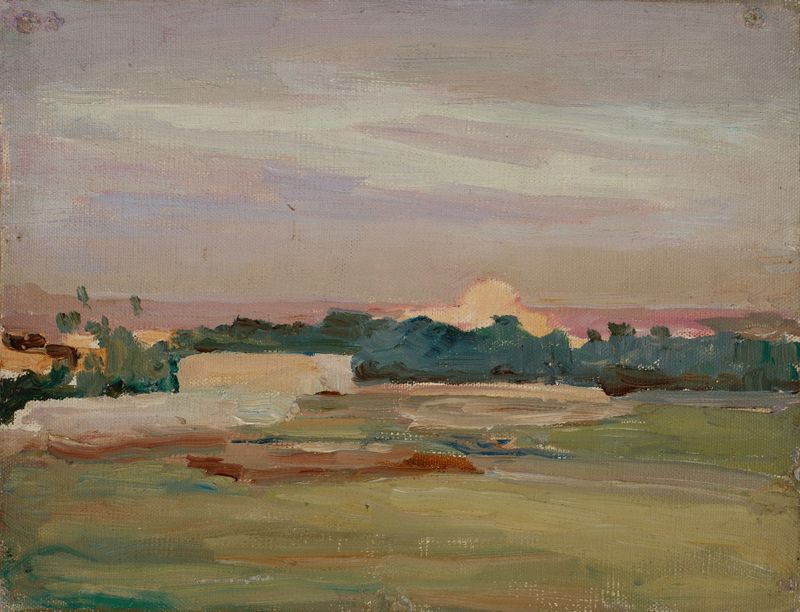
The Sirocco
Jan Ciągliński
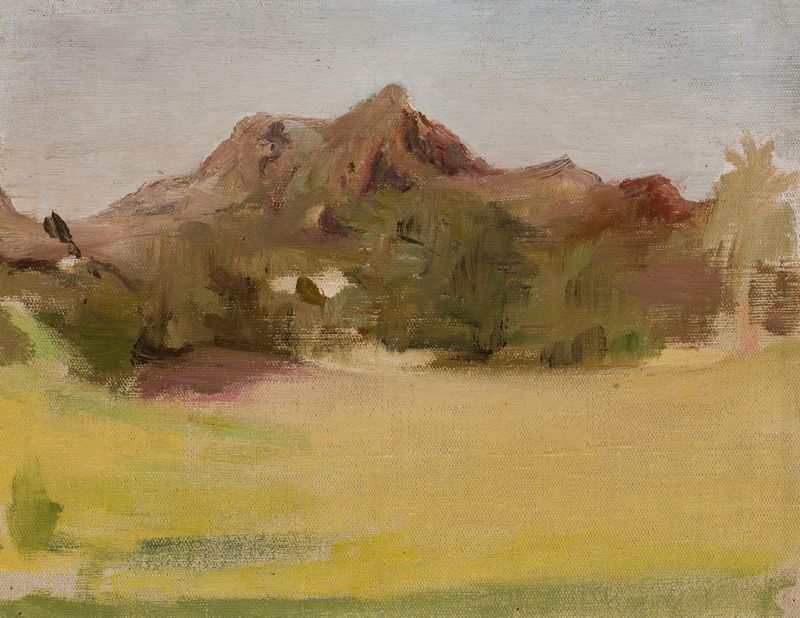
Mountain landscape. From the journey to India
Jan Ciągliński
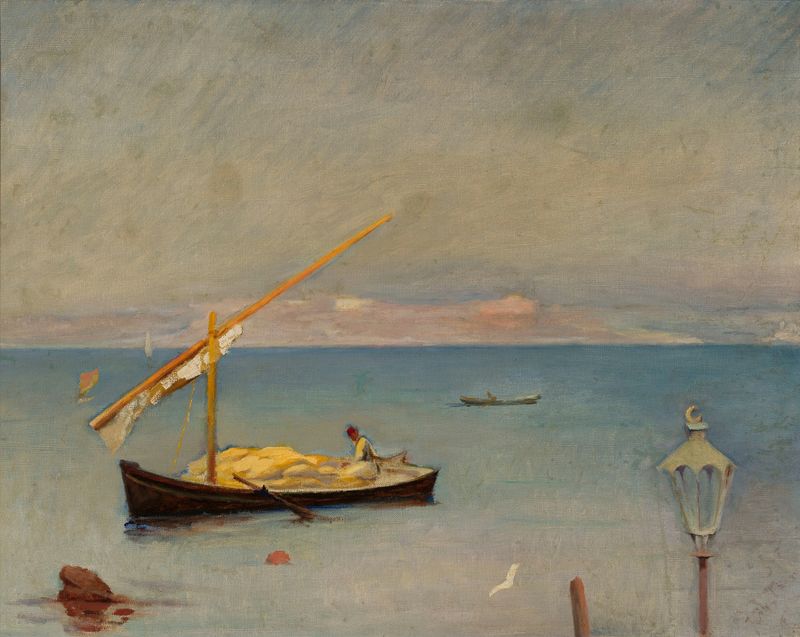
At Bosporus
Jan Ciągliński
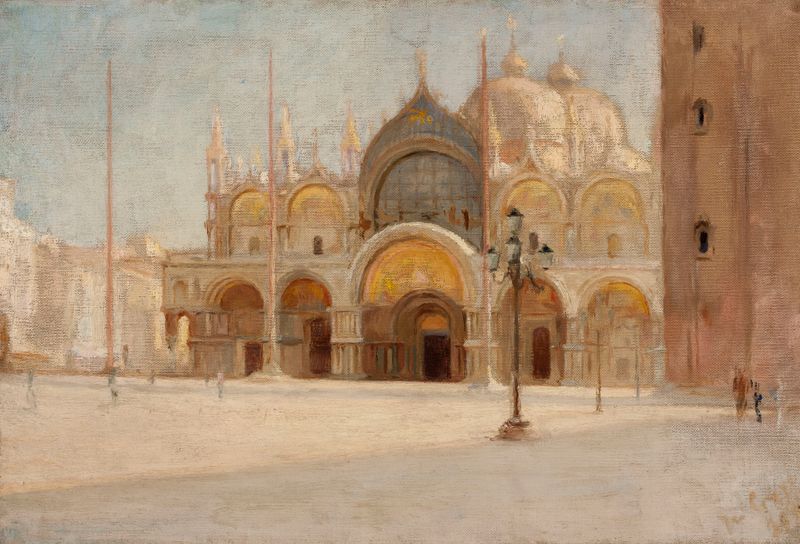
St Mark’s Square in Venice
Jan Ciągliński
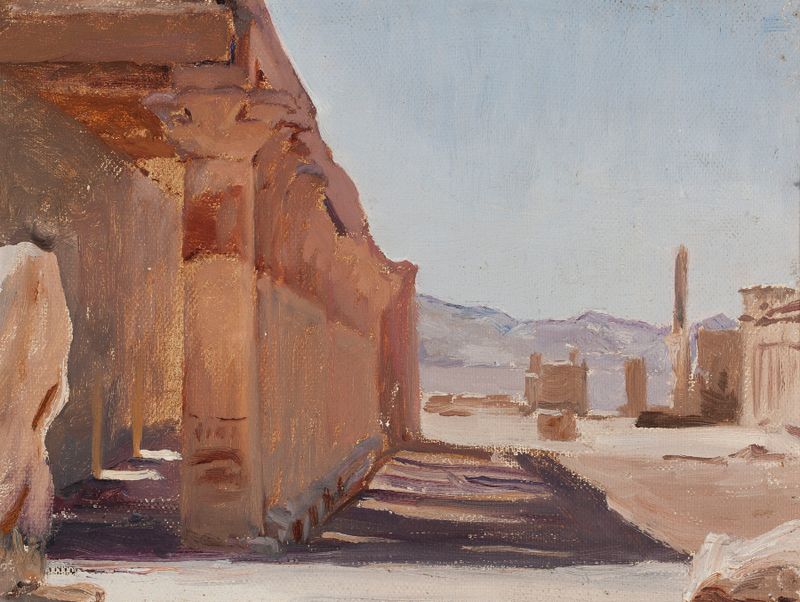
Temple. From the journey to Egypt
Jan Ciągliński
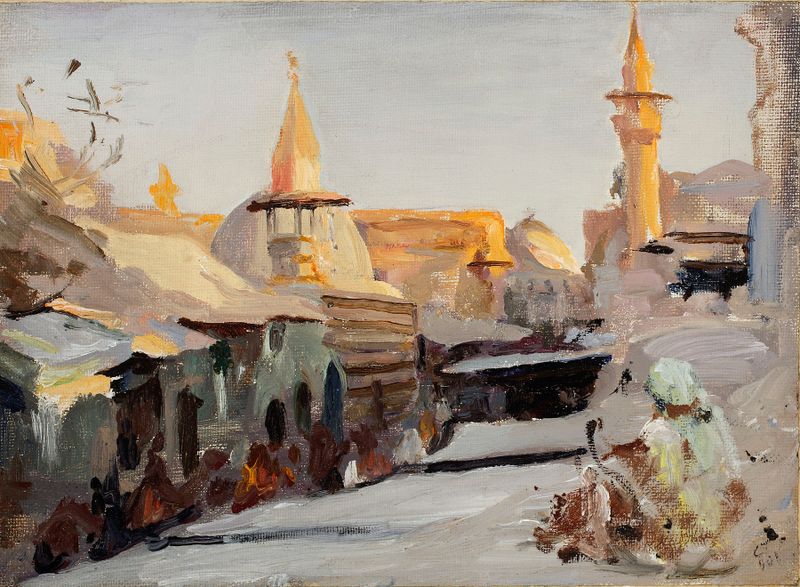
Street in Damascus. From the journey to Palestine
Jan Ciągliński
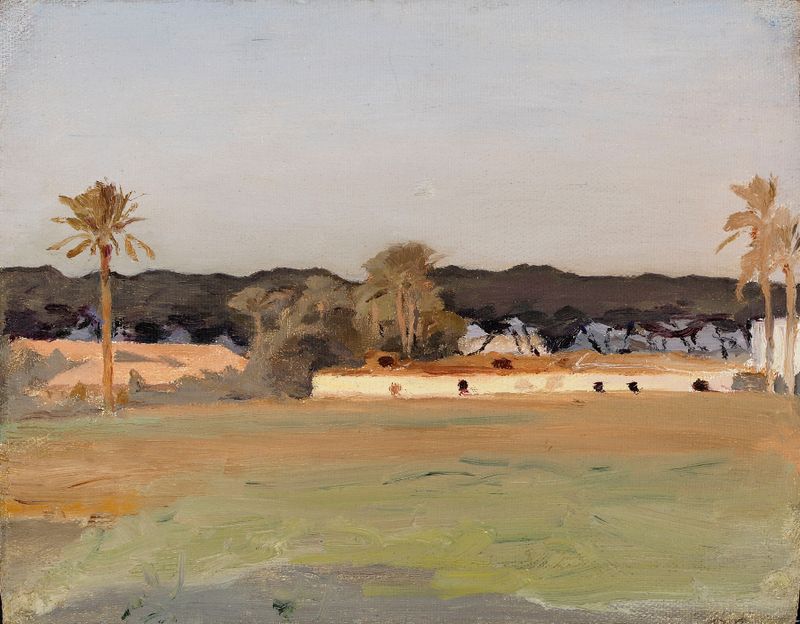
Evening. From the journey to Egypt
Jan Ciągliński
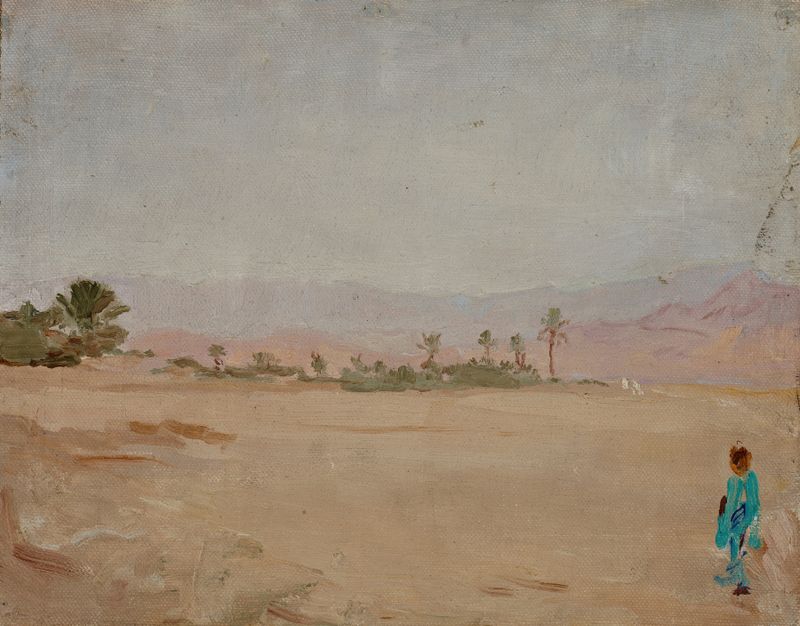
Sahara (Desert)
Jan Ciągliński
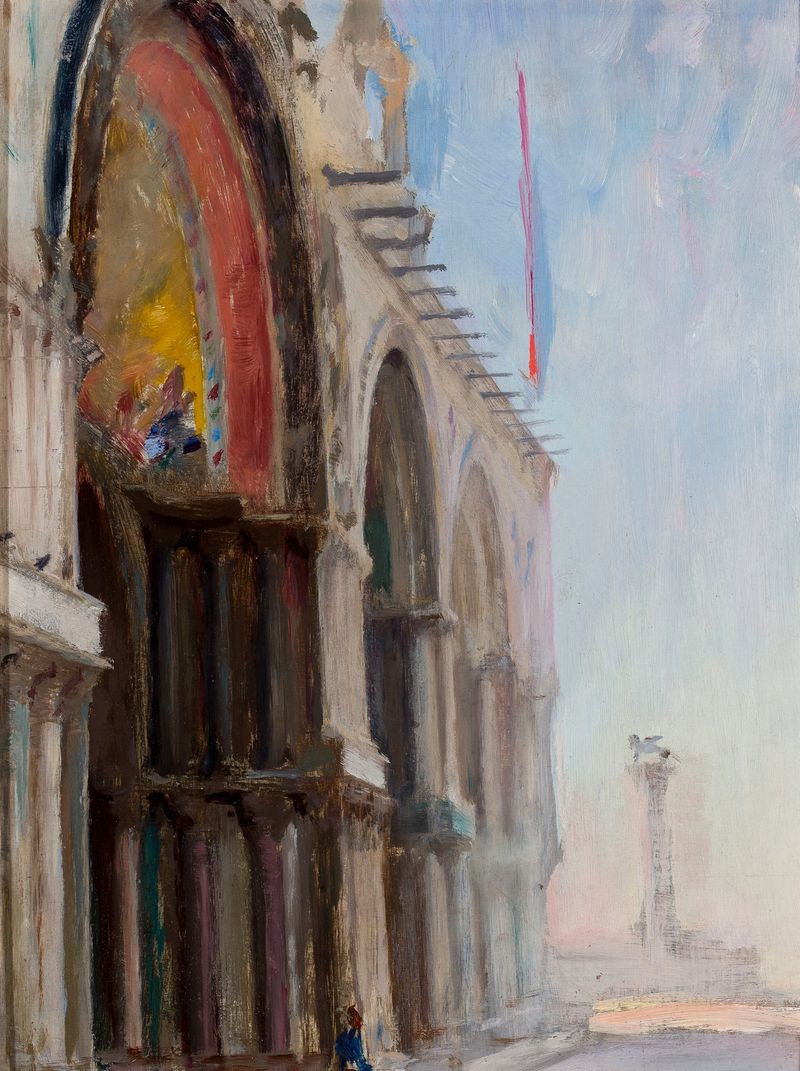
Venice – San Marco. From the journey to Italy
Jan Ciągliński
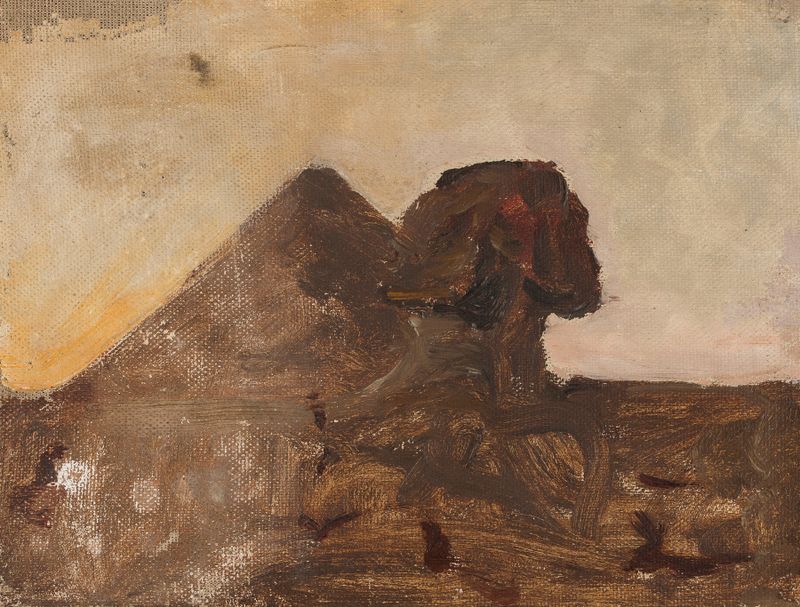
Evening in the desert – Sphinx and pyramid. From the journey to Egypt
Jan Ciągliński
More Architecture Art
Browse all →
The statue of Liberty
Frédéric Auguste Bartholdi

View of Houses in Delft, Known as ‘The Little Street’
Johannes Vermeer

View of Houses in Delft, Known as ‘The Little Street’
Johannes Vermeer

The Cathedral in Rouen. The portal, Grey Weather
Claude Monet

The yellow house
Vincent van Gogh

The Church in Auvers-sur-Oise, View from the Chevet
Vincent van Gogh