
Achille Lauge Portrait — History & Facts
A figure sits quietly at the edge of a sunlit garden, her form rendered in a mosaic of tiny, deliberate touches that seem to shimmer between presence and memory. The eye is drawn first to her face, half-shadowed, half-illuminated, as if she is caught between the interior hush and the bright, blooming world beyond. The flowers behind her—tall hollyhocks, perhaps—rise in rhythmic rows, their reds and pinks punctuating the gentle greens and golds of the landscape.
The brushwork, meticulous and patterned, guides the viewer’s gaze across the canvas, from the strong vertical of the staff in her hand to the soft horizon where trees dissolve into fields. The palette, restrained yet vibrant, sets a mood of quiet contemplation, the kind that lingers long after you look away. Painted in 1899, this portrait by Achille Laugé belongs to a world on the cusp of modernity, when artists in France were experimenting with new ways to see and record light. The technique—pointillism or divisionism—was championed by painters seeking to break free from the old academic formulas, favoring instead a scientific approach to color and perception.
Portraits like this were often intimate, created for family or close friends, and rarely intended for grand public display. History has kept few traces of this particular work beyond its date and subject, but its presence in a contemporary collection reminds us how even quiet, domestic scenes could become sites of artistic revolution. Stand before it, and let your eye wander from the sitter’s steady gaze to the fields beyond, tracing the patient labor of both artist and subject.
More Artworks by Achille Laugé

Ruelle au balcon fleuri
Achille Laugé
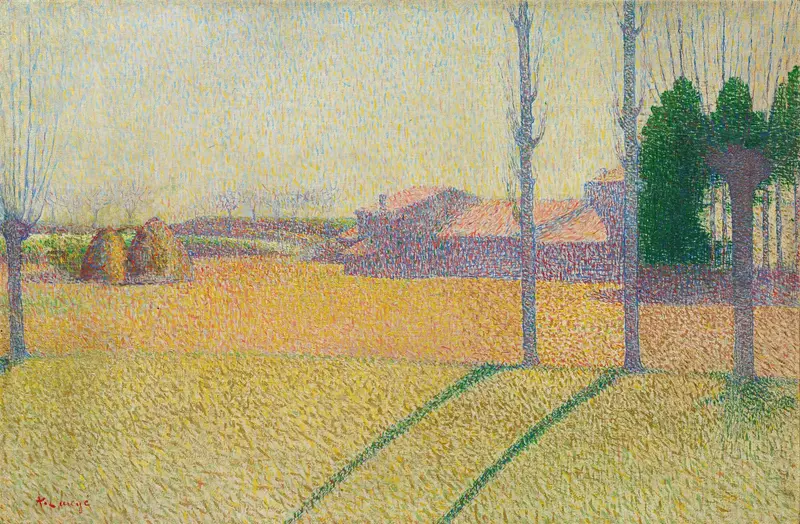
L’hort À Cailhau
Achille Laugé
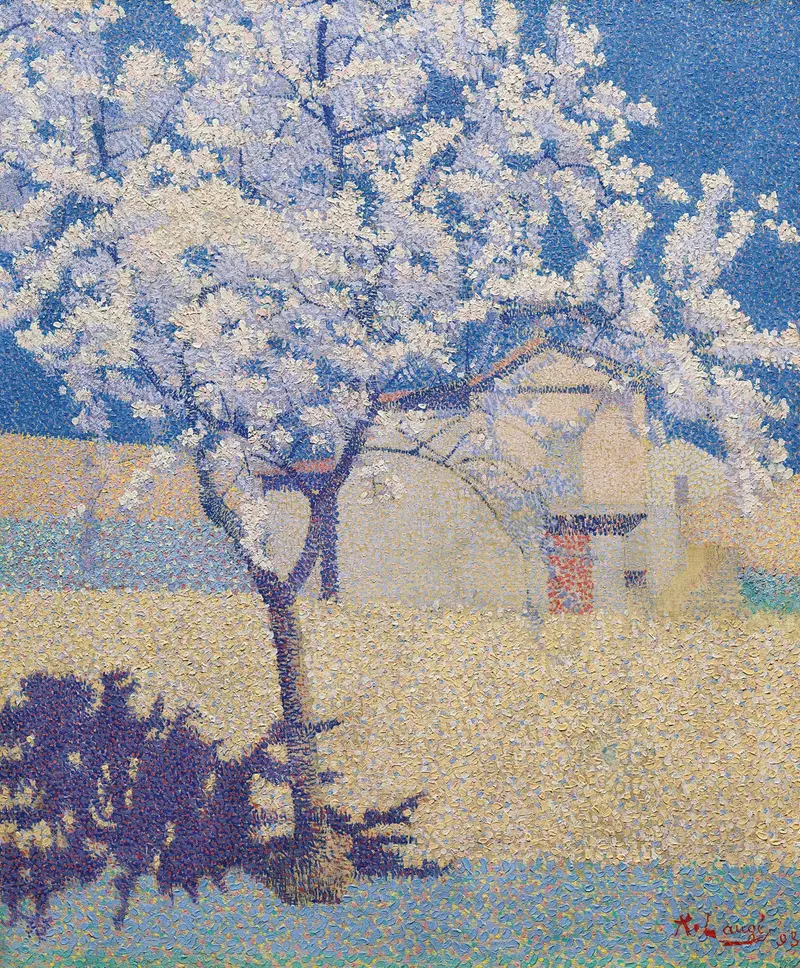
L’Arbre En Fleur
Achille Laugé
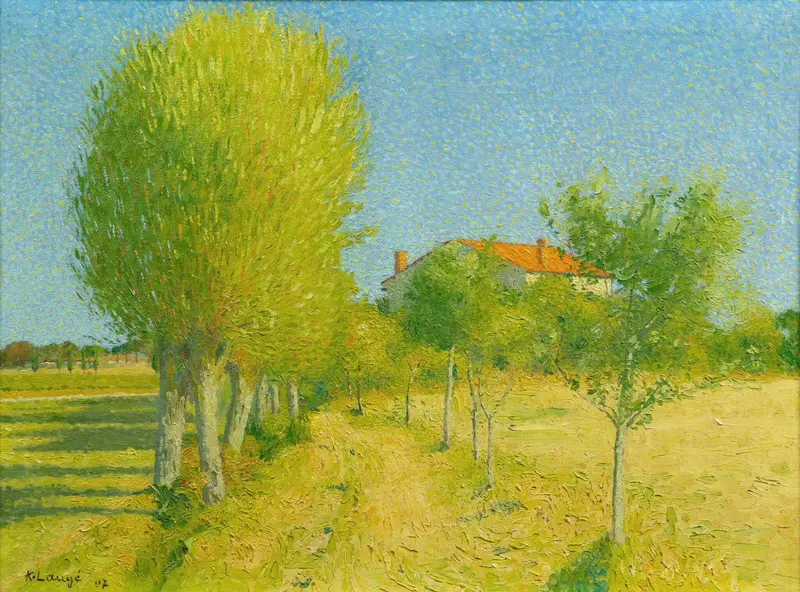
L’allée de saules derrière l’Alouette à Cailhau
Achille Laugé
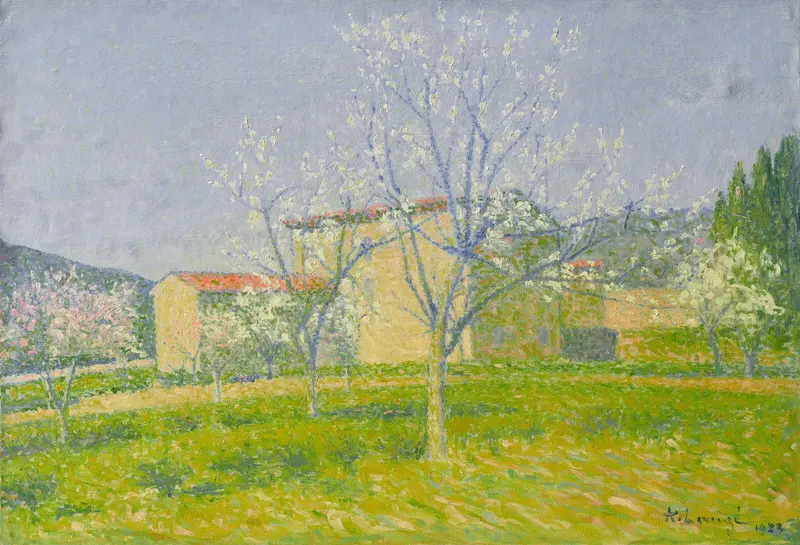
Verger en fleurs à Alet-les-Bains (Aude)
Achille Laugé
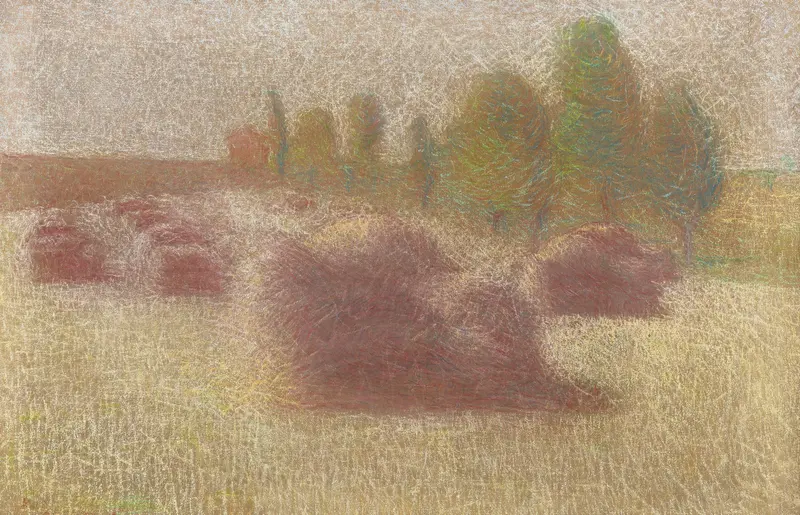
Les Gerbes
Achille Laugé
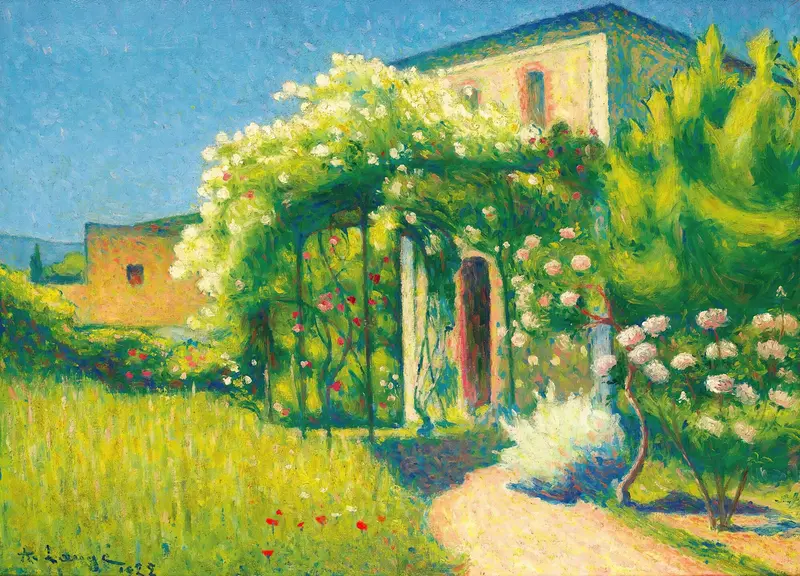
L’Atelier À Alet-Les-Bains
Achille Laugé
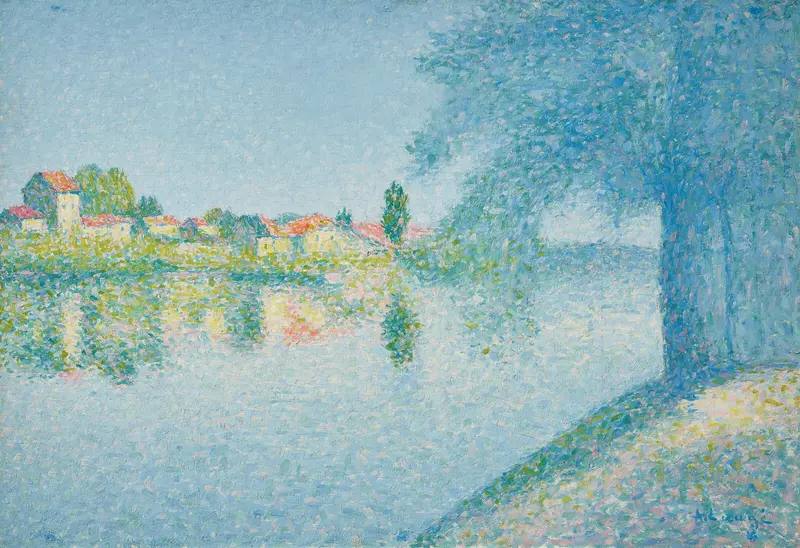
Vue des quais de la Garonne
Achille Laugé
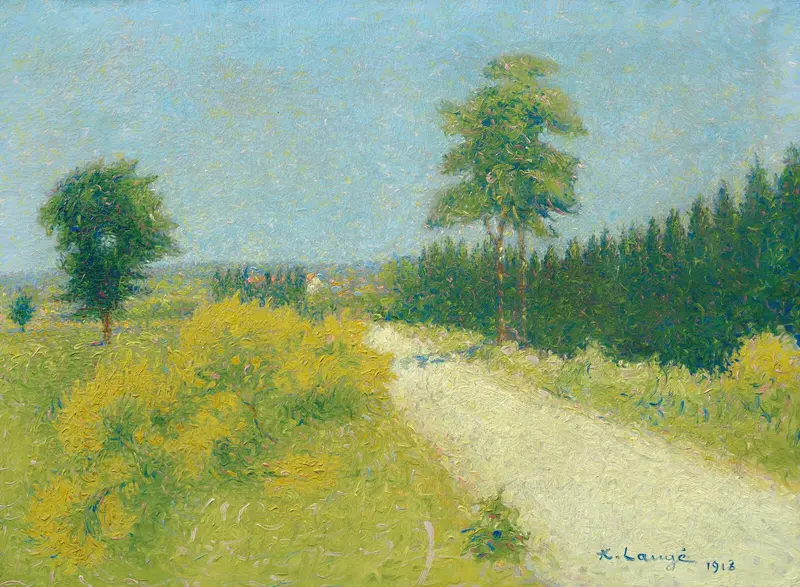
La route de Belvèze vers le relais
Achille Laugé
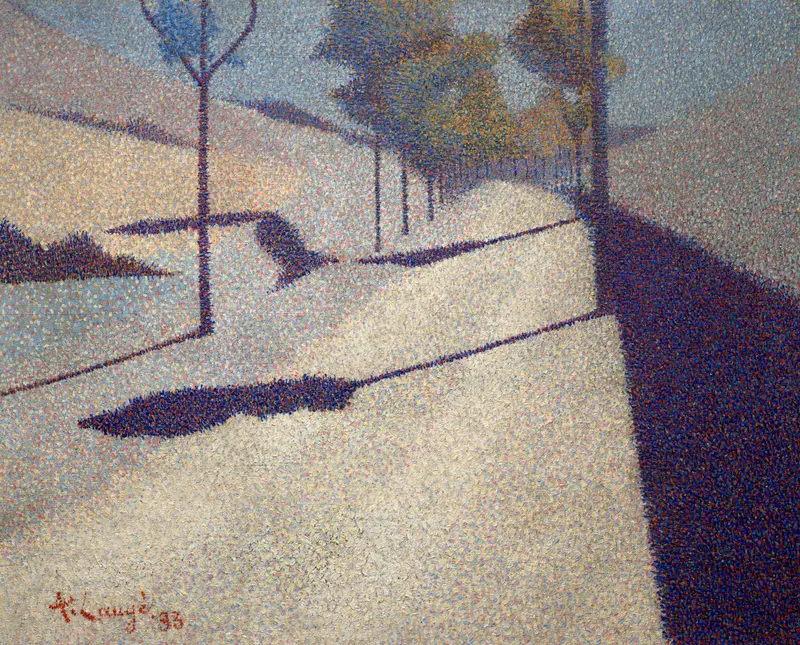
La route (The Road)
Achille Laugé





