
Achterhuizen van de Doelenstraat te Amsterdam — History & Facts
Is this a mirror — or a memory? In Achterhuizen van de Doelenstraat te Amsterdam, the boundaries blur between reality and the fragments of the past, crafting an atmosphere that feels both familiar and unsettling. Look to the left, where muted tones of ochre and faded greens bring life to the quaint facades of Amsterdam's houses. The narrow alleyways stretch into the distance, inviting the viewer to wander through a labyrinth of shadows and light. Notice how the brushstrokes seem to dance across the canvas, as if echoing whispers of those who once inhabited these spaces, each stroke laden with the weight of untold stories. Beneath the surface, madness lurks in the interplay of clarity and distortion.
The juxtaposition of ordered lines and the disarray of color evokes a tension between serenity and chaos, mirroring the psychological state of a city steeped in both beauty and turmoil. These houses, with their crooked angles, suggest a world on the edge, where memories clash with reality, prompting questions about what is truly perceived and what is merely imagined. Wenckebach painted this work in the 20th century during a time when Dutch art was exploring new paths amid the tensions of modernity. The post-war period influenced many artists to grapple with the remnants of their environment, capturing both the charm of their surroundings and the underlying disquiet that came with them.
This was a time of reflection, and Wenckebach’s exploration of urban life speaks to a collective search for meaning in the aftermath of change.
More Artworks by Willem Wenckebach
Browse all →
Bakkersgang te Amsterdam
Willem Wenckebach

Oude huizen aan het Markenplein te Amsterdam
Willem Wenckebach

Oude huizen aan het Waterlooplein te Amsterdam
Willem Wenckebach
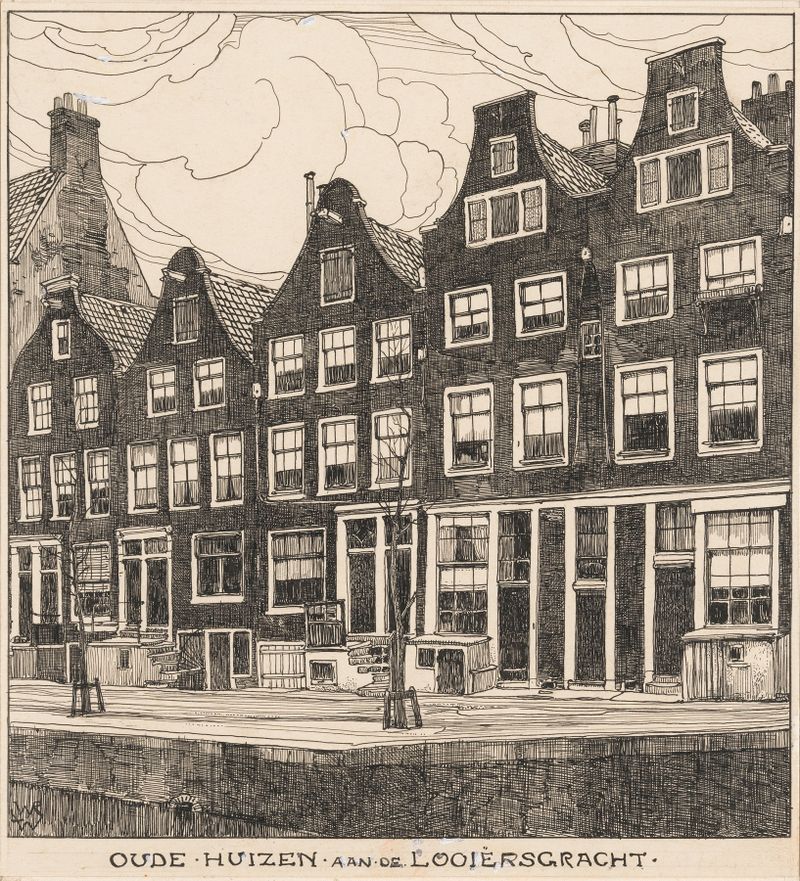
Oude huizen aan de Looiersgracht te Amsterdam
Willem Wenckebach
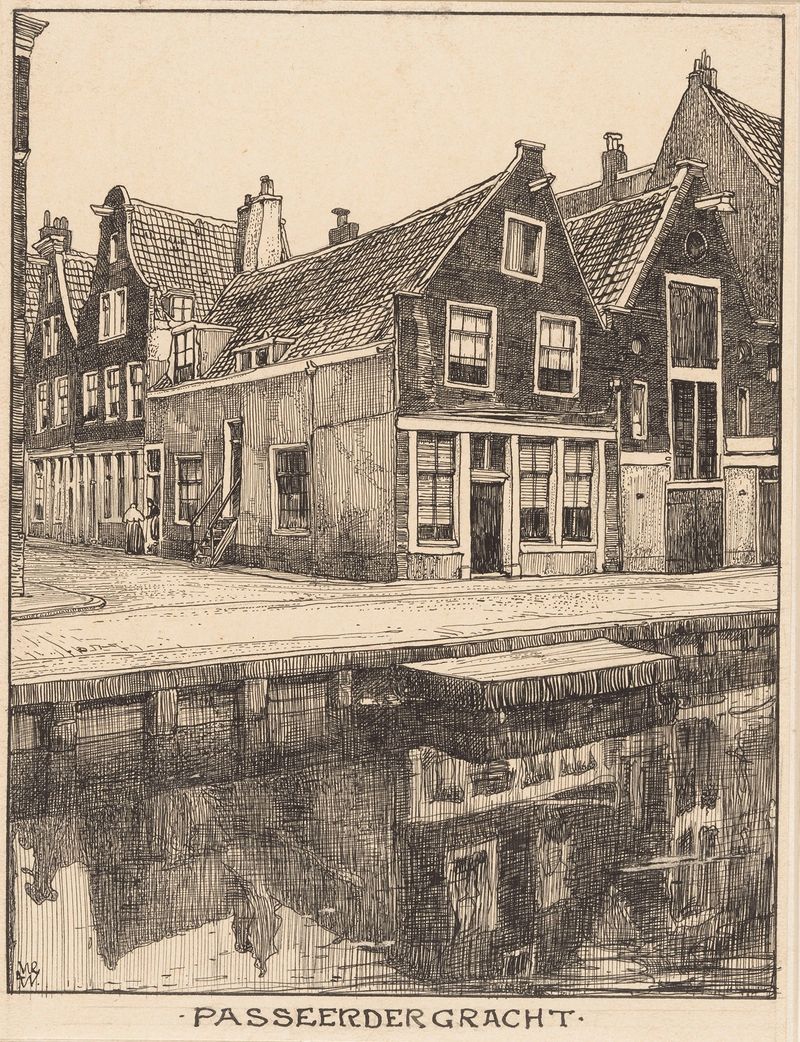
Passeerder Gracht te Amsterdam
Willem Wenckebach
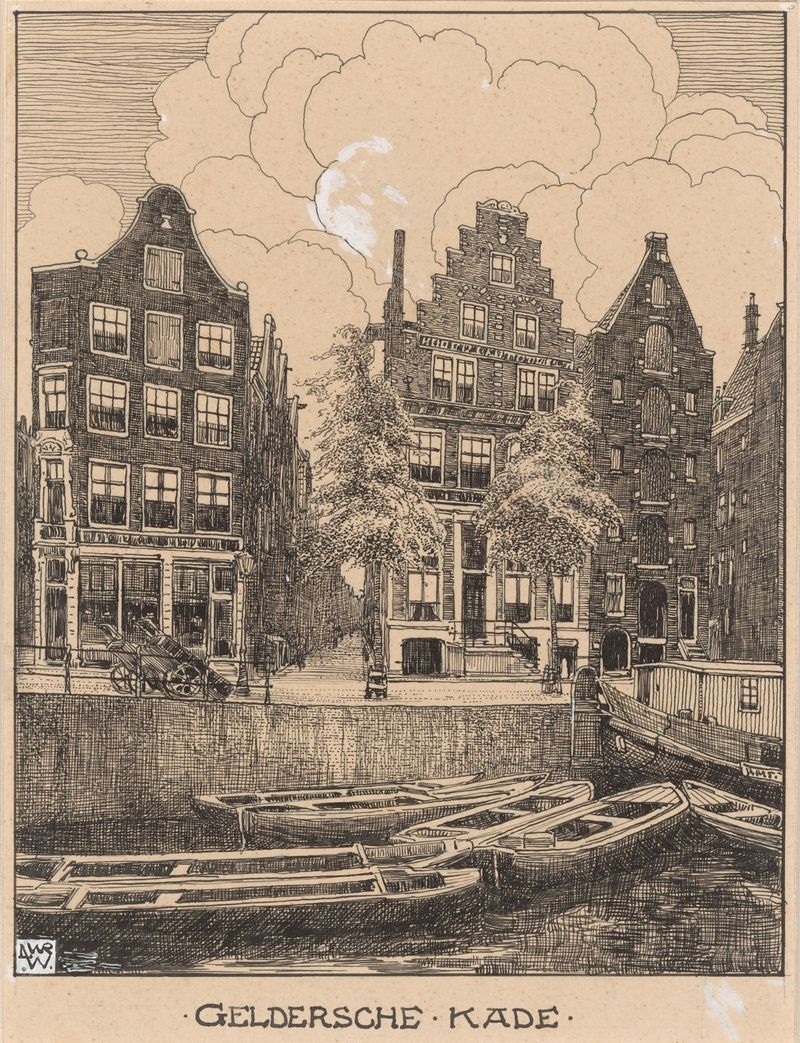
De Gelderse Kade te Amsterdam
Willem Wenckebach
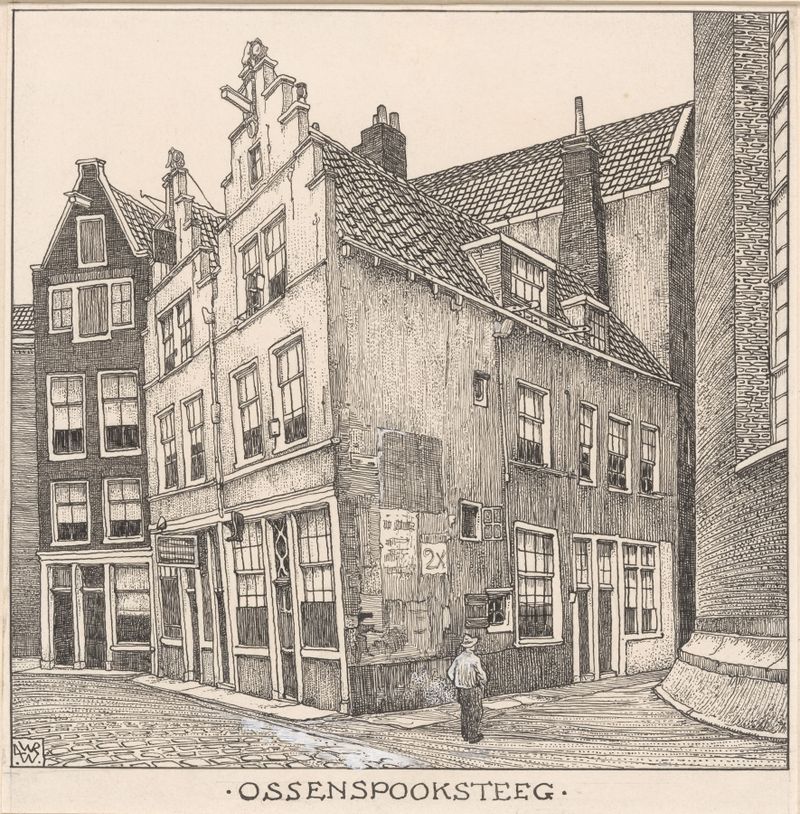
De Ossenspooksteeg te Amsterdam
Willem Wenckebach

Het Beurspleintje te Amsterdam
Willem Wenckebach
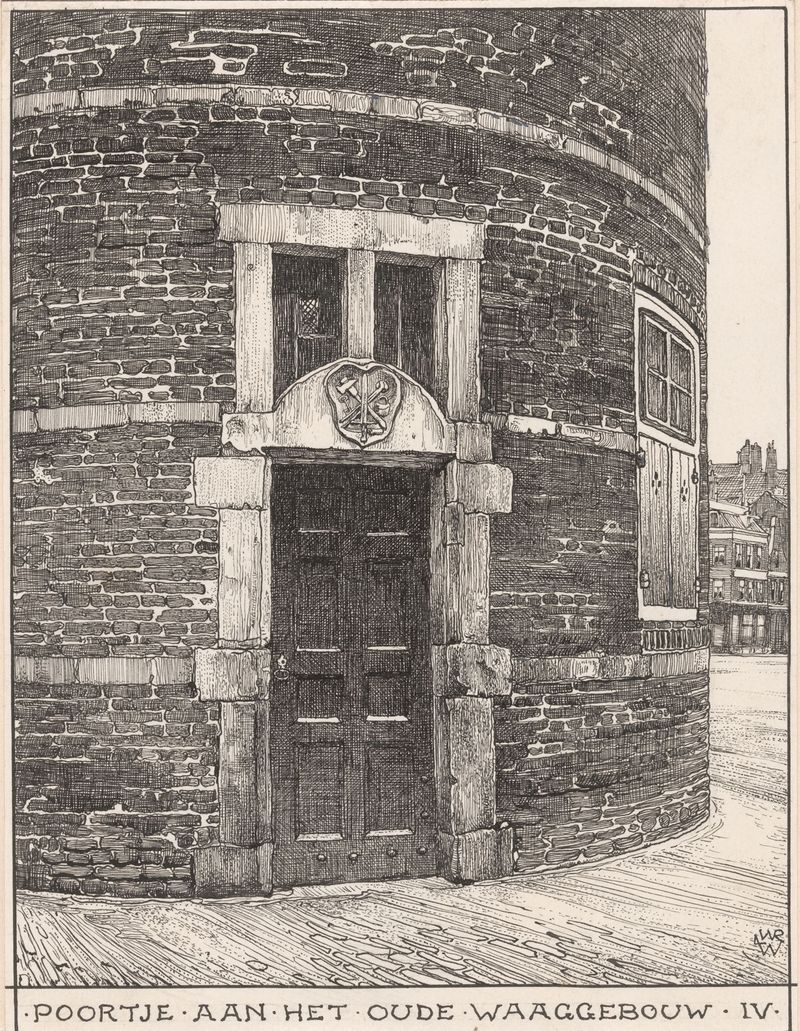
Poortje aan het oude Waaggebouw te Amsterdam
Willem Wenckebach

Torensluis te Amsterdam
Willem Wenckebach
More Architecture Art
Browse all →
The statue of Liberty
Frédéric Auguste Bartholdi

View of Houses in Delft, Known as ‘The Little Street’
Johannes Vermeer

View of Houses in Delft, Known as ‘The Little Street’
Johannes Vermeer

The Cathedral in Rouen. The portal, Grey Weather
Claude Monet

The yellow house
Vincent van Gogh

The Church in Auvers-sur-Oise, View from the Chevet
Vincent van Gogh