Passeerder Gracht te Amsterdam — History & Analysis
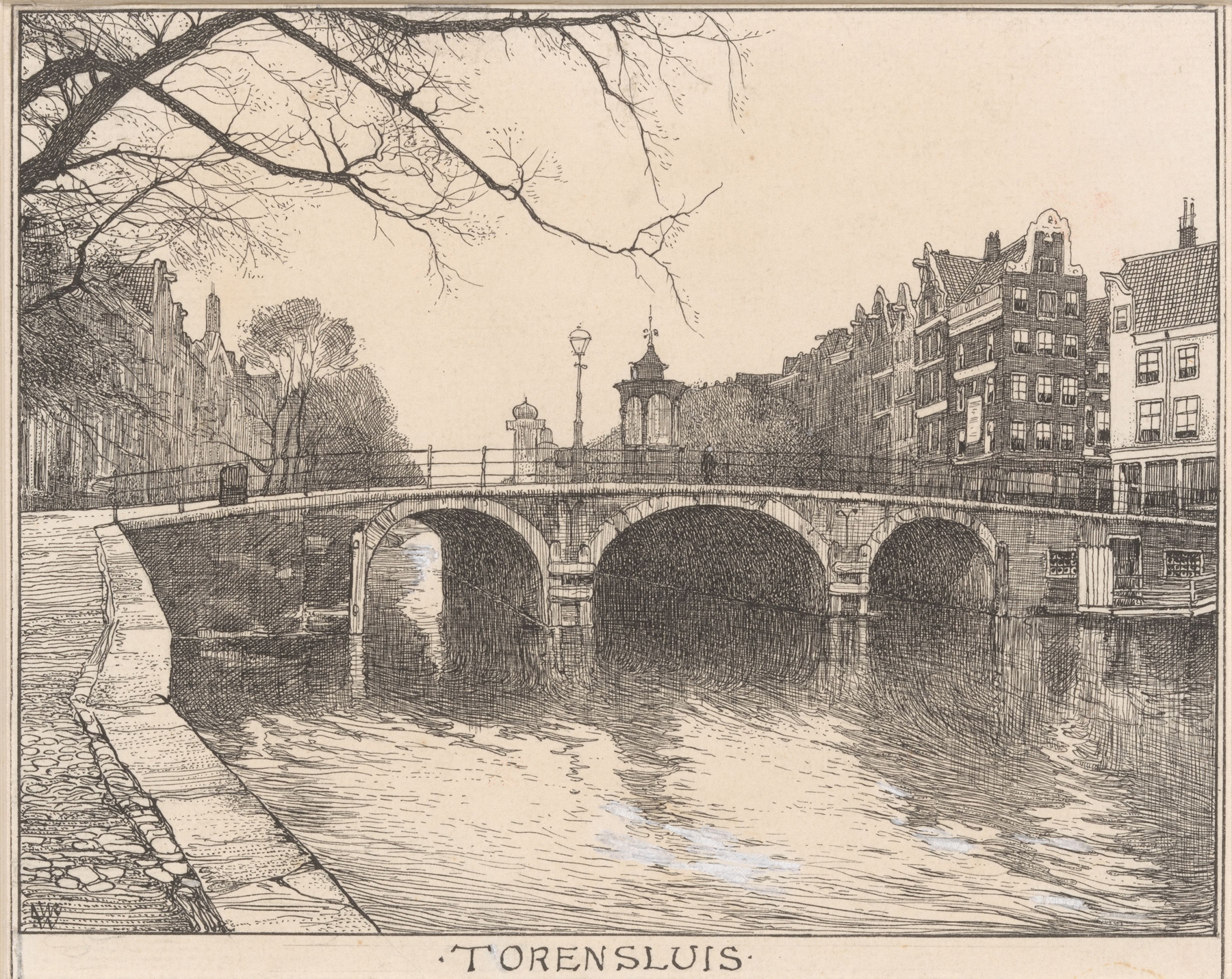
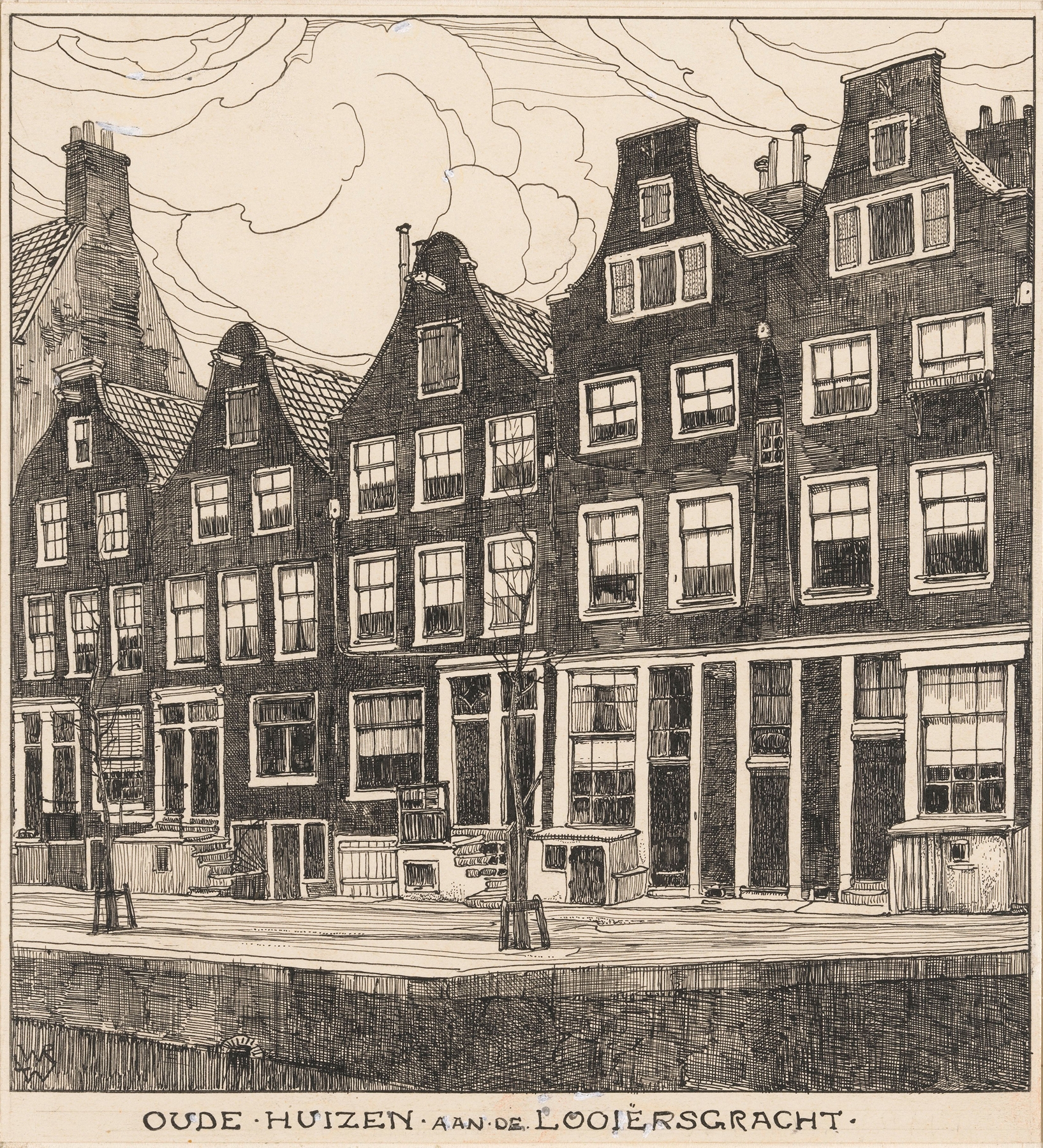
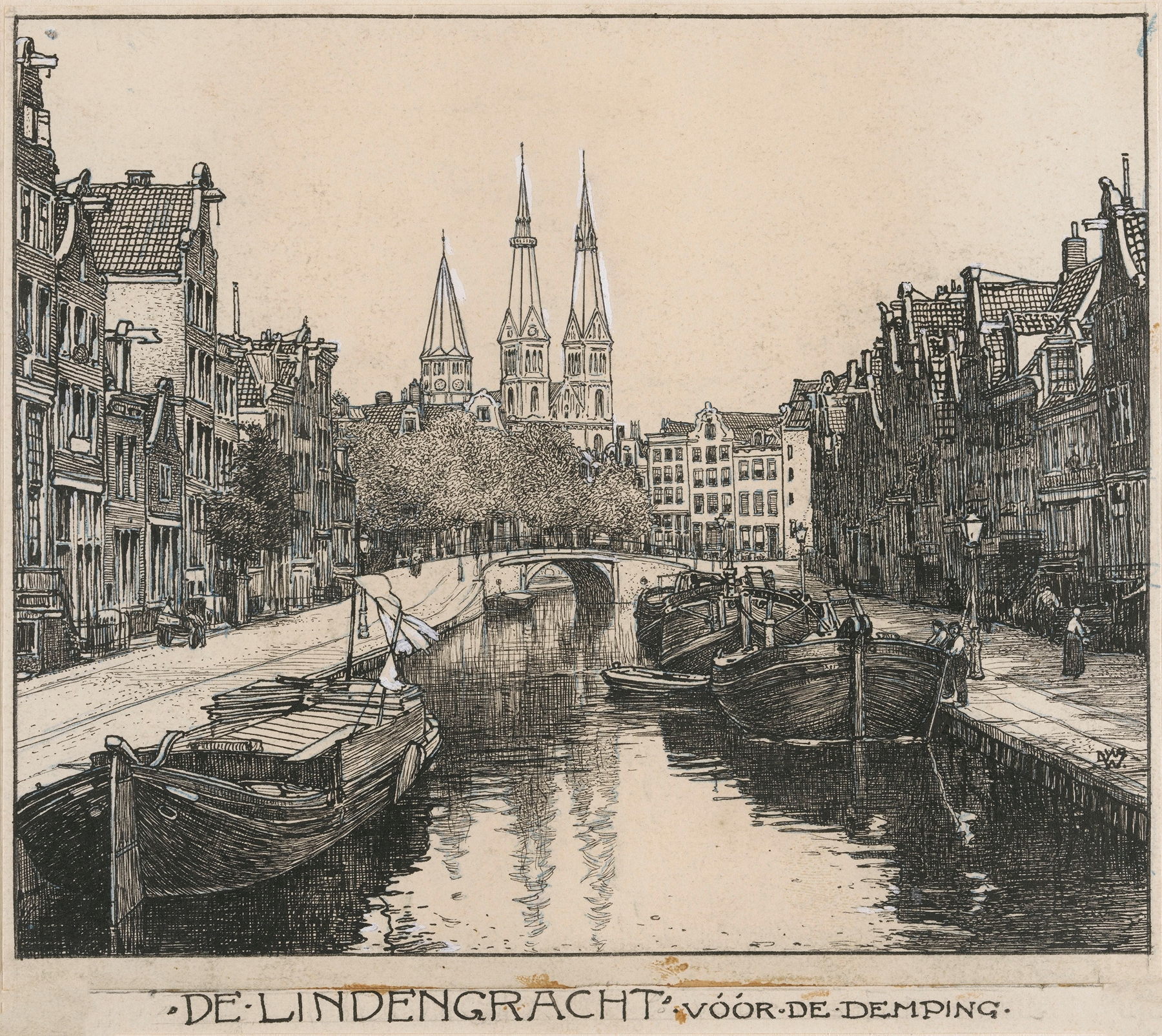
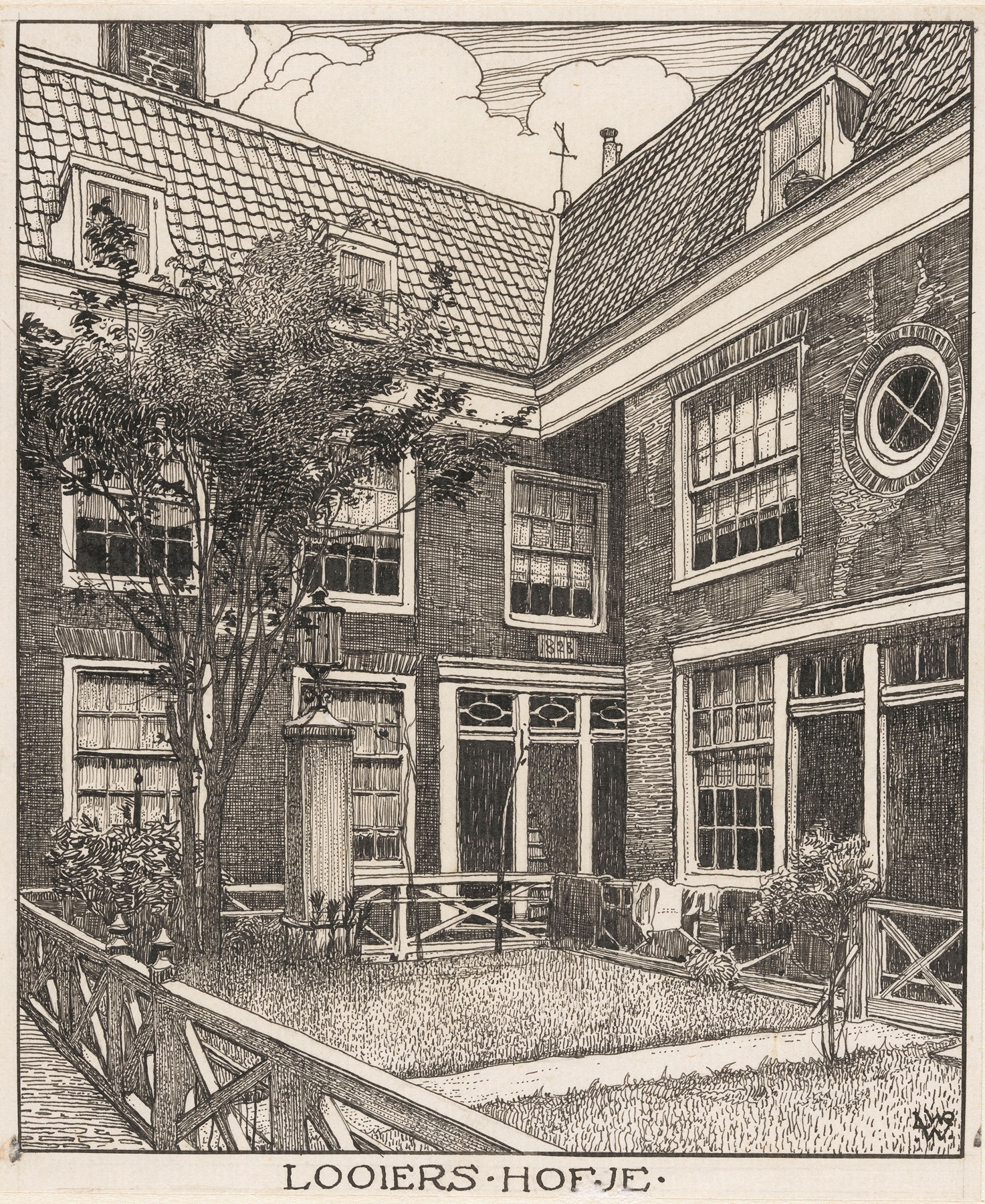
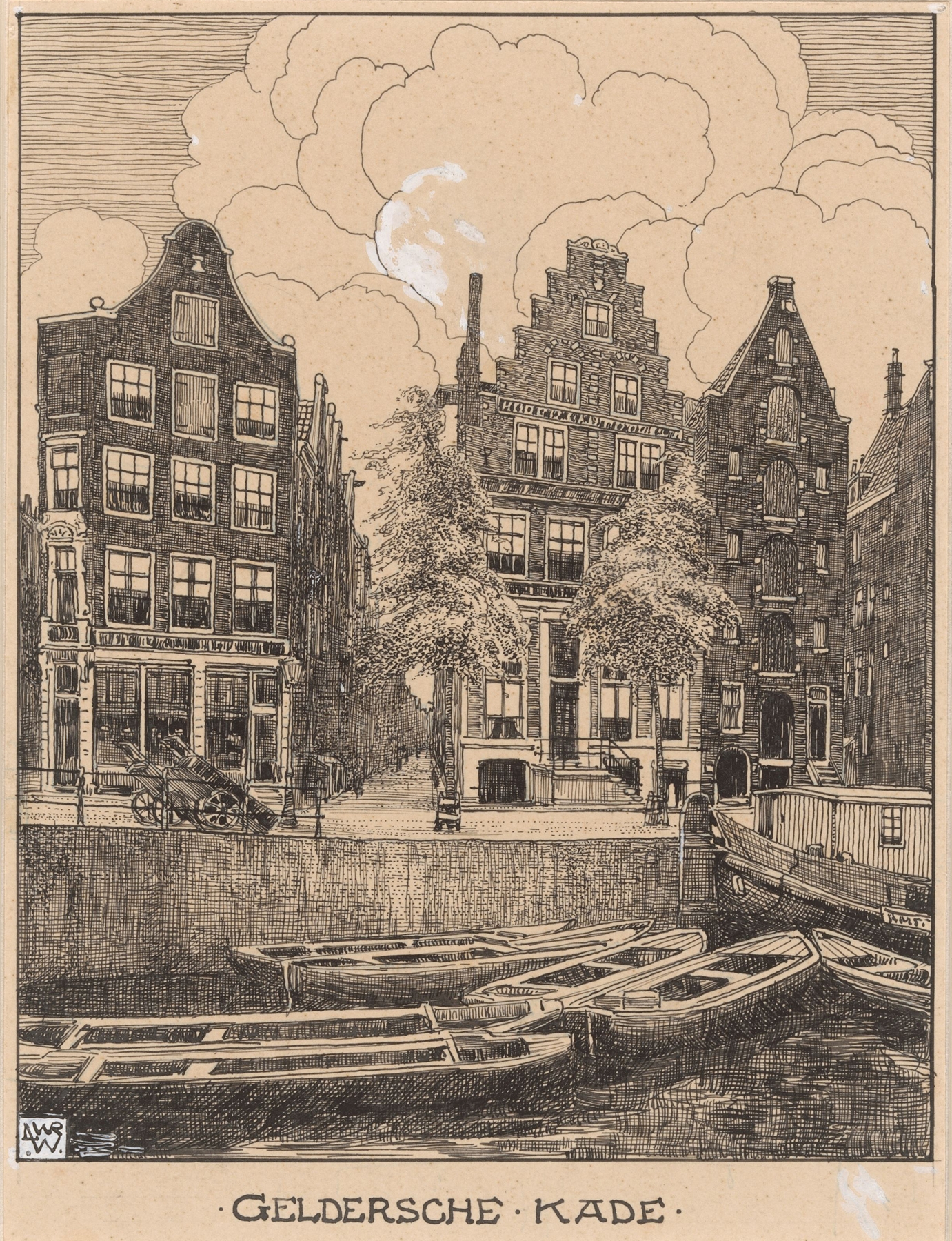
Can beauty exist without sorrow? In the delicate interplay of light and shadow, this question resonates through the canvas, inviting contemplation of balance in all its forms. Focus on the serene waterway that smoothly bisects the composition, its surface glistening under the gentle touch of sunlight. To the right, a row of stately trees frames the scene, their green leaves whispering secrets of life and growth.
Notice how the muted tones of the buildings contrast with the vibrant hues of nature, grounding the composition in a poignant harmony that captures the essence of Amsterdam’s urban landscape. As you explore further, small details emerge: a solitary figure walking along the canal, their silhouette hinting at both solitude and connection. The juxtaposition of architectural rigidity and the fluidity of nature illustrates a deeper emotional tension, suggesting that within the beauty of daily life lies an undercurrent of melancholy. Each element plays a role in creating a narrative that balances joy and reflection, urging viewers to find solace in their own experiences.
Wenckebach painted this scene in the 20th century, a period marked by both innovation and turmoil in the art world. Living in Amsterdam, he was influenced by the vibrancy of his surroundings and the evolving modernist style, which sought to capture not just the physical world but the emotional landscapes of its inhabitants. His work reflects a keen awareness of the balance between joy and sorrow, a theme that resonates deeply in the context of his time.