
Adoration of the Shepherds — History & Facts
In a dimly lit stable, the gentle glow of an oil lamp casts flickering shadows against the rough wooden beams. Shepherds gather, their weathered faces reflecting awe and reverence, as they kneel before the newborn child cradled in Mary’s arms. The air is thick with an unspoken tenderness, the moment encapsulated in a fragile silence that feels almost sacred. Look to the right at the shepherd with the woolen cloak draped over his shoulder, his hands clasped in prayer.
Notice how the light falls upon the child’s face, illuminating the innocence and purity in stark contrast to the rustic surroundings. The muted earth tones of the stable juxtapose with the soft, glowing skin of the infant, while Mary's serene expression embodies a deep, maternal peace, grounding the entire scene. The painting tells a story of humility and divine grace, capturing the fragile intersection between the mundane and the miraculous. The shepherds, ordinary men, symbolize the everyman, drawn to witness a celestial event; their rough hands and calloused skin hint at a life of toil, yet they exhibit a vulnerability reserved for sacred moments.
This juxtaposition of ruggedness and tenderness deepens the emotional resonance, inviting viewers to reflect on their own fragility in the face of the divine. Created around 1490, this work emanates from the late Gothic period, a time when religious themes dominated European art. The artist, whose identity remains unknown, captured a moment of profound faith amidst a world undergoing significant change. The era saw the rise of humanism, hinting at a shift in spiritual expression, and this piece resonates with the yearning for connection between the divine and the ordinary, a theme that would continue to evolve in the Renaissance.
More Artworks by Unidentified artist
Browse all →
Self-portrait with a Bandaged Ear and Pipe
Unidentified artist

Feast in the House of Levi
Unidentified artist
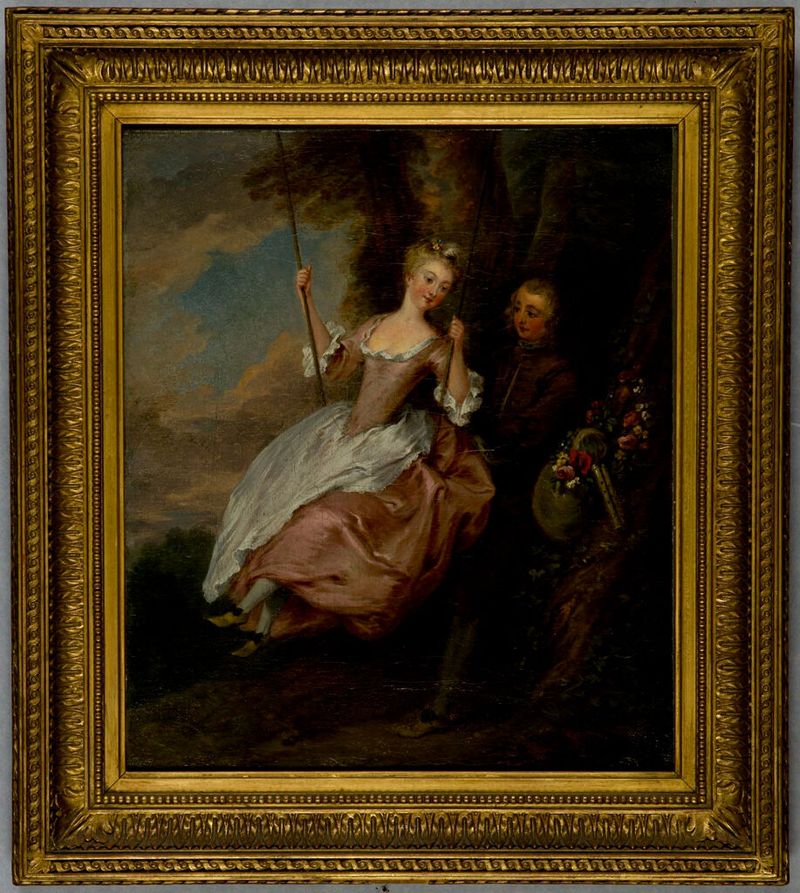
The Swing
Unidentified artist

Geoffrey Chaucer (1340?-1400)
Unidentified artist

Portrait of Michelangelo after the "Strozzi" original in the Uffizi Gallery
Unidentified artist
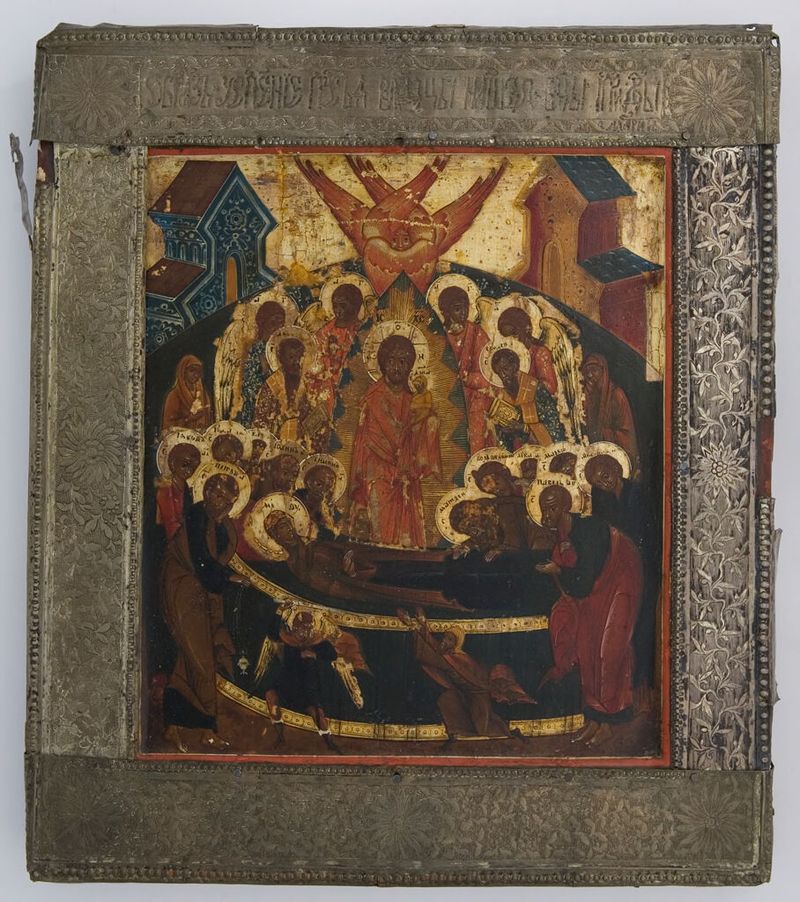
Dormition of the Virgin
Unidentified artist

Charles I (after a van Dyck painting in the Staatliche Museen, Gemaldegalerie, Dresden)
Unidentified artist

Madonna and Child
Unidentified artist

John Winthrop, the Younger (1606-1676)
Unidentified artist

Crucifix with the Virgin and Saint John the Evangelist, Christ the Redeemer, and a Praying Woman
Unidentified artist
More Religious Art
Browse all →
The Return of the Prodigal Son
Rembrandt van Rijn

The Garden of Earthly Delights
El Bosco

Count Orgaz’ funeral
El Greco

The Hundred Guilder Print: the central piece with Christ preaching, the plate arched
Rembrandt van Rijn

The Descent from the Cross
Rogier van der Weyden

The return of the prodigal son
Rembrandt van Rijn