
After The Harvest — History & Facts
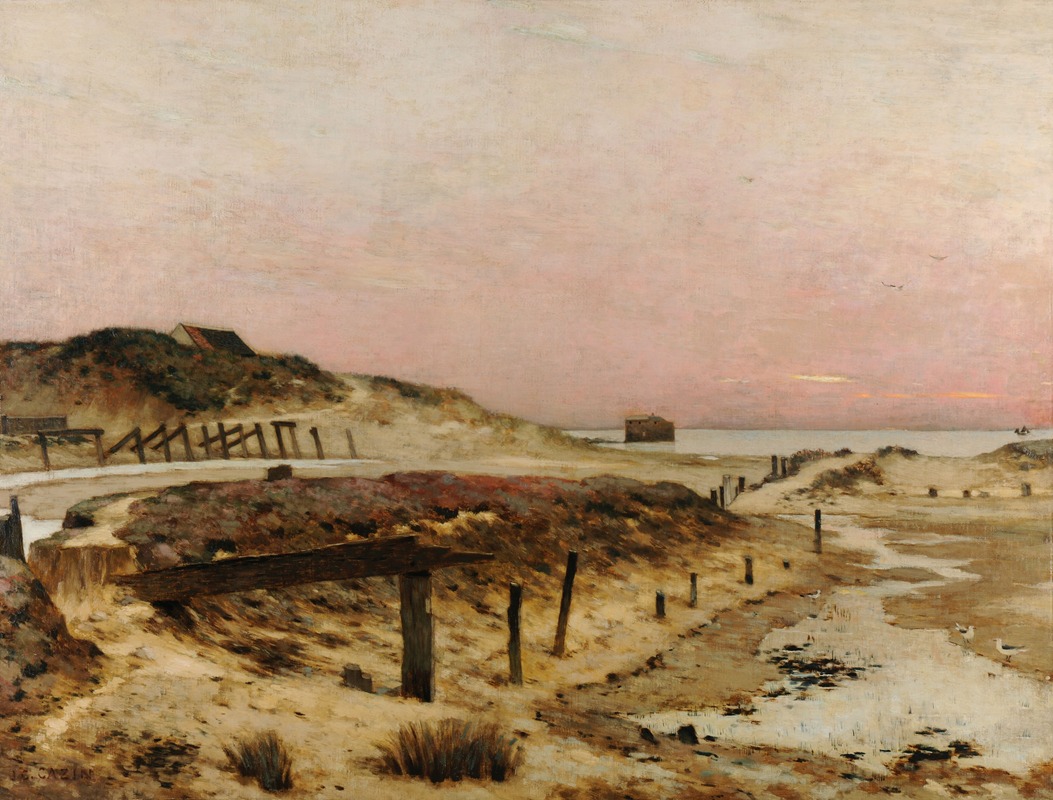
In the silent embrace of twilight, the world pauses—a reminder that stillness holds its own profound beauty. Look to the left at the band of delicate pastels washing over the horizon, where the fading light meets the earth, casting a gentle glow over the landscape. The golden fields, remnants of a recent harvest, stretch outward, their textures captured with soft brushstrokes that evoke the warmth of a sun-drenched afternoon. Notice how the muted greens and browns blend seamlessly, each hue a whisper of the life that has flourished before, while the diminishing light casts elongated shadows, hinting at the passage of time. There’s an emotional tension between the serenity of the scene and the underlying sense of loss.
The empty fields, once alive with the bustle of harvesters, now lie quiet, inviting reflection on cycles of labor and rest. The sparse details—a solitary tree standing sentry, the distant hills melting into the twilight—speak to both the tranquility of nature and the inevitable march toward winter. This juxtaposition of abundance and absence deepens the viewer's connection to the passage of time and the silence it carries. Cazin crafted this piece during a period rich with Impressionist influence, where he found himself in France, exploring the interplay of light and landscape.
Working in the late 19th century, he was part of an artistic movement that celebrated nature and everyday life, carving out a distinctive voice that would resonate through the ages. This moment in his career was marked by a deepening exploration of color and atmosphere, reflecting both personal contemplation and broader artistic currents of the time.
More Artworks by Jean Charles Cazin
Browse all →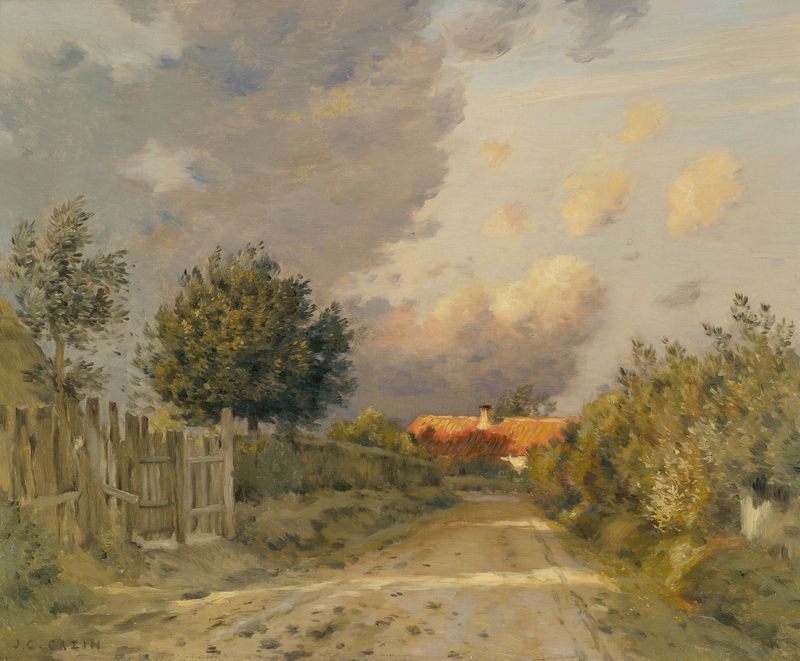
Early Evening In The French Countryside
Jean Charles Cazin
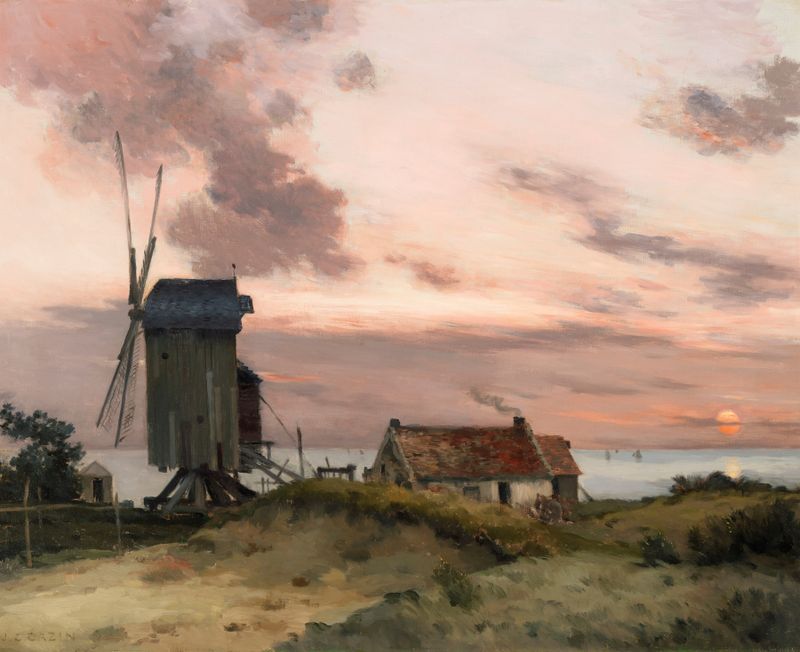
Windmill on a Beach
Jean Charles Cazin
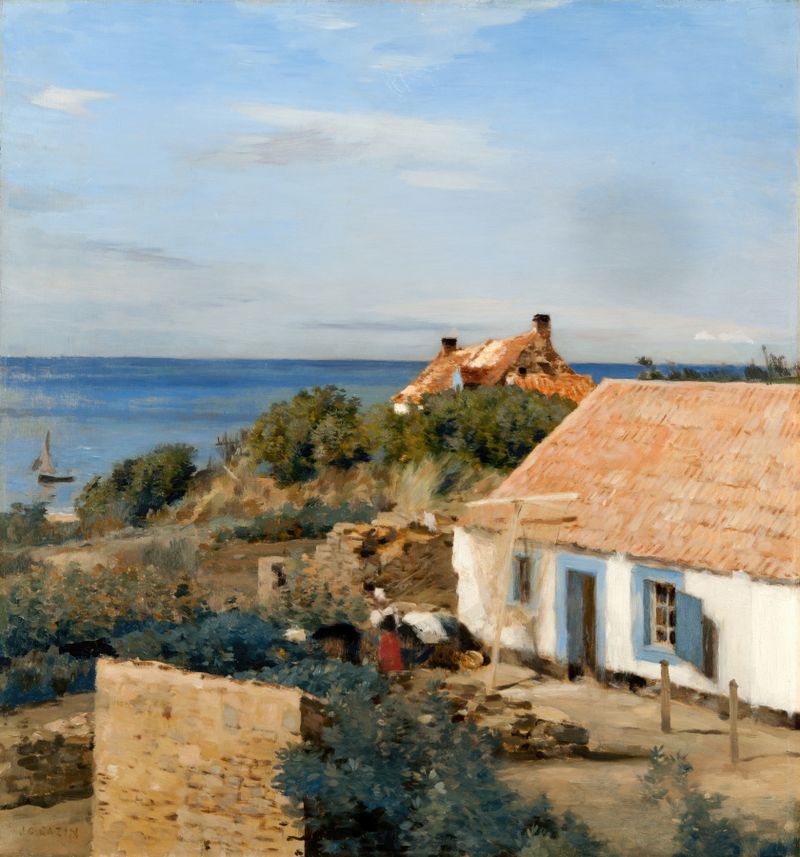
French Landscape
Jean Charles Cazin
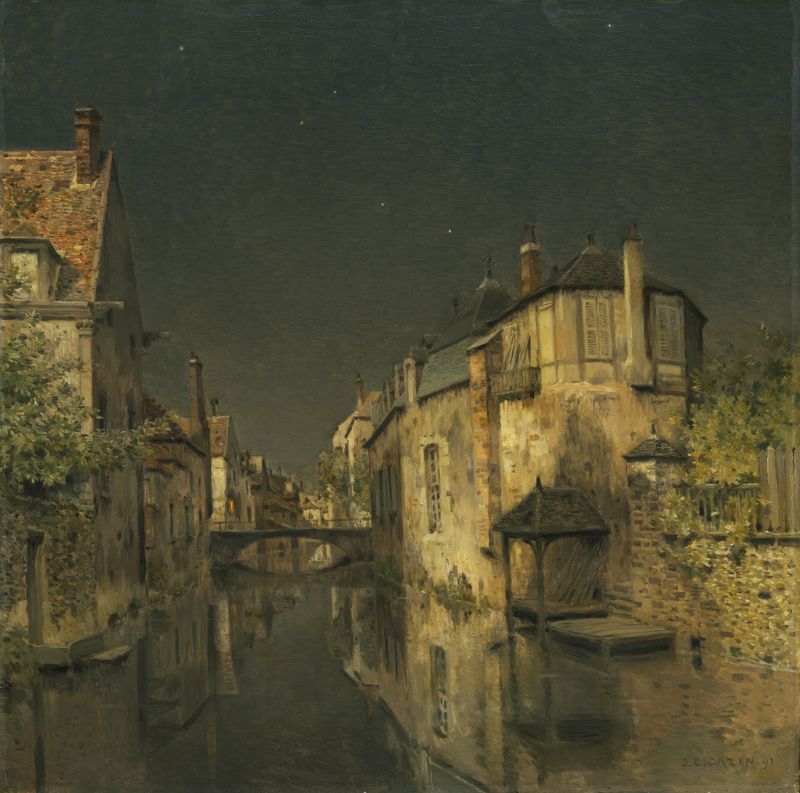
Midnight
Jean Charles Cazin

Tobias and the Angel
Jean Charles Cazin

October Day
Jean Charles Cazin

Paysage au clair de lune
Jean Charles Cazin
Rest on the Flight into Egypt
Jean Charles Cazin
Cottage in the Dunes
Jean Charles Cazin

The Boatyard
Jean Charles Cazin





