
After the rain in autumn — History & Facts
What if silence could speak through light? In After the Rain in Autumn, the stillness of a moment resonates through the vibrant canvas, inviting contemplation and reflection. Look to the left at the gentle interplay of muted, earthy tones that capture the remnants of a recent rain. The artist’s delicate brushwork depicts glistening leaves, their surfaces dappled with raindrops that refract light, creating a sense of depth and realism. Notice how the light transitions from silvery grays to warm golds, illuminating the scene with a soft glow that evokes the serenity of an autumn day.
The composition leads the eye through a natural pathway, inviting viewers to wander into this tranquil space. In its quietude, the painting reveals layers of emotion; the autumn leaves not only signify change and the passage of time but also evoke a sense of melancholy intertwined with beauty. The water droplets symbolize life’s fleeting moments, capturing an illusion of freshness against the backdrop of decay. This contrast between vibrancy and fading life encapsulates the essence of autumn, highlighting the bittersweet nature of transformation. Created in 1889, this piece reflects Feliks Brzozowski’s exploration of natural landscapes during a period when the Impressionist movement was gaining momentum.
Living in Poland at the time, he sought to translate his observations of the world around him into art that merged realism with emotional resonance. As he painted this work, he was immersing himself in the beauty of his surroundings while responding to broader artistic movements that celebrated light, atmosphere, and the poignant subtleties of life.
More Artworks by Feliks Brzozowski
Browse all →
Ojców at the Prądnik river
Feliks Brzozowski

Mountain landscape with church and monastery
Feliks Brzozowski

View of St. Carlo Borromeo Church in Warsaw
Feliks Brzozowski
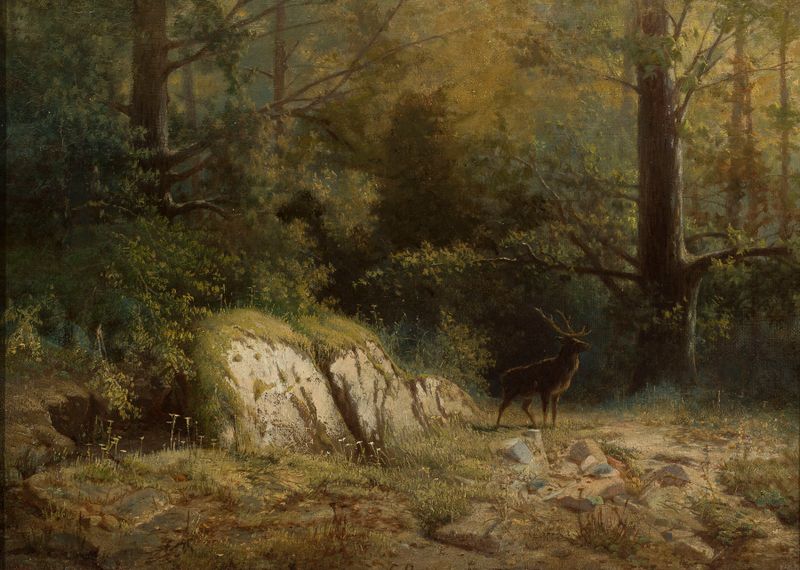
Forest landscape with a deer
Feliks Brzozowski

Church and monastery in Ląd
Feliks Brzozowski
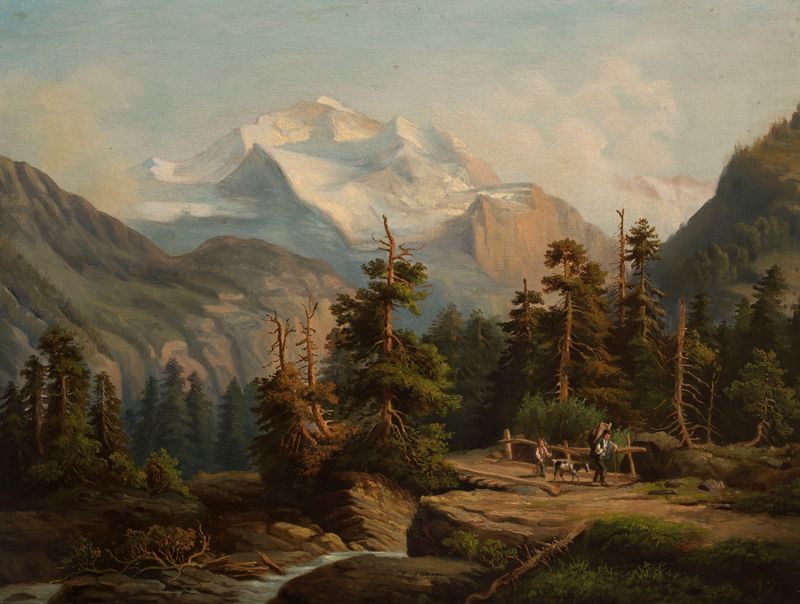
Mountain landscape
Feliks Brzozowski

Storm in the mountains
Feliks Brzozowski
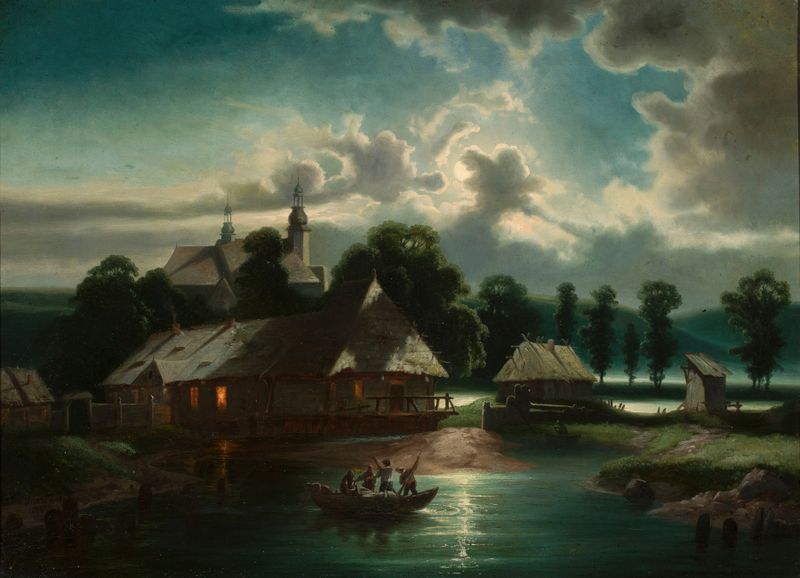
Countryside landscape at night
Feliks Brzozowski
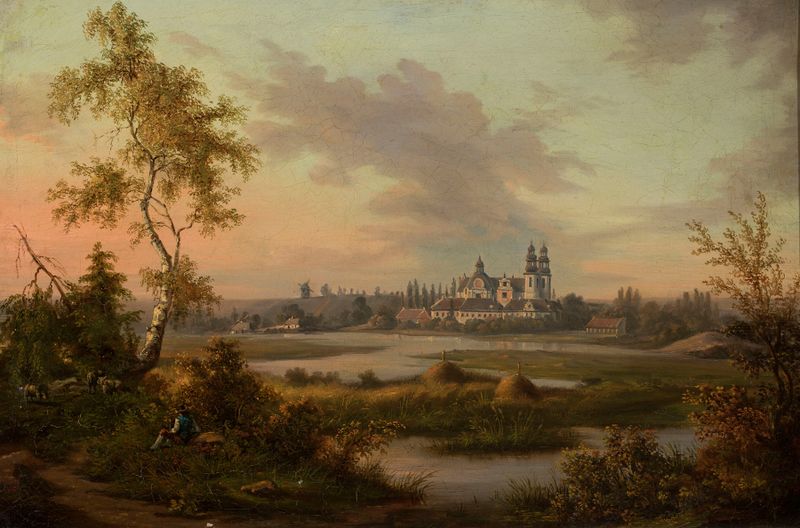
Church and monastery in Ląd..
Feliks Brzozowski





