
Afterglow on the Findhorn — History & Facts
Under the brush, chaos becomes grace. The tranquil beauty of nature can transcend into something sublime, inviting us to pause and marvel at its quiet power. Look to the foreground where soft waves gently kiss the shoreline, each ripple a whisper of the earth’s heartbeat. The luminous colors merge seamlessly, golden hues of sunset contrasting with the deepening blues of the water.
Notice how the light falls upon the hillside, illuminating patches of vibrant greens and browns, bringing warmth to the cool evening. The loose brushwork captures the fleeting moment, suggesting movement and life within the stillness. Amidst this serene landscape lies a subtle tension: the ephemeral nature of twilight juxtaposed with the enduring solidity of the land. The horizon, kissed by the fading sun, hints at inevitable darkness, yet it also embodies the promise of renewal with each dawn.
The interplay of light and shadow evokes a sense of introspection, urging the viewer to reflect on transience and beauty. Each stroke conveys a deeper reverence for the natural world, reminding us of our place within it. David Young Cameron painted Afterglow on the Findhorn in 1907, during a period of exploration in British landscape painting. At this time, he was influenced by the broader movement of Impressionism, embracing light and atmosphere as fundamental components.
Working in his native Scotland, Cameron sought to express the unique qualities of the Scottish landscape, capturing its ethereal beauty and the shifting moods of the skies.
More Artworks by David Young Cameron
Browse all →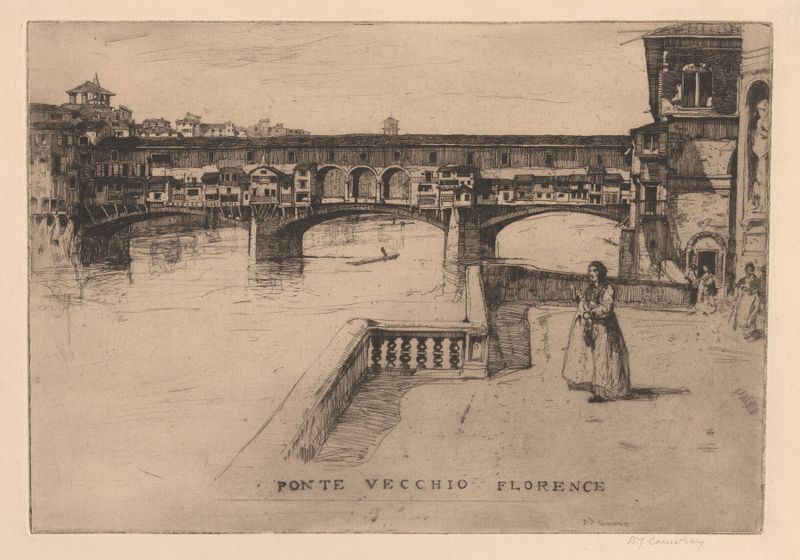
Ponte Vecchio
David Young Cameron

The Deanery, Winchester
David Young Cameron
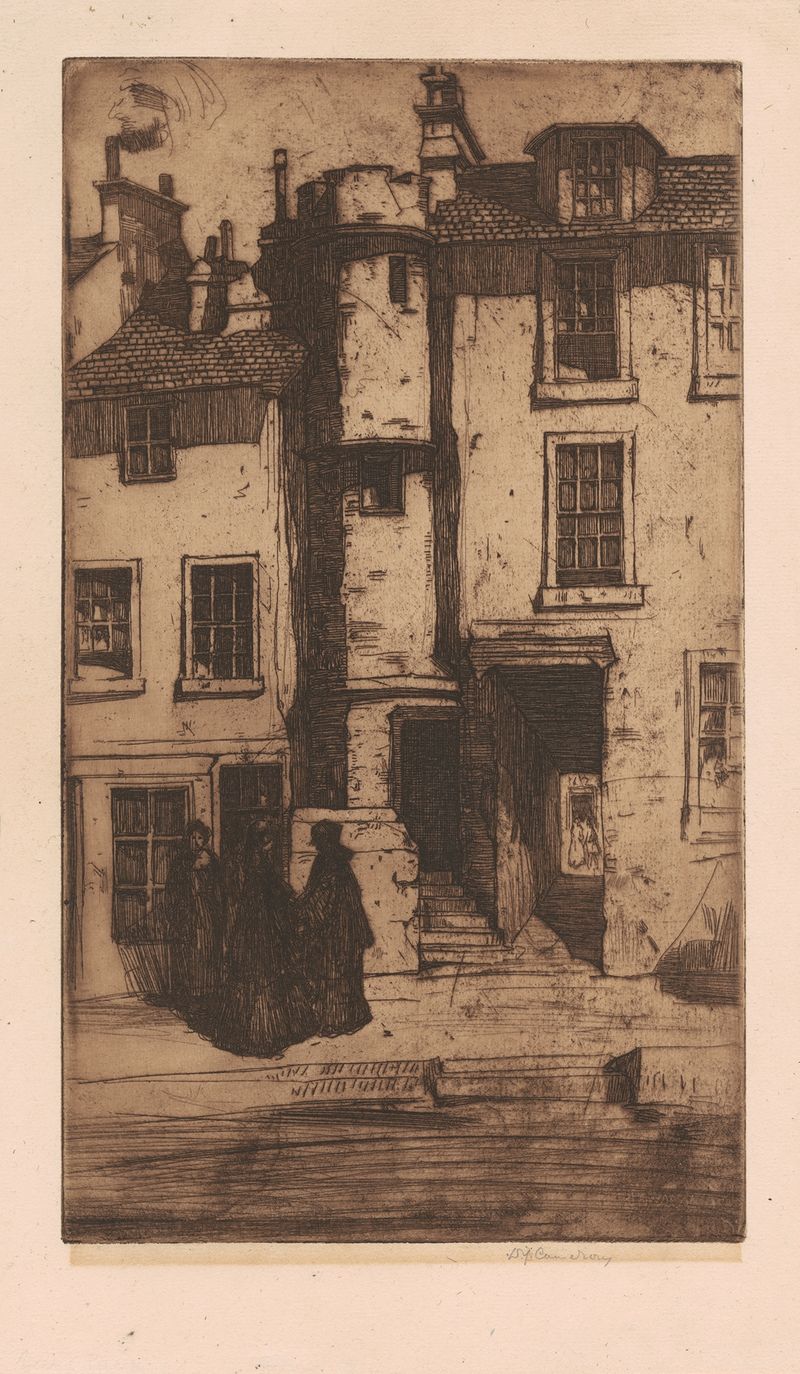
Old Houses, Stirling
David Young Cameron
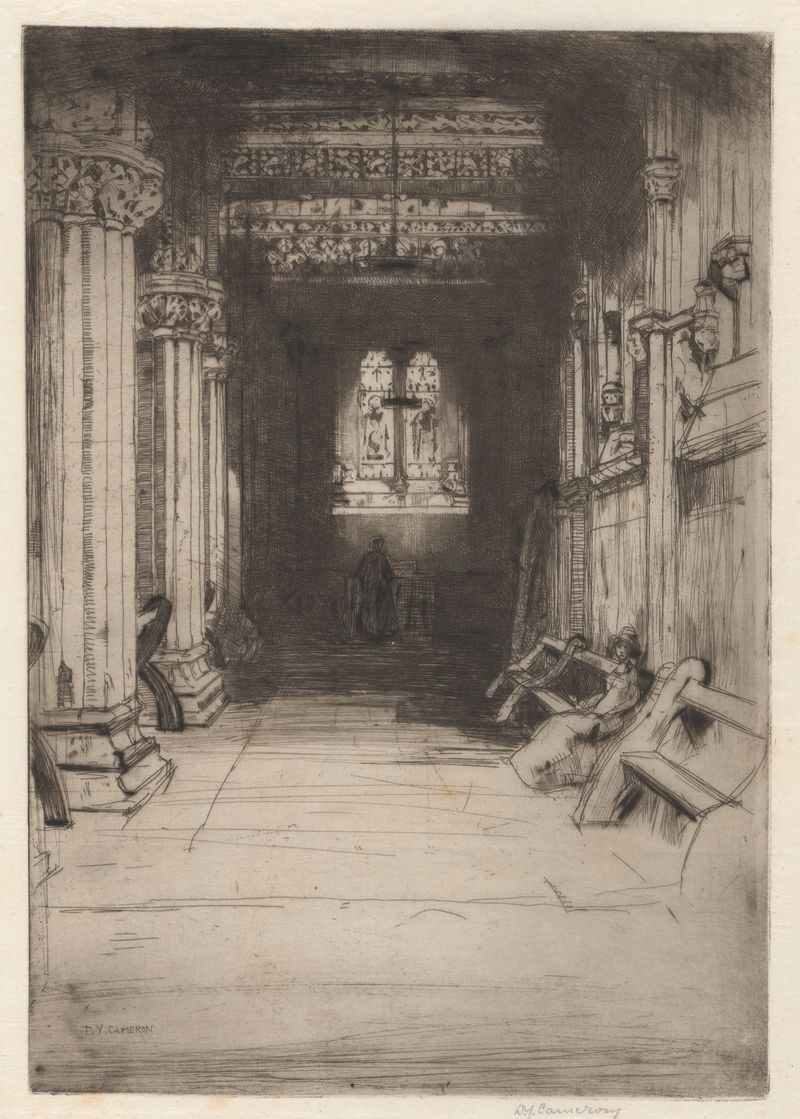
Rosslyn Chapel
David Young Cameron

The Old Museum, Beauvais
David Young Cameron
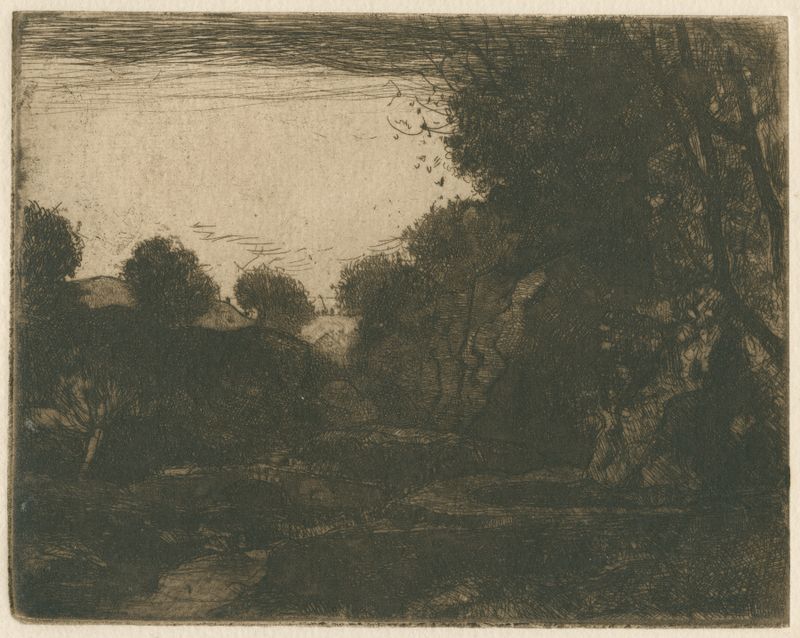
On the Bradford
David Young Cameron

The Smithy
David Young Cameron
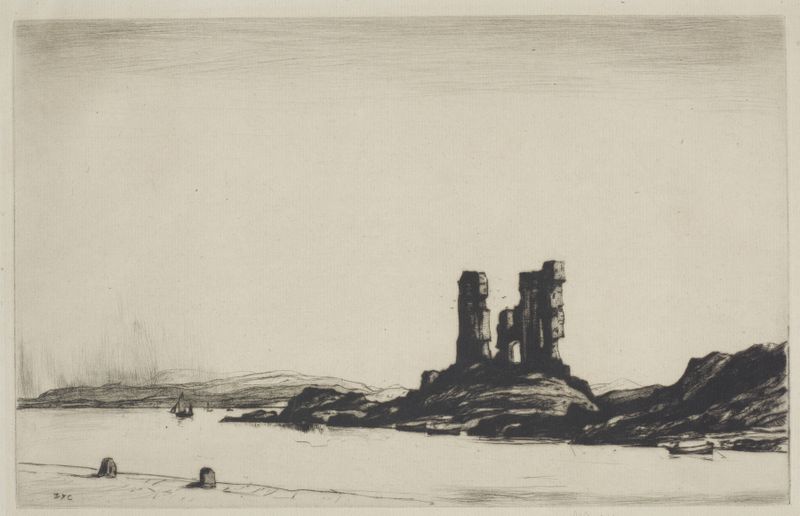
Castle Moyle
David Young Cameron
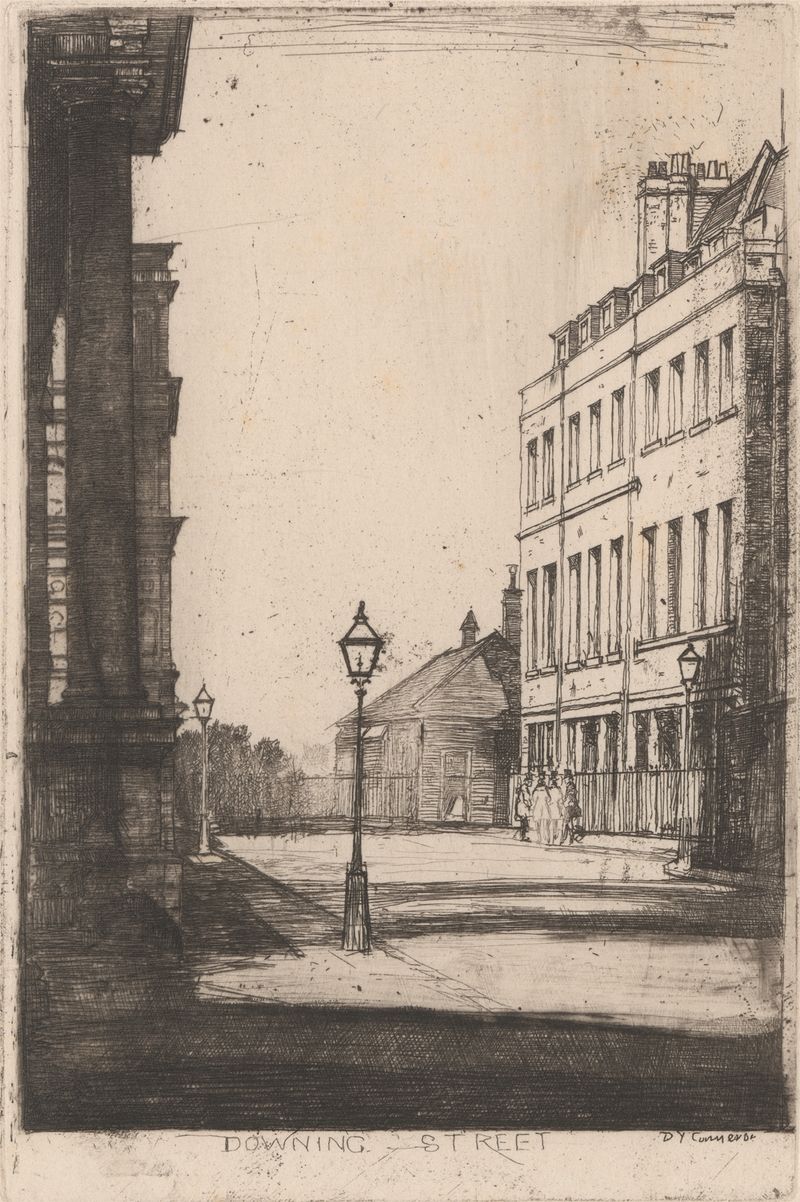
Downing Street
David Young Cameron

Glasgow Cathedral
David Young Cameron





