Bal du moulin de la Galette: meaning and location
A moving crowd, bathed in natural and artificial light, fills a popular dance garden on the Butte Montmartre. That is the scene of Bal du moulin de la Galette, which Pierre-Auguste Renoir (1841–1919) painted in 1876 and showed at the Impressionist exhibition of 1877. The Musée d’Orsay in Paris, which holds it as RF 2739, calls it one of the masterpieces of early Impressionism. Its English title is Dance at Le Moulin de la Galette.
- Aim of the picture: the Musée d’Orsay says that although some of Renoir’s friends appear in it, his main aim was to convey the vivacious, joyful atmosphere of this popular dance garden.
- Brushwork and light: the moving crowd, bathed in natural and artificial light, is handled in vibrant, brightly coloured brushstrokes.
- First reactions: the somewhat blurred impression of the scene prompted negative reactions from critics of the time, according to the museum.
- An ambitious format: the oil on canvas measures 131.5 × 176.5 cm, and Orsay reads its innovative style and imposing format as a sign of Renoir’s ambition.
- A smaller version: Wikidata lists a second, smaller version of the scene, 78 × 114 cm, described there as in a private collection.
Sources: Musée d’Orsay record data (RF 2739), IIIF manifest · Musée d’Orsay text on Google Arts & Culture · Wikidata Q683274 · Wikidata Q88798922 (smaller version)
Questions and answers about the painting
What does Bal du moulin de la Galette mean?
The French title means a dance at the Moulin de la Galette, the popular dance garden on the Butte Montmartre in Paris where Renoir set his scene. The Musée d’Orsay’s English title is Dance at Le Moulin de la Galette. Although some of Renoir’s friends appear in the picture, the museum says his main aim was to convey the lively, joyful atmosphere of the place.
Source: Musée d’Orsay text on Google Arts & Culture · Wikidata Q683274
Where is Renoir’s painting of the Moulin de la Galette ball kept?
It belongs to the Musée d’Orsay in Paris (RF 2739), but in November 2026 it is in London: the National Gallery shows it from 3 October 2026 to 31 January 2027 in the exhibition “Renoir and Love”, and says it is on display in the UK for the first time. Its record gives Gustave Caillebotte’s bequest of 1896 as the way it entered the national collections. Wikidata traces it from the Luxembourg Museum (1896–1929) through the Jeu de Paume (1947–1986) to Orsay in 1986. Displays change, so check the museum’s website for the gallery before a visit.
Source: Musée d’Orsay record data (RF 2739), IIIF manifest · Wikidata Q683274 · National Gallery, London: Renoir and Love
How big is Renoir’s Moulin de la Galette canvas?
Bal du moulin de la Galette measures 131.5 cm high by 176.5 cm wide, or 161.8 × 206 cm with its frame, according to the Musée d’Orsay’s record. It is oil on canvas. Orsay reads the imposing format as a sign of Renoir’s ambition. The smaller version listed on Wikidata measures 78 × 114 cm.
Source: Musée d’Orsay record data (RF 2739), IIIF manifest · Musée d’Orsay text on Google Arts & Culture · Wikidata Q88798922 (smaller version)
Did Renoir paint a second version of the Moulin de la Galette dance?
Yes. Wikidata lists a smaller version, 78 × 114 cm, now described there as in a private collection. The Orsay canvas is the large one at 131.5 × 176.5 cm. Neither source says which of the two was painted first.
Source: Wikidata Q88798922 (smaller version) · Musée d’Orsay record data (RF 2739), IIIF manifest
Who painted the Moulin de la Galette dance scene, and when?
Pierre-Auguste Renoir painted it in 1876, and Wikidata records the inscription “Renoir 76” on the canvas. Renoir was born in Limoges in 1841 and died in Cagnes-sur-Mer in 1919. The Musée d’Orsay says the picture was shown at the Impressionist exhibition of 1877, which Wikidata identifies as the third.
Source: Musée d’Orsay record data (RF 2739), IIIF manifest · Wikidata Q683274 · Wikidata Q15304933 (third Impressionist exhibition, 1877) · Musée d’Orsay text on Google Arts & Culture
Is the painting in the public domain?
Yes. Renoir died in 1919, so his paintings are free of copyright everywhere. Even a term of the author’s life plus 100 years ended on 31 December 2019. A faithful photograph of a public-domain painting adds no new copyright in the United States or the European Union, so you can download this image and use it in personal or commercial projects. Public Domain Images for Commercial Use explains how.
Source: Wikidata Q39931 (Pierre-Auguste Renoir, died 1919) · Wikidata Q683274
More Artworks by Pierre-Auguste Renoir

Luncheon of the Boating Party
Pierre-Auguste Renoir

Dance at Bougival
Pierre-Auguste Renoir
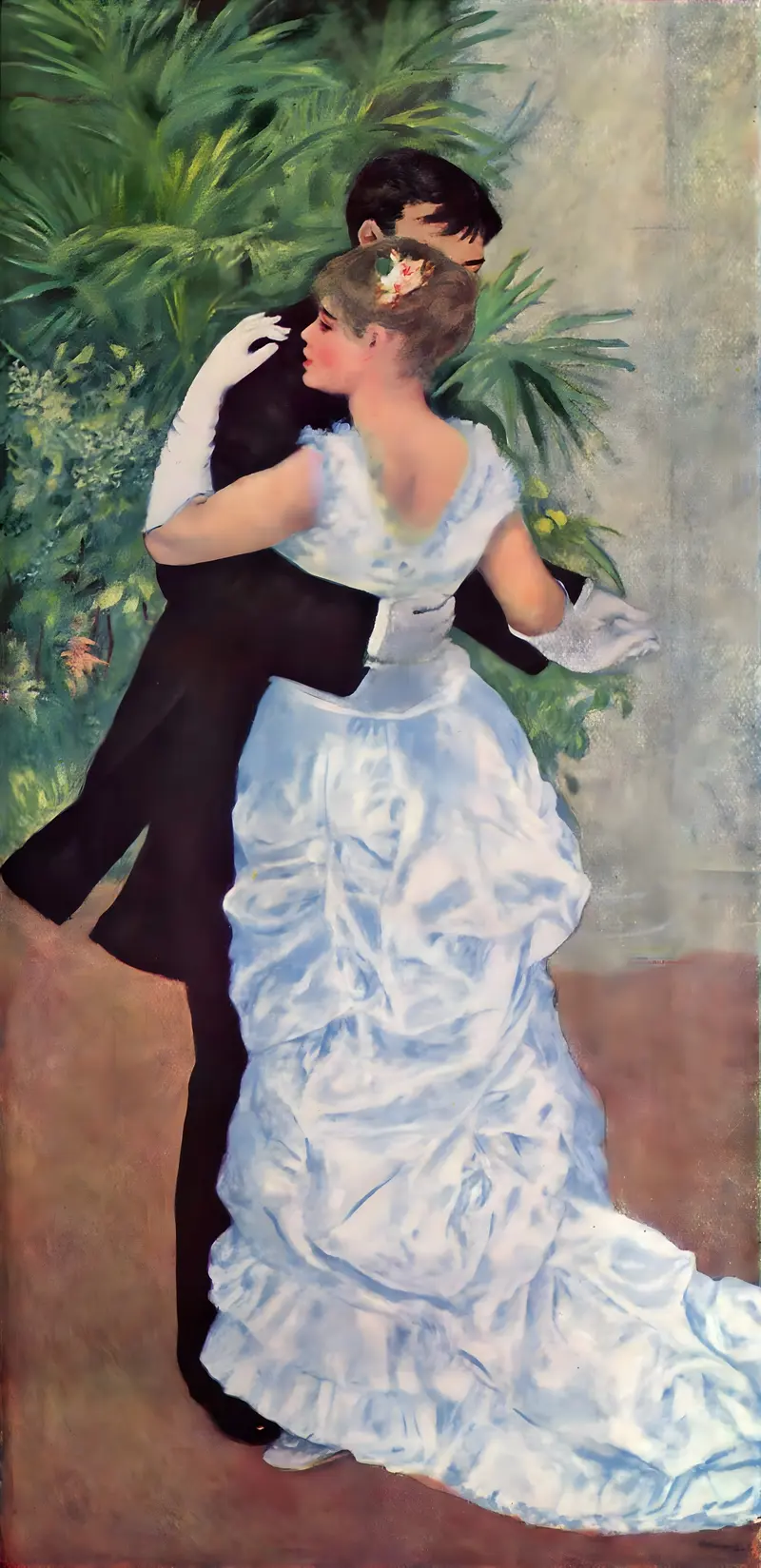
Dance in the City
Pierre-Auguste Renoir
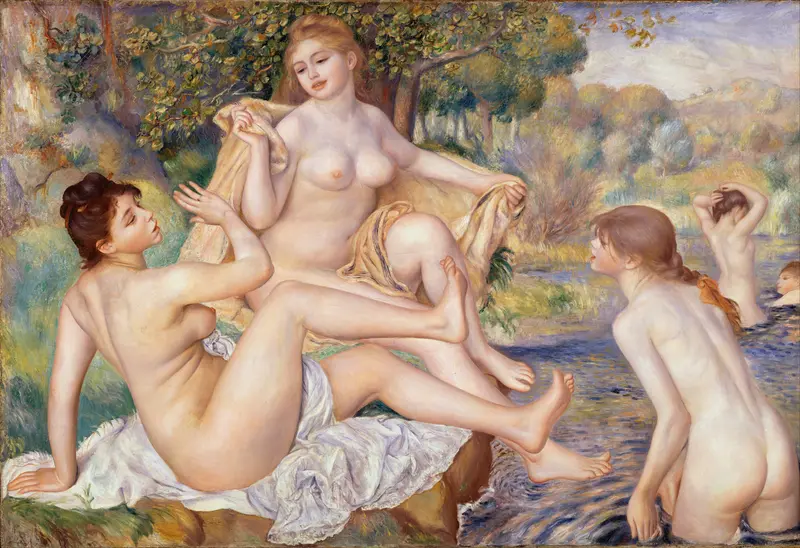
The Great Bathers
Pierre-Auguste Renoir
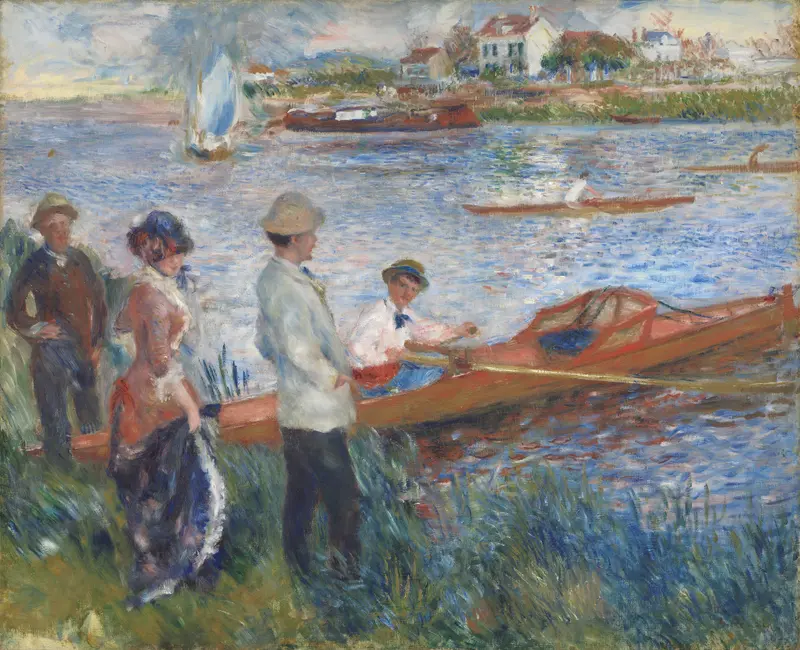
Oarsmen at Chatou
Pierre-Auguste Renoir
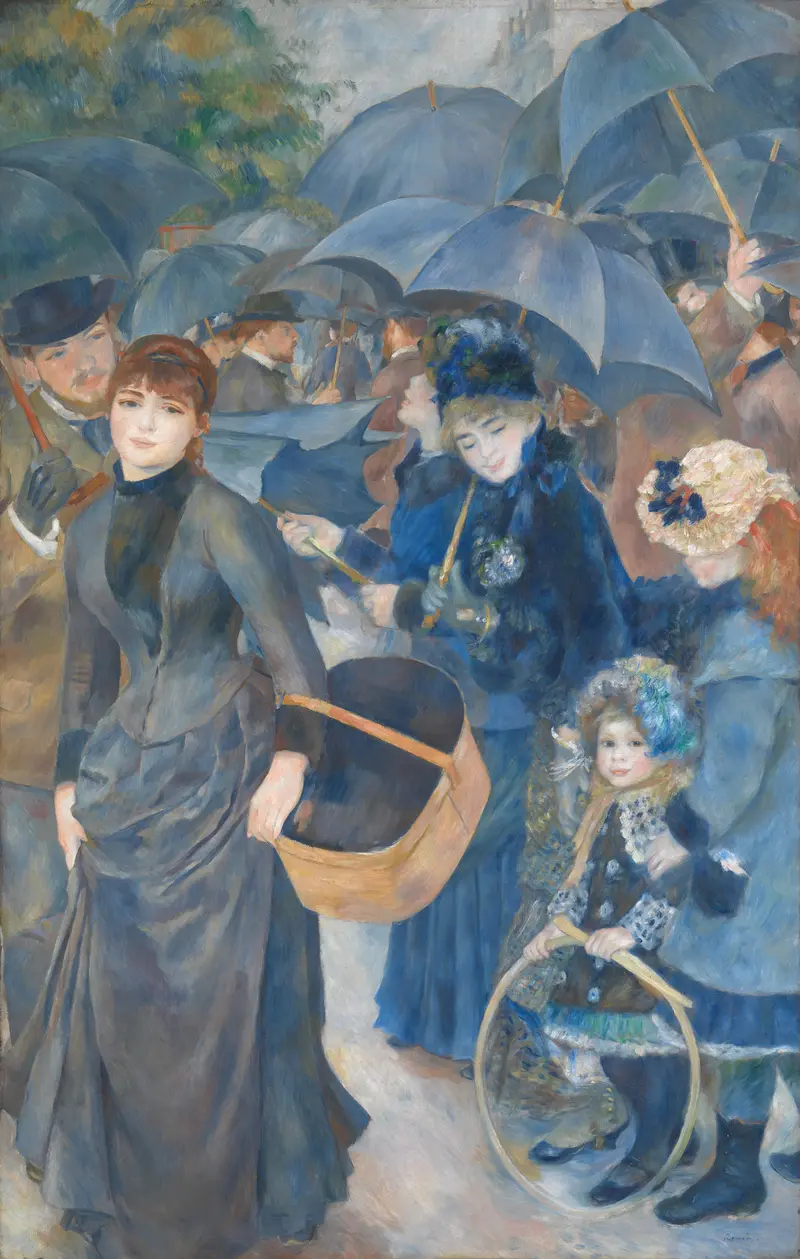
The Umbrellas
Pierre-Auguste Renoir
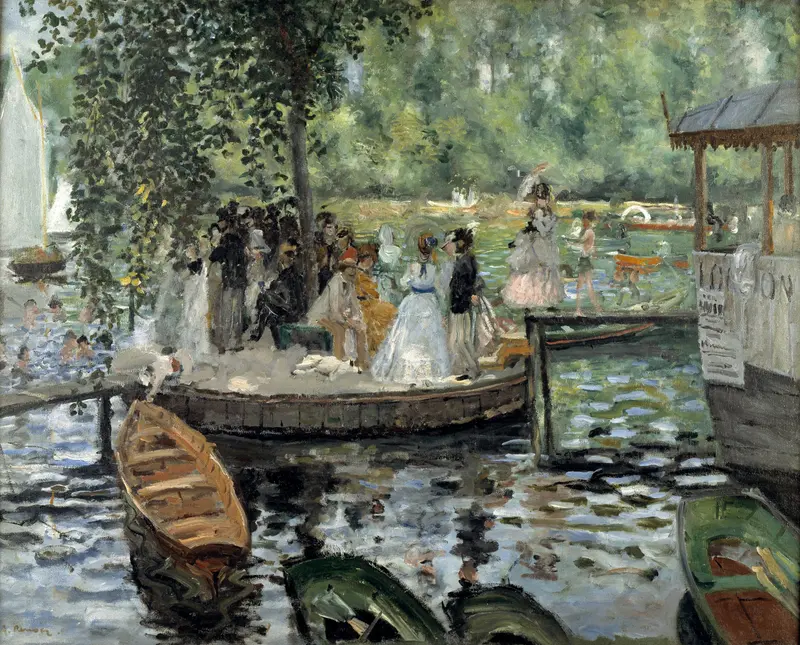
La Grenouillère
Pierre-Auguste Renoir
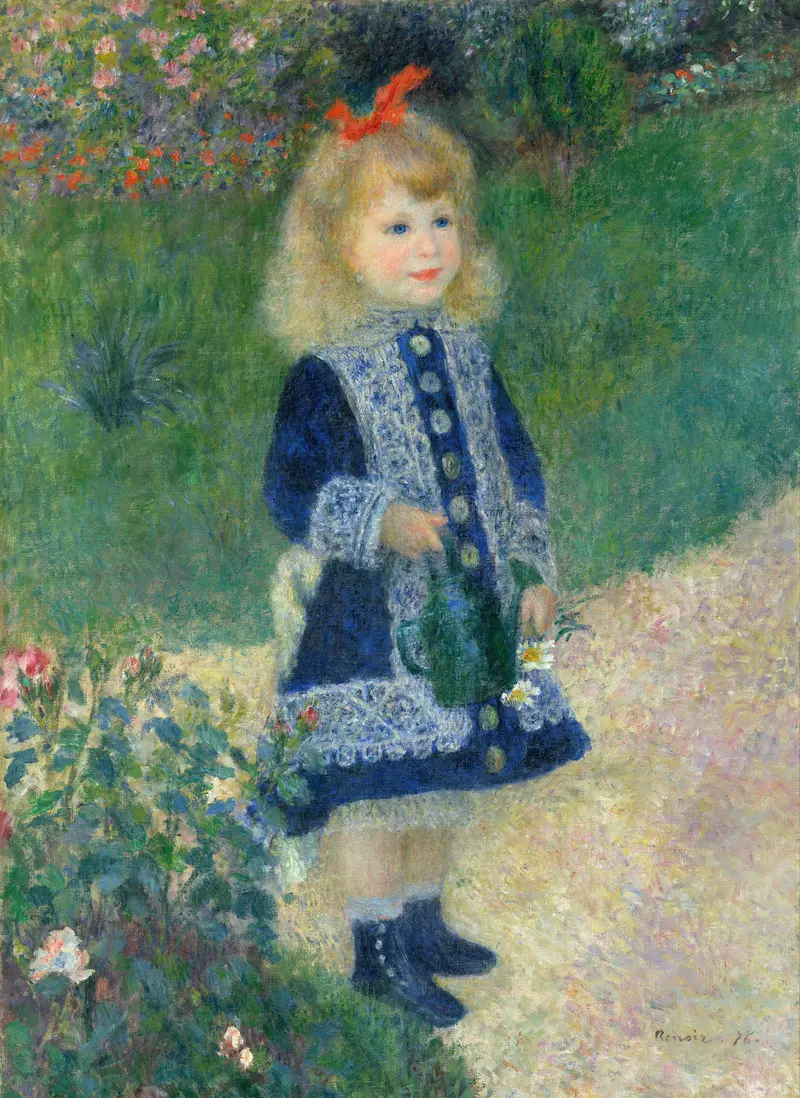
A Girl with a Watering Can
Pierre-Auguste Renoir
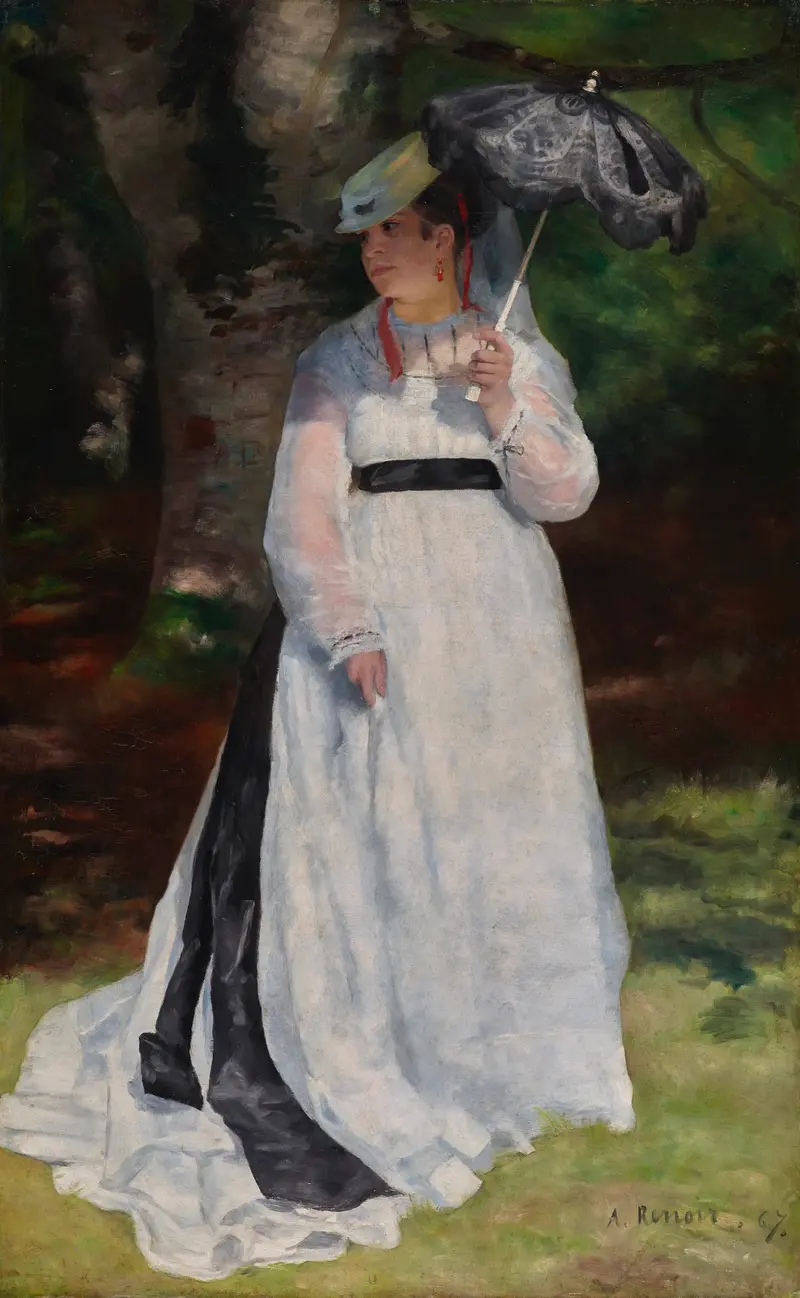
Lise with a Parasol
Pierre-Auguste Renoir

Woman with a Hat
Pierre-Auguste Renoir