
Albersweiler in der Pfalz — History & Facts
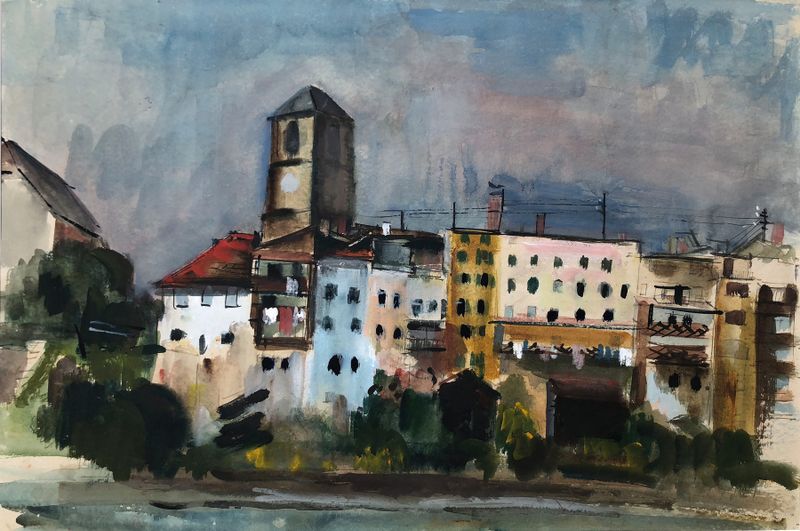
When did color learn to lie? In the vibrant hues of Albersweiler in der Pfalz, a sense of grief seeps through the very pigments, revealing the emotional weight that often lingers beneath the surface of beauty. Look to the lush greens and yellows that dominate the canvas, where rolling hills undulate underneath a sky painted with soft blues and whites. The artist employs a bold brushstroke technique, allowing colors to blend and clash, evoking a vivid landscape that simultaneously feels alive and melancholic. Notice how the warm light bathes the scene, illuminating the village nestled within the valleys, yet casting shadows that suggest something darker lingers just out of sight. The contrast between the vibrant landscape and the shadowy undertones speaks to a deeper narrative of loss and resilience.
Hidden within the cheerful facade of this pastoral scene, one can sense the weight of history and the impact of World War II on the artist’s psyche. Each stroke may represent a longing for peace in a world so far removed from the joyous beauty of nature, reflecting the tension between the idyllic and the tragic. Created in 1943, during a turbulent period in Europe, the artist painted this work while grappling with the realities of war and its effects on his homeland. Situated in the midst of conflict, Albersweiler in der Pfalz serves as both an homage to the beauty of the landscape he cherished and a poignant reminder of the grief that underlies the human condition.
Geigenberger's experience during this time profoundly influenced his artistic expression, as he sought to capture not just what is seen, but what is felt.
More Artworks by Otto Geigenberger
Browse all →
Hohe Munde bei Seefeld in Tirol
Otto Geigenberger
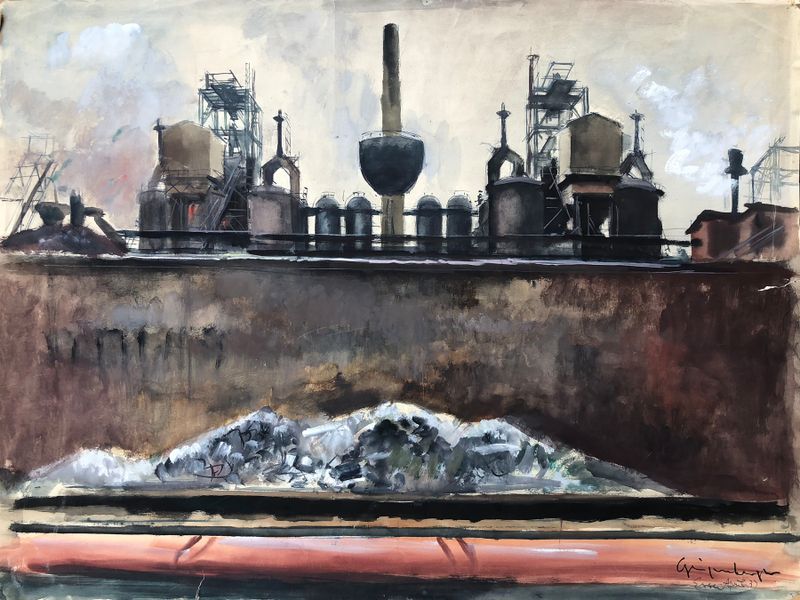
Stahlwerk Krupp in Essen
Otto Geigenberger

Landschaft mit Kirche
Otto Geigenberger

Passau am Inn 2
Otto Geigenberger
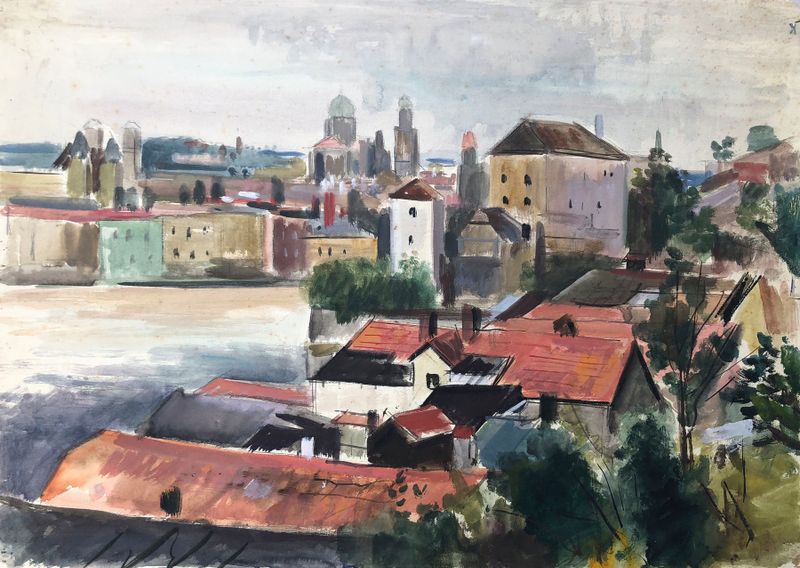
Passau am Inn
Otto Geigenberger
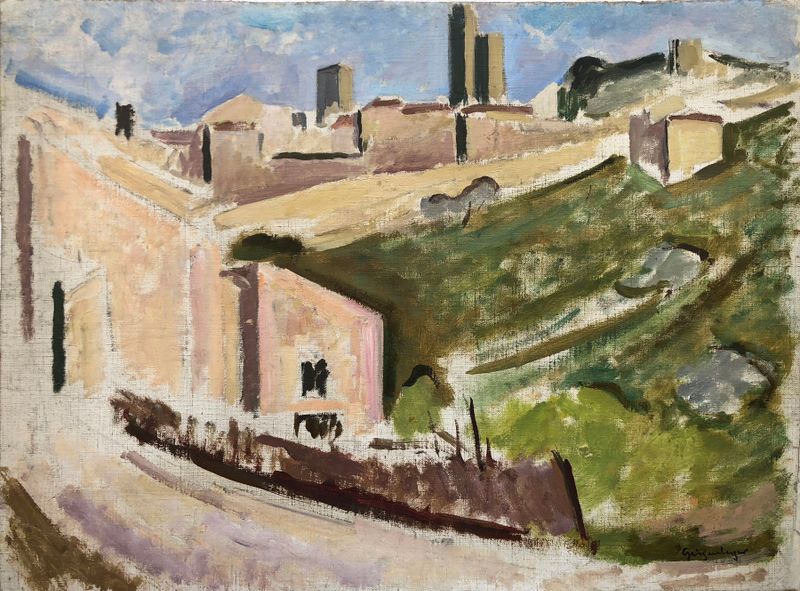
Südliche Stadt auf einem Hügel
Otto Geigenberger

Wasserburg am Inn – Häuserpartie am Inn
Otto Geigenberger

Wasserburg am Inn – Innfront
Otto Geigenberger
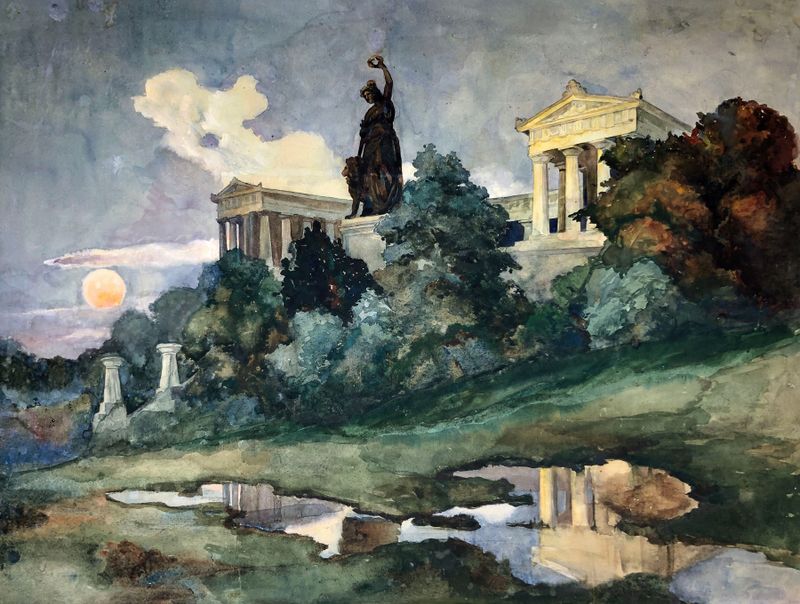
Sonnenuntergang an der Bavaria und Ruhmeshalle in München
Otto Geigenberger
Wasserburg am Inn – Innfront.
Otto Geigenberger





