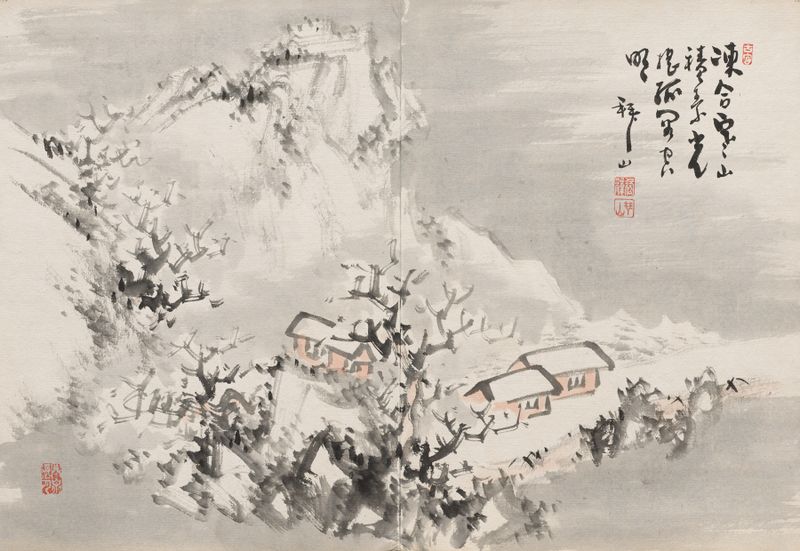
Album of Paintings by Haizan Pl.11 — History & Facts
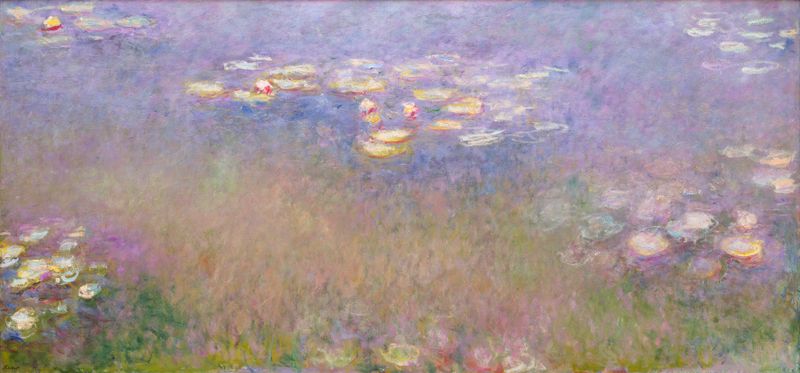
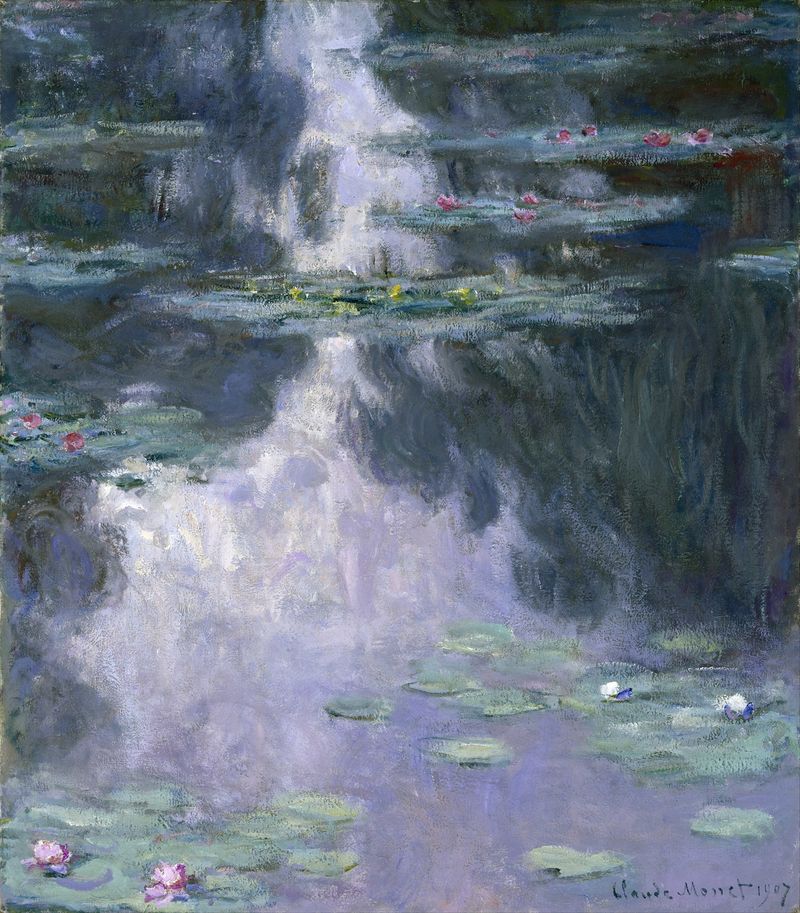
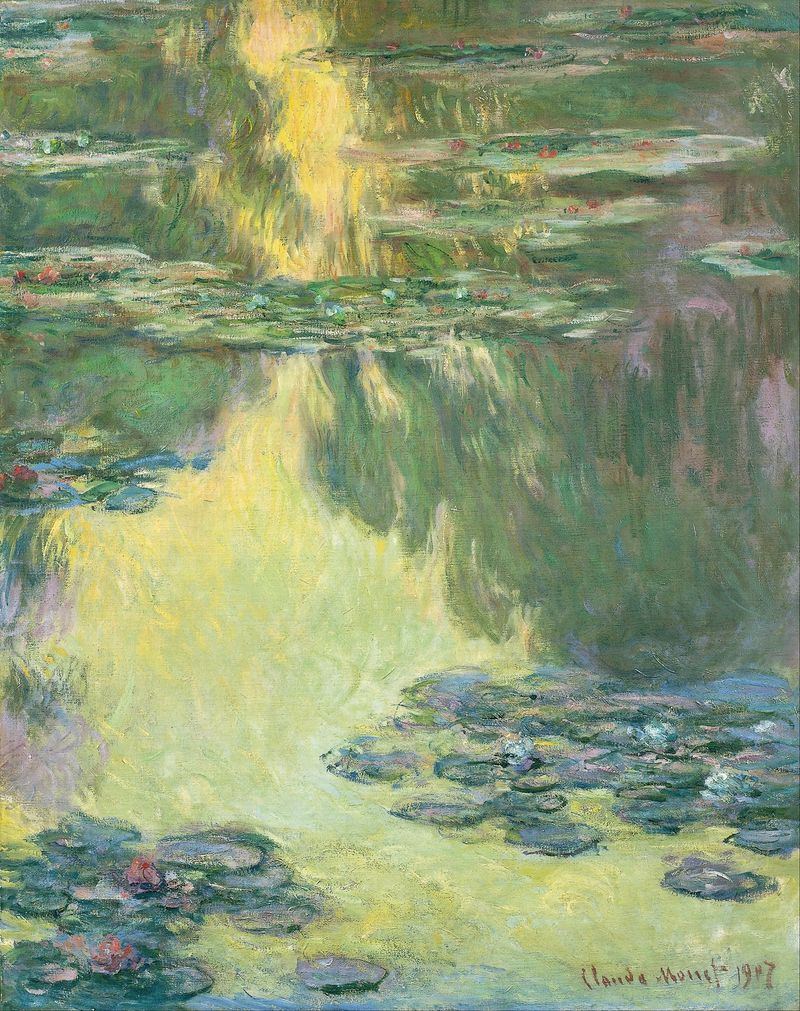
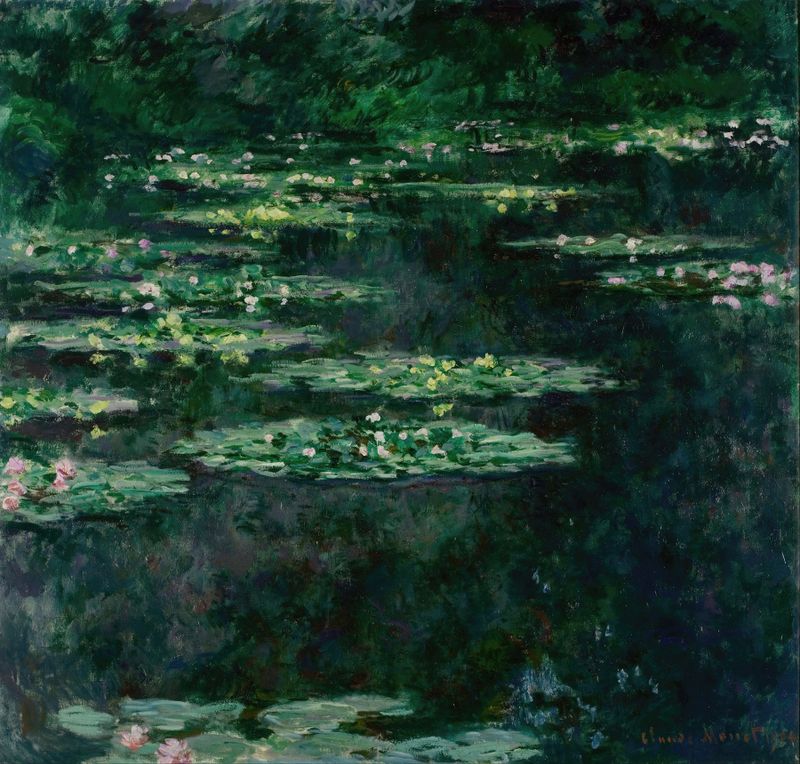
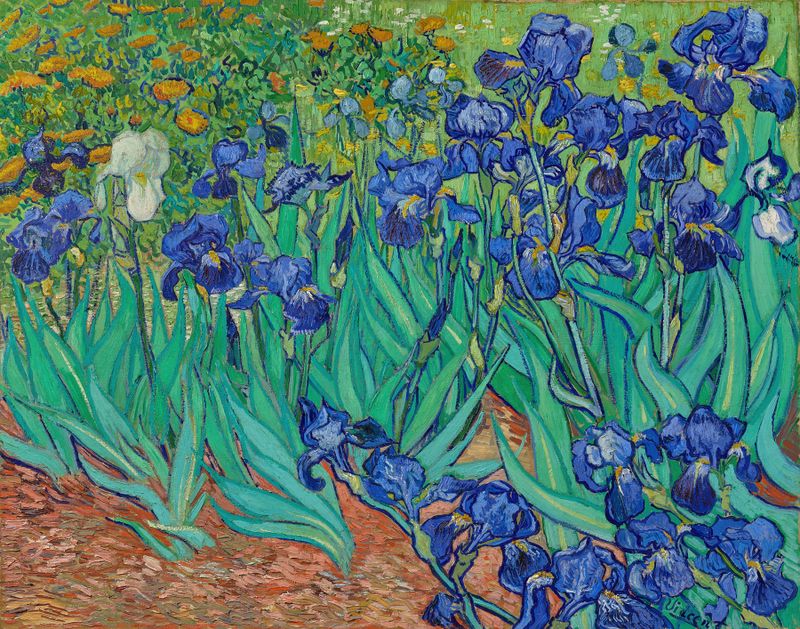
Is this a mirror — or a memory? In the delicate interplay of shadows and light, one can sense the underlying fear that echoes through time, a silent specter that haunts the surface of the canvas. Look to the right at the intricate details of the flora, where blossoms appear almost ghostly against the muted background. Notice how the light falls upon the petals, creating a soft, ethereal glow that juxtaposes the more chaotic elements of the composition. The color palette is subdued yet rich, with deep greens and muted earth tones invoking a sense of nostalgia while simultaneously stirring an unease that lingers just beneath the surface.
This blend of tranquility and tension invites the viewer to question what they see—are these mere objects, or do they hold memories, like fragmented reflections in a murky pond? Delving deeper, one can find hidden tensions woven throughout the canvas. The contrast between the vibrant flora and the somber backdrop evokes a sense of vulnerability, suggesting that beauty can coexist with fear. Small, almost imperceptible elements—a cracked vase or a wilted leaf—resonate with the notion that decay is always at the threshold of life.
Each detail serves as a reminder of fragility, urging viewers to confront their own memories and the deeper fears they carry. During the late 1800s to early 1900s, Yoshitsugu Haizan was navigating a transitional period in Japanese art, influenced by Western techniques while attempting to preserve traditional aesthetics. Creating Album of Paintings by Haizan Pl.11 within this complex landscape, he captured the subtle play of fear and beauty, reflecting both personal and cultural struggles against the backdrop of modernization.
More Artworks by Yoshitsugu Haizan
Browse all →
Album of Paintings by Haizan Pl.03
Yoshitsugu Haizan
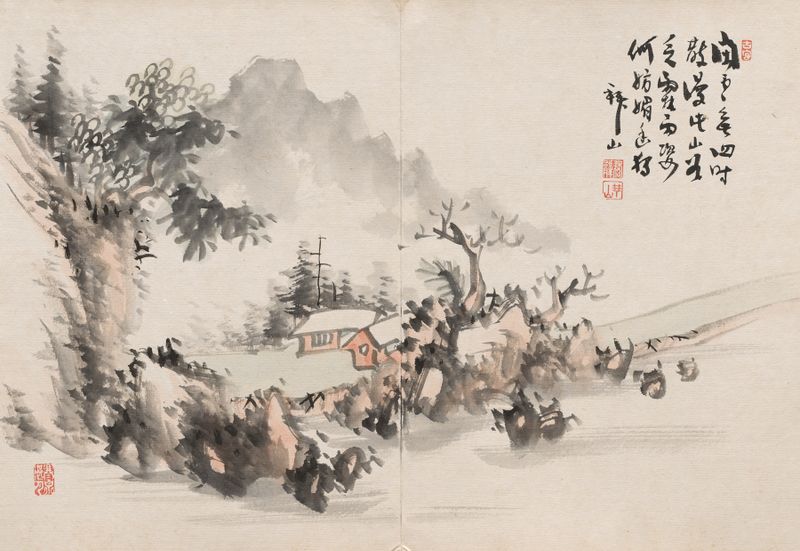
Album of Paintings by Haizan Pl.07
Yoshitsugu Haizan
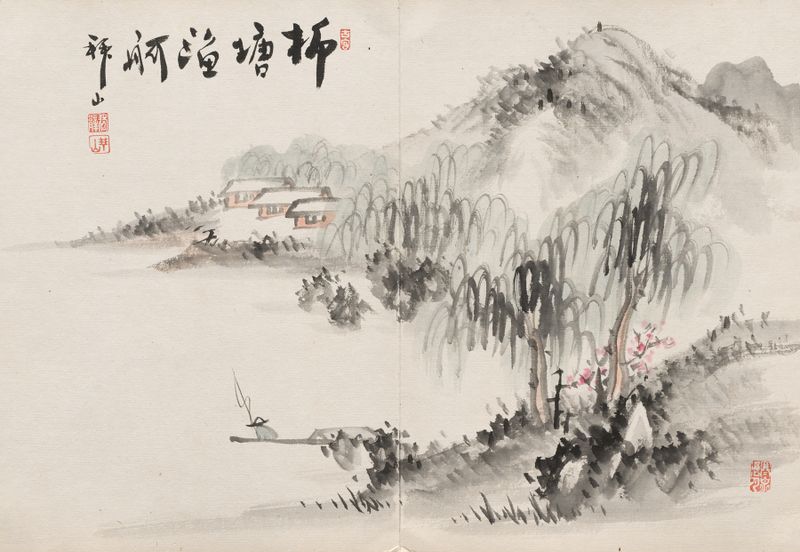
Album of Paintings by Haizan Pl.05
Yoshitsugu Haizan
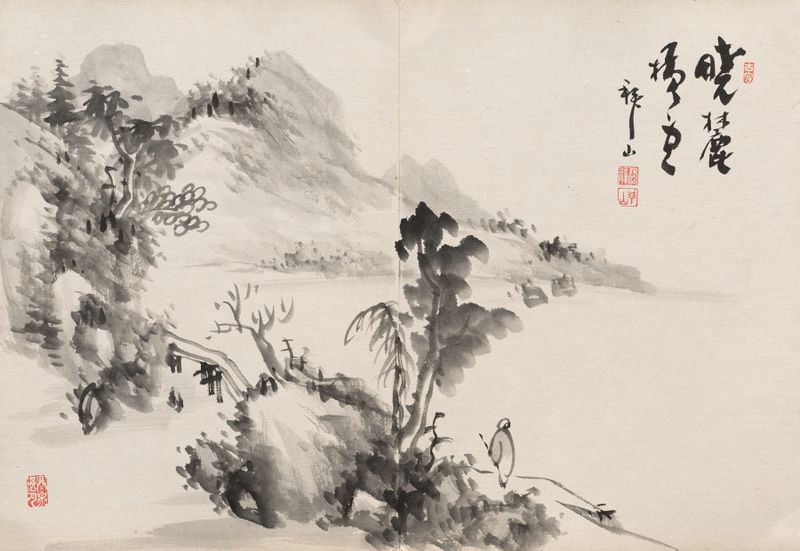
Album of Paintings by Haizan Pl.04
Yoshitsugu Haizan

Album of Paintings by Haizan Pl.12
Yoshitsugu Haizan
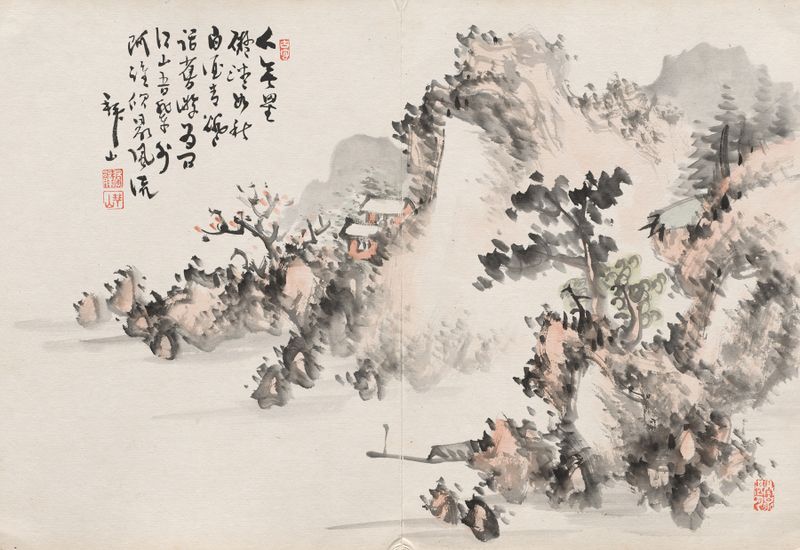
Album of Paintings by Haizan Pl.09
Yoshitsugu Haizan
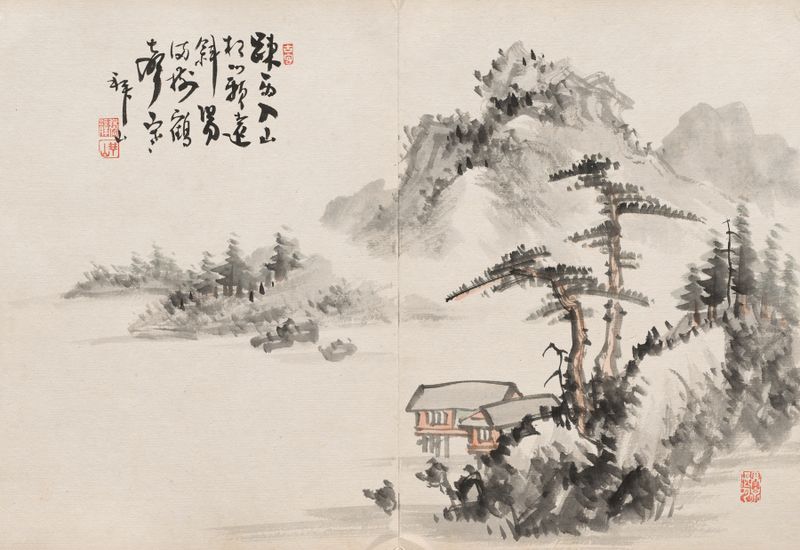
Album of Paintings by Haizan Pl.02
Yoshitsugu Haizan

Album of Paintings by Haizan Pl.13
Yoshitsugu Haizan
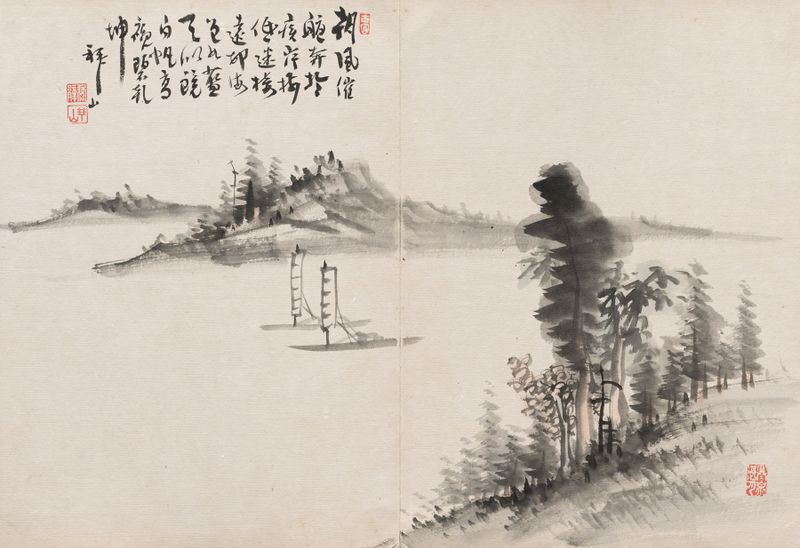
Album of Paintings by Haizan Pl.06
Yoshitsugu Haizan
Album of Paintings by Haizan Pl.14
Yoshitsugu Haizan