
Alcazar at Segovia — History & Facts
In each brushstroke lies the potential for revolution, a reminder of stories yearning to be told. Focus on the majestic towers that reach skyward, framing the scene with an elegance that feels both timeless and transient. The artist employs warm earth tones, inviting you to wander within the fortress’s embrace, while the delicate play of light dances across the stone façade, revealing intricate details and inviting exploration. Notice how the shadows deepen in the crevices, hinting at secrets hidden within the fortress, as if to echo the turbulent history surrounding it. As you delve deeper, consider the juxtaposition of strength and fragility inherent in the architecture.
The solidity of the Alcazar stands against the ephemeral nature of the surrounding landscape, where time seems to blur and merge with memory. Each element in the painting serves as a testament to resilience, while the soft hues convey an underlying wistfulness, reminding us of the lives entwined within these walls and the revolutions fought for freedom and identity. Created in an era when Europe was on the brink of change, Charles Hamilton Smith painted this piece amidst a rich tapestry of historical upheaval. Though the exact date remains uncertain, his work captures a spirit of reflection in the early 19th century, a time when art was evolving, and the world was awakening to new ideas.
The artist’s fascination with architecture and history came to life against this backdrop, as he sought to immortalize the essence of places that bore witness to the passage of time.
More Artworks by Charles Hamilton Smith
Browse all →
Situation of H.M.S. Hecla & Griper
Charles Hamilton Smith
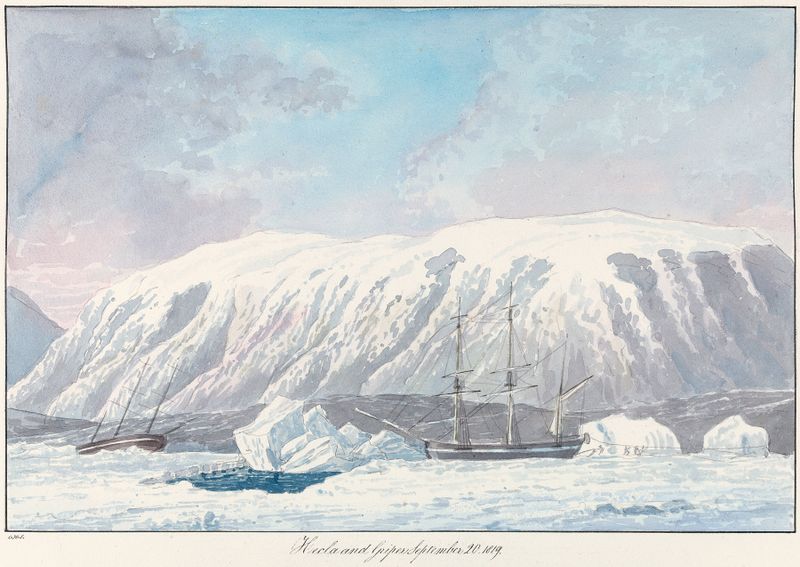
Hecla and Griper
Charles Hamilton Smith

Friendly Cove, Nootka Sound
Charles Hamilton Smith

Iceberg in Baffin’s Bay
Charles Hamilton Smith
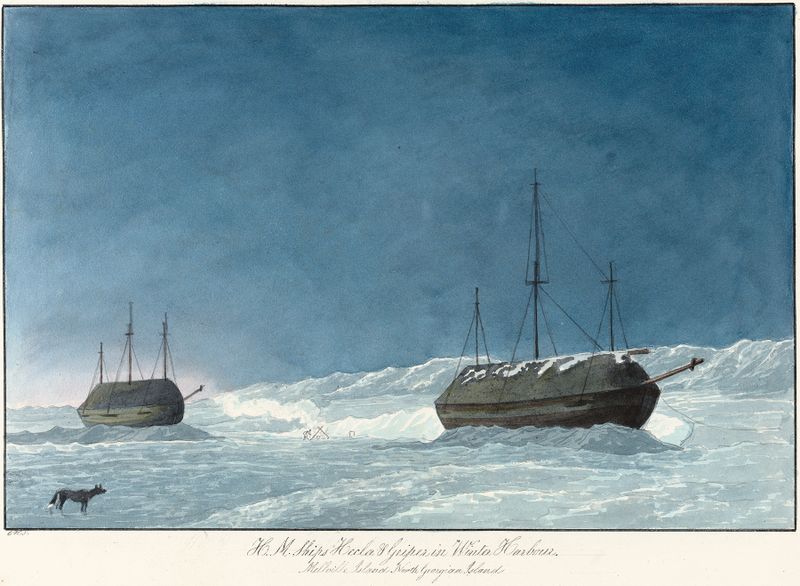
H. M. Ships Hecla and Griper in Winter Harbour
Charles Hamilton Smith

The Erebus & Terror in a Gale in the Pack of the Ice
Charles Hamilton Smith
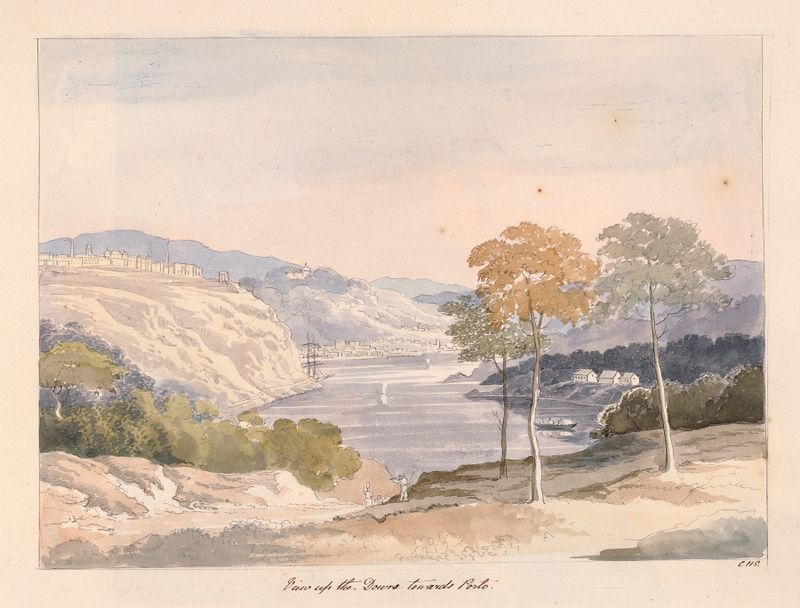
View of the Douro towards Porto
Charles Hamilton Smith
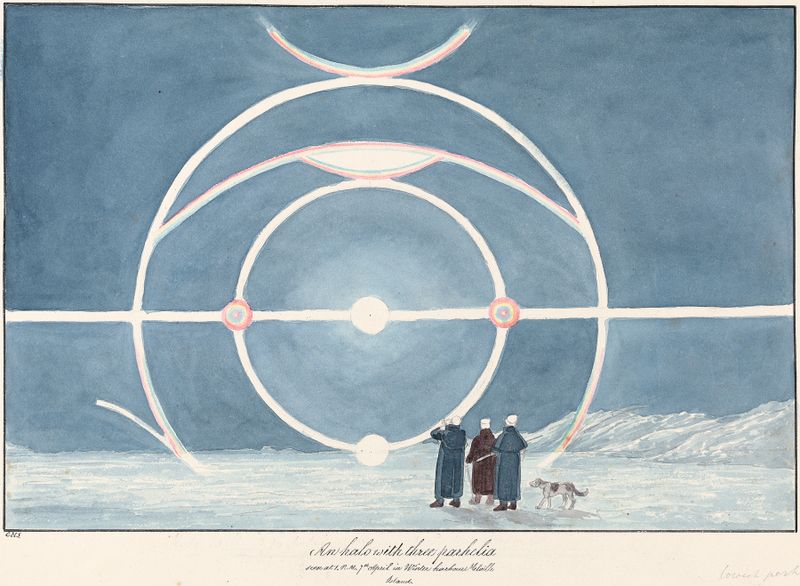
Halo with Three Parhelia, Winter Harbour Melville Island
Charles Hamilton Smith
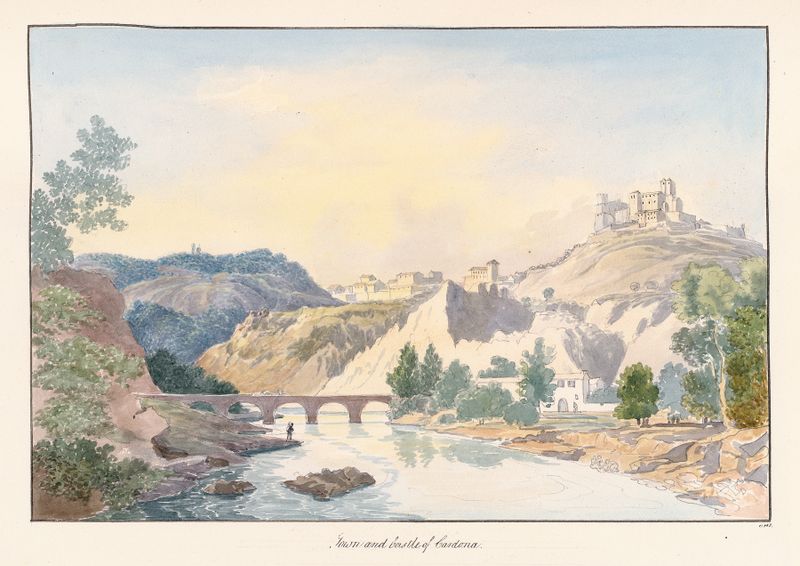
Town and Castle of Cardona
Charles Hamilton Smith
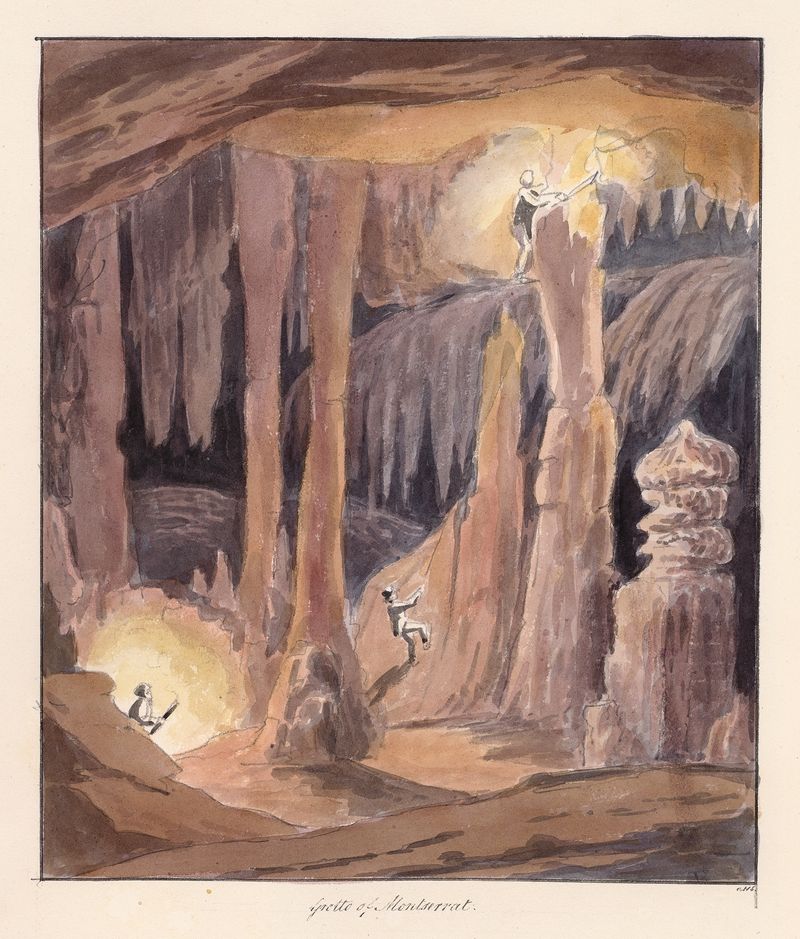
Grotto of Montserrat
Charles Hamilton Smith
More Architecture Art
Browse all →
The statue of Liberty
Frédéric Auguste Bartholdi

View of Houses in Delft, Known as ‘The Little Street’
Johannes Vermeer

View of Houses in Delft, Known as ‘The Little Street’
Johannes Vermeer

The Cathedral in Rouen. The portal, Grey Weather
Claude Monet

The yellow house
Vincent van Gogh

The Church in Auvers-sur-Oise, View from the Chevet
Vincent van Gogh