
Algarrobo (The Carob Tree) — History & Facts
Could beauty survive in a century of chaos? As the burgeoning industrial age threatened to engulf the world in noise and commotion, Joaquín Sorolla captured a moment of serene reflection beneath the lush branches of a carob tree, offering a whisper of tranquility amid tumult. Look to the center of Algarrobo, where the gnarled trunk frames a small, contemplative figure seated on the grass. Notice how the dappled sunlight filters gently through the foliage, casting intricate patterns on the ground. The warm earth tones of the tree and grass contrast with the cool hues of the sky, creating a harmonious balance that invites the viewer to linger.
Sorolla's masterful brushwork reveals an extraordinary interplay of light and shadow, imbuing the scene with a palpable sense of stillness. Yet, beneath this idyllic portrayal lies a poignant tension. The solitary figure's posture suggests introspection, perhaps a longing for simplicity in a rapidly changing world. The carob tree, a symbol of endurance and resilience, stands as a sentinel of nature’s timeless beauty, quietly witnessing the transformations of its surroundings.
This painting encapsulates the delicate interplay between nature and human experience, highlighting how moments of peace can emerge even in the face of chaos. In 1899, Sorolla was immersed in the vibrant artistic community of Valencia, Spain, where he sought to capture the essence of his homeland through luminous landscapes and poignant portraits. This period was marked by Sorolla's deepening commitment to impressionism, as he explored the ways light interacts with color. While the world around him began to shift dramatically, his work remained an affirmation of the enduring beauty found in nature, allowing fleeting moments of grace to resonate through time.
More Artworks by Joaquín Sorolla
Browse all →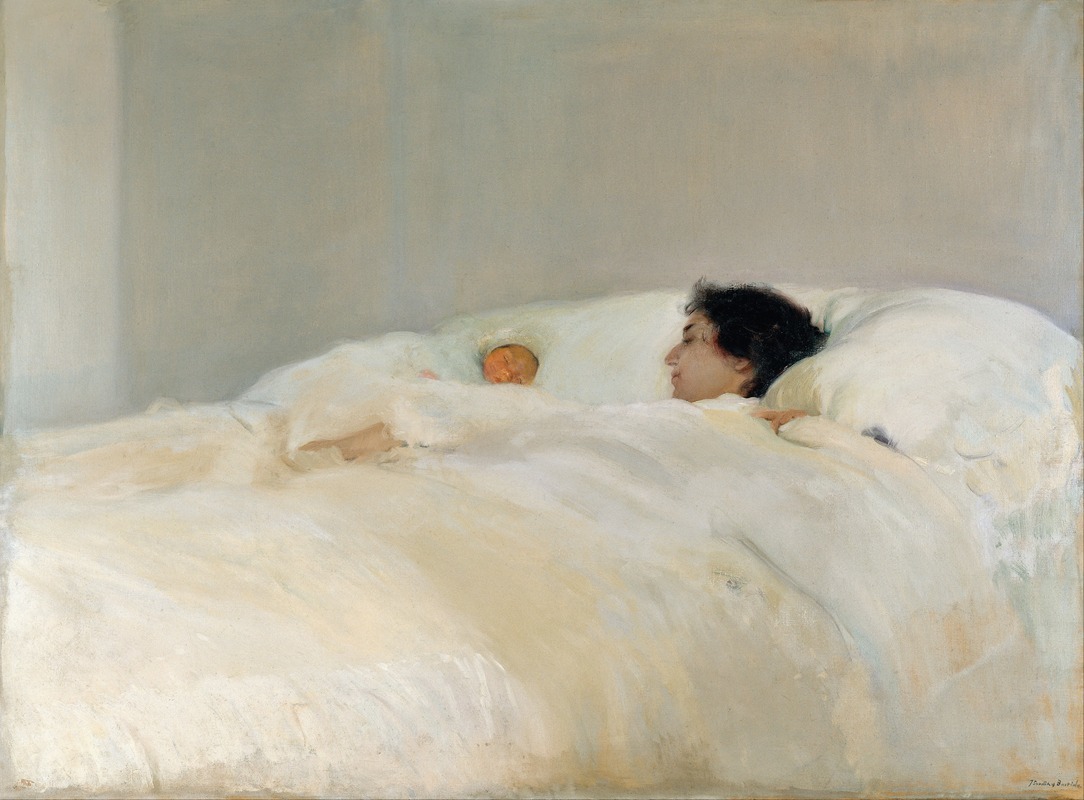
Mother
Joaquín Sorolla
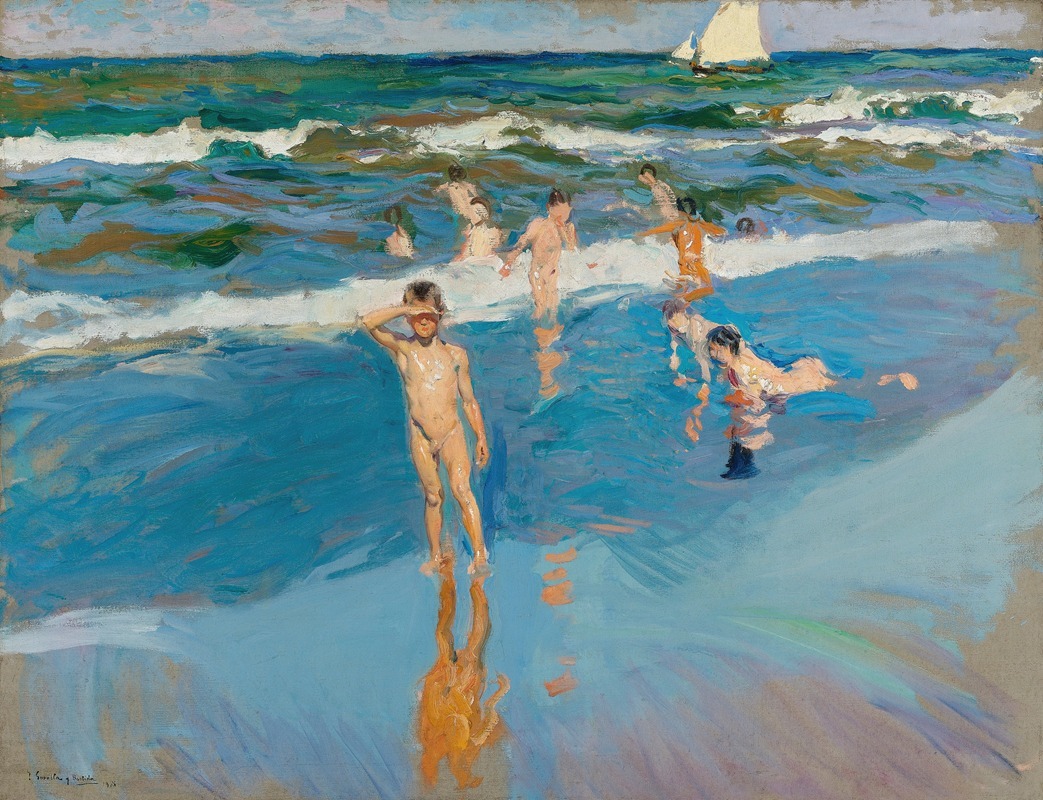
Children In The Sea, Valencia Beach
Joaquín Sorolla
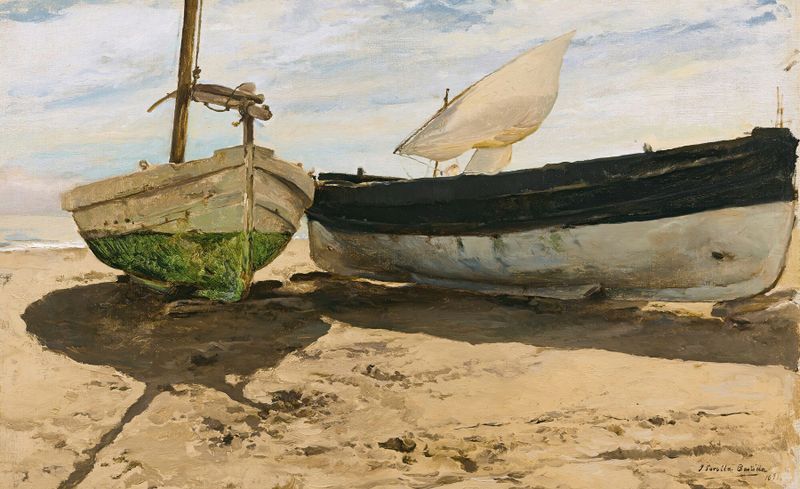
Fishing Boats On The Beach, Valencia
Joaquín Sorolla
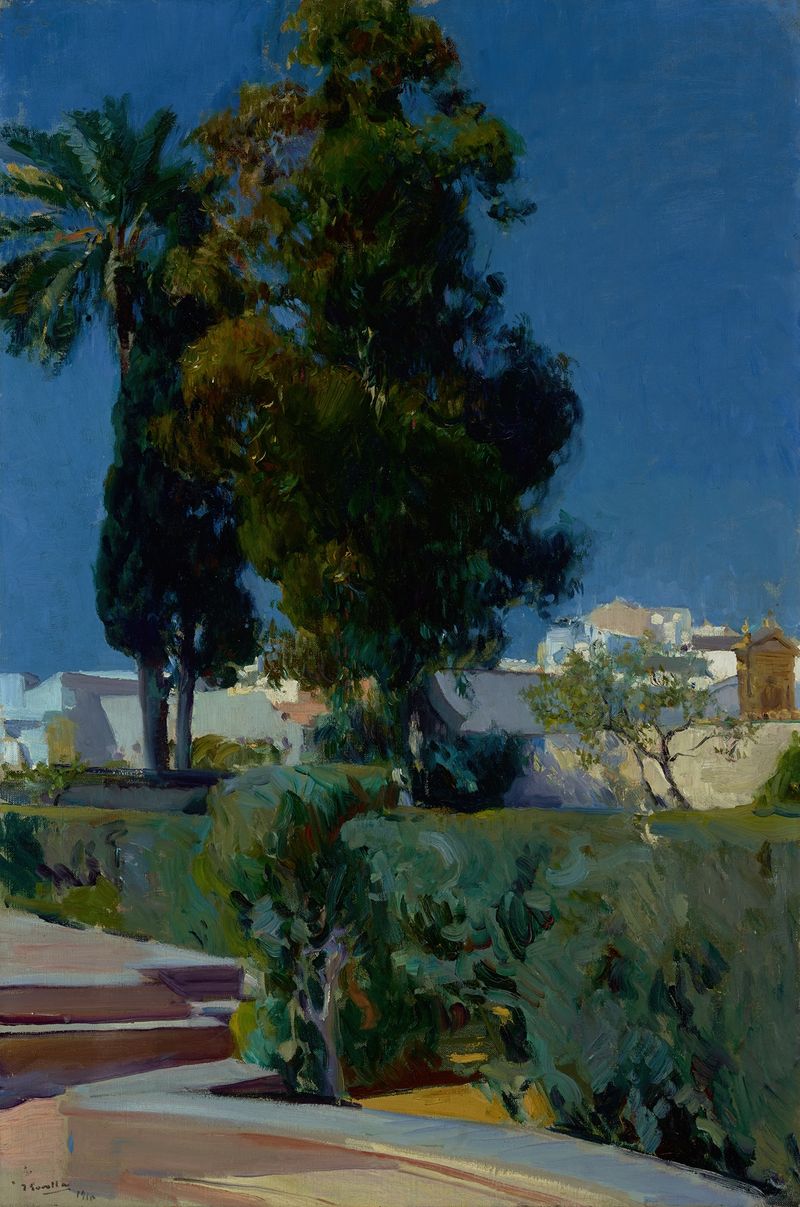
Corner of the Garden, Alcazar, Sevilla
Joaquín Sorolla
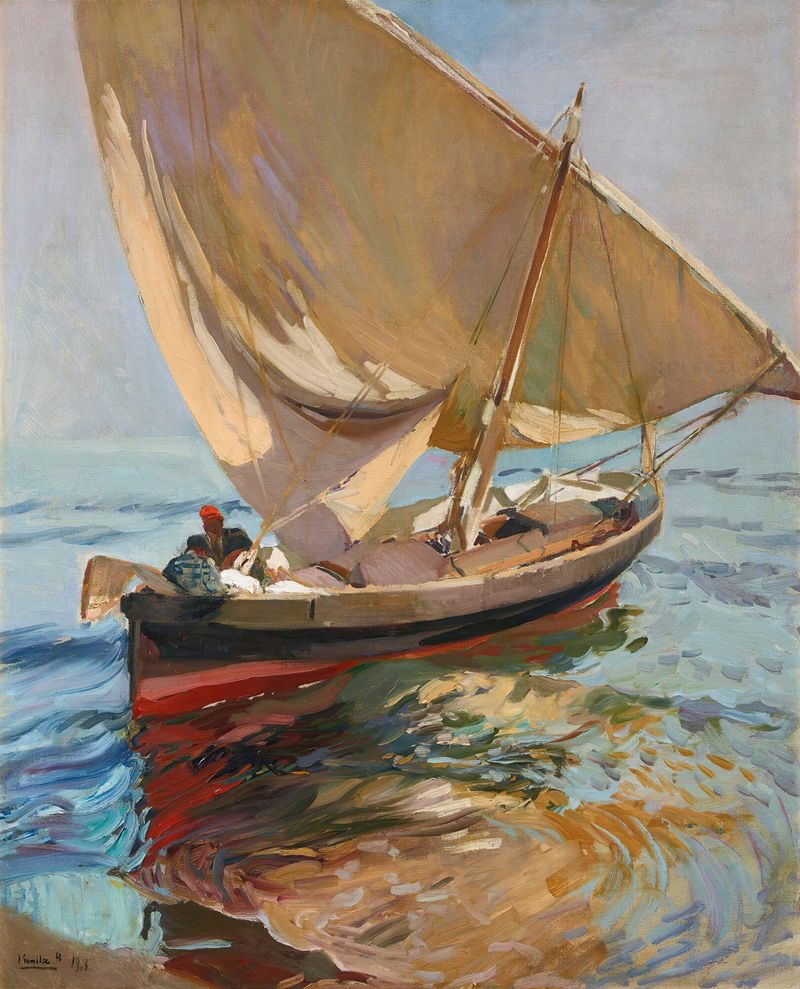
Camino De La Pesca. Valencia (Setting Out To Sea. Valencia)
Joaquín Sorolla
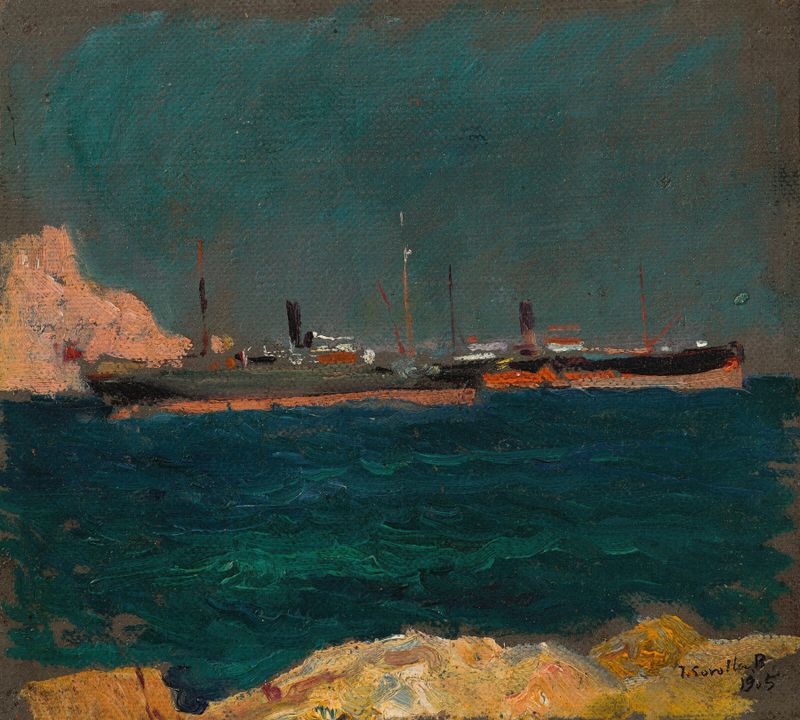
Puerto de Jávea (II)
Joaquín Sorolla
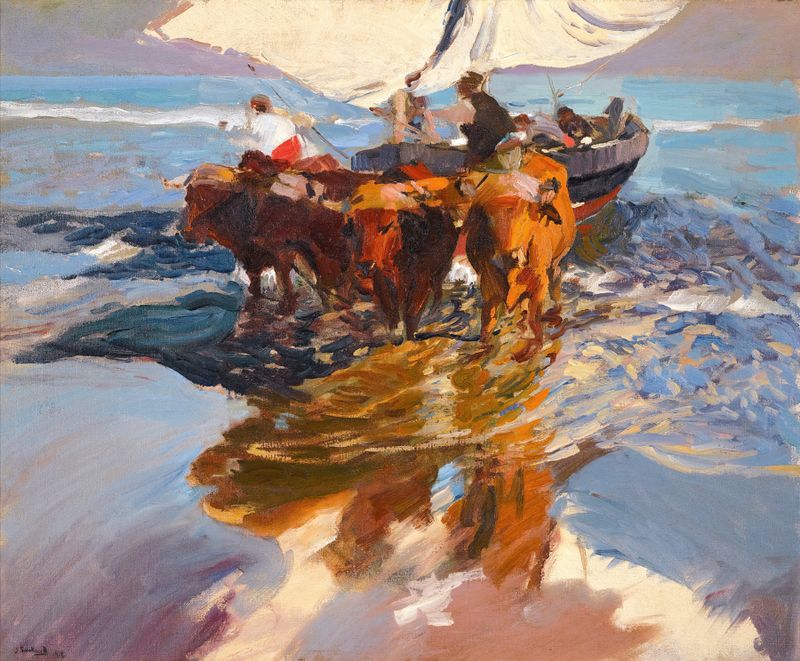
Vuelta De La Pesca. Playa De Valencia (The Return From Fishing, Valencia Beach)
Joaquín Sorolla
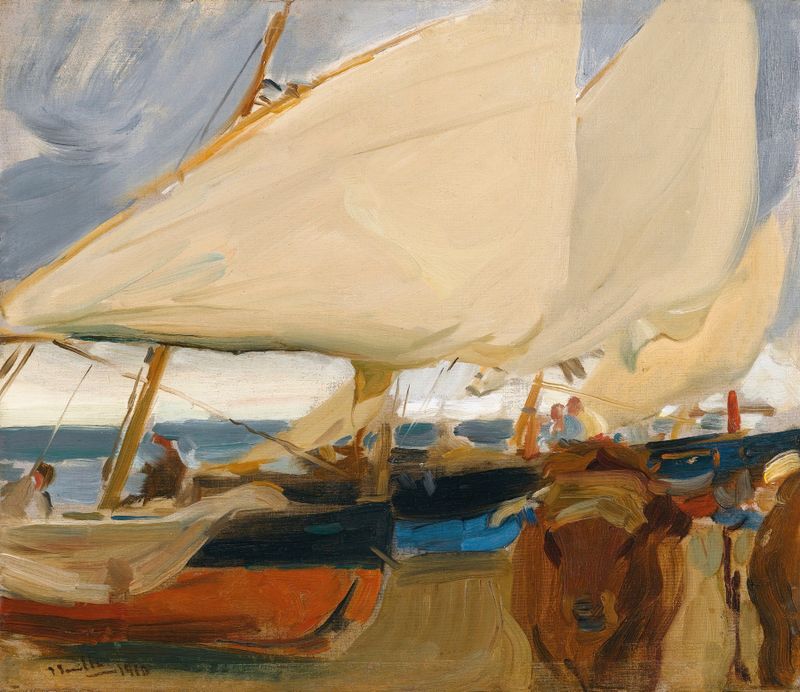
Playa De Valencia
Joaquín Sorolla
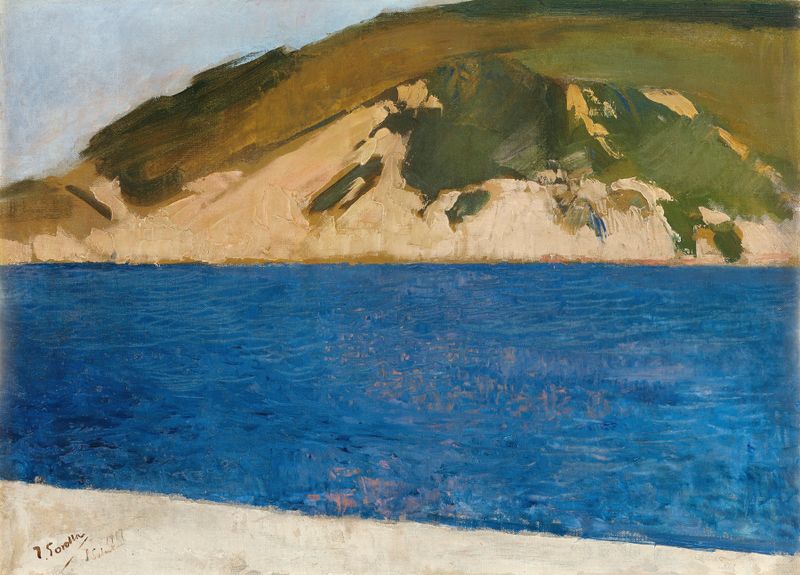
Monte Ulía, San Sebastián
Joaquín Sorolla
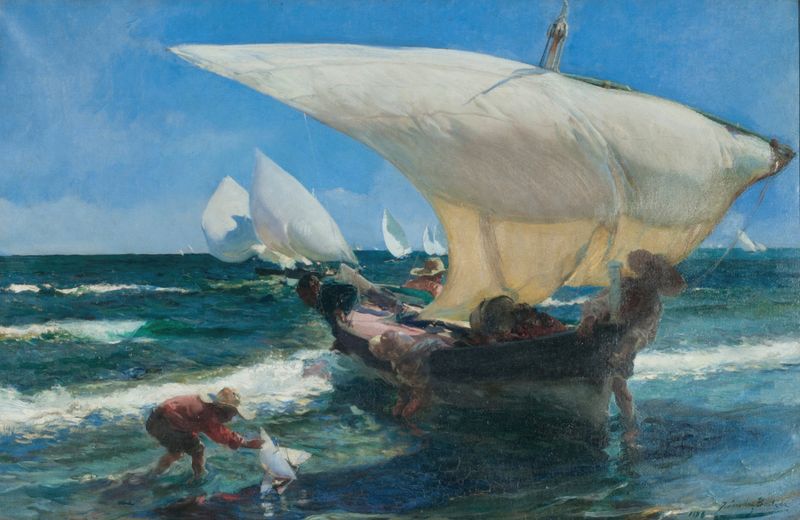
En la costa de Valencia
Joaquín Sorolla





