
Playa De Valencia — History & Facts
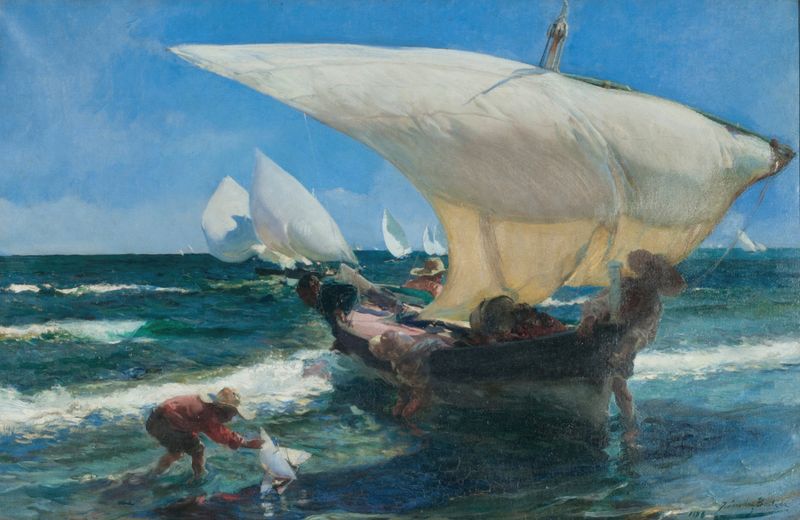
Can paint confess what words never could? In Playa De Valencia, the brush captures a moment that resonates far beyond the canvas, reflecting the enduring legacy of sunlit shores and shared memories. Look to the left at the shimmering expanse of the Mediterranean, where waves dance playfully under the warm Spanish sun. The vivid blues and whites create an enchanting contrast, drawing the eye to the delicate interplay of light upon water. Notice how the figures, engaged in leisure, are bathed in a golden glow, their movement fluid and organic, as if the artist captured the very essence of summer in their gestures. Amidst the vibrant colors, there lies a deeper narrative of connection and nostalgia, inviting viewers to reflect on their own moments of joy by the sea.
The scattered figures suggest both community and individuality, striking a balance between togetherness and solitude. The swirling waves may symbolize the passage of time, reminding us that while moments are fleeting, their impressions linger like footprints in the sand. In 1910, Joaquín Sorolla painted this masterpiece in his native Spain, at a time when he was gaining international acclaim for his work. The early 20th century was a period of vibrant artistic exploration, as Impressionism and light captured the imagination of many.
Sorolla's focus on capturing light and color was not only a personal pursuit but also a response to a changing world, where the fleeting beauty of daily life became increasingly recognized and celebrated.
More Artworks by Joaquín Sorolla
Browse all →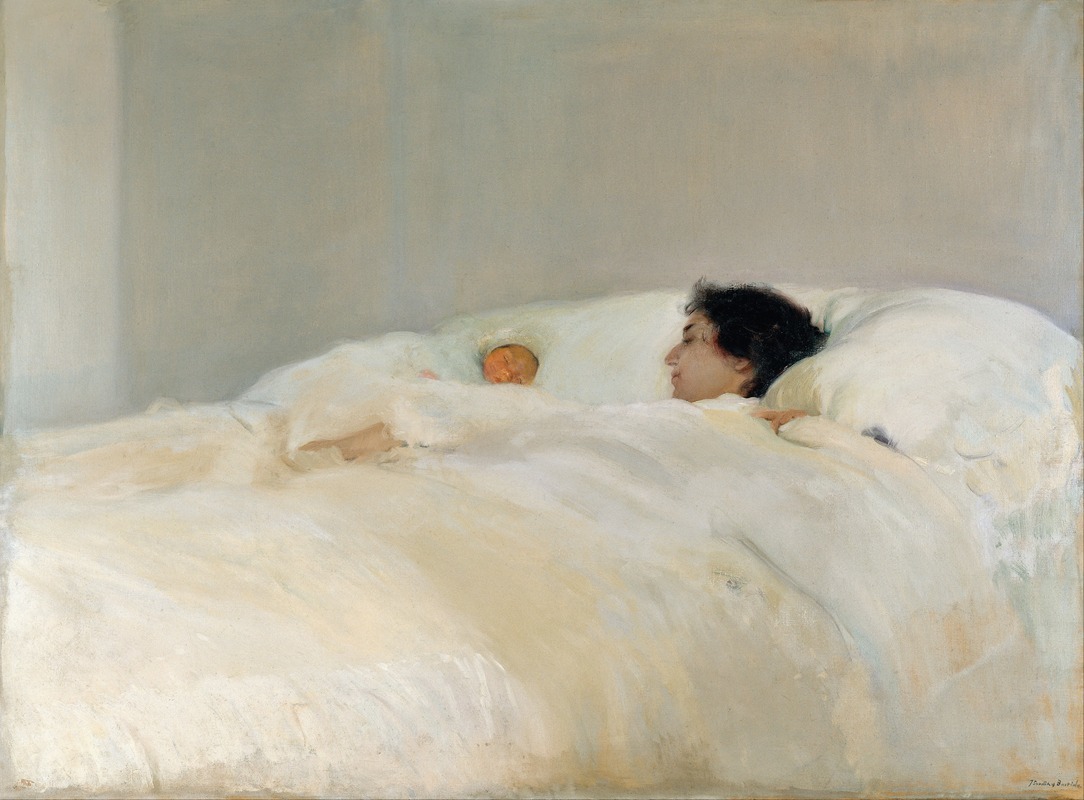
Mother
Joaquín Sorolla
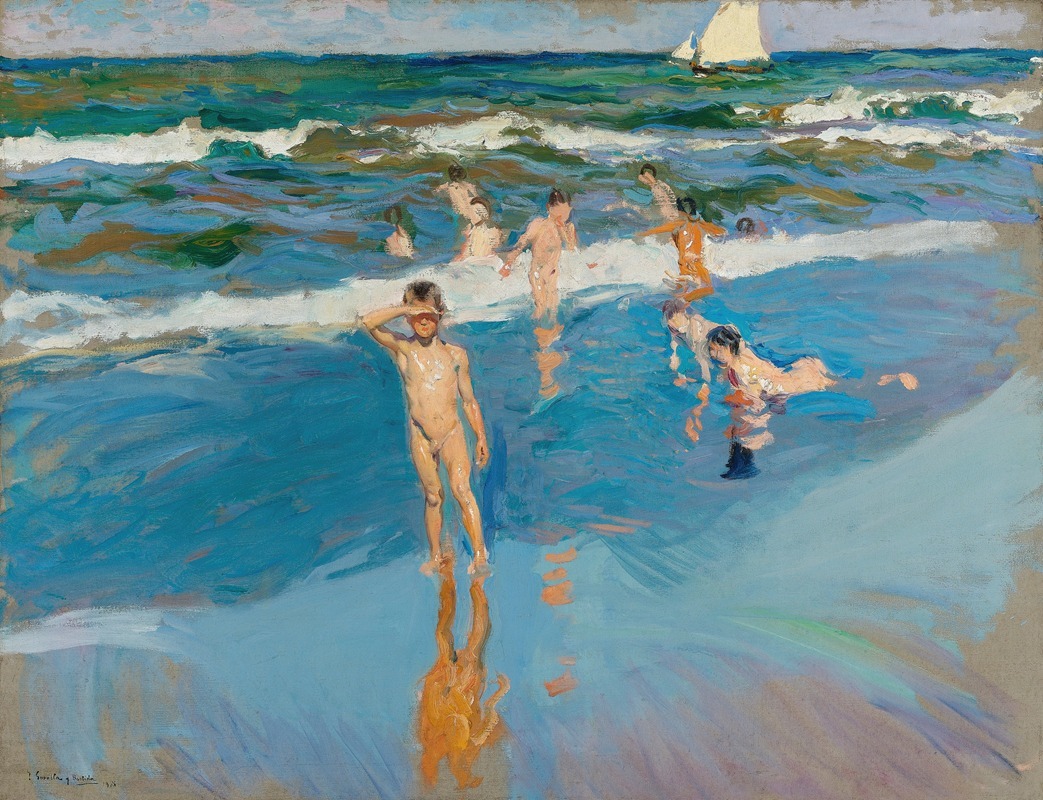
Children In The Sea, Valencia Beach
Joaquín Sorolla
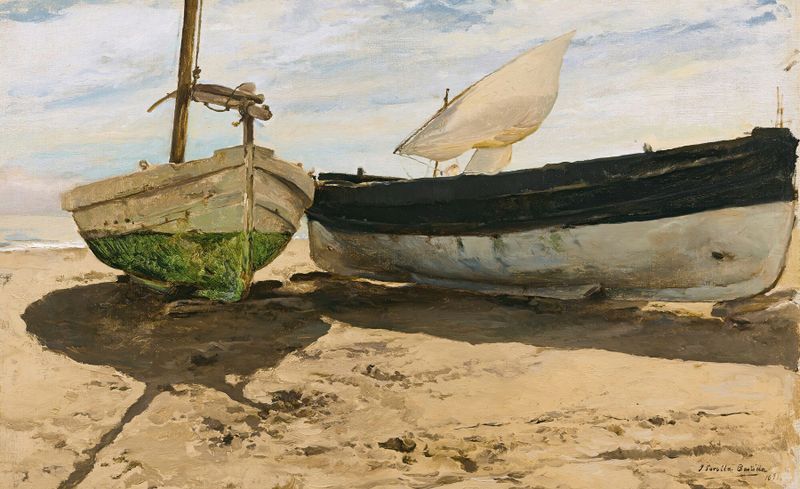
Fishing Boats On The Beach, Valencia
Joaquín Sorolla
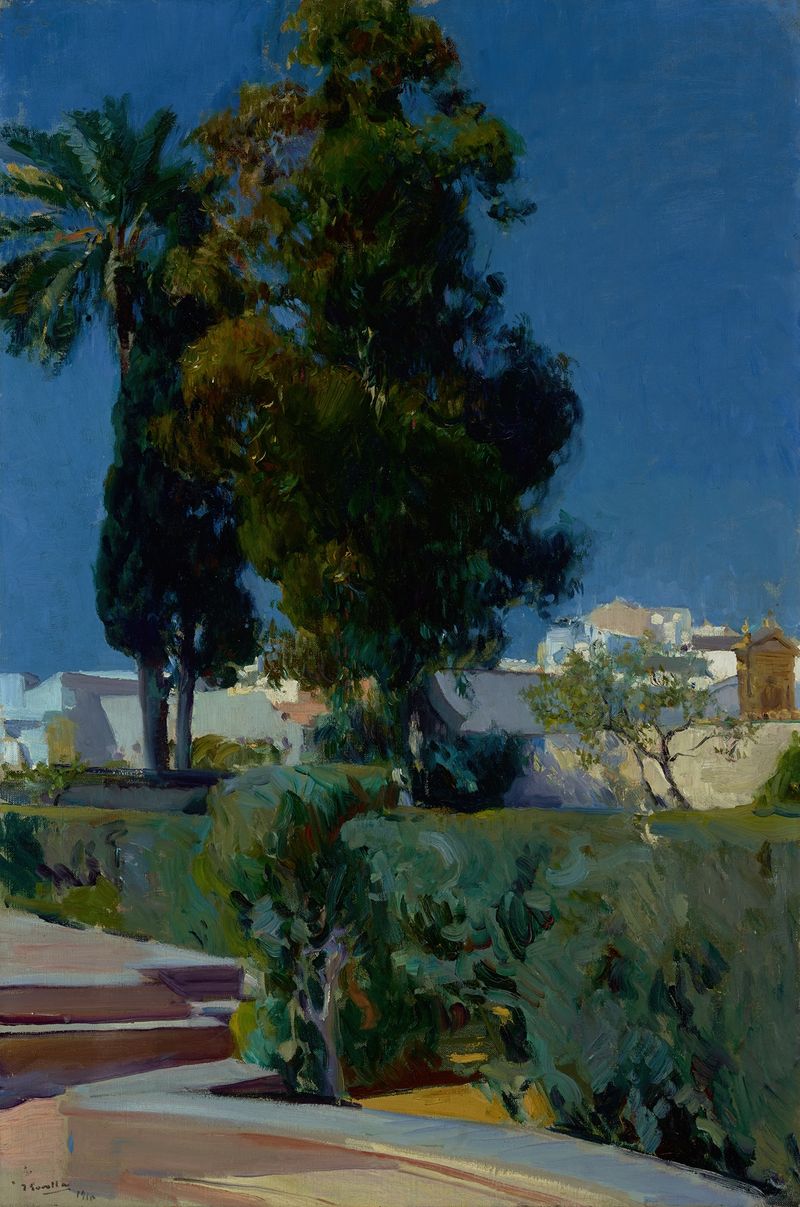
Corner of the Garden, Alcazar, Sevilla
Joaquín Sorolla
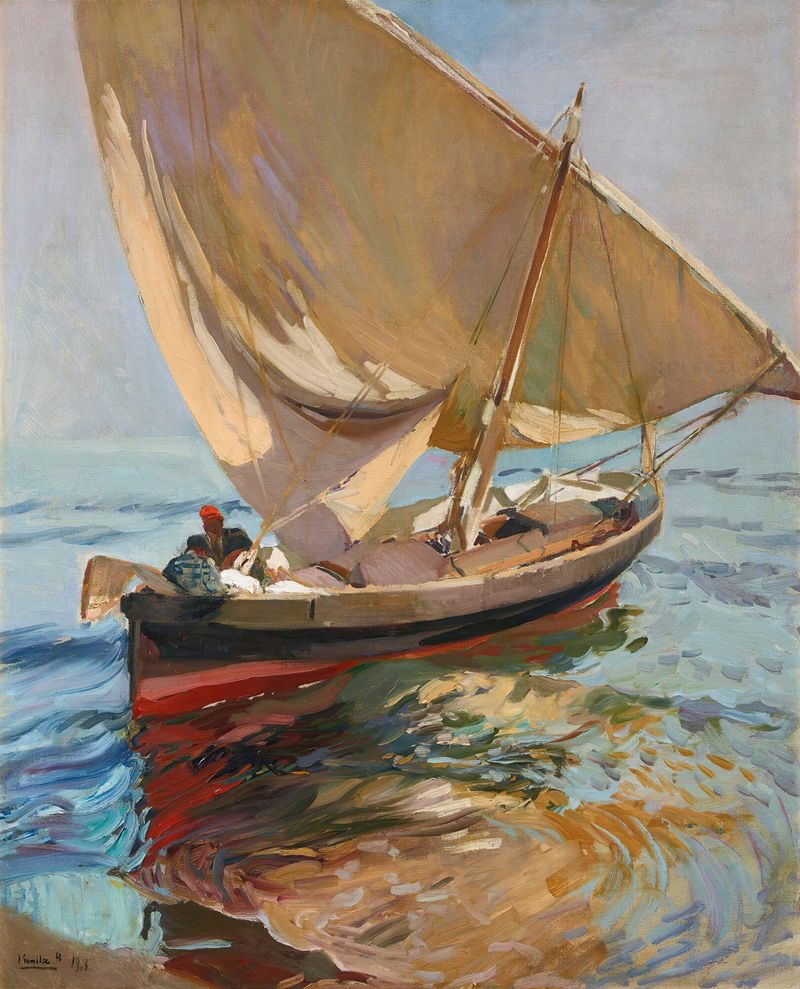
Camino De La Pesca. Valencia (Setting Out To Sea. Valencia)
Joaquín Sorolla
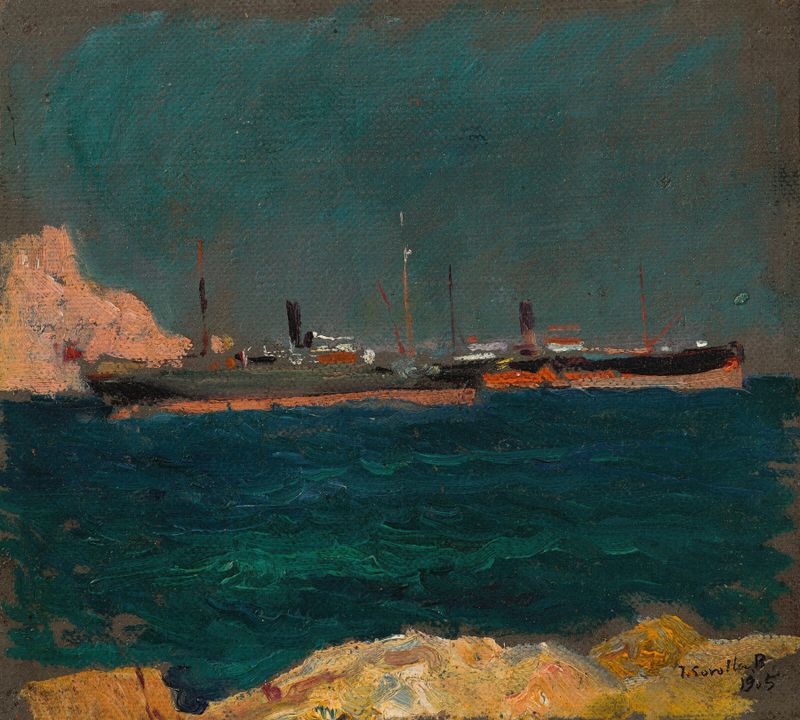
Puerto de Jávea (II)
Joaquín Sorolla
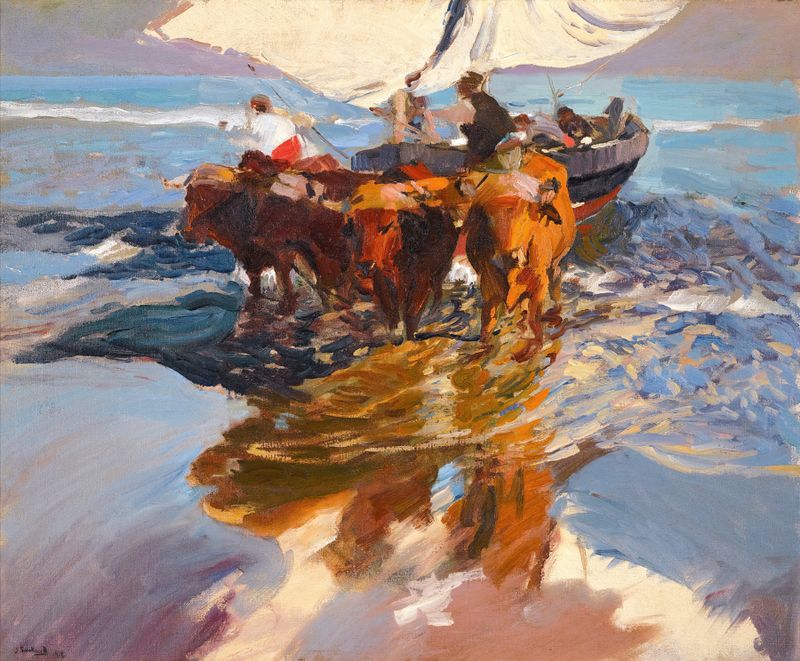
Vuelta De La Pesca. Playa De Valencia (The Return From Fishing, Valencia Beach)
Joaquín Sorolla
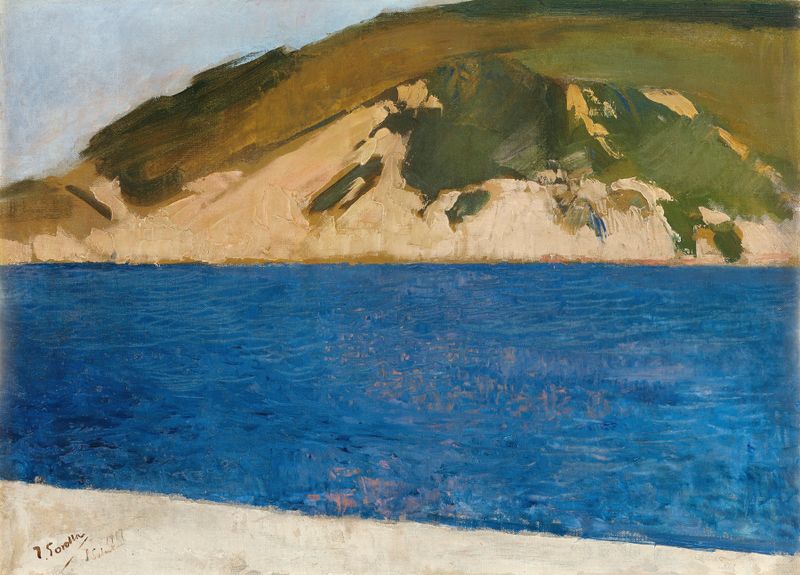
Monte Ulía, San Sebastián
Joaquín Sorolla
En la costa de Valencia
Joaquín Sorolla
Jardín De Los Adarves, Alhambra, Granada
Joaquín Sorolla





