
Alice — History & Facts
Who listens when art speaks of silence? In Alice, a portrait steeped in intimacy and grace, the stillness of the moment invites a deep contemplation of divinity and presence. Look to the left, where Alice’s serene expression captures your attention, framed by soft, diffused light that bathes her figure. The delicate interplay of subtle brush strokes draws out her features, from the gentle curve of her lips to the thoughtful gaze in her eyes. Notice how the vibrant greens of her dress contrast with the muted background, creating a harmonious balance that emphasizes her youthful vibrancy, yet whispers of an unspoken depth within. Amidst the beauty, hints of contradiction pulse within the painting.
Alice’s poised demeanor suggests tranquility, yet the shadows play along the edges, hinting at an inner world of uncertainty. The way her hand rests lightly on her lap conveys both vulnerability and strength, a gentle reminder that silence often holds the loudest truths. This duality speaks to a broader human experience, where moments of stillness can evoke a profound sense of spirituality and connection to something greater. Created in 1892, Alice emerged during a transformative period for its creator, who was deeply engaged in the American art scene.
Working primarily in New York, Chase was known for his mastery of light and color, aligning himself with the Impressionist movement. At this time, the art world was shifting towards a focus on personal expression and the exploration of psychological depth, reflecting the societal changes surrounding him. Chase's pursuit of capturing the essence of his subject laid the groundwork for a new era in portraiture, where emotion and silence intertwined seamlessly.
More Artworks by William Merritt Chase
Browse all →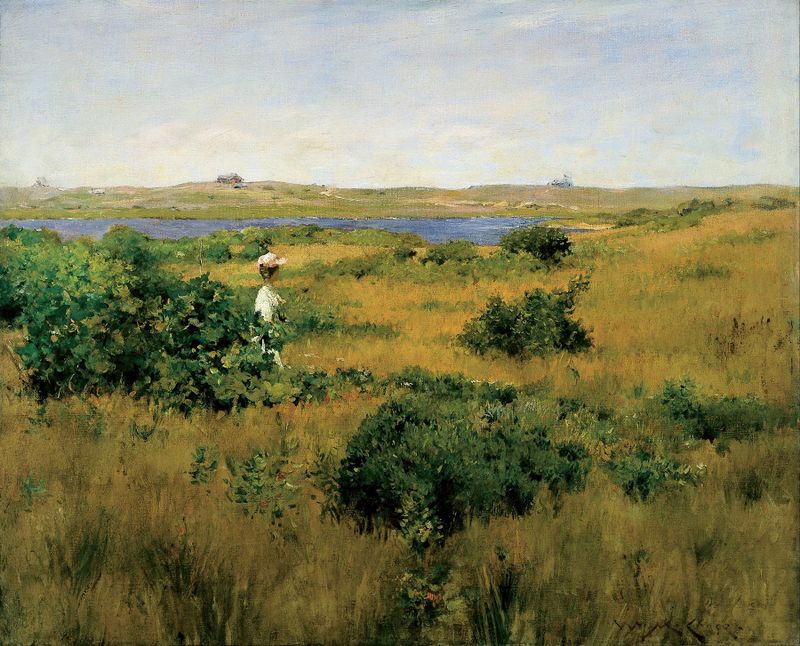
Summer at Shinnecock Hills
William Merritt Chase

A City Park
William Merritt Chase

Morning at Breakwater, Shinnecock
William Merritt Chase

Shinnecock Hills
William Merritt Chase

Terrace, Prospect Park
William Merritt Chase
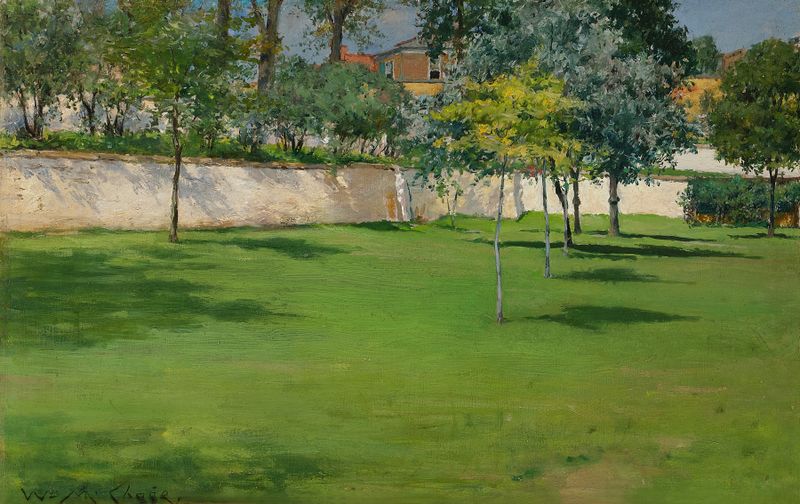
Summer-Time
William Merritt Chase
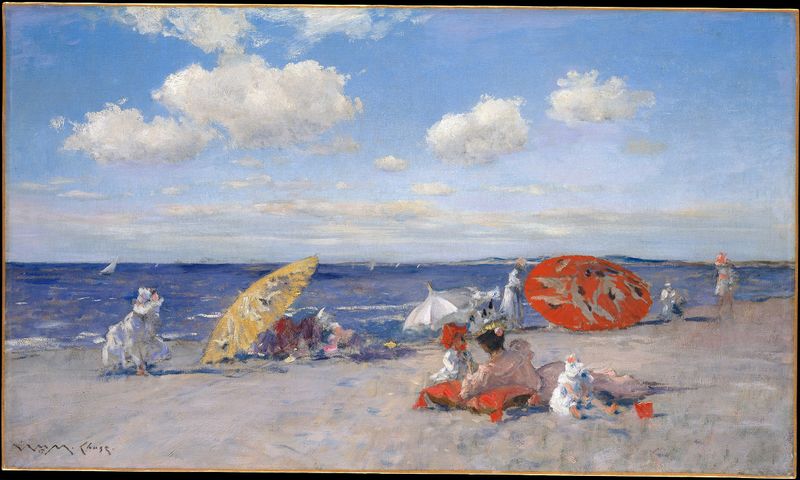
At the Seaside
William Merritt Chase

Idle Hours
William Merritt Chase
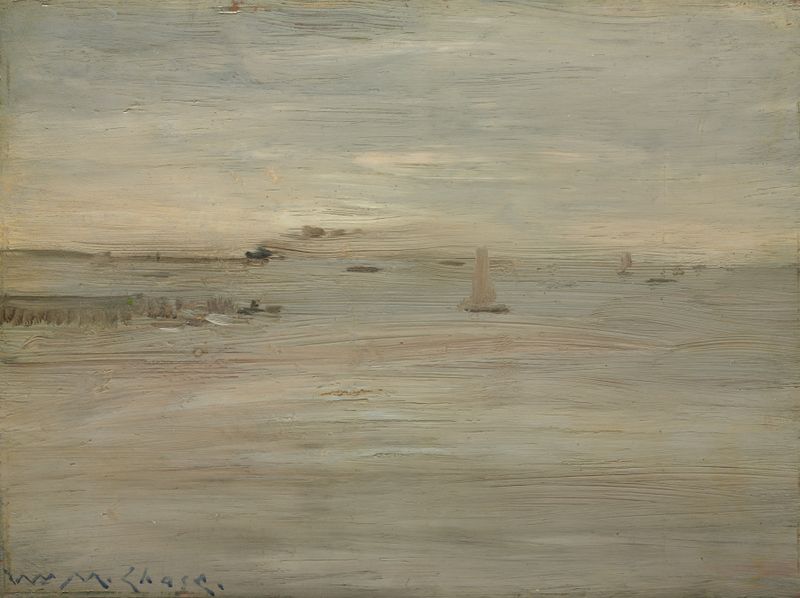
Marine
William Merritt Chase

Wheat Field
William Merritt Chase
More Portrait Art
Browse all →
Las meninas
Diego Velázquez

Self-portrait with a Bandaged Ear and Pipe
Unidentified artist

Girl with a Pearl Earring
Johannes Vermeer

The Sampling Officials of the Amsterdam Drapers’ Guild, Known as ‘The Syndics’
Rembrandt van Rijn

The Hundred Guilder Print: the man seen on the back in the lower left corner
Rembrandt van Rijn

Portrait of Dr Gachet
Vincent van Gogh