
allegorical portrait of Dante — History & Facts
What draws the eye first is the sweep of light that catches the poet’s profile and the open book in his lap, as if the world itself pauses to listen to his words. Agnolo Bronzino presents Dante not as a distant icon but as a living mind at the threshold of revelation. The laurel crown signals poetic triumph, but it is the book—his Divine Comedy, open to Canto XXV of the Paradiso—that anchors the scene.
Dante’s gaze is fixed beyond the viewer, toward a luminous mountain rising from a calm sea, its summit crowned with fire. The hand that holds the manuscript is steady, while the other gestures toward a shadowed cityscape, perhaps Florence, hinting at the poet’s exile and longing. This is a portrait shaped by the ideals and ambitions of the mid-to-late sixteenth century, when Florentine artists and patrons looked to the past to define the present. Allegorical portraits such as this, painted between 1550 and 1591, were not mere likenesses but visual arguments: here, Dante embodies the union of poetic genius and moral authority.
The open book is no prop; it is a declaration that the poet’s vision is inseparable from the world he shaped with words. In the era of Bronzino, such works were both homage and aspiration—celebrating intellect, civic pride, and the enduring power of art to illuminate the path from darkness to light. The painting invites you to linger, to read over Dante’s shoulder, and to follow his gaze into the glowing distance.
More Artworks by Agnolo Bronzino

Eleonora Of Toledo
Agnolo Bronzino
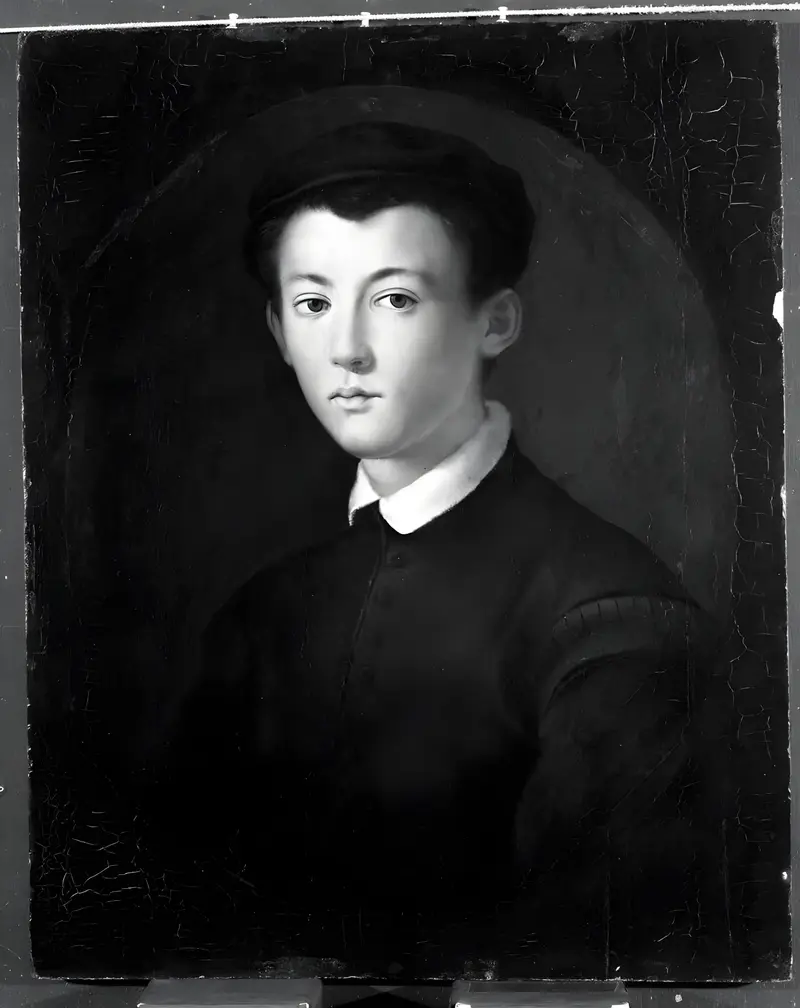
Portrait of a Young Man
Agnolo Bronzino
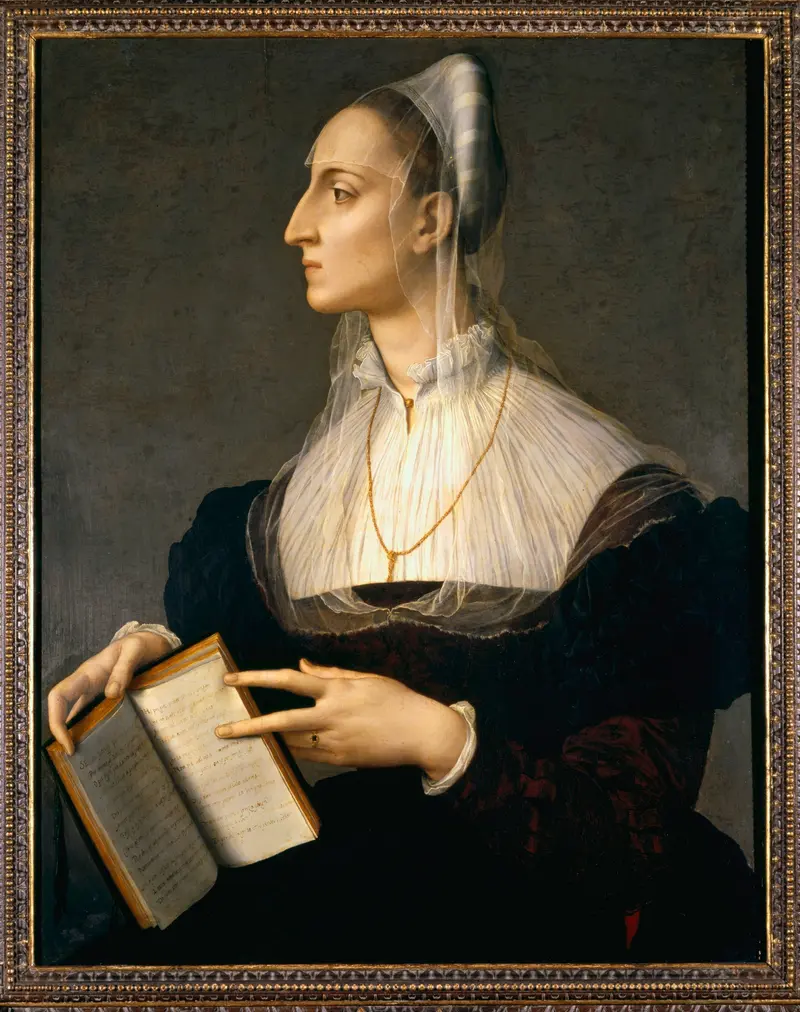
Portrait Of Laura Battiferri
Agnolo Bronzino
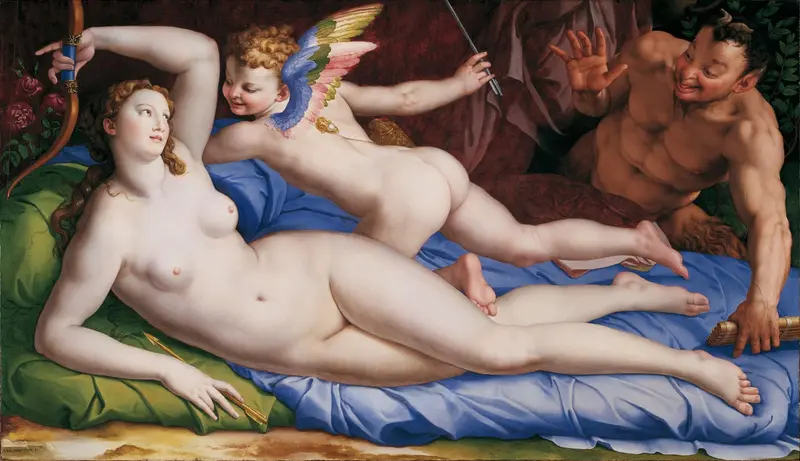
Venus, Cupid And Satyr
Agnolo Bronzino
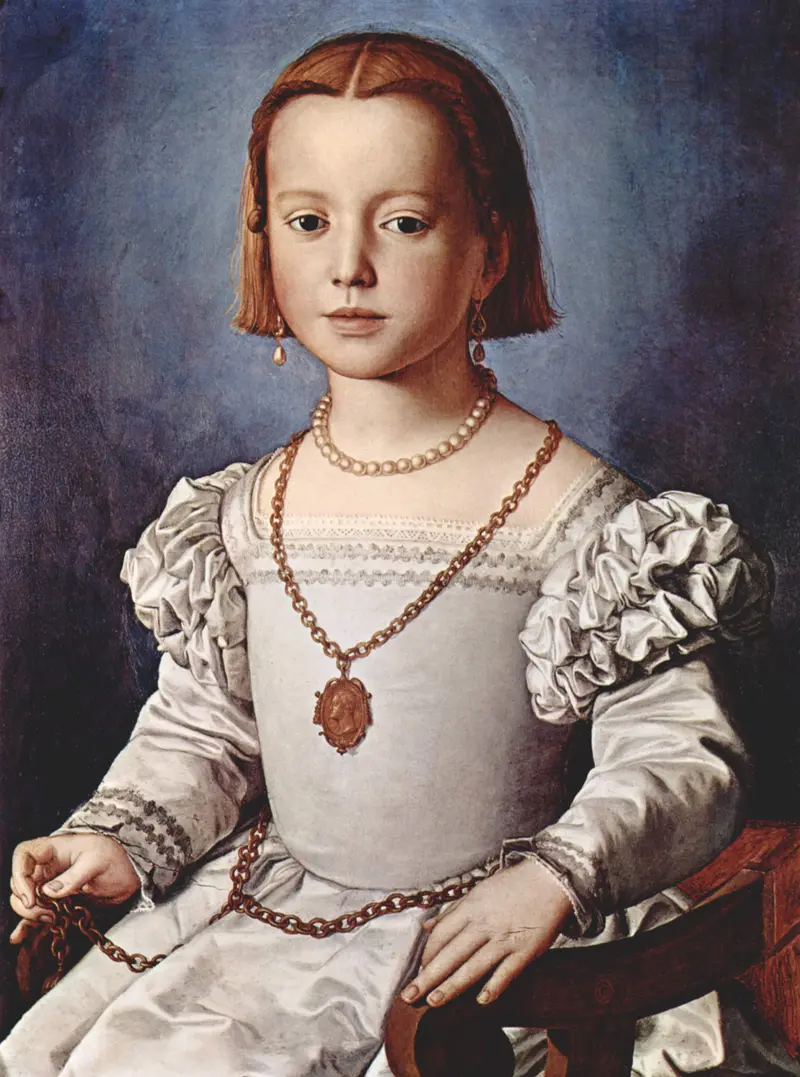
Bia Di Cosimo De‘ Medici
Agnolo Bronzino
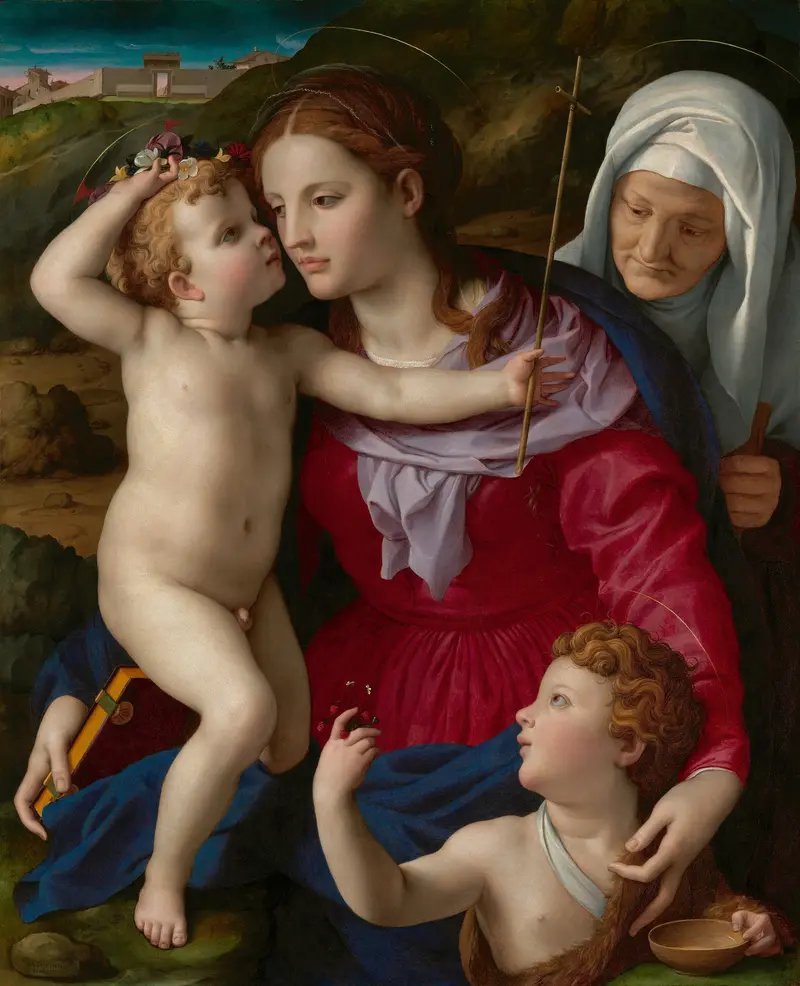
Virgin and Child with Saint Elizabeth and Saint John the Baptist
Agnolo Bronzino
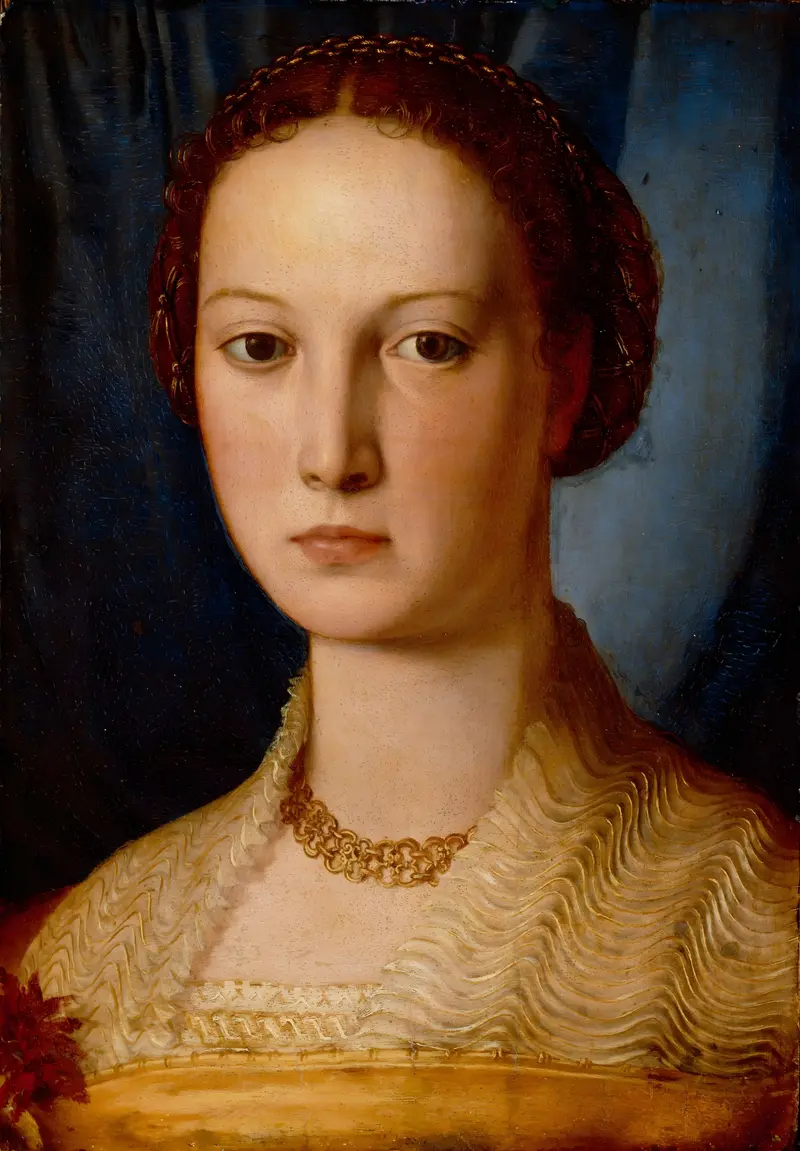
Costanza Da Sommaia
Agnolo Bronzino
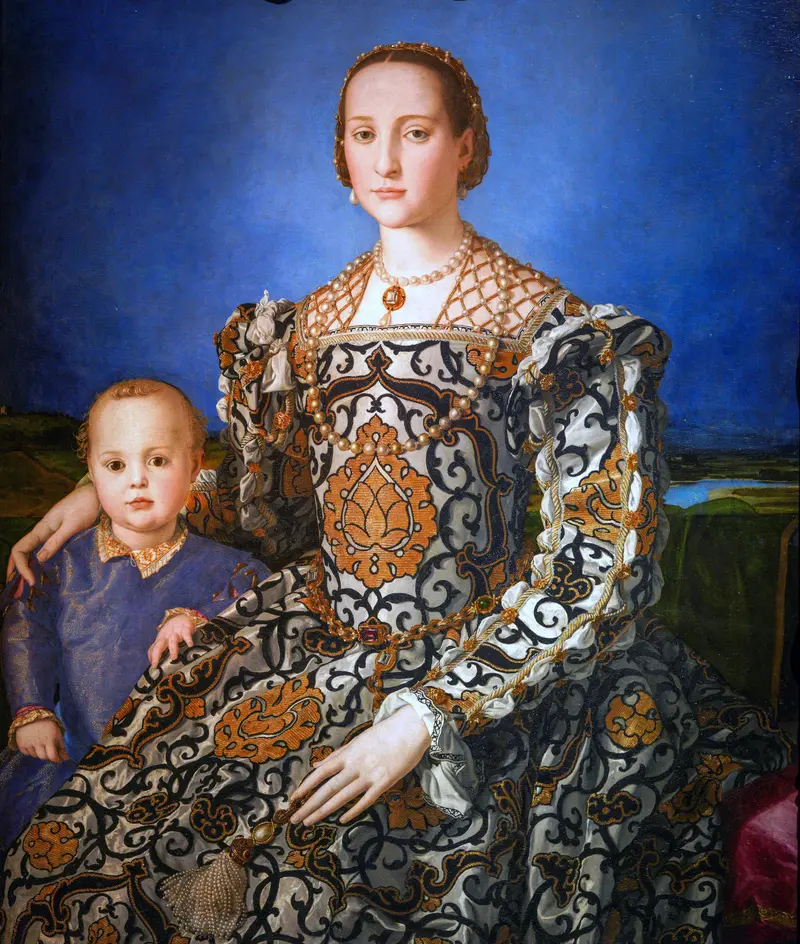
Portrait of Eleanor of Toledo with Her Son Giovanni de’ Medici
Agnolo Bronzino
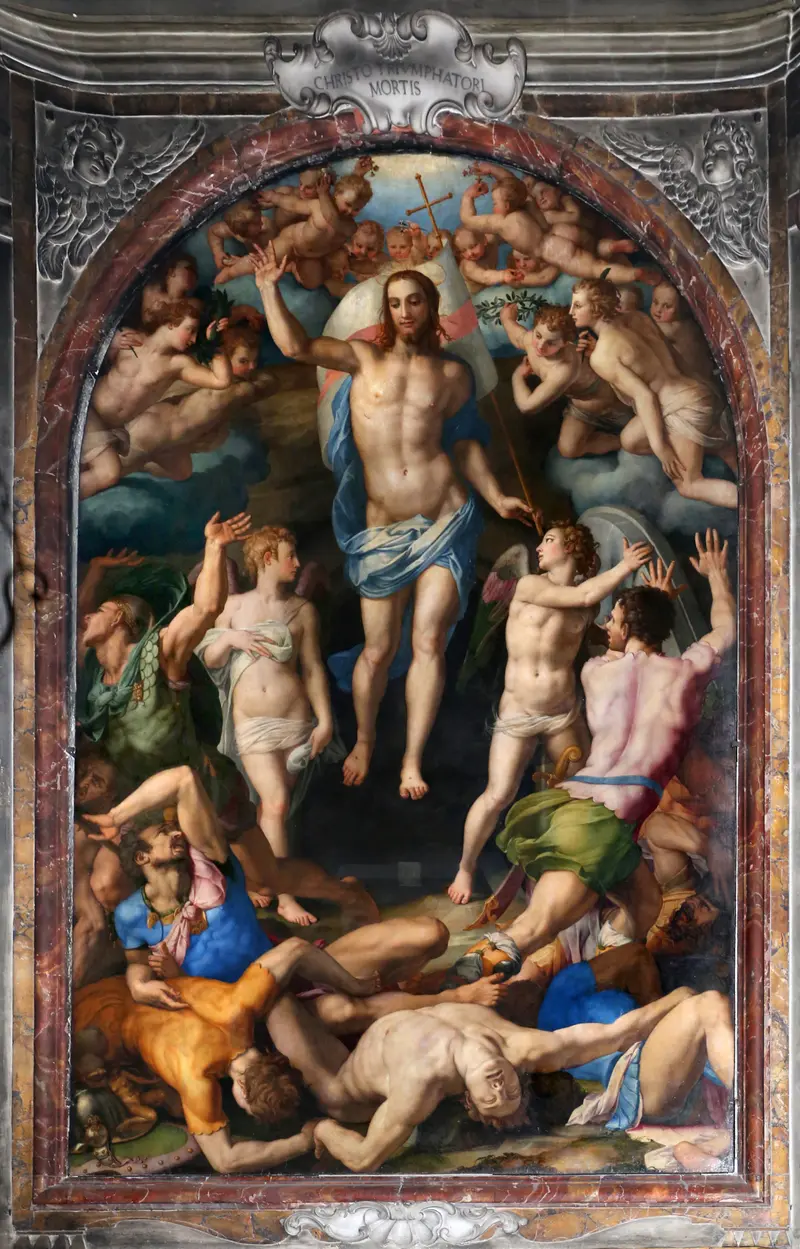
Resurrection Of Christ
Agnolo Bronzino
Saint Sebastian
Agnolo Bronzino





