
Allegorie Jüngling — History & Facts
In Allegorie Jüngling, Koloman Moser presents a vibrant composition filled with intricate patterns and rich colors. The painting features a youthful male figure, adorned with decorative elements that reflect the Art Nouveau style. The background is a blend of organic forms and flowing lines, creating a sense of movement.
The overall atmosphere is lively and engaging, inviting viewers to explore the details. The painting is characterized by its use of oil on canvas, allowing for a smooth application of color and detail. Moser employs a palette of bright hues, including greens, blues, and golds, which enhance the decorative quality of the work. The intricate patterns and stylized forms are typical of the Art Nouveau movement, emphasizing harmony between art and nature.
Viewers can appreciate the meticulous craftsmanship that Moser is known for. Koloman Moser was a prominent figure in the Vienna Secession movement, which sought to break away from traditional artistic conventions. Allegorie Jüngling reflects his commitment to decorative arts and the integration of fine art with design. An interesting fact about this work is that it exemplifies Moser's ability to blend figurative elements with ornamental patterns, making it a significant piece in his oeuvre.
Moser's influence extends beyond painting, impacting graphic design and architecture in the early 20th century.
More Artworks by Koloman Moser

Butterfly
Koloman Moser
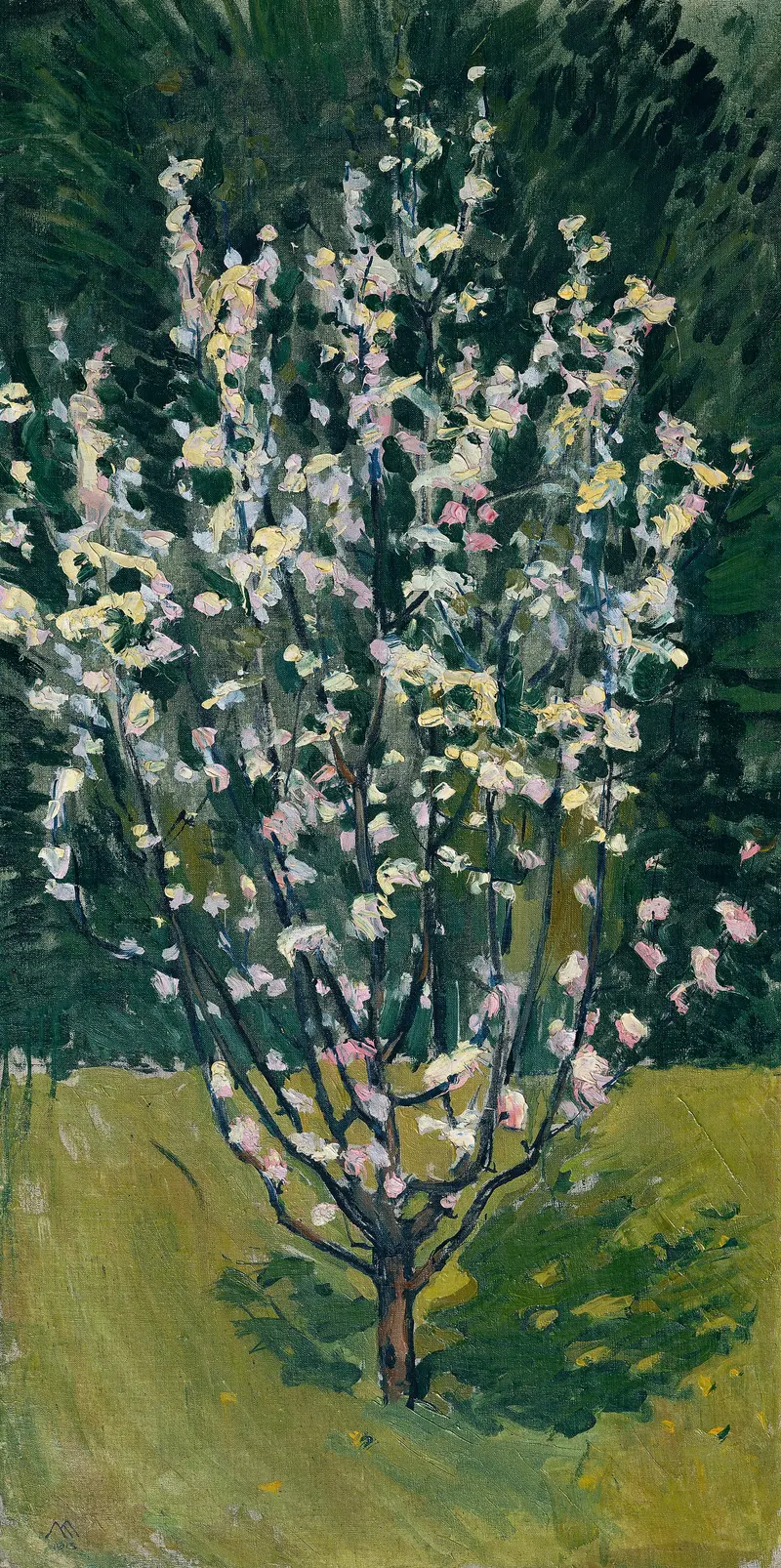
Blühendes Bäumchen
Koloman Moser
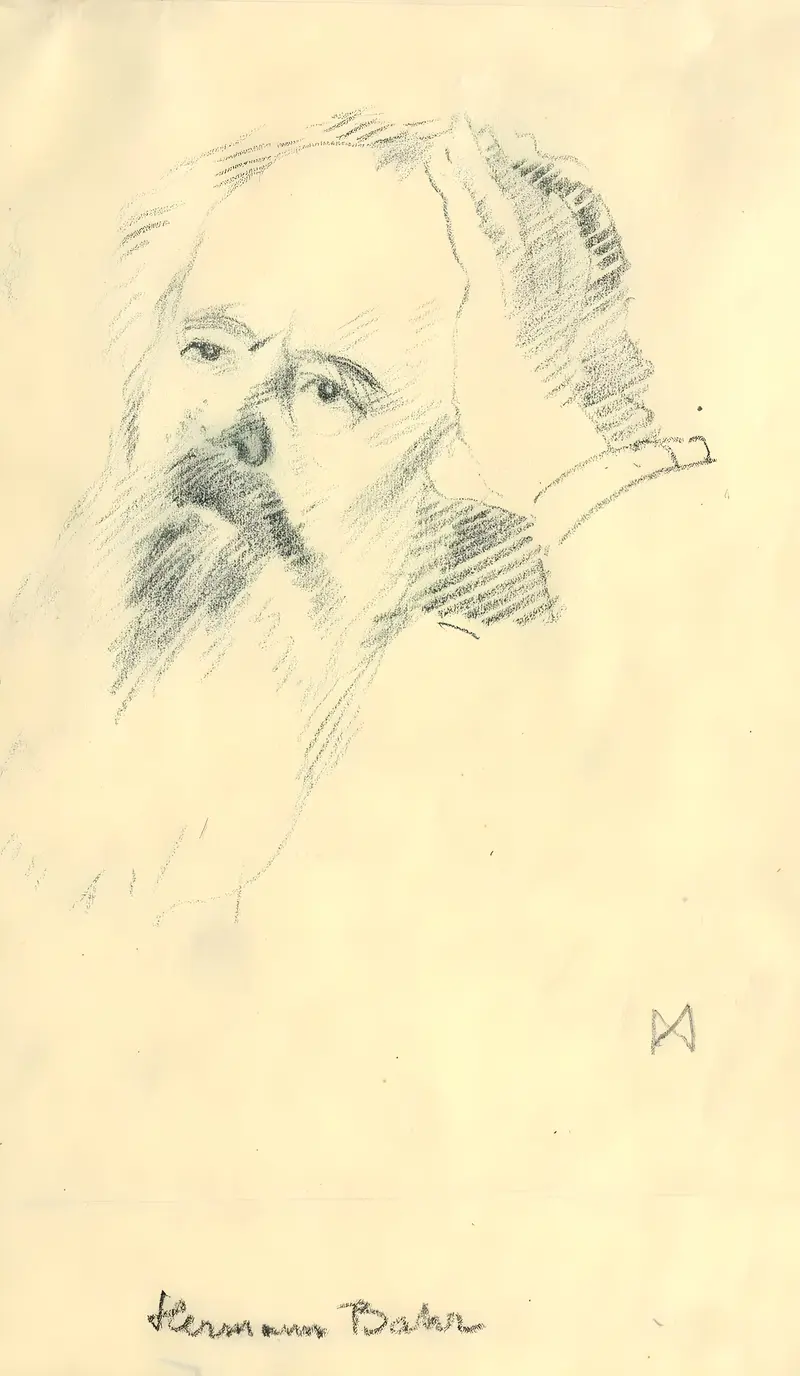
Porträt Hermann Bahr
Koloman Moser

Lesendes Mädchen
Koloman Moser

Liebespaar
Koloman Moser
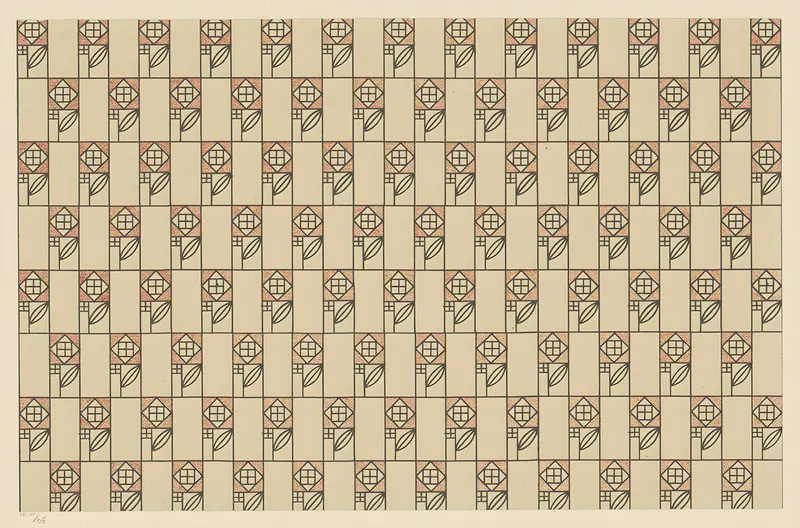
Einwickelpapier der Wiener Werkstätte mit Rosenmarke
Koloman Moser
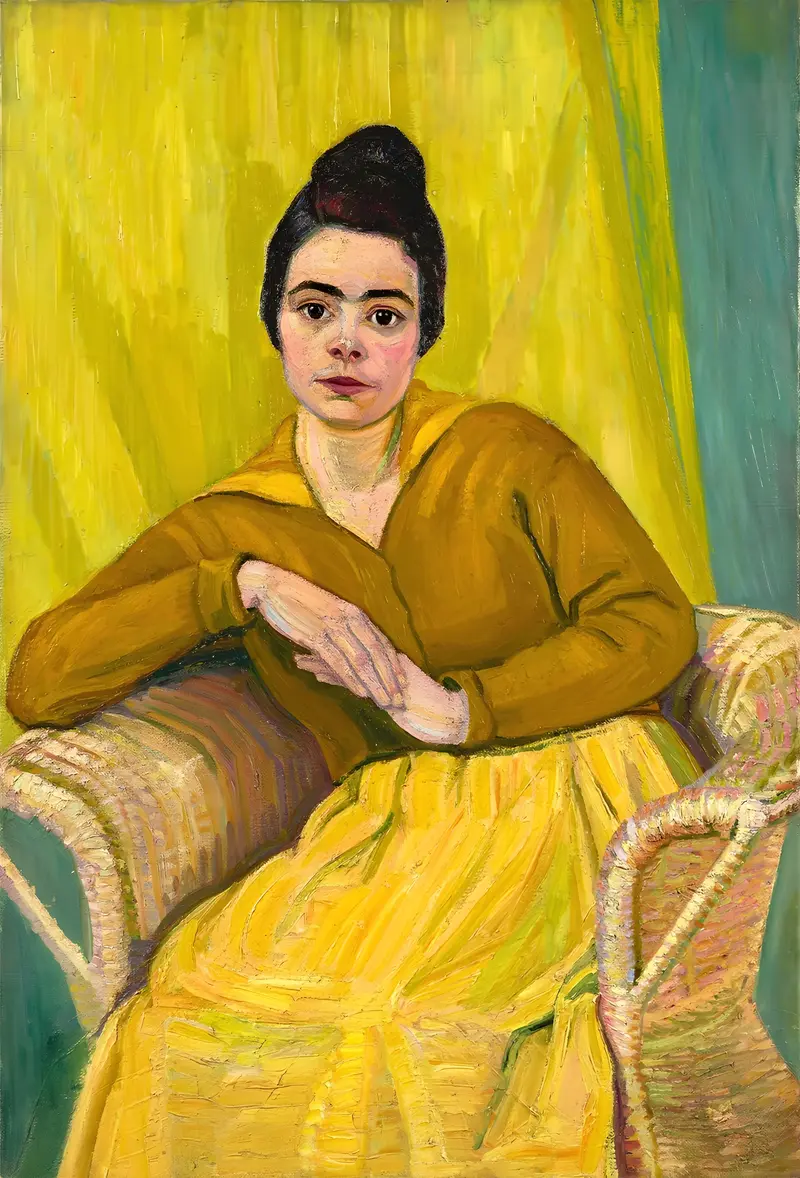
Sitzende Dame im Korbstuhl
Koloman Moser
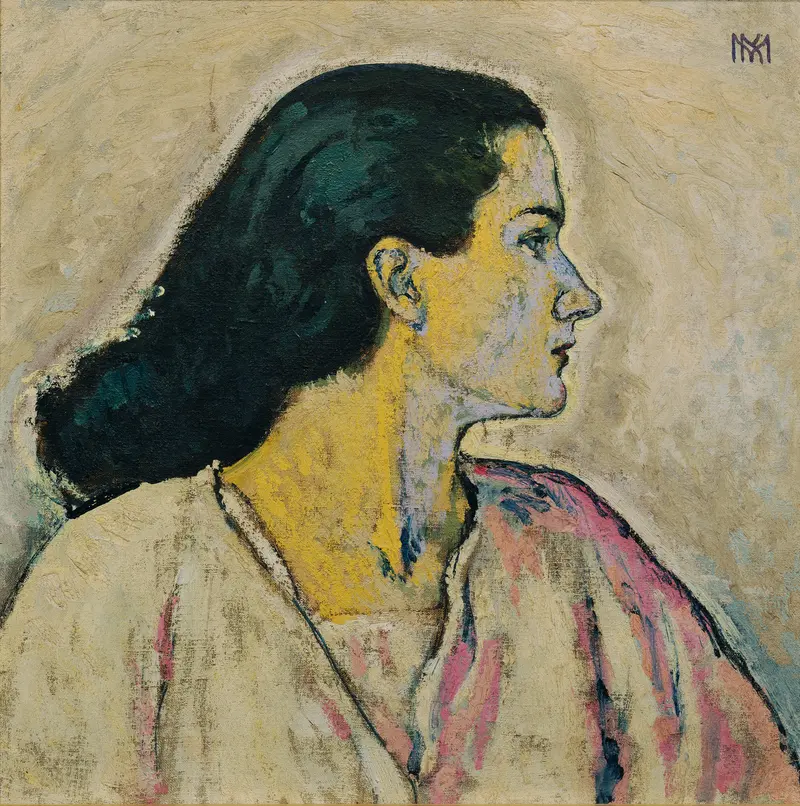
Frauenbildnis im Profil
Koloman Moser
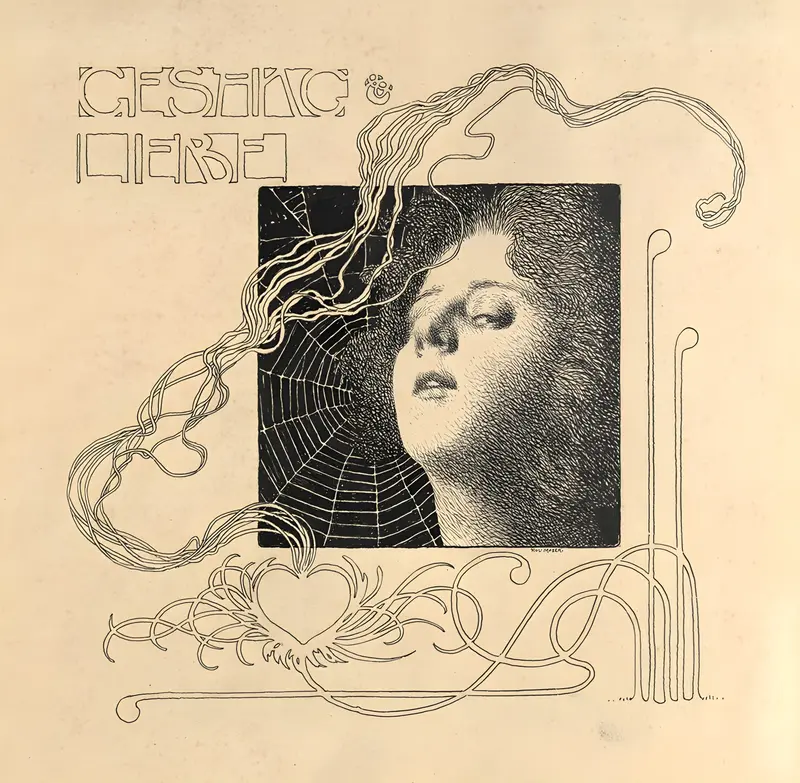
Gesang – Liebe
Koloman Moser
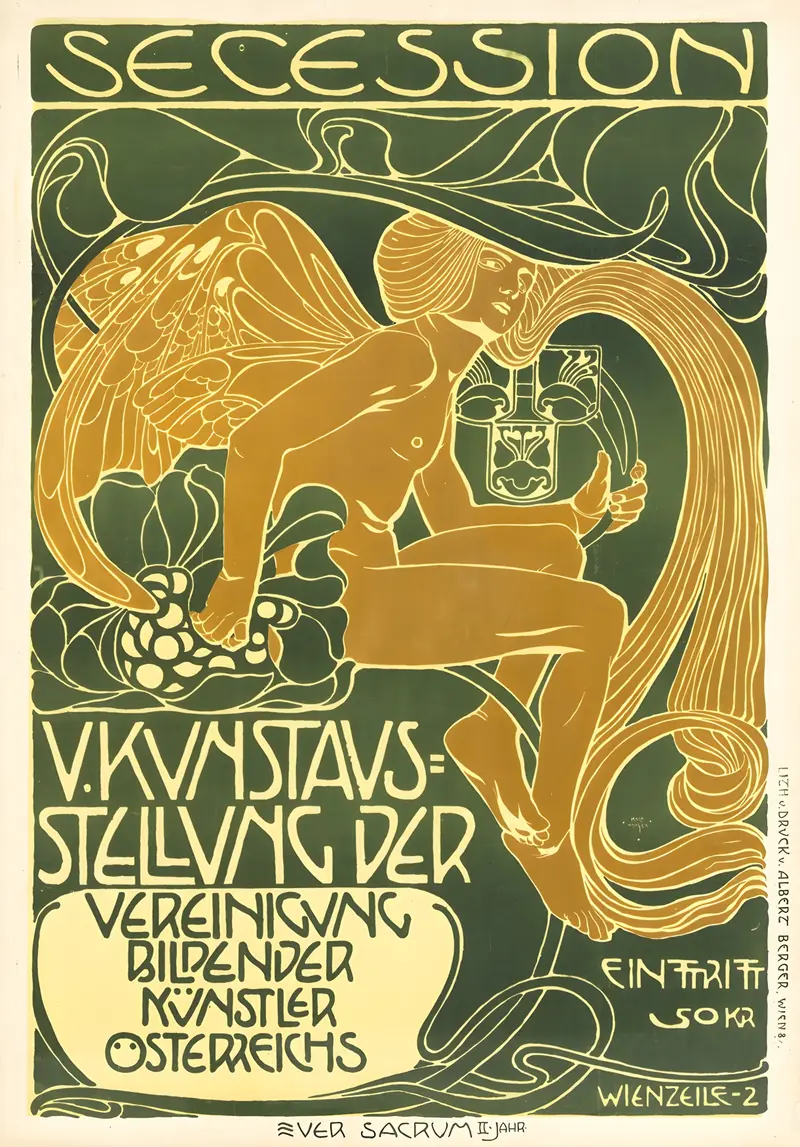
Plakat für die 5. Ausstellung der Secession
Koloman Moser





