Gesang – Liebe — History & Facts
In Gesang – Liebe, Koloman Moser employs a vibrant palette dominated by rich blues, greens, and golds. The composition features stylized figures, possibly representing love and harmony, intertwined with floral motifs. The setting appears to be a dreamlike space, enhancing the artwork's symbolic nature.
The overall effect is one of decorative elegance, characteristic of the Art Nouveau movement. The painting is executed in oil on canvas, allowing for a smooth application of color and intricate detailing. Moser's technique includes the use of flowing lines and organic shapes, typical of Art Nouveau. The dimensions are approximately 80 x 100 cm, making it a substantial piece that draws the viewer's attention.
The artwork's decorative elements are meticulously crafted, showcasing Moser's skill in design. Koloman Moser was a key figure in the Vienna Secession, a movement that sought to break away from traditional art forms. 'Gesang – Liebe' reflects his interest in combining fine art with applied arts, as seen in his work with textiles and furniture design. An interesting fact about this piece is its exploration of themes related to love and beauty, which were central to Moser's artistic philosophy.
This work exemplifies the harmonious blend of functionality and aesthetics that defines Art Nouveau.
More Artworks by Koloman Moser

Butterfly
Koloman Moser
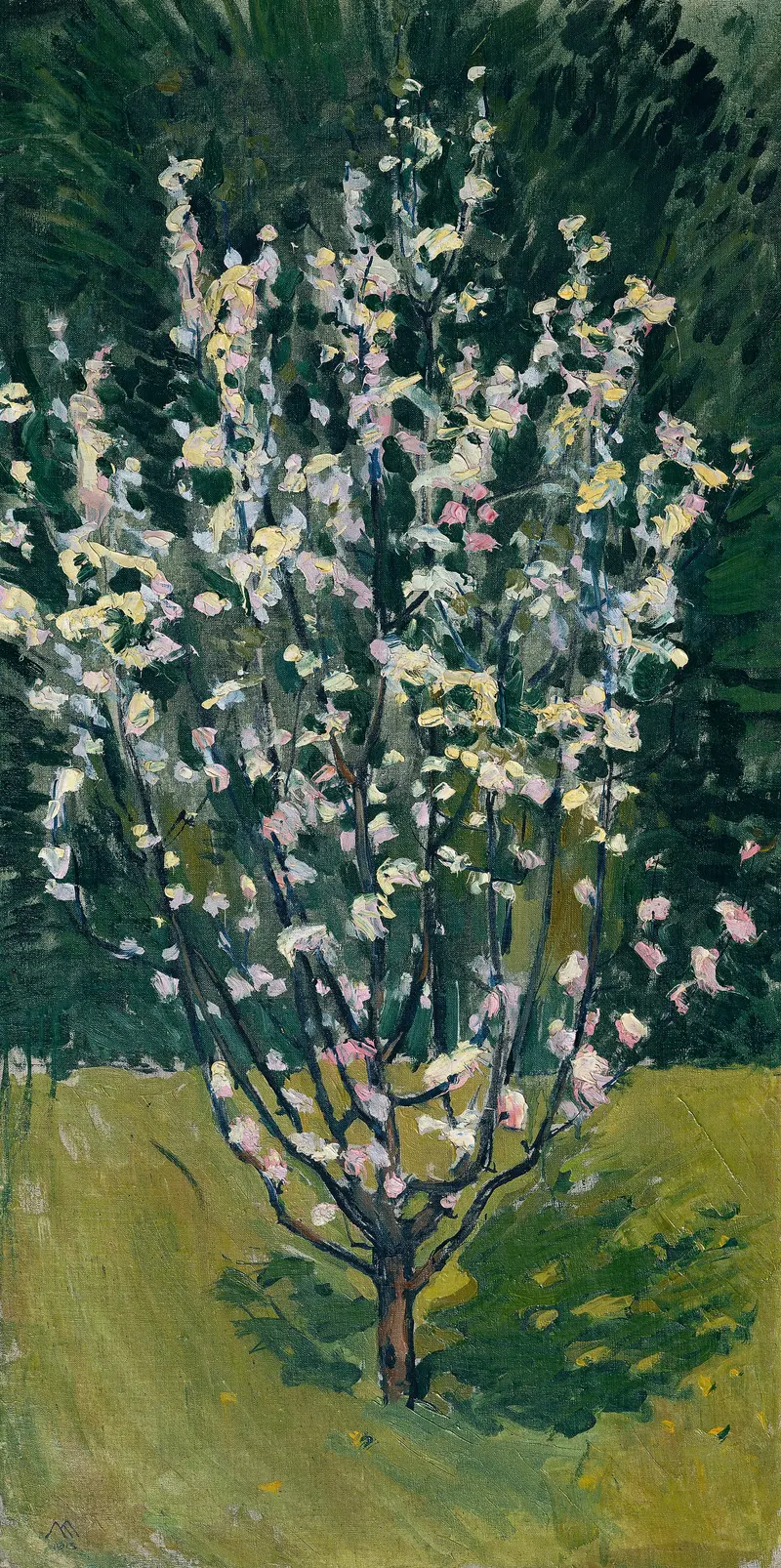
Blühendes Bäumchen
Koloman Moser
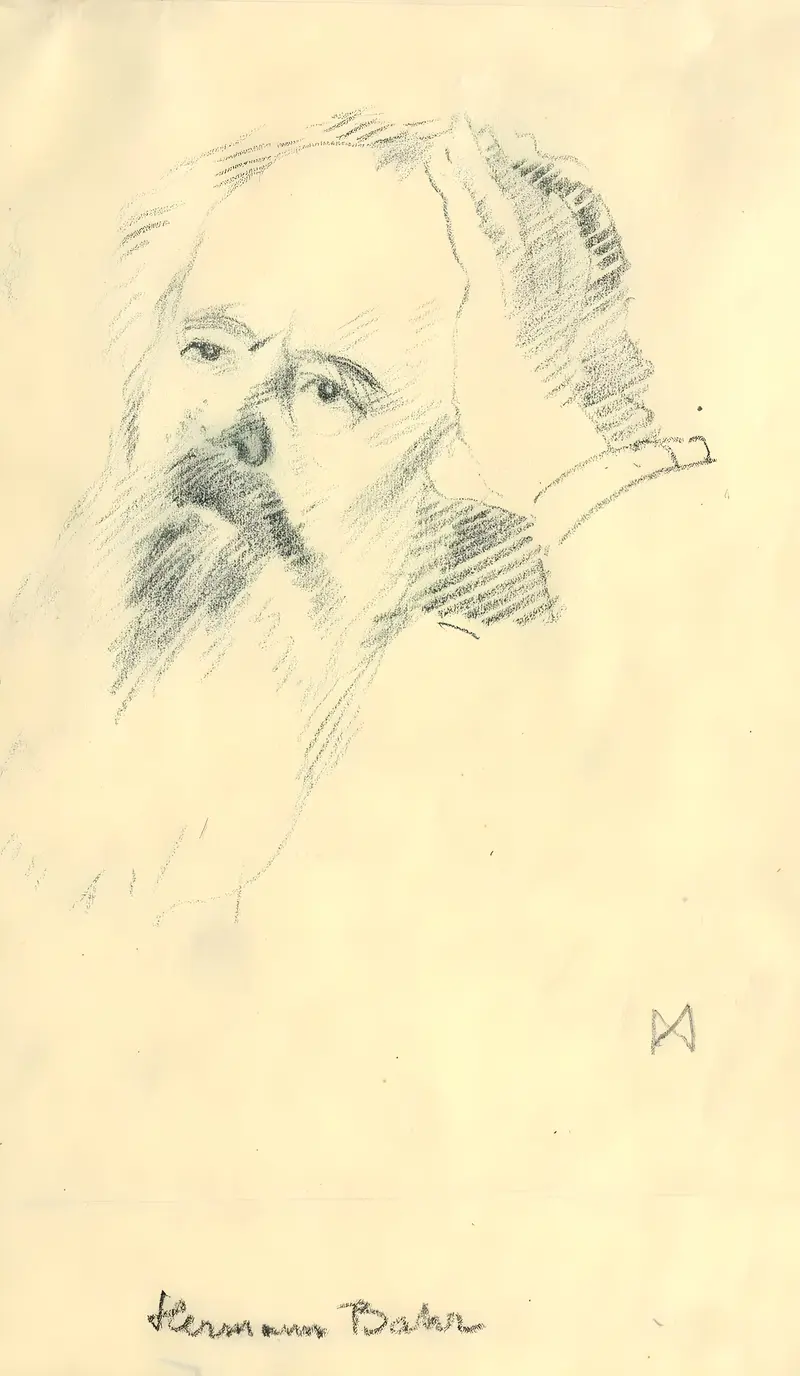
Porträt Hermann Bahr
Koloman Moser

Lesendes Mädchen
Koloman Moser

Liebespaar
Koloman Moser
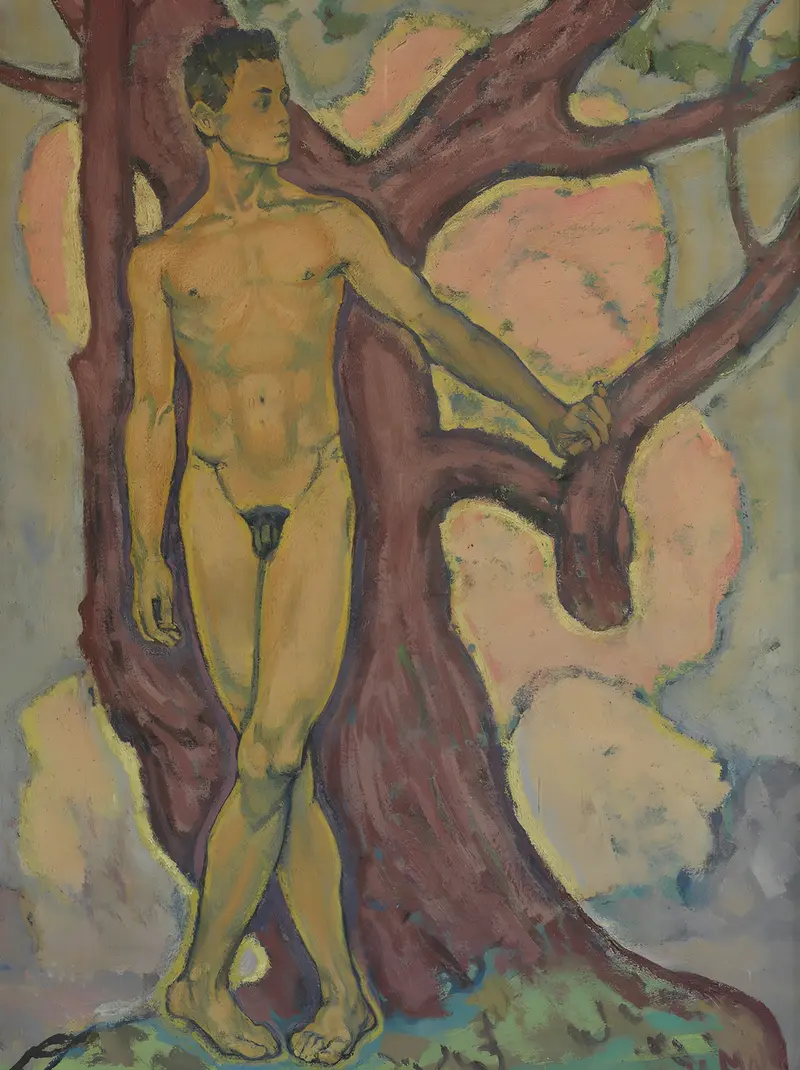
Allegorie Jüngling
Koloman Moser
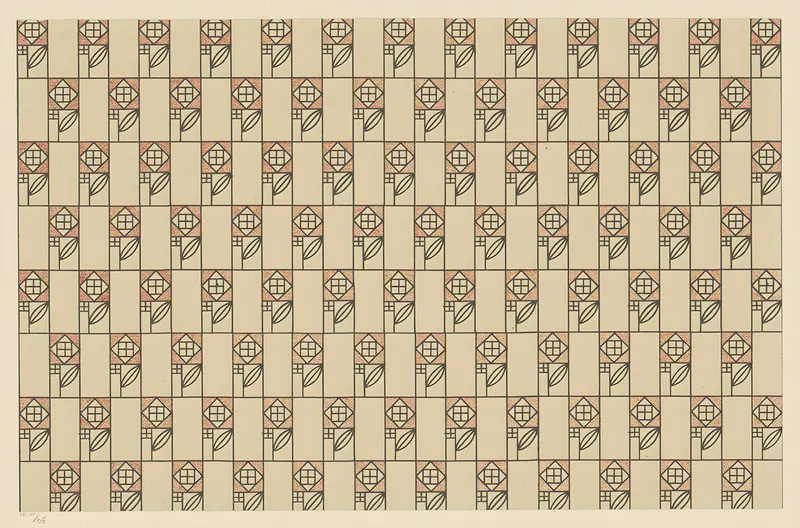
Einwickelpapier der Wiener Werkstätte mit Rosenmarke
Koloman Moser
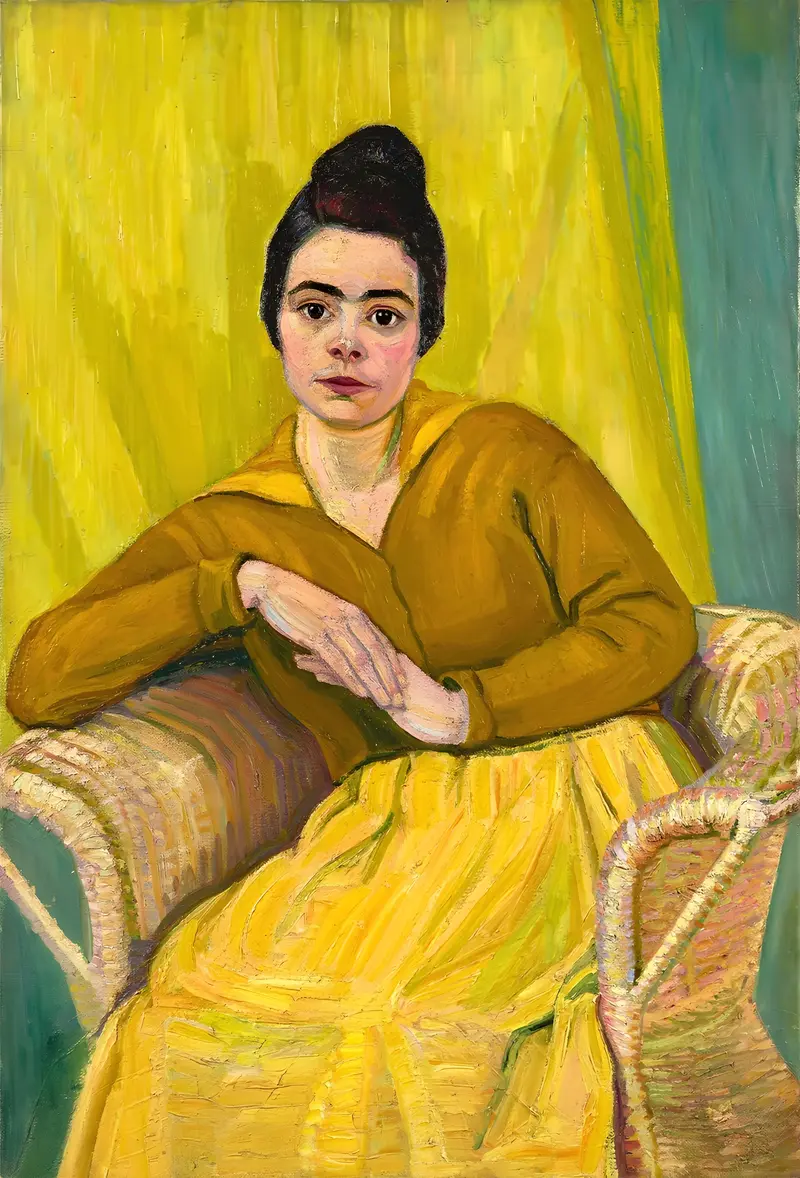
Sitzende Dame im Korbstuhl
Koloman Moser
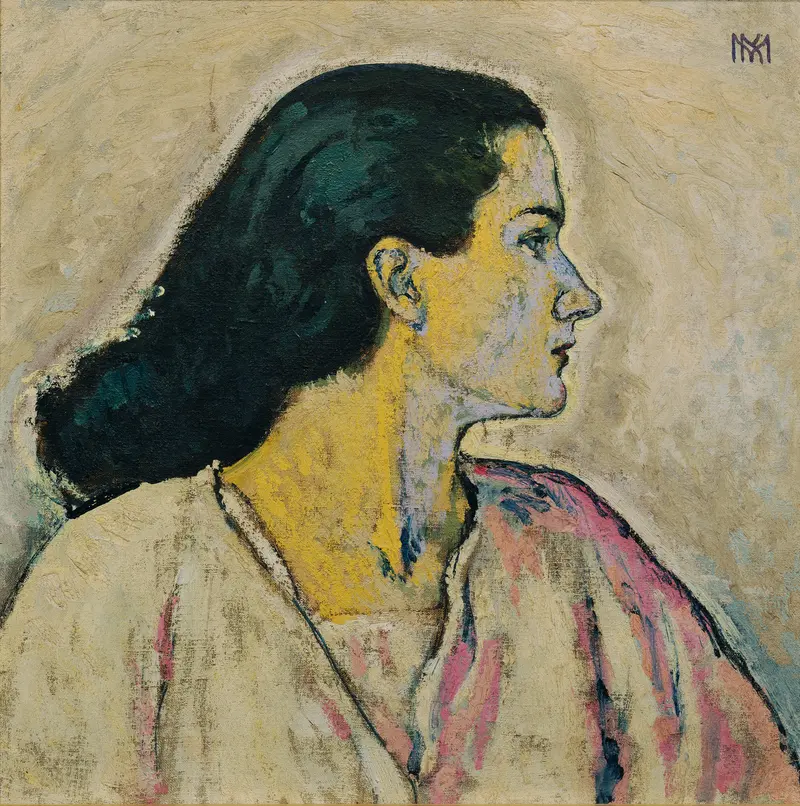
Frauenbildnis im Profil
Koloman Moser
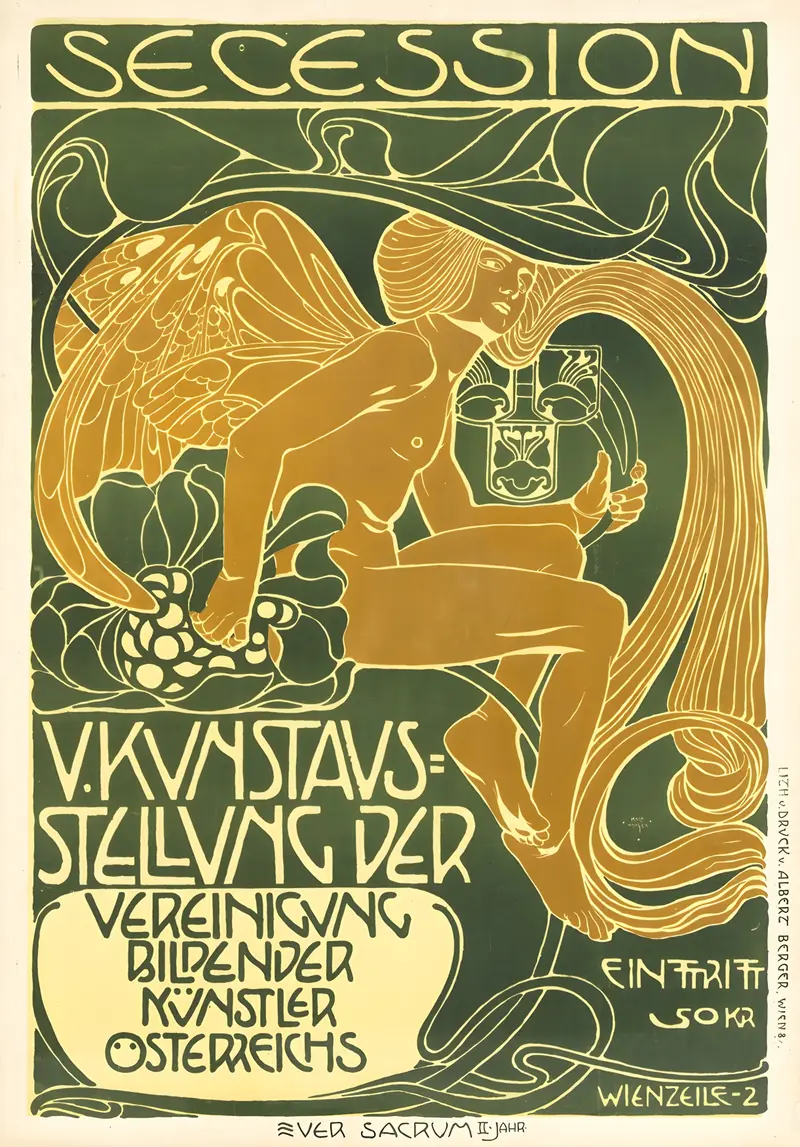
Plakat für die 5. Ausstellung der Secession
Koloman Moser