Allegorie op de Rechtspraak — History & Facts
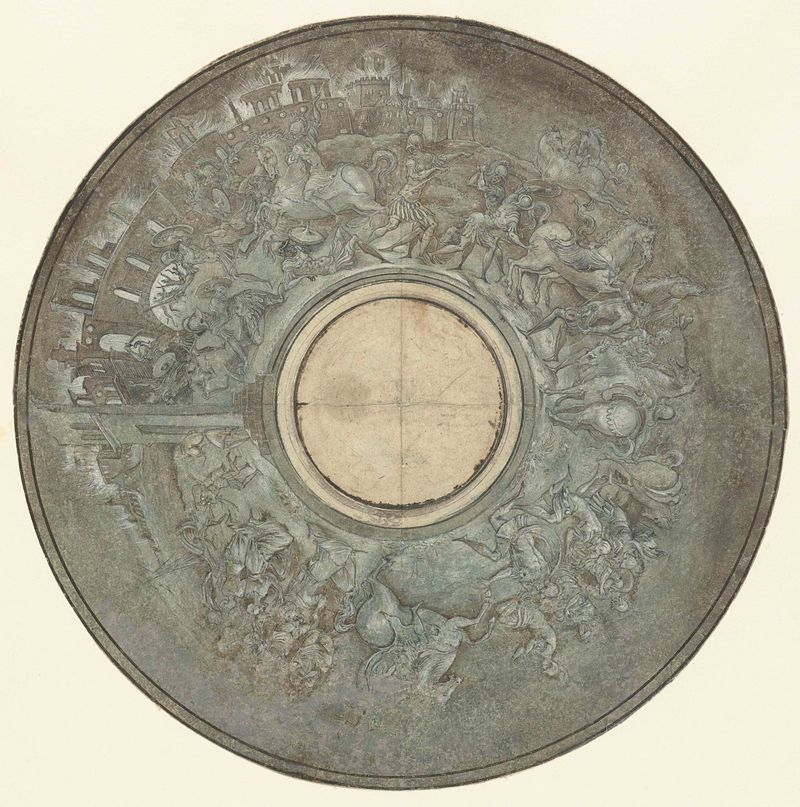
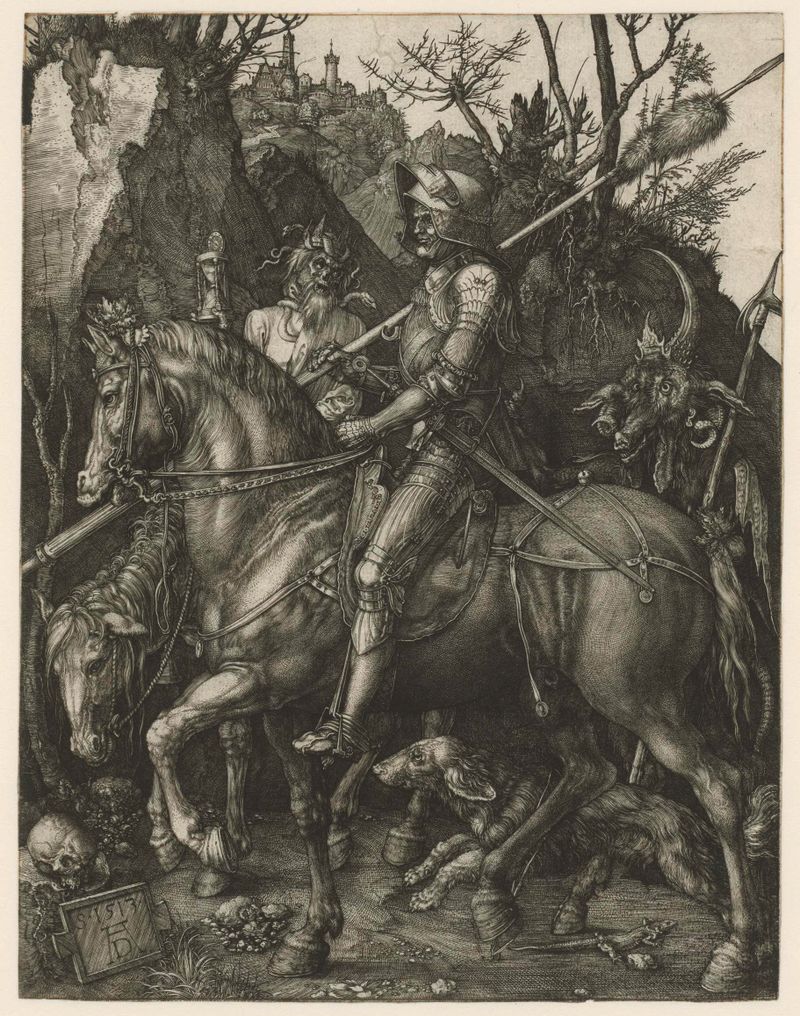
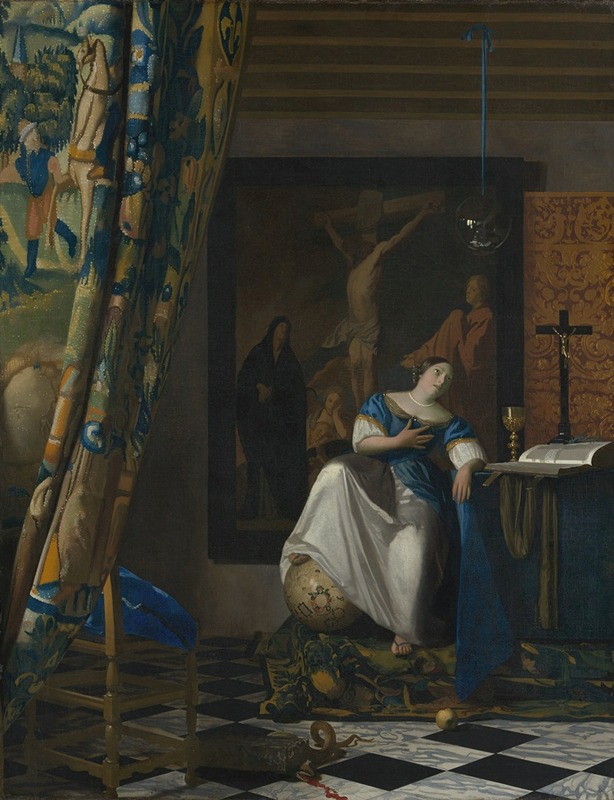
In Allegorie op de Rechtspraak, the delicate interplay of reality and illusion invites viewers to ponder the fragility of truth and the weight of justice through art's timeless lens. Look to the center of the composition, where a figures stands poised, embodying the essence of justice. The artist employs a nuanced palette of soft blues and muted golds, drawing the eye to the intricate details of the scales held aloft, a powerful symbol balanced precariously between light and shadow. The graceful interplay of line and form evokes a sense of movement, as if the very air around the composition is charged with anticipation and deliberation. Notice the layered textures that Delaune meticulously creates—each fabric fold hints at the stories entwined in the narrative of justice.
The figures around the central character, while composed, display a subtle tension; some appear engrossed, others skeptical. This juxtaposition hints at the complexities of human emotion, revealing how truth can be both objective and subjective. The overall harmony of the piece belies the underlying conflicts that justice often embodies, inviting deeper reflection on societal values. Created between 1528 and 1583, this painting emerged in a period when Etienne Delaune was further establishing his reputation as a master of engravings and allegorical themes.
As the Renaissance thrived, Delaune found himself at the crossroads of artistic innovation and traditional craftsmanship, deftly navigating the tensions between the old and the new as he explored the evolving notions of law and morality in a rapidly changing world.