
Discover insights about this artwork
Allegory of April — History & Facts
Allegory of April features a young woman adorned with flowers, embodying the spirit of spring. She is surrounded by lush greenery and vibrant blooms, showcasing shades of green, pink, and yellow. The woman wears a flowing white gown that contrasts beautifully with the colorful background.
Her gentle expression invites viewers to appreciate the beauty of nature and the renewal that comes with April. Take a closer look at the flowers in her hair and the details of her gown, which are painted with delicate brushstrokes. The colors used in the painting are bright and lively, reflecting the joy of the season. You can also notice how the light plays across her face, giving her a warm glow.
Thoma's use of soft lines and forms adds to the overall harmony of the scene. Hans Thoma was a prominent German painter known for his Symbolist works that often celebrated nature and folklore. He was part of the late 19th-century art movement that sought to express emotions and ideas through symbolic imagery. Thoma was influenced by the beauty of the German countryside, which is evident in his vibrant landscapes.
An interesting fact is that he was also involved in teaching art and played a significant role in promoting art education in Germany.
More Artworks by Hans Thoma
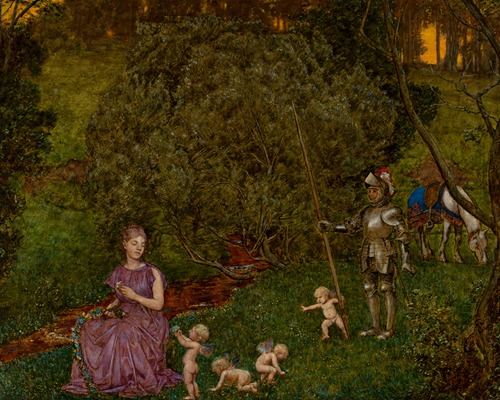
Fable – Knight
Hans Thoma
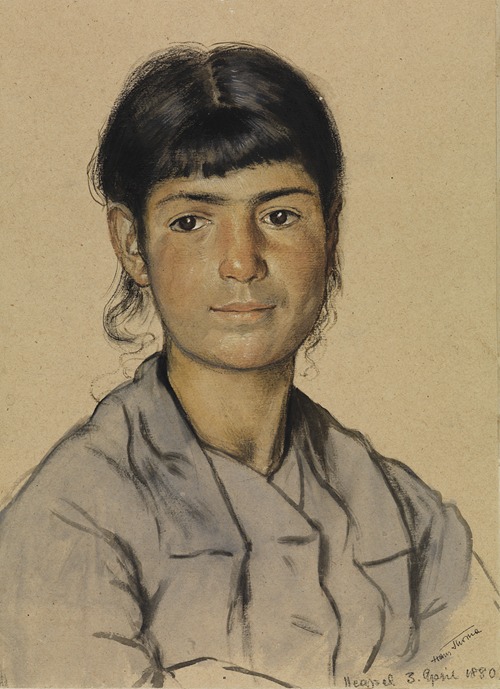
Portrait of a young Neapolitan woman
Hans Thoma
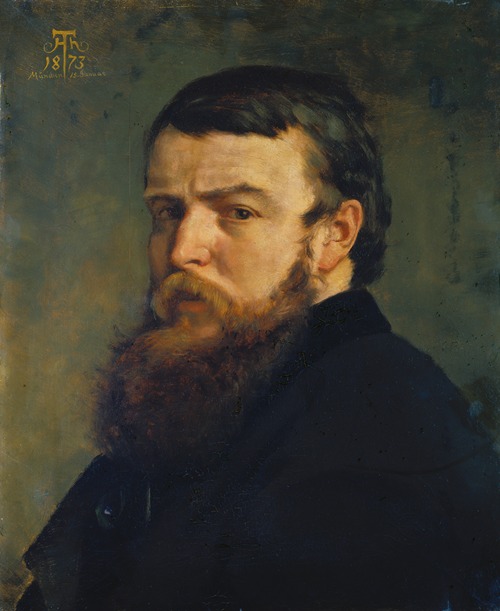
Self-Portrait from Munich
Hans Thoma
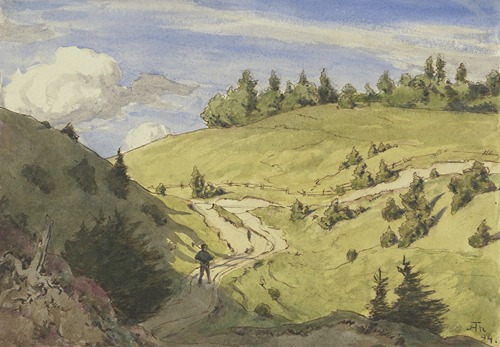
Landscape in the Black Forest
Hans Thoma
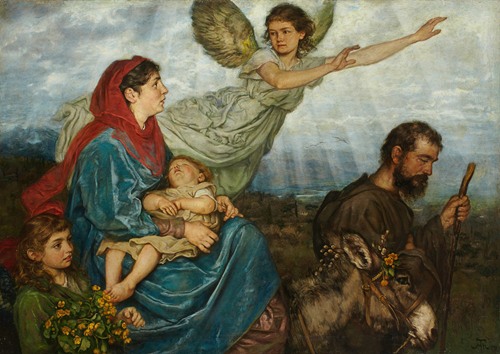
The Flight into Egypt
Hans Thoma
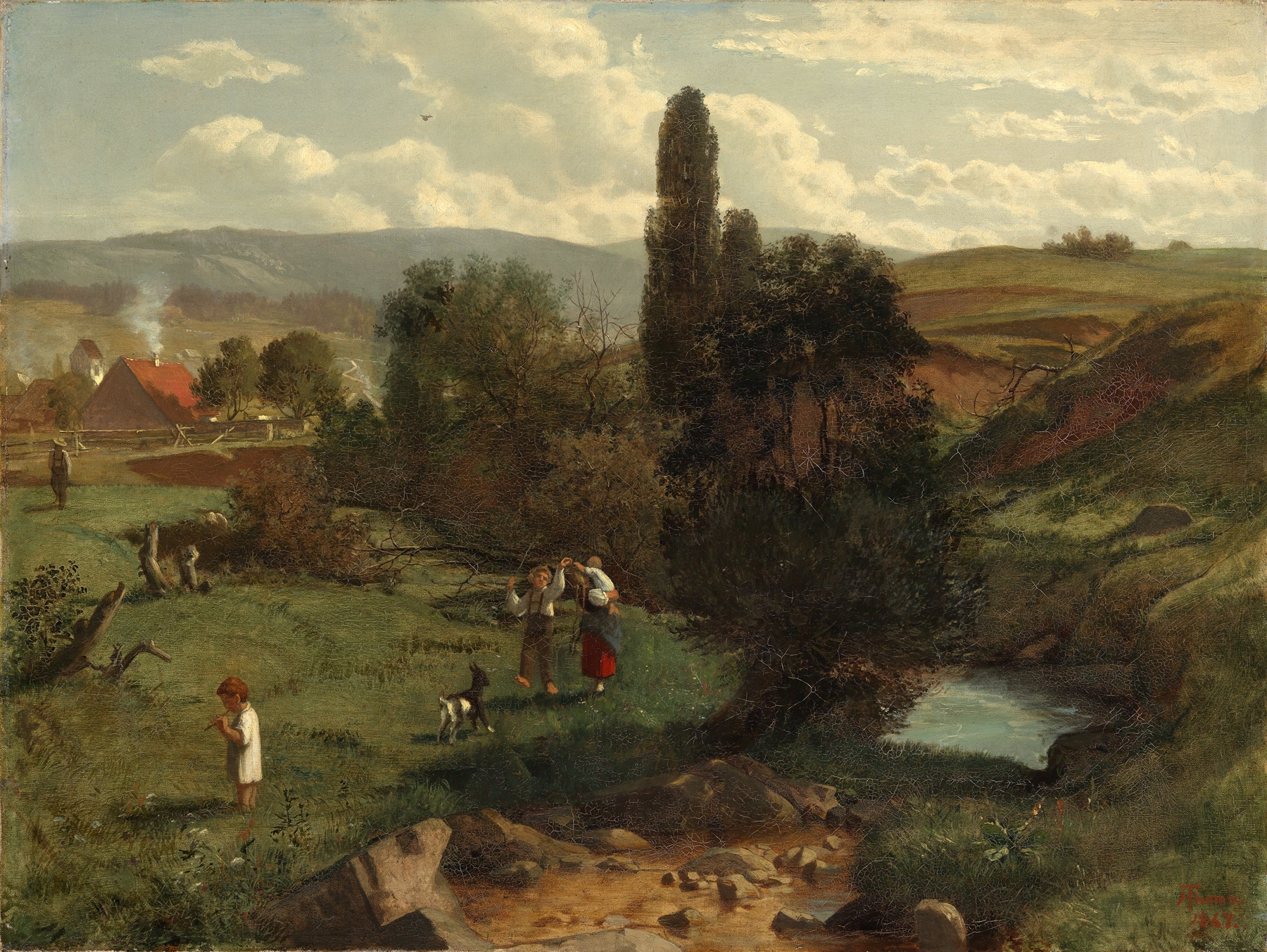
Schwarzwaldlandschaft
Hans Thoma
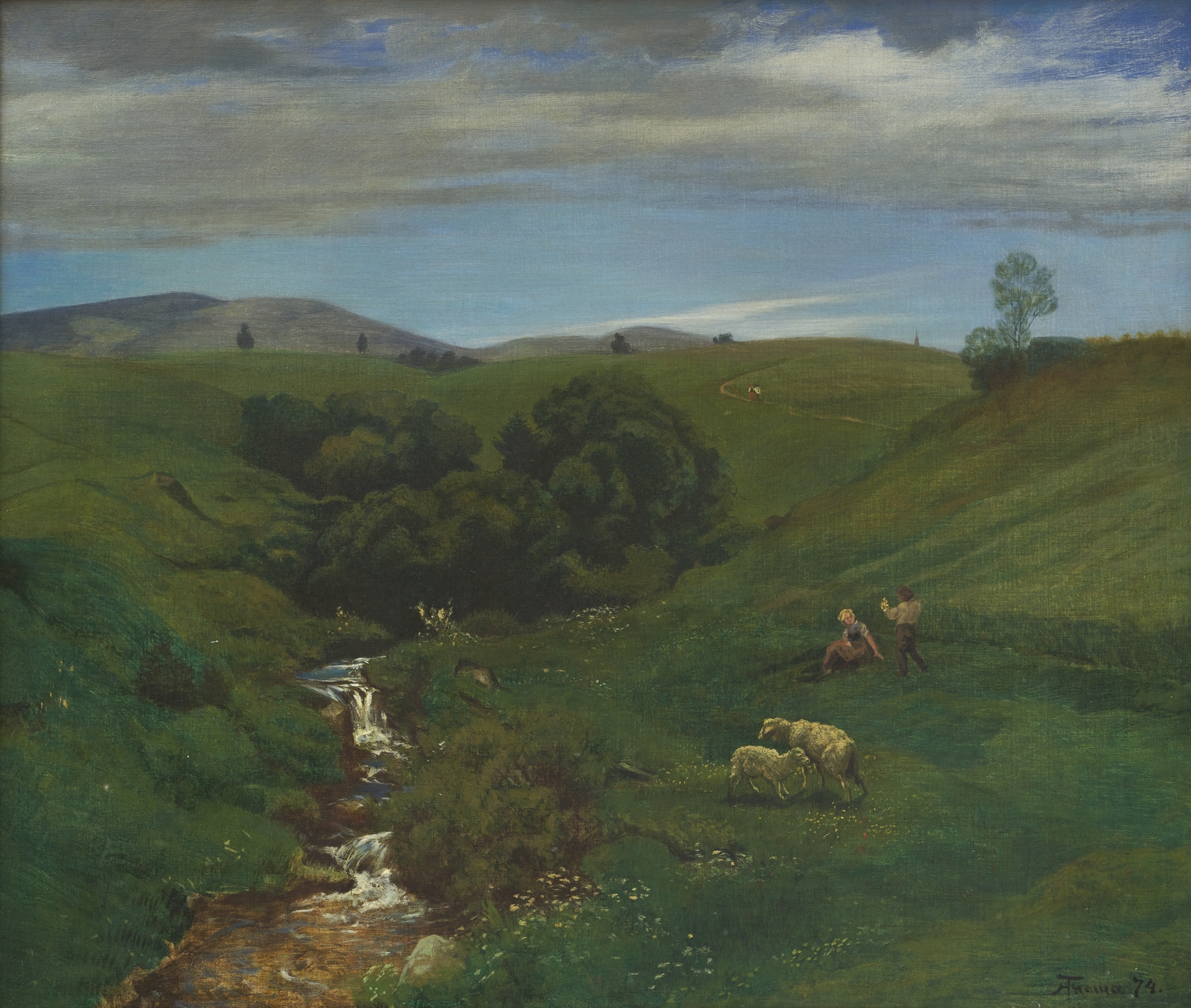
Black Forest Meadow near Bernau
Hans Thoma
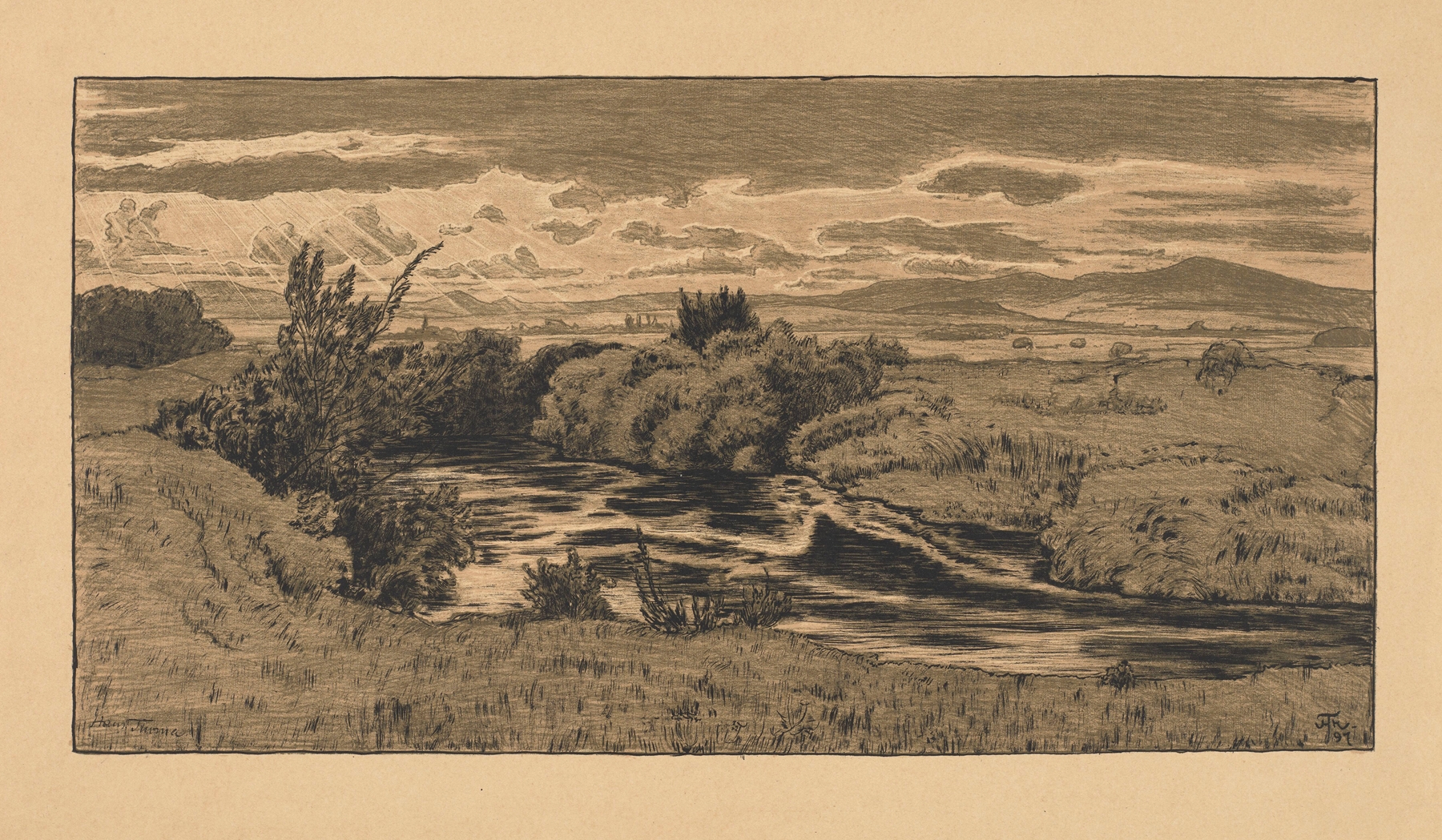
Evening by the Nidda River
Hans Thoma
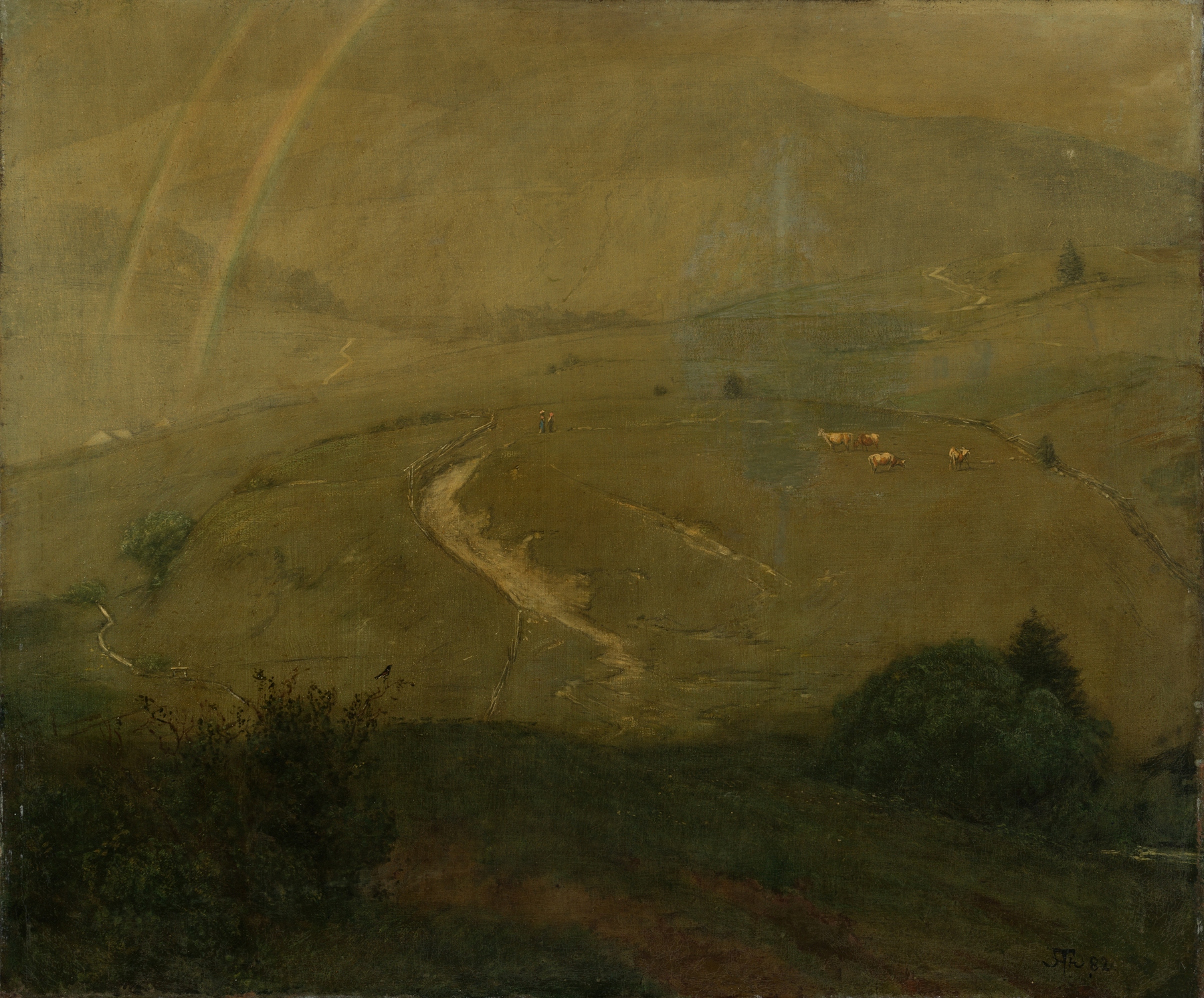
Regen im Schwarzwald
Hans Thoma
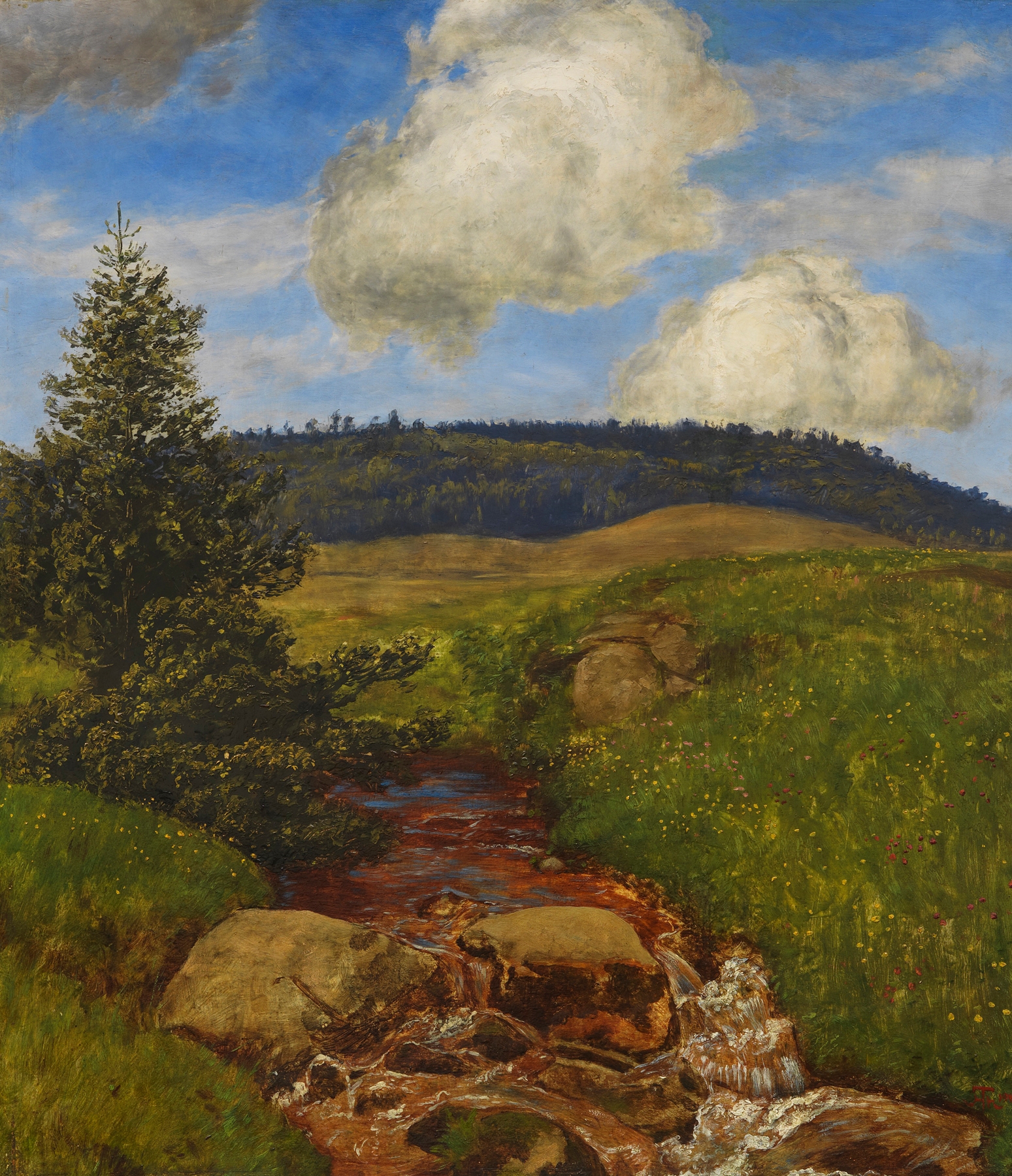
Schwarzwaldbach
Hans Thoma
More Allegory Art
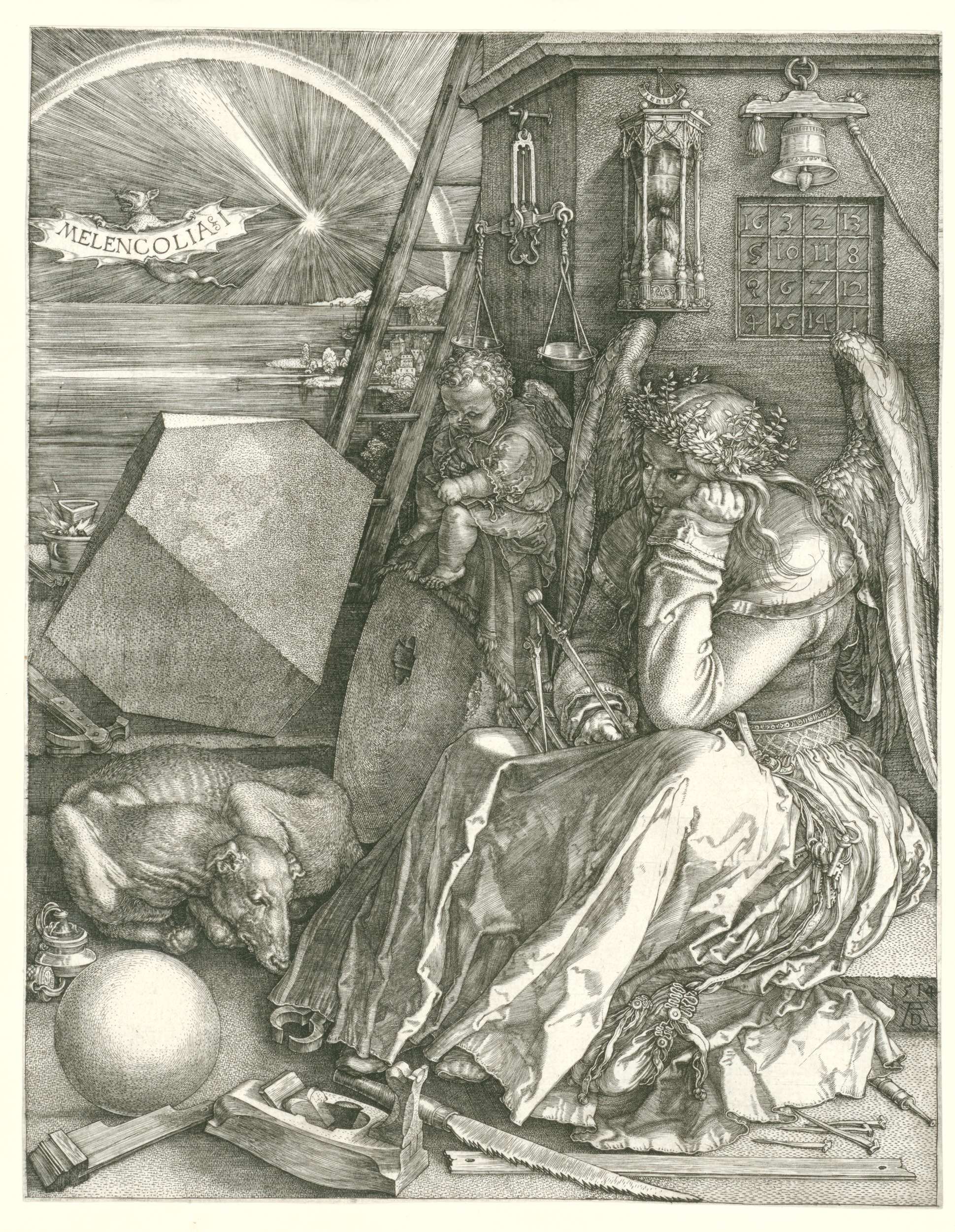
Melancholia
Albrecht Dürer
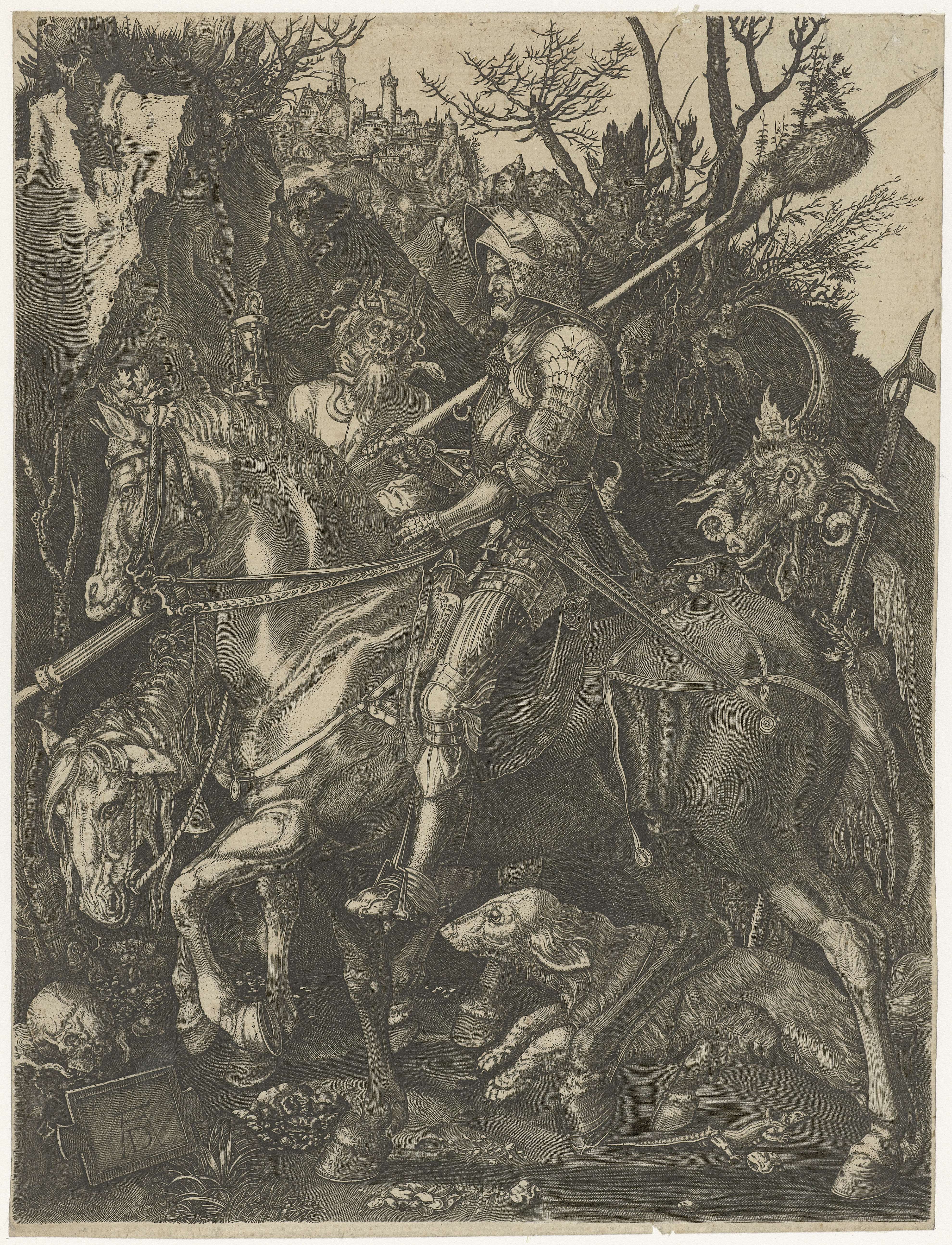
Ridder, Dood en Duivel
Unknown Artist
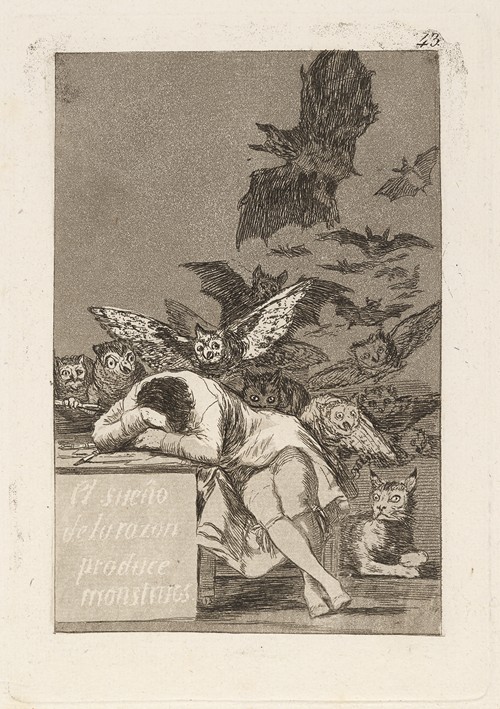
El sueño de la razon produce monstruos. (The sleep of reason produces monsters.)
Francisco de Goya
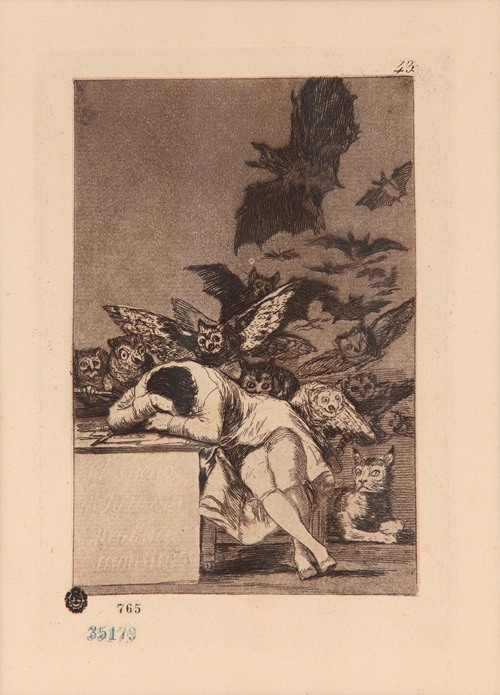
El sueño de la razon produce moustruos (Serie Caprichos)
Francisco de Goya
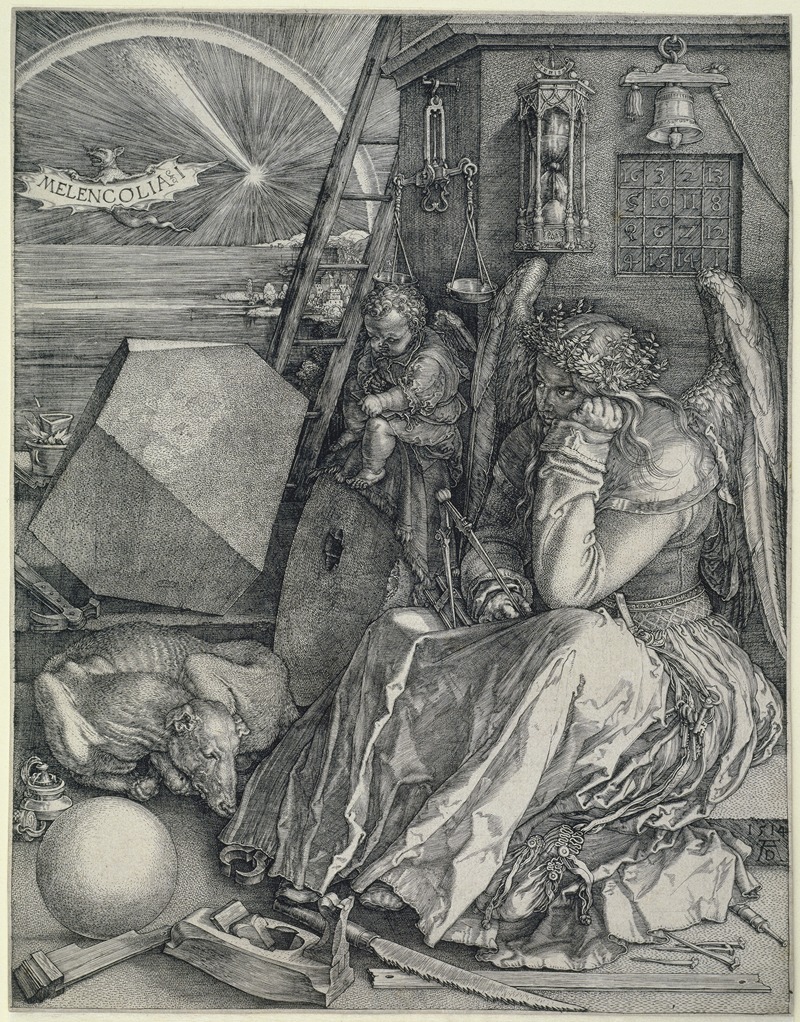
Melencolia I (The Melancholy)
Albrecht Dürer

The Three Ages of the Woman
Gustav Klimt