
Allegory of fortune — History & Facts
A cascade of bodies and symbols draws the eye upward, where a crowned woman sits at the heart of a swirling drama. Every figure seems to reach, grasp, or fall, as if caught in the sudden spin of fate. The central figure, draped in blue and pink, holds a caduceus aloft—her gaze steady, almost serene, as chaos erupts below her.
A cornucopia brimming with fruit signals abundance at her side, while a child gestures upward, perhaps to the laurel wreath descending from a winged putto above. The light pools around her, guiding the viewer to her calm amidst the storm, while the shadows below deepen the sense of struggle and upheaval. Painted in 1564 by Agnolo Bronzino, this Allegory of fortune belongs to a world where allegory was a language of power, intellect, and warning. In the Renaissance courts of Italy, such paintings were commissioned to instruct, flatter, or admonish—each symbol a clue to the viewer’s own fortunes.
The balance, the globe, the musical instrument, and the scales all belong to a visual vocabulary instantly legible to a learned sixteenth-century audience. While the exact journey of this painting is little documented, its presence in a modern collection reminds us how these images once shaped the ambitions and anxieties of their age. Let your eye return to the faces: each one tells a different story of hope, envy, or defeat, all orbiting the unpredictable center of fortune.
More Artworks by Agnolo Bronzino

Eleonora Of Toledo
Agnolo Bronzino
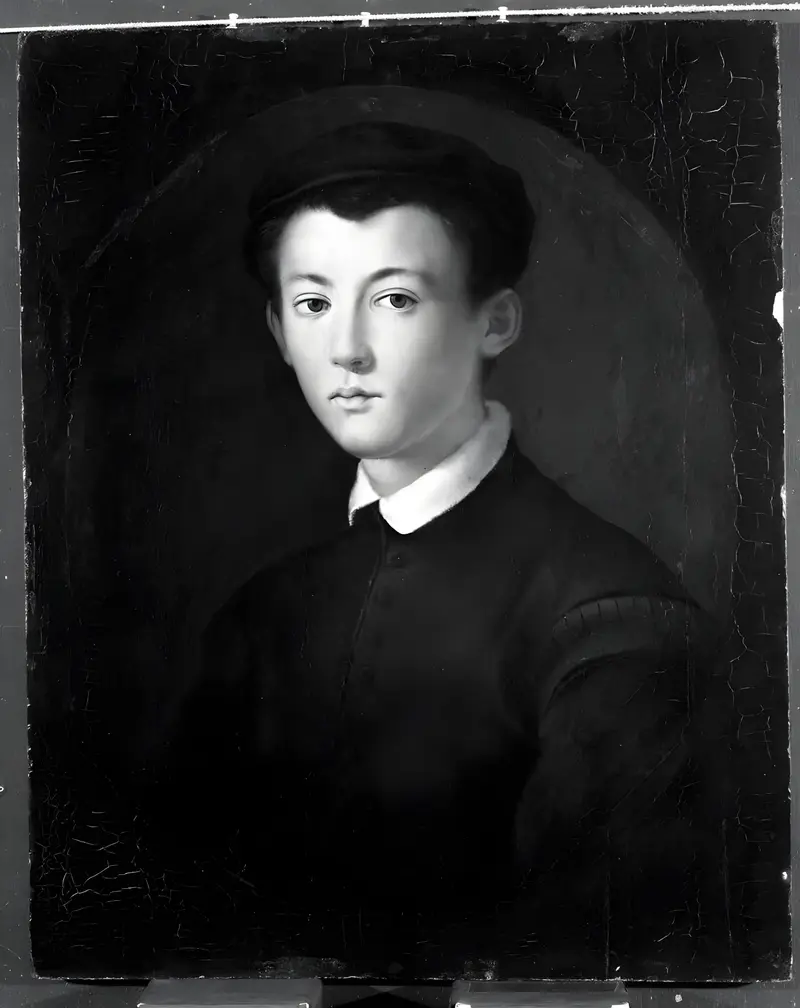
Portrait of a Young Man
Agnolo Bronzino
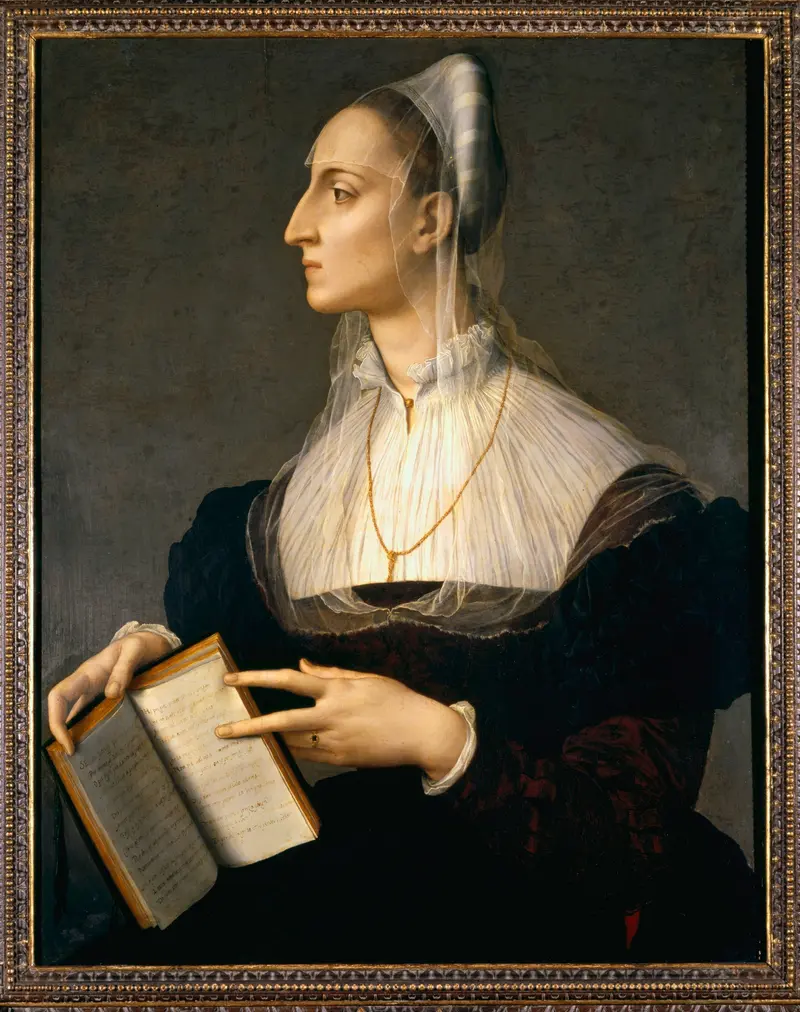
Portrait Of Laura Battiferri
Agnolo Bronzino

Venus, Cupid And Satyr
Agnolo Bronzino
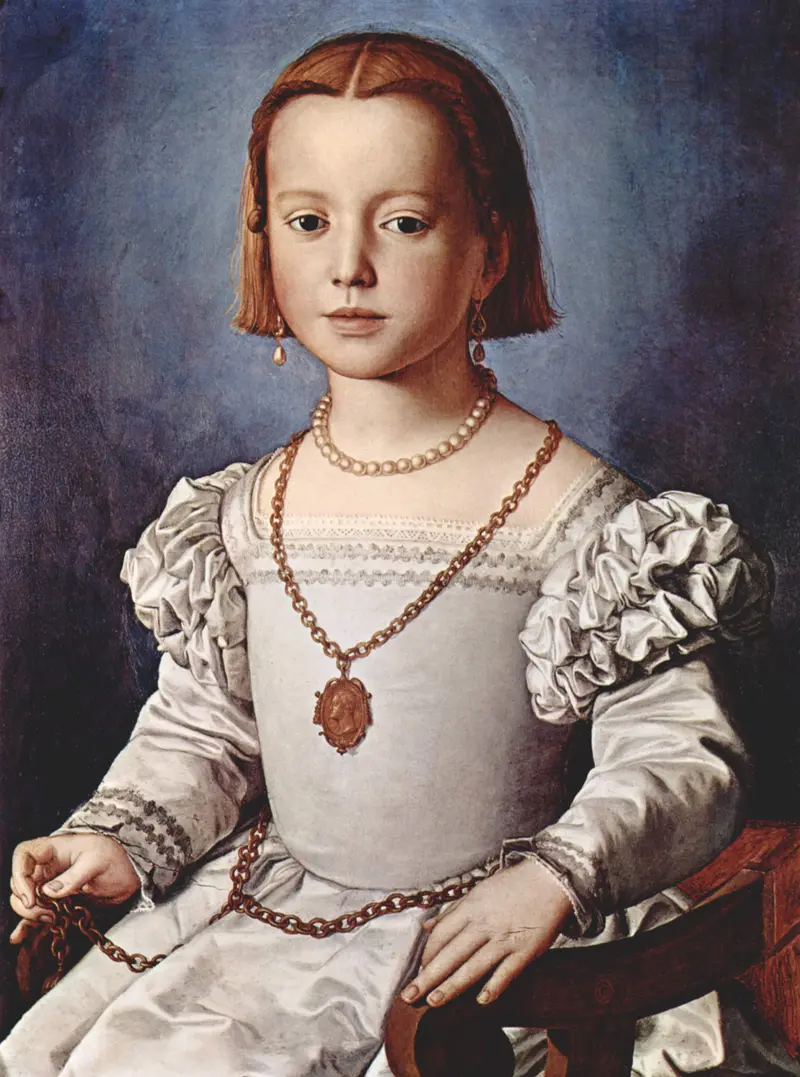
Bia Di Cosimo De‘ Medici
Agnolo Bronzino
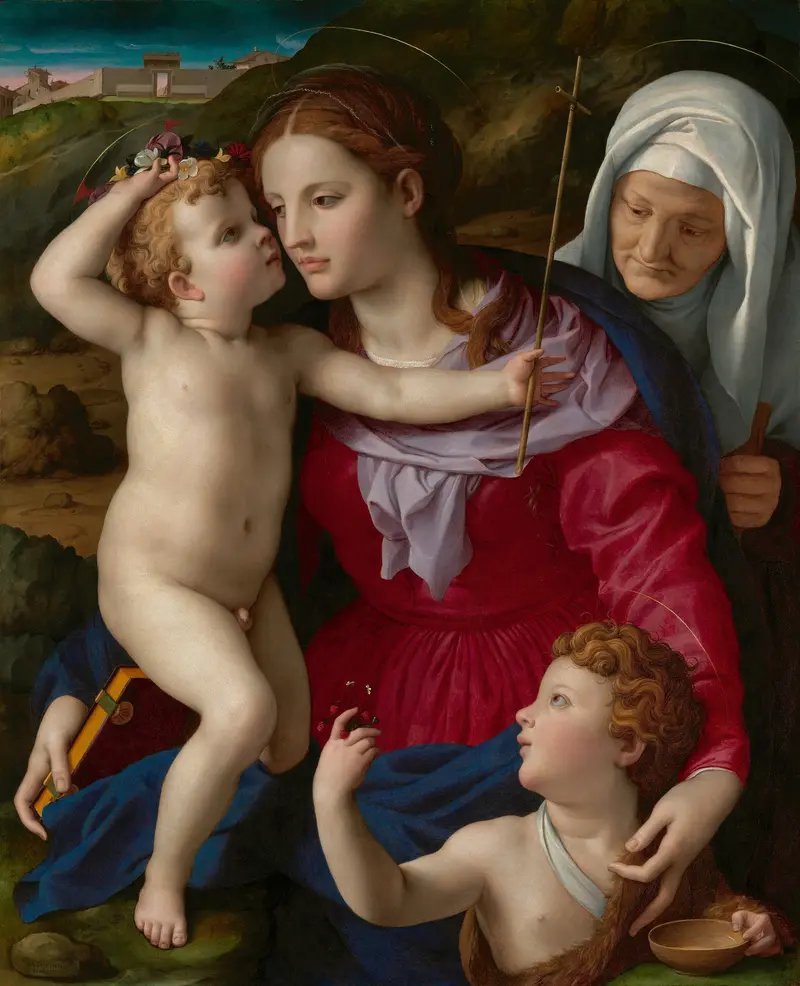
Virgin and Child with Saint Elizabeth and Saint John the Baptist
Agnolo Bronzino
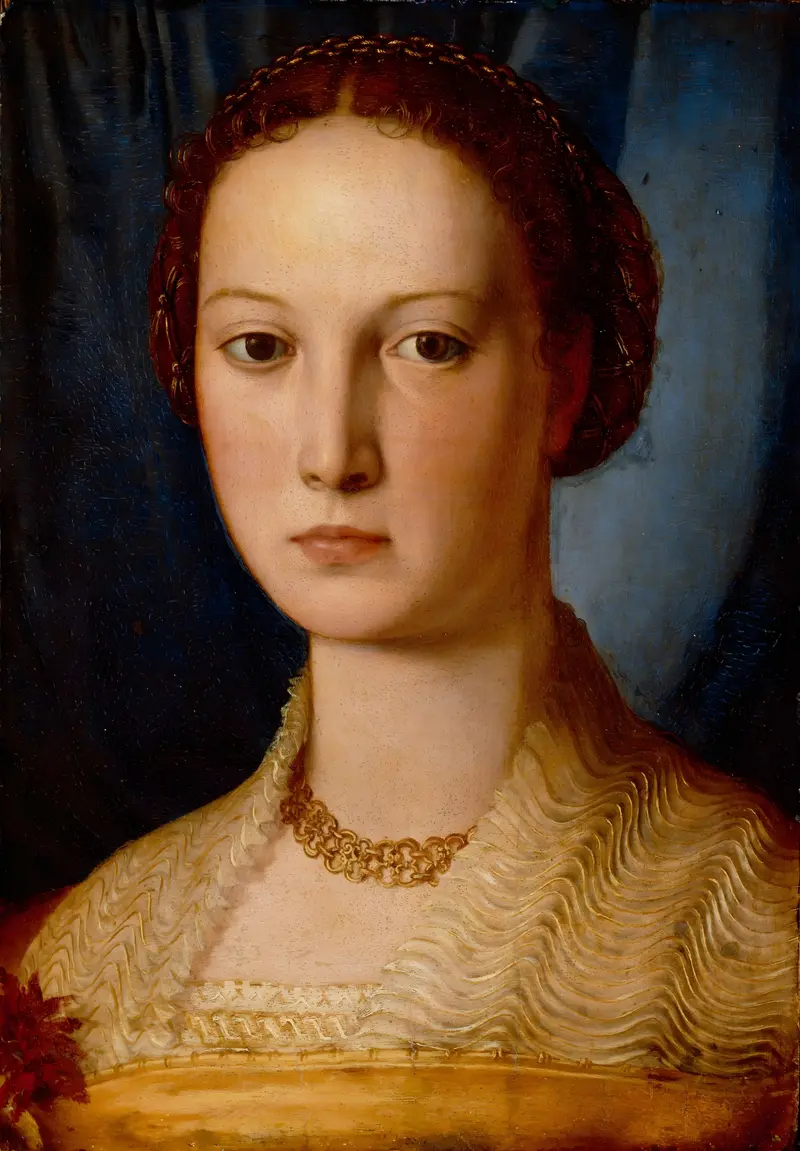
Costanza Da Sommaia
Agnolo Bronzino
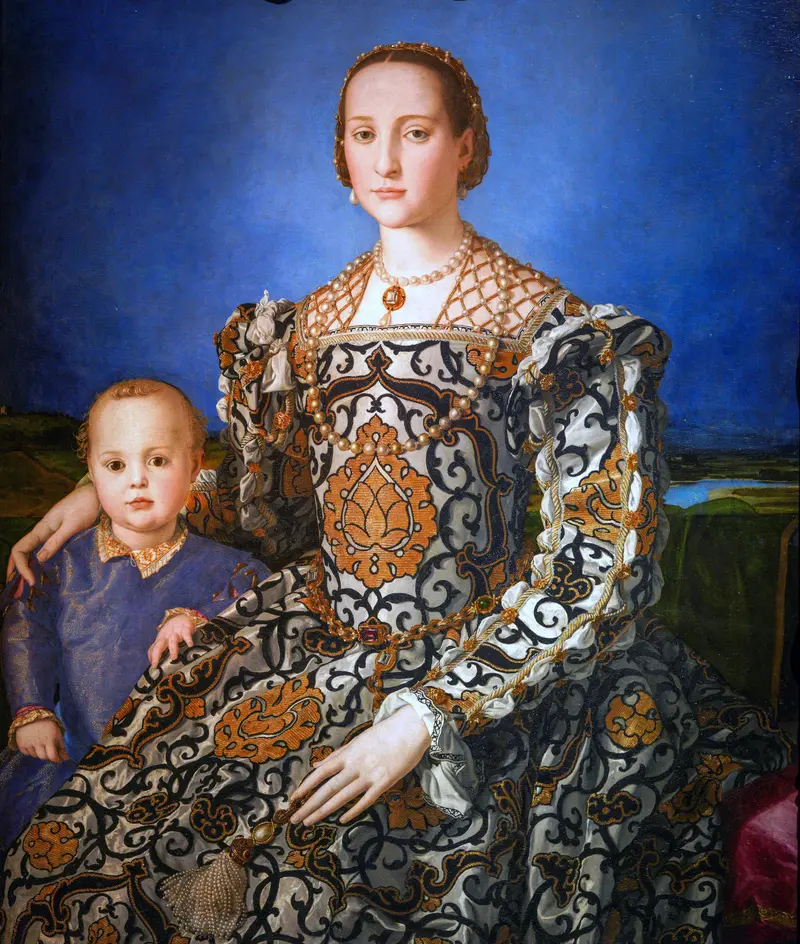
Portrait of Eleanor of Toledo with Her Son Giovanni de’ Medici
Agnolo Bronzino
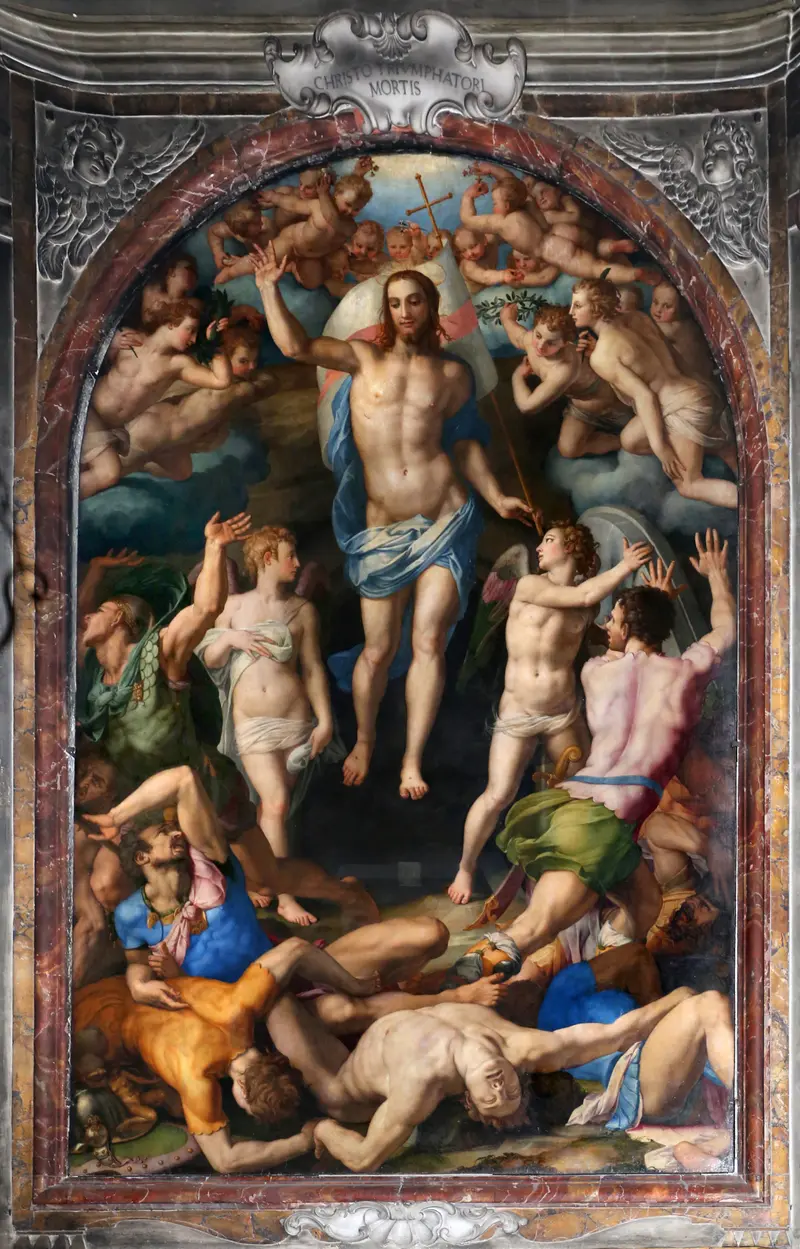
Resurrection Of Christ
Agnolo Bronzino
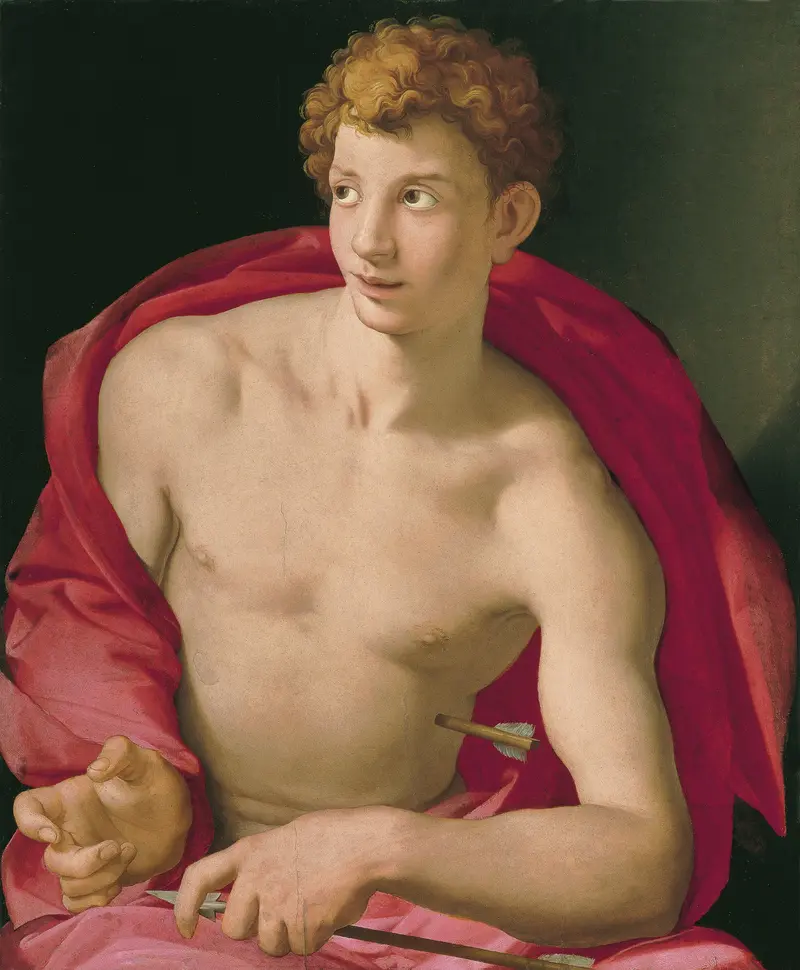
Saint Sebastian
Agnolo Bronzino





