
Allegory of May — History & Facts
Allegory of May presents a woman adorned in a flowing white gown, symbolizing the arrival of spring. She stands amidst lush greenery and vibrant flowers, with a gentle breeze swirling around her. The colors are bright and lively, with shades of green, yellow, and pink dominating the scene.
The woman's expression is serene, inviting viewers to share in the joy of the season's renewal. Notice the intricate details in the flowers and foliage surrounding her, which showcase Hans Thoma's attention to nature. The woman's hair is decorated with blossoms, adding to the celebration of spring. The background features a soft blue sky, suggesting a clear day filled with warmth and light.
Each element in the painting contributes to the overall feeling of rebirth and harmony. Hans Thoma was a prominent German painter known for his Symbolist style, which often included themes of nature and mythology. He created this artwork during a time when artists were exploring the beauty of the natural world. Thoma was influenced by the Romantic movement, which celebrated emotion and individual experience.
An interesting fact about him is that he was also a teacher and played a significant role in the development of modern art in Germany.
More Artworks by Hans Thoma

Fable – Knight
Hans Thoma

Self-Portrait from Munich
Hans Thoma

Landscape in the Black Forest
Hans Thoma
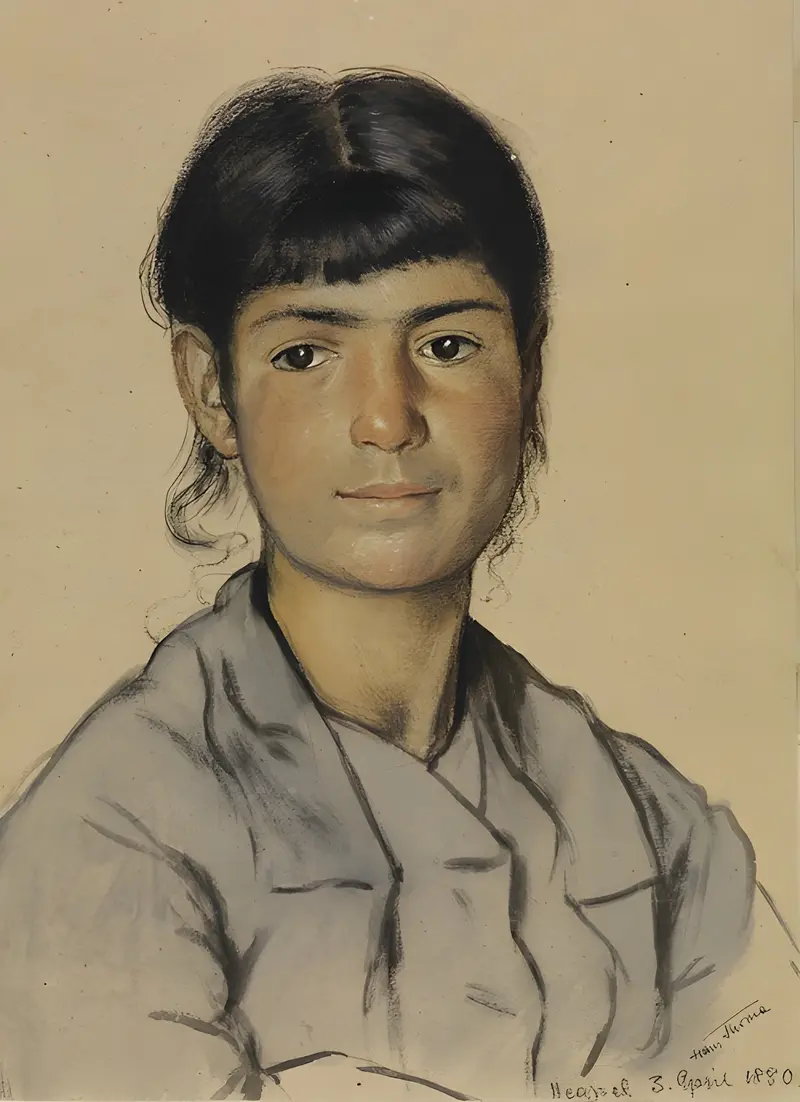
Portrait of a young Neapolitan woman
Hans Thoma
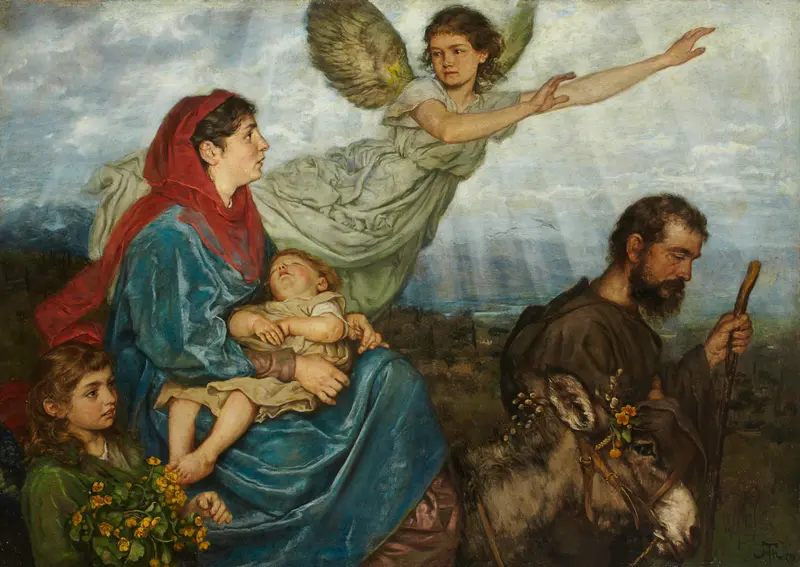
The Flight into Egypt
Hans Thoma
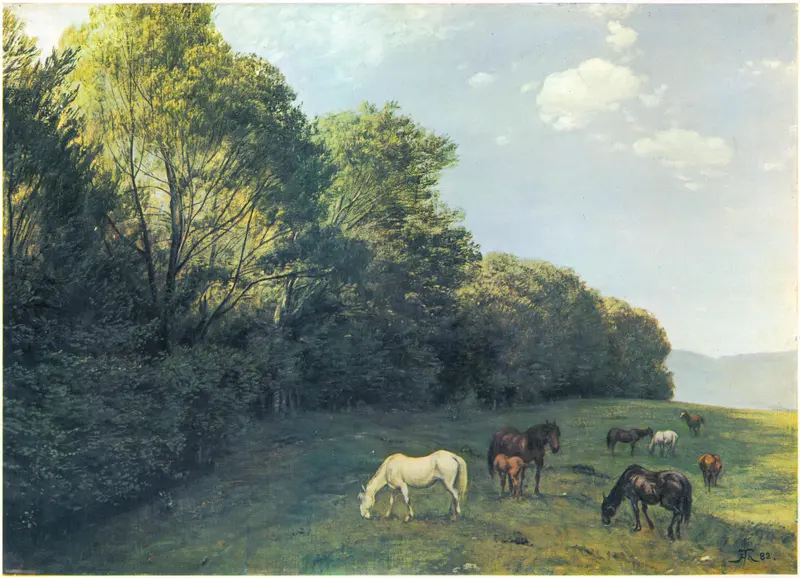
Landschaft mit weidenden Pferden
Hans Thoma

Black Forest Meadow near Bernau
Hans Thoma
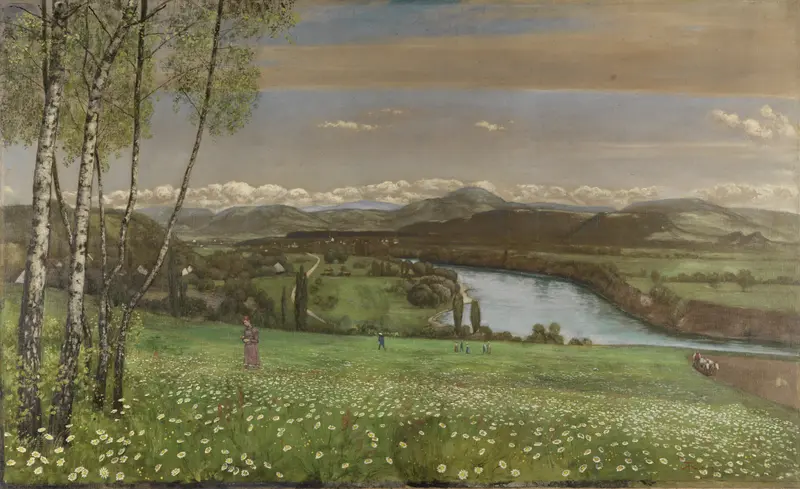
Das Rheintal bei Säckingen
Hans Thoma
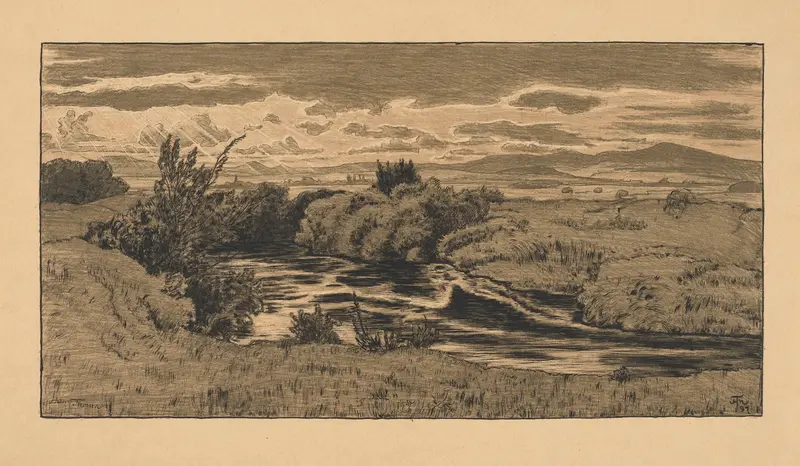
Evening by the Nidda River
Hans Thoma
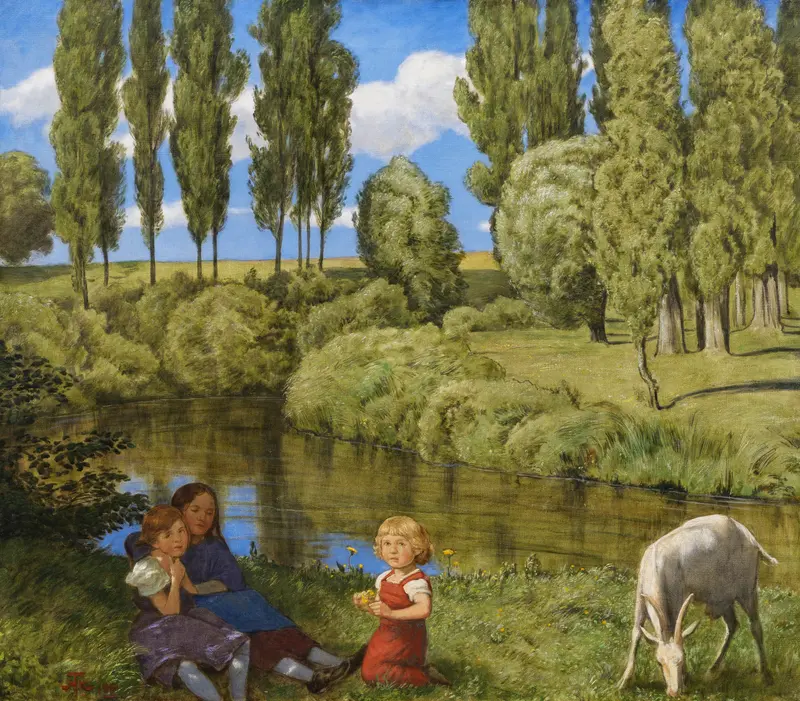
Am Stillen Bach
Hans Thoma





