
Allegory of painting — History & Facts
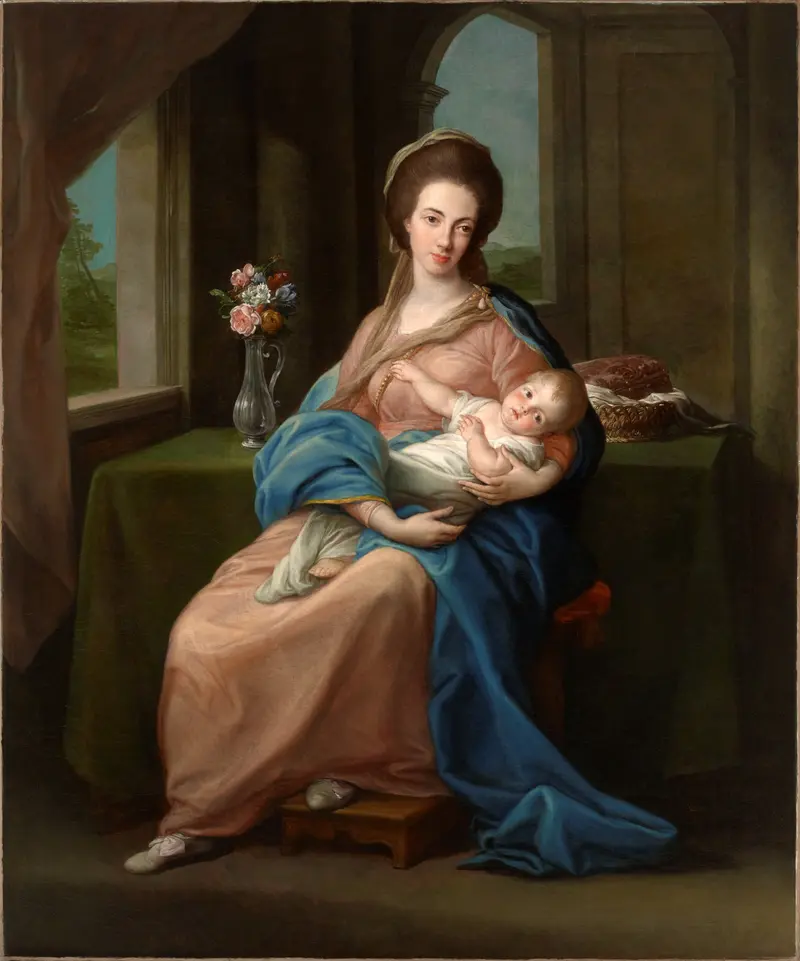
In Allegory of Painting, Pompeo Batoni presents a vibrant scene filled with rich colors. The painting features a female figure, symbolizing painting, adorned with various artistic tools. She is surrounded by drapery and classical elements, creating a sense of elegance.
The warm tones and intricate details draw the viewer's eye across the canvas. The painting is executed in oil on canvas, showcasing Batoni's skill in blending colors and textures. The use of light and shadow adds depth, enhancing the three-dimensionality of the figures. The composition is balanced, with the central figure commanding attention amidst the surrounding elements.
Viewers can appreciate the meticulous brushwork that characterizes Batoni's style. Pompeo Batoni was a prominent Italian painter of the 18th century, known for his portraits and historical scenes. This work, created around the 1760s, reflects the Rococo style that emphasizes elegance and decorative elements. An interesting fact about this painting is its role in celebrating the art of painting itself, making it a meta-commentary on the creative process.
Batoni's ability to blend allegory with beauty makes this piece significant in his oeuvre.
More Artworks by Pompeo Batoni
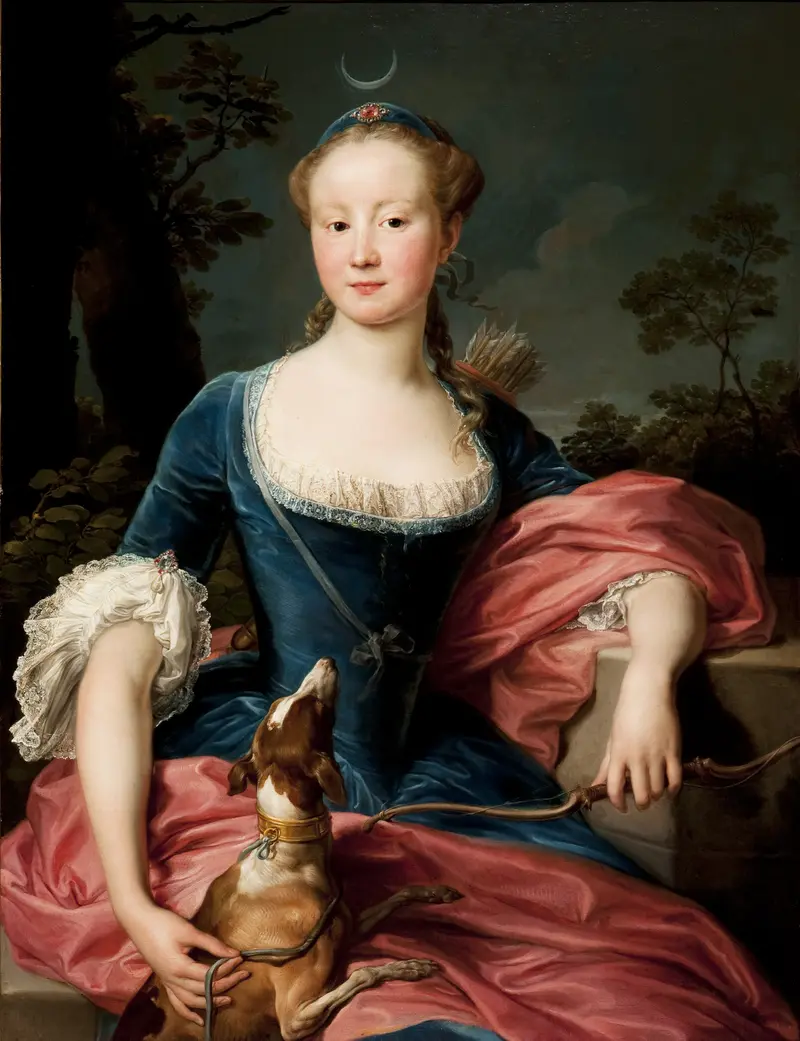
Portrait of a Lady as Diana the Huntress
Pompeo Batoni
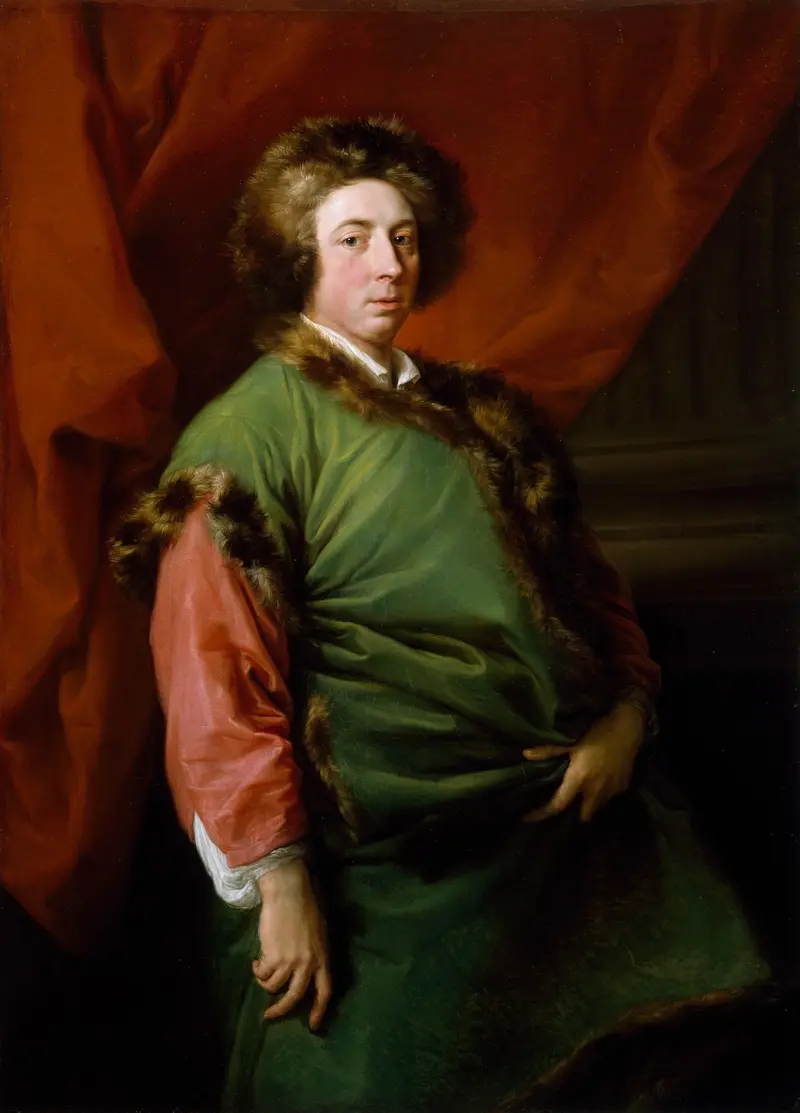
Portrait of Joseph Leeson, later 1st Earl of Milltown (1711-1783)
Pompeo Batoni
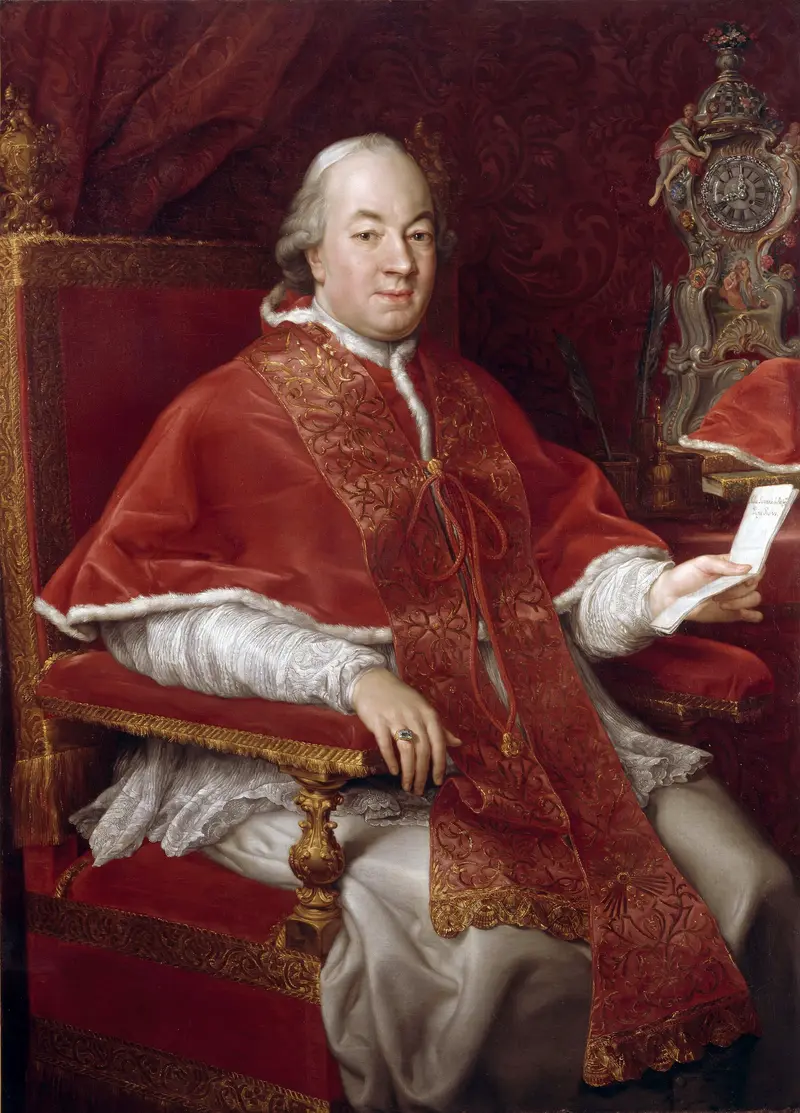
Portrait of Pope Pius VI, Giovanni Angelo Braschi (1717-1799)
Pompeo Batoni
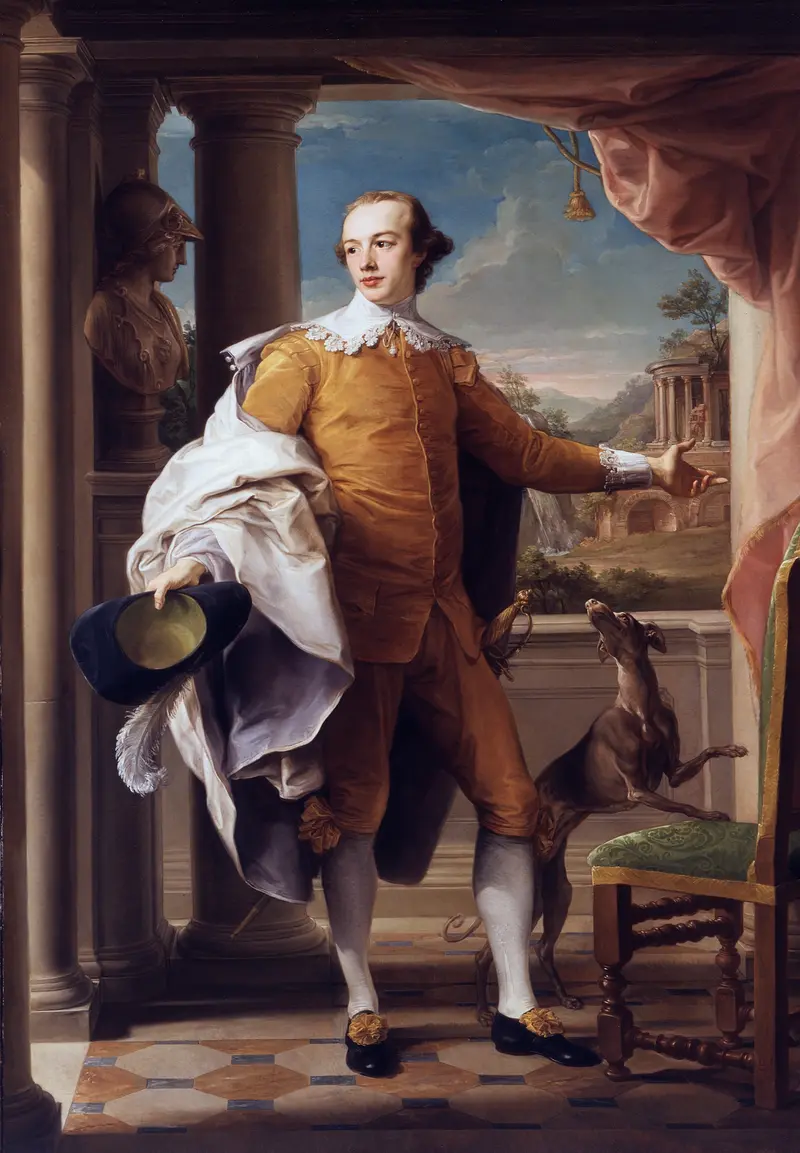
Portrait of Sir Wyndham Knatchbull-Wyndham
Pompeo Batoni
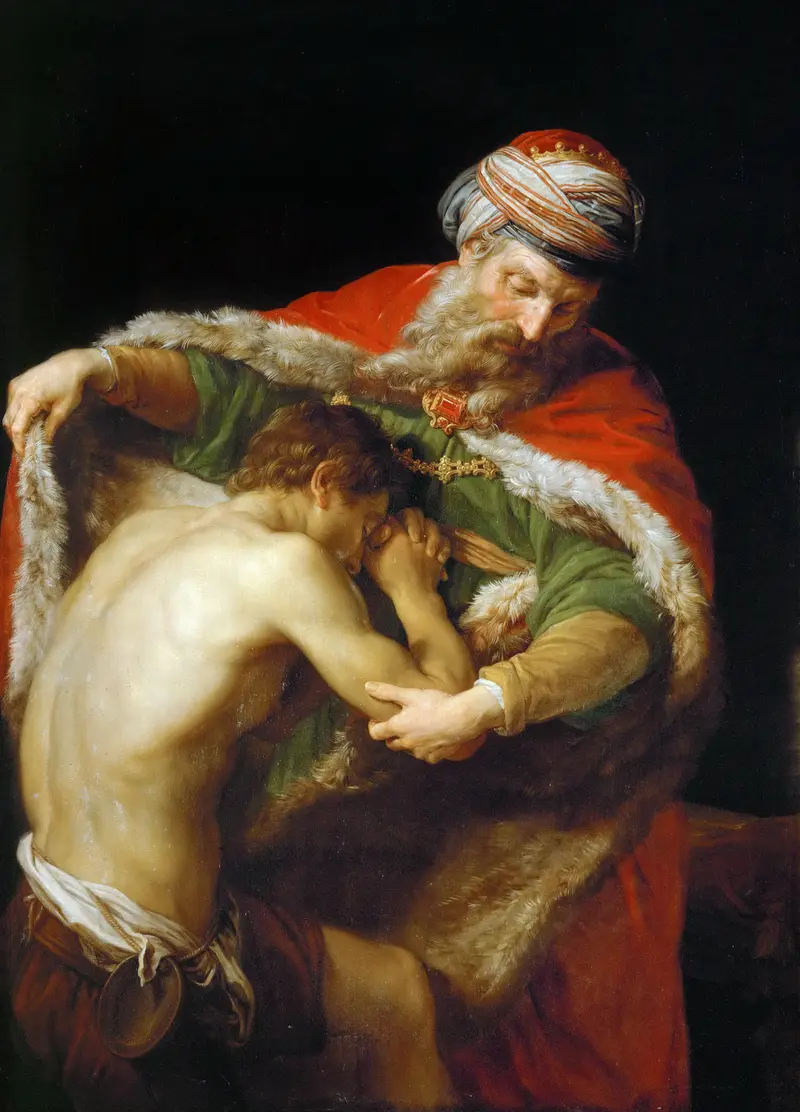
The Return Of The Prodigal Son
Pompeo Batoni
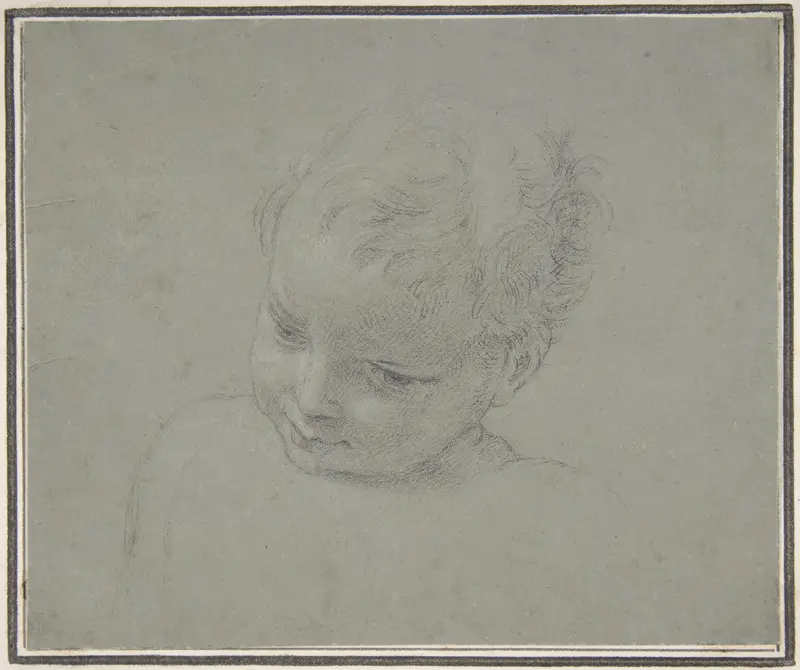
Bust-Length Study of a Child
Pompeo Batoni
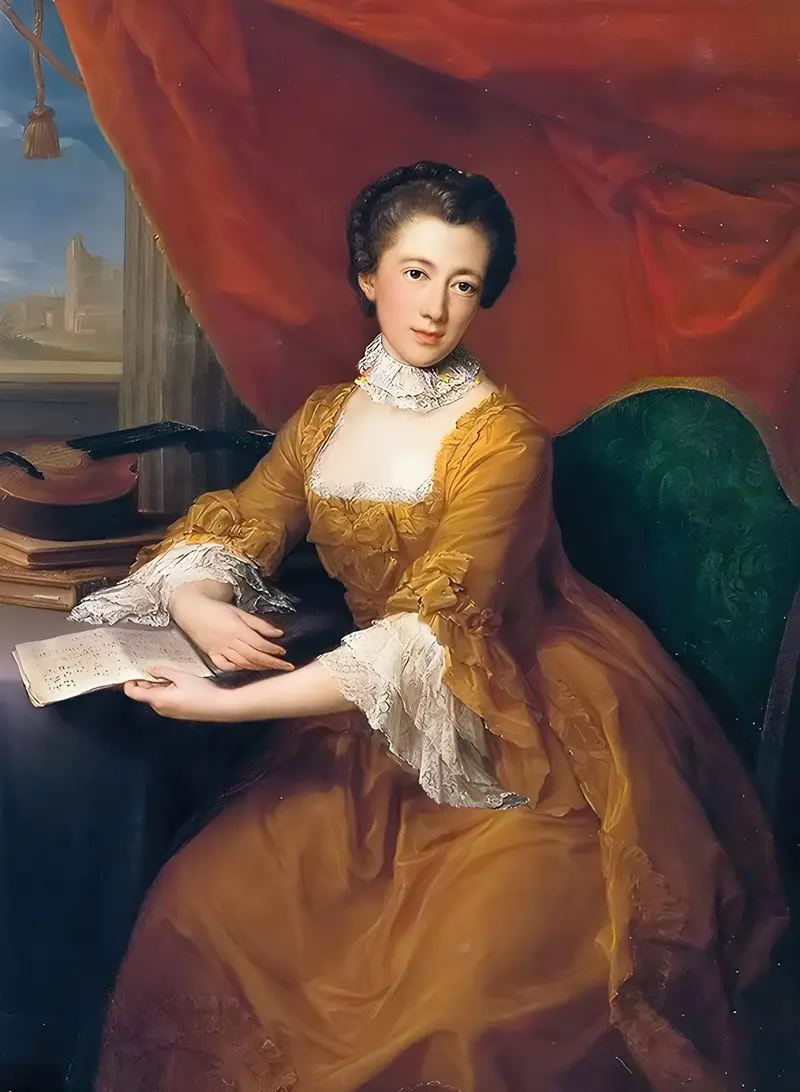
Portrait of Lady Margaret Georgiana Poyntz
Pompeo Batoni
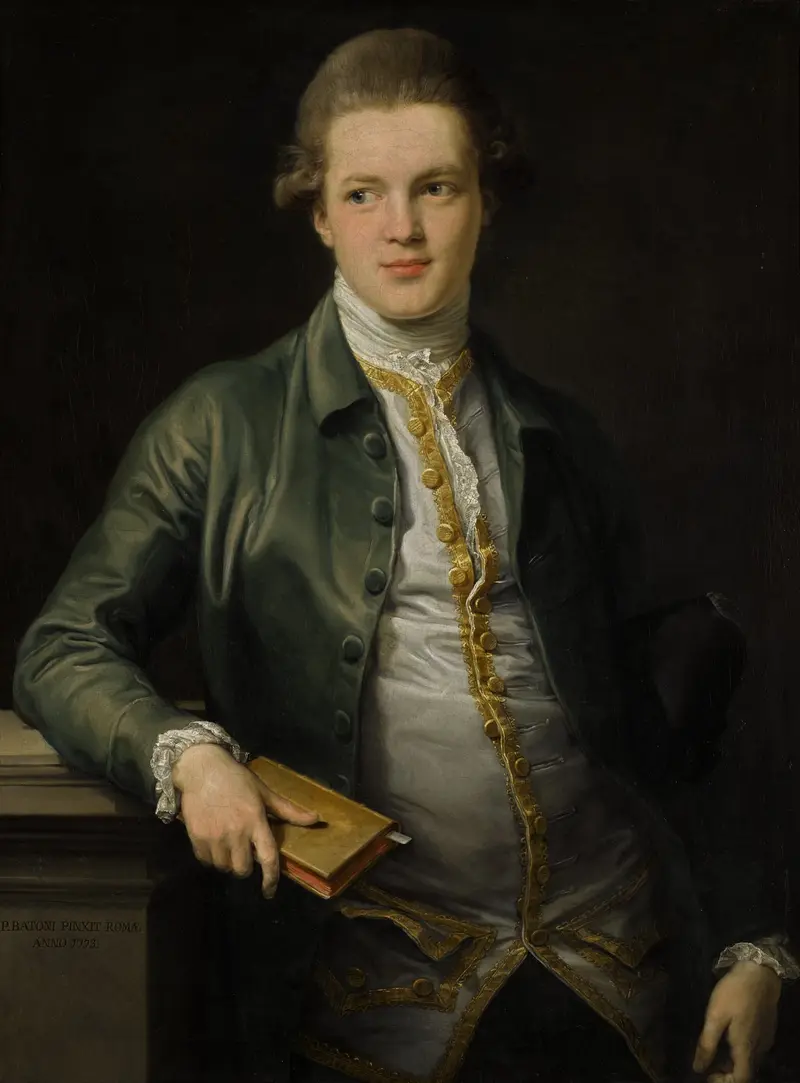
Portrait of Thomas Orde, later Orde-Powlett and 1st Baron Bolton
Pompeo Batoni

Male Nude Reclining on a Bed
Pompeo Batoni
Mary Taylour, Viscountess of Headfort, later Countess of Bective and Marchioness of Headfort
Pompeo Batoni





