
Along the Water’s Edge — History & Facts
Where does light end, and longing begin? This question looms over Thomas Luny's Along the Water’s Edge, a contemplative exploration of nature's serene beauty amid an era of revolutionary change. It captures a moment where tranquility meets the undercurrent of human desire, inviting us to reflect on our connection to the world around us. Look to the horizon, where the soft glow of the setting sun gently caresses the water's surface, illuminating the subtle ripples that dance beneath its light. Luny’s masterful brushwork creates a harmonious blend of blues and golds, drawing your eye to the fluid transition between sea and sky.
This seamless composition is punctuated by the figures along the shore, their silhouettes defined against the radiant backdrop, suggesting an intimate pilgrimage towards the promise of something just beyond reach. Yet, beneath the serene surface lies an emotional tension—the longing for freedom that parallels the picturesque scene. The stillness of the water juxtaposes the restless energy of the figures, hinting at aspirations that extend beyond the horizon. The gentle waves whisper stories of struggle and hope, mirroring the revolutionary spirit of the time.
Each stroke tells of a world on the brink of transformation, where the beauty of nature serves as both a refuge and a reminder of life’s relentless push forward. In 1816, Luny was navigating the shifting tides of British art, influenced by the Romantic movement's embrace of nature and emotion. The aftermath of the Napoleonic Wars cast a shadow on societal aspirations, and artists began to reflect these inner conflicts in their work. This painting emerged during a time when the longing for change mingled with the solace found in the natural world, capturing a pivotal moment in both Luny's life and the artistic landscape of the era.
More Artworks by Thomas Luny
Browse all →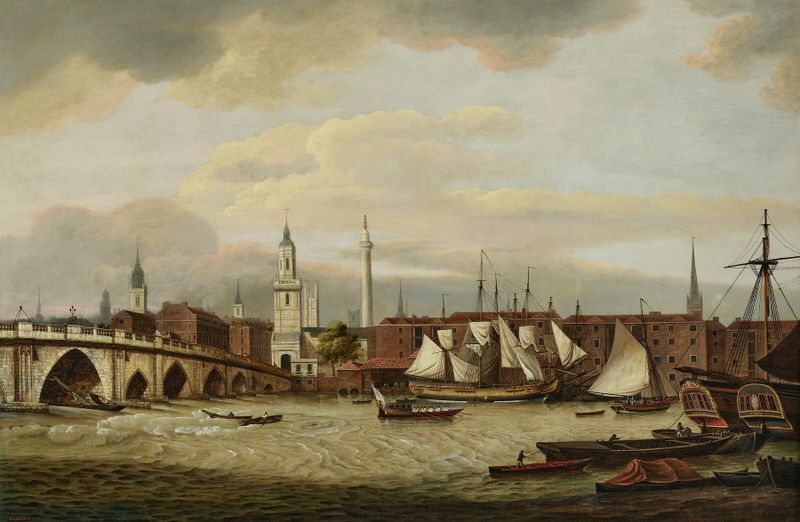
Merchant shipping at the wharfside below Old London Bridge, with the Church of St. Magnus the Martyr and Wren’s ‘Monument’
Thomas Luny
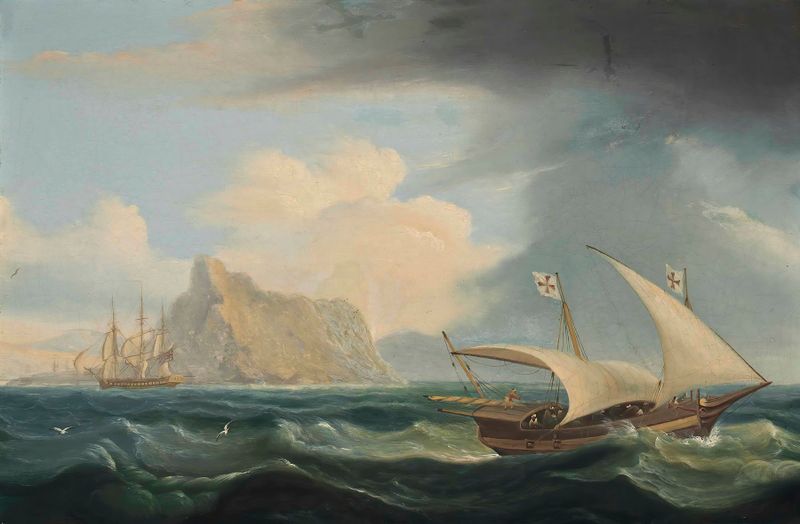
A British Warship And A Maltese Xebec In The Straits Of Gibraltar
Thomas Luny
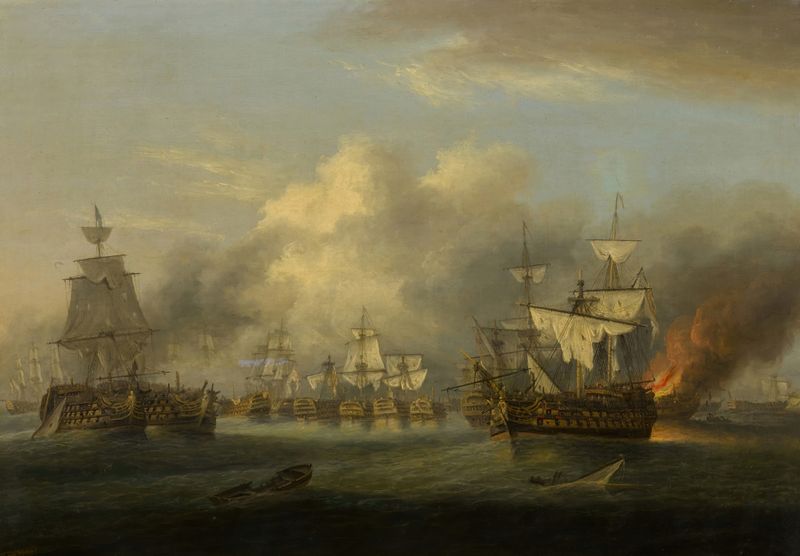
End of the Battle of Trafalgar, 1805
Thomas Luny
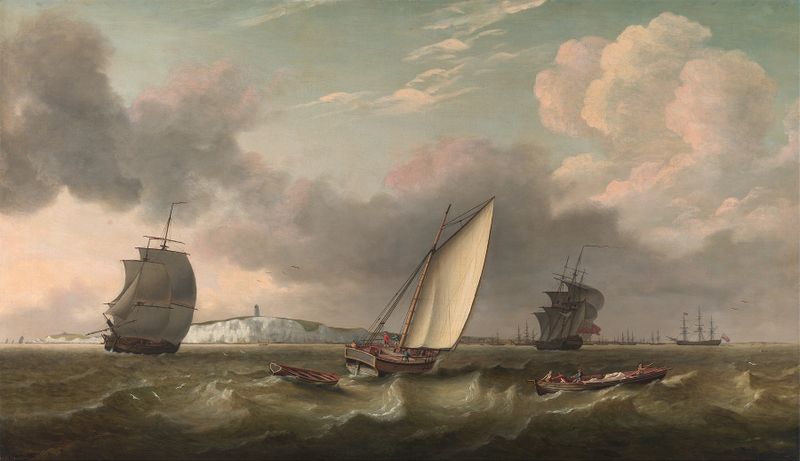
Packet Boat Under Sail in a Breeze off the South Foreland
Thomas Luny
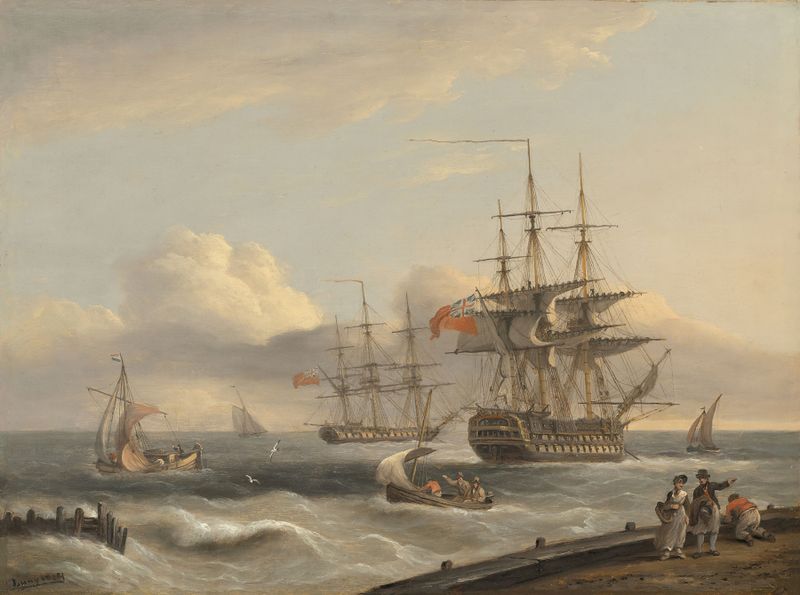
A British ’74’ unfurling its sails as it prepares to leave the anchorage with a frigate and various coastal craft beyond
Thomas Luny
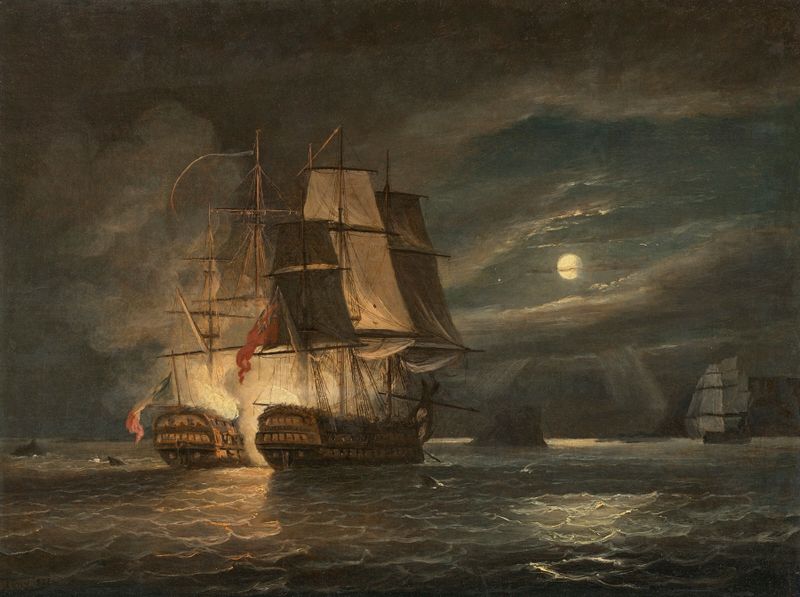
The French ’74 Hercule surrendering to H.M.S. Mars off Brest, 21 April 1798
Thomas Luny
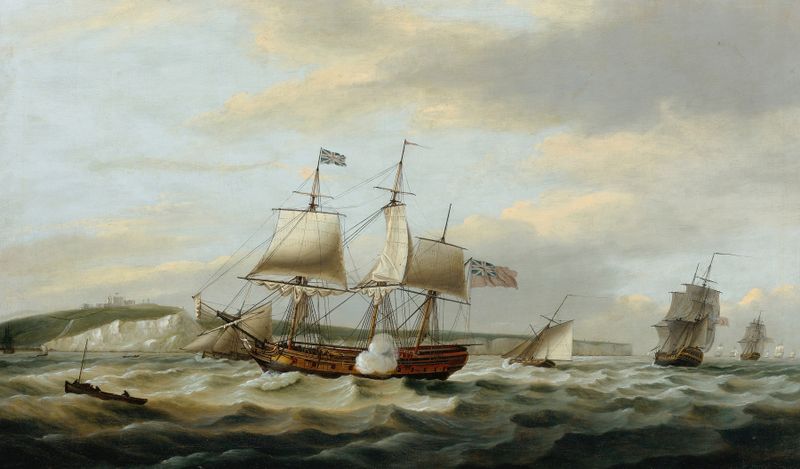
A Merchant Ship Signaling For A Pilot Off The Cliffs Of Dover
Thomas Luny
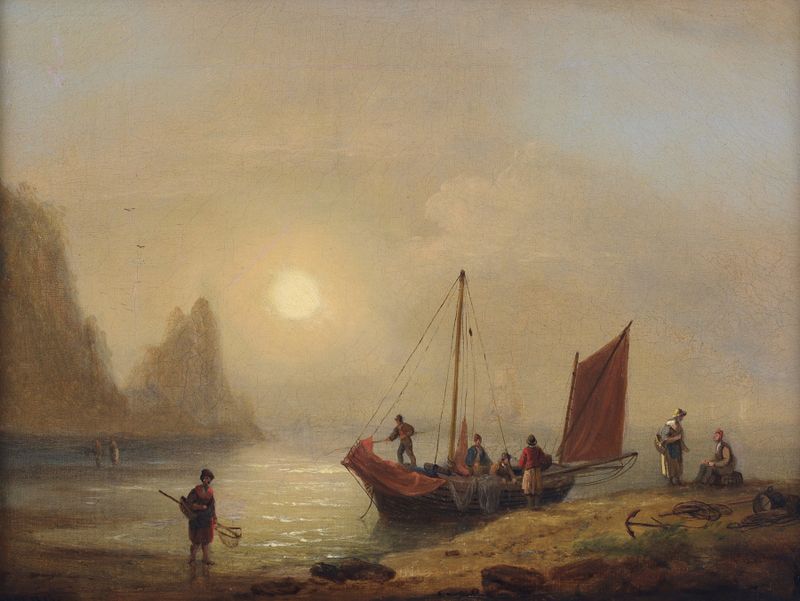
Fisherfolk on the Coast
Thomas Luny
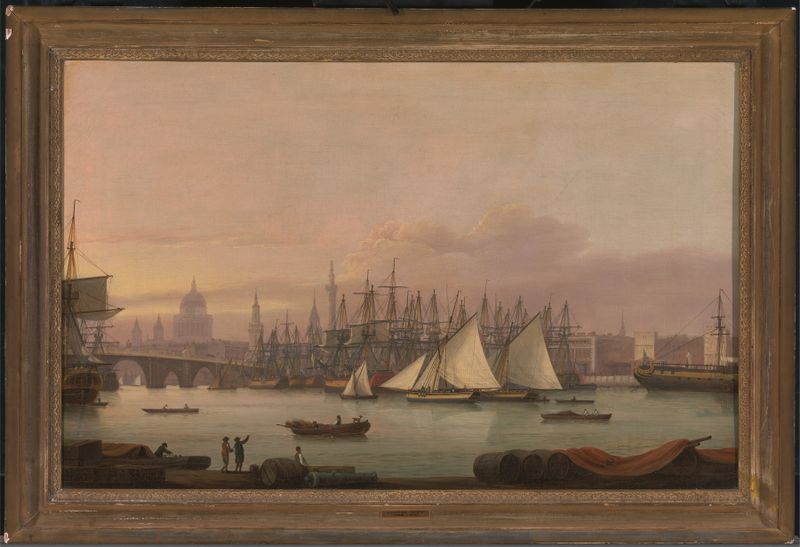
The Port of London
Thomas Luny
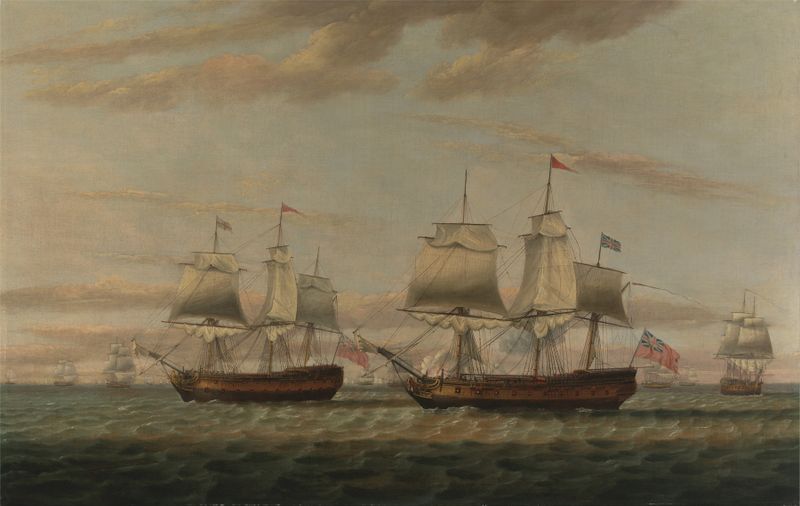
An Indiaman and a Two Decker Hove to, Said to be Thomas Dumar, Esq. in H.M. Ship ‘Portland’ Deliveri…
Thomas Luny





