
Fisherfolk on the Coast — History & Facts
Could a single brushstroke hold eternity? In Fisherfolk on the Coast, the delicate interplay between shadow and light becomes a meditation on the passage of time and the lives entwined in a moment's stillness. Look to the right at the figures, busy yet serene, their silhouettes marked sharply against the gentle undulation of the sea. Notice how the brushwork captures the shimmer of sunlight dancing on the water’s surface, casting intricate reflections that echo the fishermen's toil. The colors are rich and layered, with earthy browns and deep blues enveloping the scene, creating a harmonious balance that draws the eye across the canvas. Yet, it is the shadows that breathe life into this composition.
Each dark form hints at stories untold, contrasting the vibrancy of the coastline and the fishermen's work. The tension between light and shadow evokes the relentless rhythms of life by the sea, suggesting both the fleeting nature of the day and the enduring spirit of those who earn their livelihood from it. Here, the shadows are not mere absence of light; they hold the weight of experience, aspirations, and the very essence of existence. In 1816, Luny painted this piece during a time of transition in the art world, as Romanticism began to flourish, emphasizing emotion and nature.
Living in England, he was influenced by both the burgeoning maritime industry and the burgeoning interest in the portrayal of everyday life. This work reflects that shift, capturing the simplicity and dignity of fishermen while also hinting at the encroaching changes of the Industrial Revolution.
More Artworks by Thomas Luny
Browse all →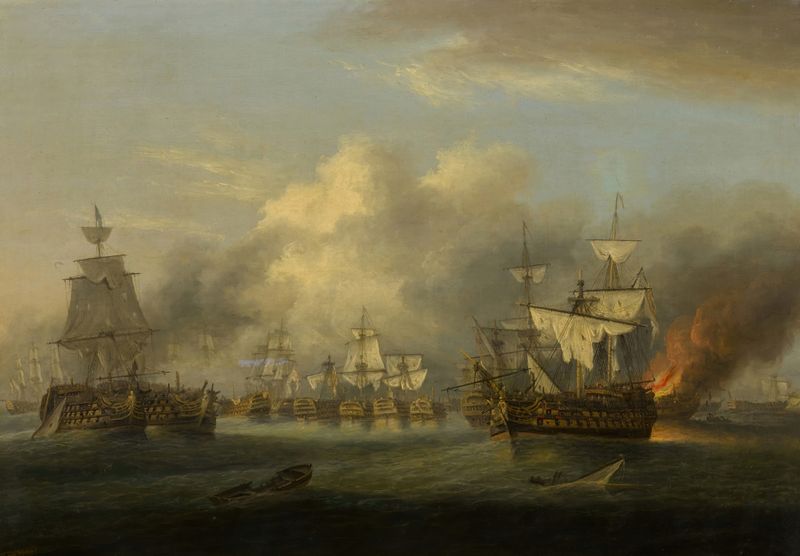
End of the Battle of Trafalgar, 1805
Thomas Luny
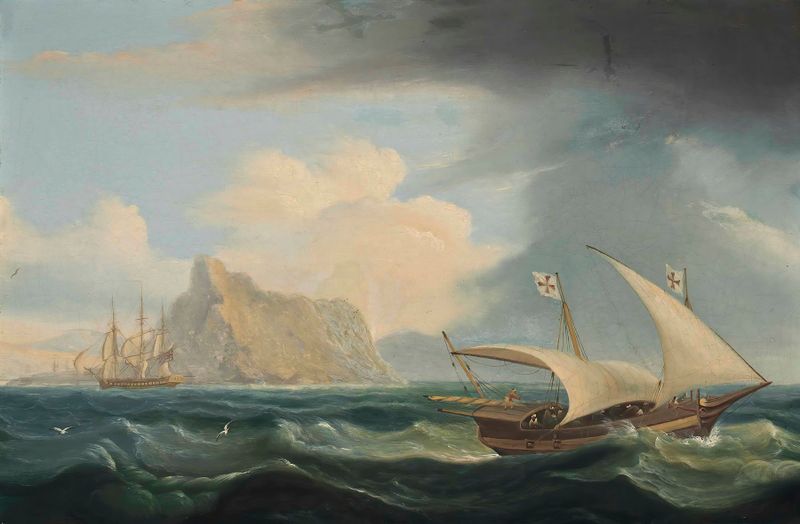
A British Warship And A Maltese Xebec In The Straits Of Gibraltar
Thomas Luny
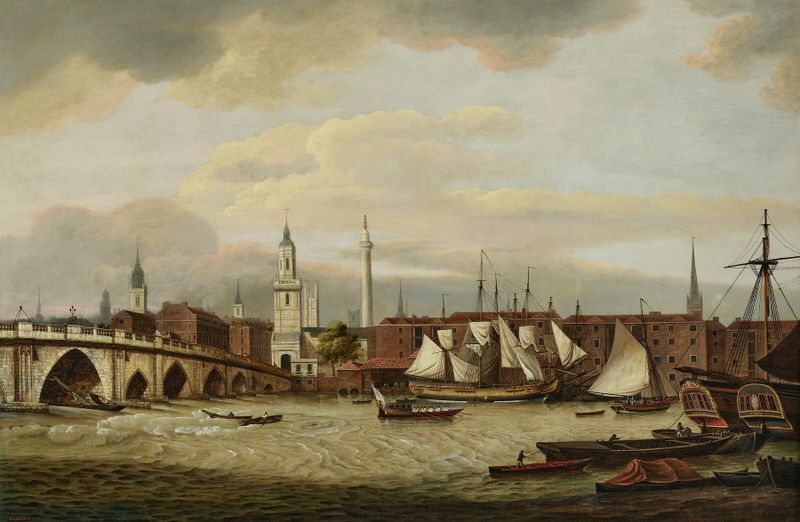
Merchant shipping at the wharfside below Old London Bridge, with the Church of St. Magnus the Martyr and Wren’s ‘Monument’
Thomas Luny
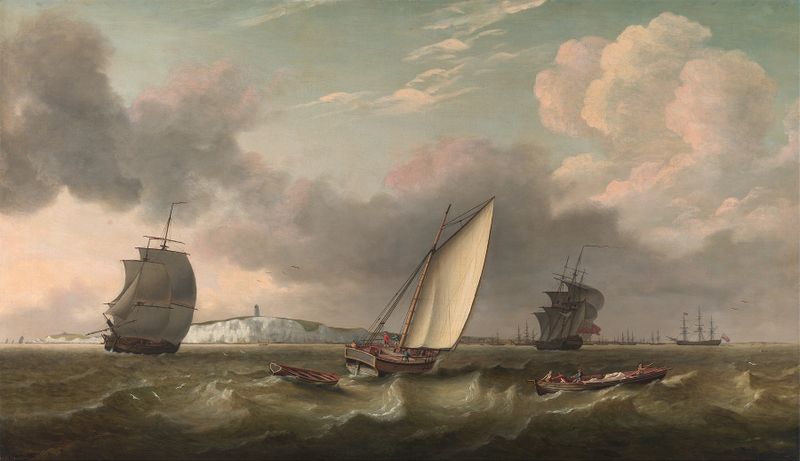
Packet Boat Under Sail in a Breeze off the South Foreland
Thomas Luny
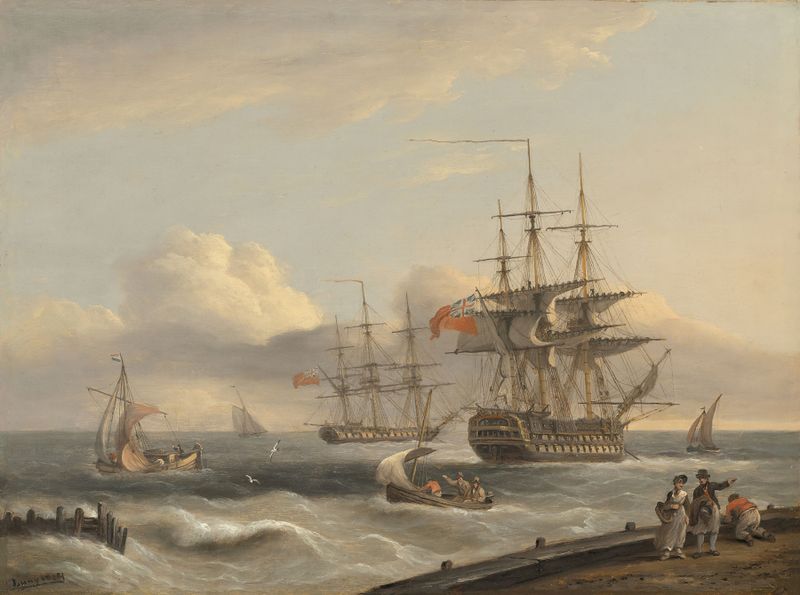
A British ’74’ unfurling its sails as it prepares to leave the anchorage with a frigate and various coastal craft beyond
Thomas Luny
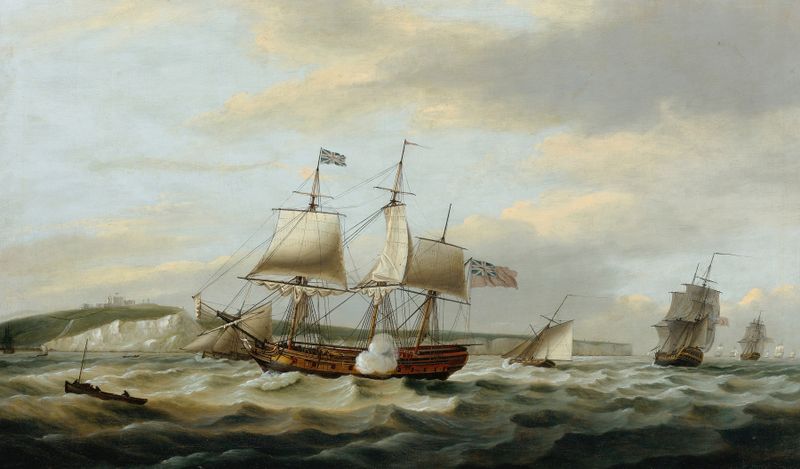
A Merchant Ship Signaling For A Pilot Off The Cliffs Of Dover
Thomas Luny
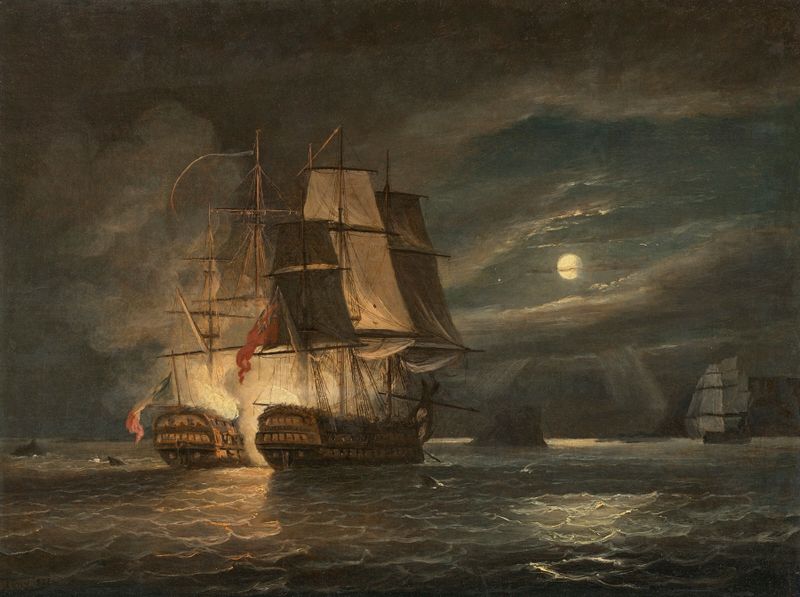
The French ’74 Hercule surrendering to H.M.S. Mars off Brest, 21 April 1798
Thomas Luny
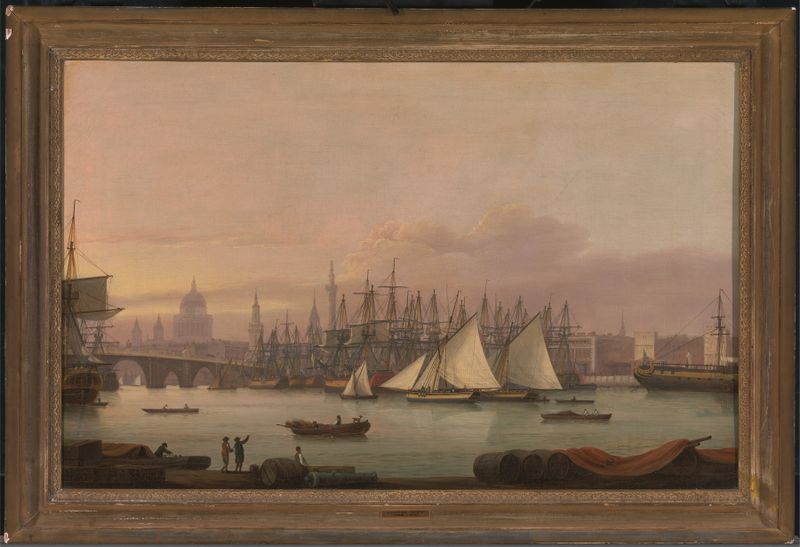
The Port of London
Thomas Luny
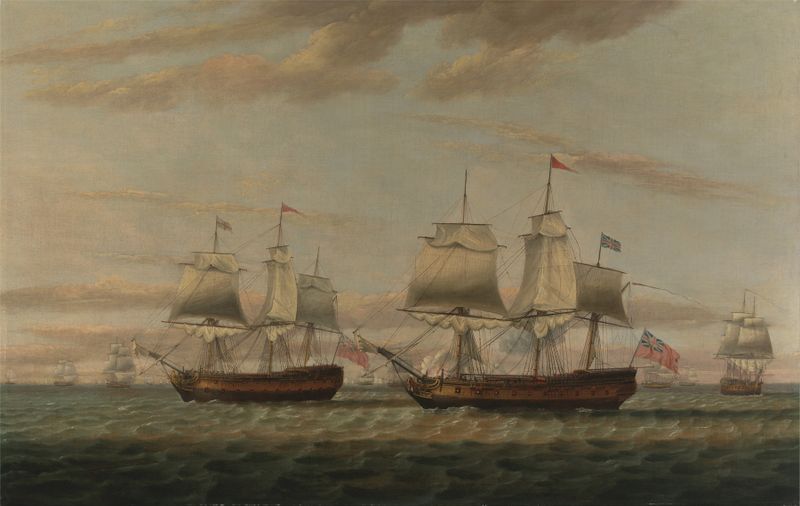
An Indiaman and a Two Decker Hove to, Said to be Thomas Dumar, Esq. in H.M. Ship ‘Portland’ Deliveri…
Thomas Luny
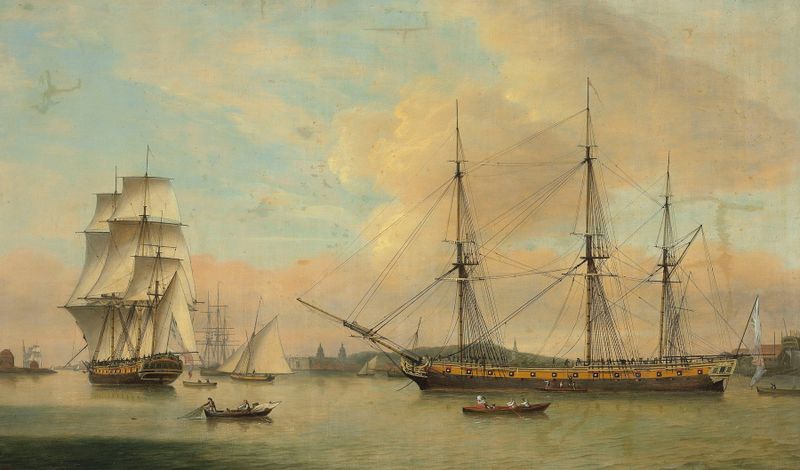
The Monsieur in two positions off Deptford dockyard, with Greenwich beyond
Thomas Luny





