
Alpine Scene — History & Facts
What if silence could speak through light? In the stillness of an alpine vista, the unspoken whispers of nature resonate, inviting a deeper contemplation of our existence in the vastness. Focus on the gentle gradients of blue and green that sweep across the canvas, drawing your eye toward the majestic peaks that rise like sentinels against the sky. Notice how the delicate interplay of light and shadow brings the rugged terrain to life, revealing hidden valleys and crystalline lakes nestled below. The meticulous attention to detail in the foliage and rocks creates a harmony that feels both serene and dynamic, evoking a profound sense of peace. Yet, beneath the tranquil surface lies a tension between the beauty of nature and the void it often represents.
The crisp air, while invigorating, carries a sense of isolation that hints at the sublime—a reminder of humanity's smallness in the face of such grandeur. Each brushstroke captures not just the scene but the emotional landscape of solitude and introspection, emphasizing the delicate balance between existence and the overwhelming silence that envelops the mountains. Created between 1844 and 1849, this work emerged during a pivotal time in John Ruskin’s life, as he was deeply engaged in the study of nature and art. The British art scene was evolving, with an increasing focus on realism and the Romantic ideals surrounding the appreciation of untouched landscapes.
Ruskin, a passionate advocate for the natural world and its preservation, used this period to blend his artistic vision with a philosophical exploration of beauty and the human experience.
More Artworks by John Ruskin
Browse all →
An Alpine Valley, the Matterhorn in the Distance
John Ruskin
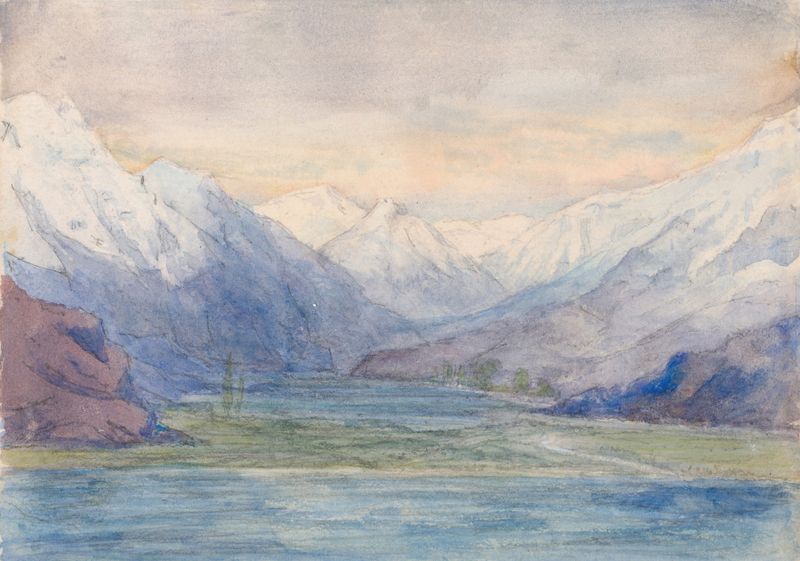
Mountain Landscape
John Ruskin

The Château of Amboise
John Ruskin

The Garden of San Miniato near Florence
John Ruskin

Dumbarton Castle
John Ruskin

View of the Bay of Naples and Vesuvius
John Ruskin
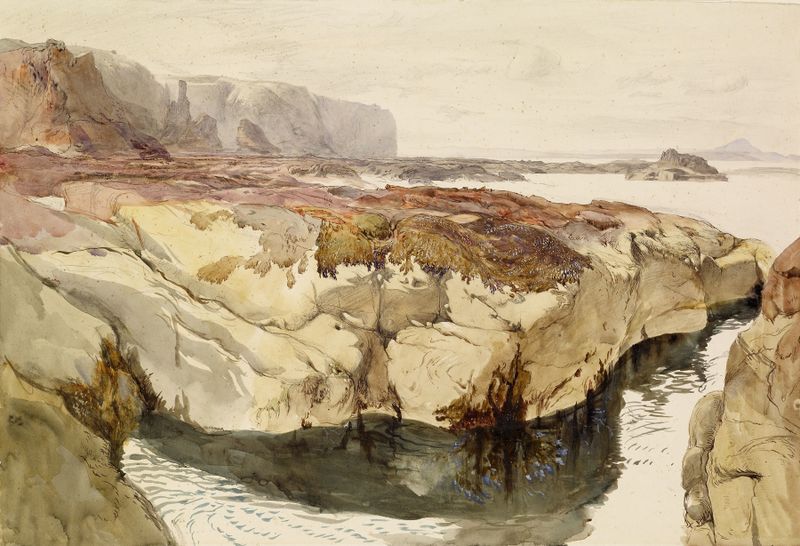
Coast Scene near Dunbar
John Ruskin

Gezicht op S. Anastasia te Verona, over de Adige
John Ruskin

Lauffenburg on the Rhine
John Ruskin
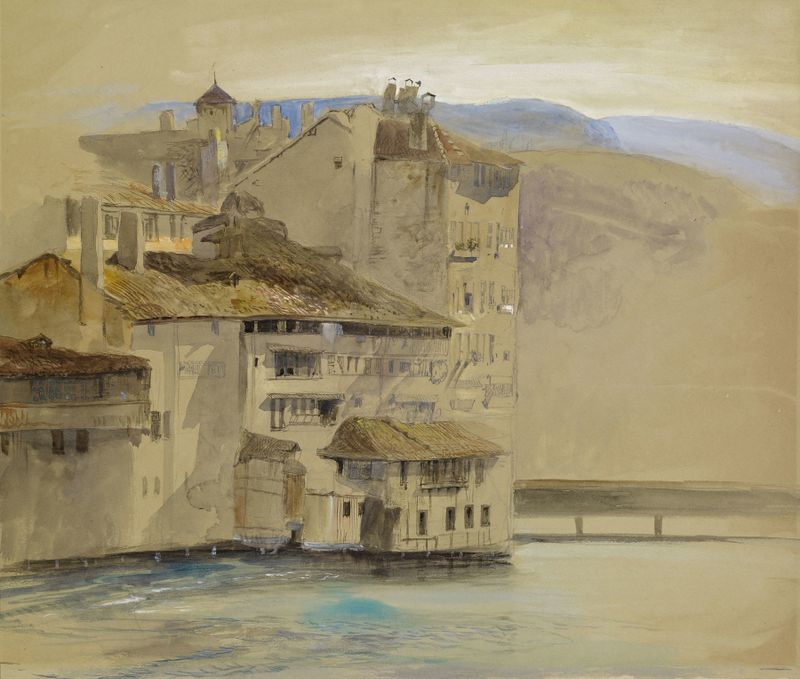
Old Houses on the Rhône Island, Geneva
John Ruskin





