
The Garden of San Miniato near Florence — History & Facts
Morning light dances through the branches, casting dappled patterns across the cobblestone pathway. A gentle breeze stirs the leaves, carrying with it the soft whispers of nature, while a nearby church bell tolls, marking the sanctity of the moment. In the foreground, an assortment of vibrant flowers blooms, their colors a testament to faith and renewal, inviting the viewer to step into this serene sanctuary. Look to the left at the symphony of colors formed by the wildflowers, each petal carefully rendered with meticulous brushstrokes that breathe life into the canvas.
Notice how the artist captures the soft curvature of the path leading toward the distant hills, drawing the viewer’s eye into the composition. The juxtaposition of warm and cool tones creates a harmonious balance, revealing both the vibrancy of life and the tranquility of the garden setting. Delve deeper into the contrasts present in this scene – the interplay between light and shadow suggests a divine presence, while the organic forms of the garden symbolize human connection to nature and spirituality. The delicate handling of the flowers conveys not just beauty, but a profound sense of hope and faith intertwined in the landscape.
Each element in the painting resonates with the viewer, amplifying an emotional response to the serene atmosphere. In 1845, Ruskin painted this piece during a time of personal growth and exploration in Florence, a city steeped in artistic heritage and religious significance. His focus on nature was a reflection of the Romantic movement’s push against industrialization, emphasizing a return to spirituality through the beauty of the natural world. This painting serves as a bridge between his evolving artistic philosophy and the rich cultural landscape that surrounded him.
More Artworks by John Ruskin
Browse all →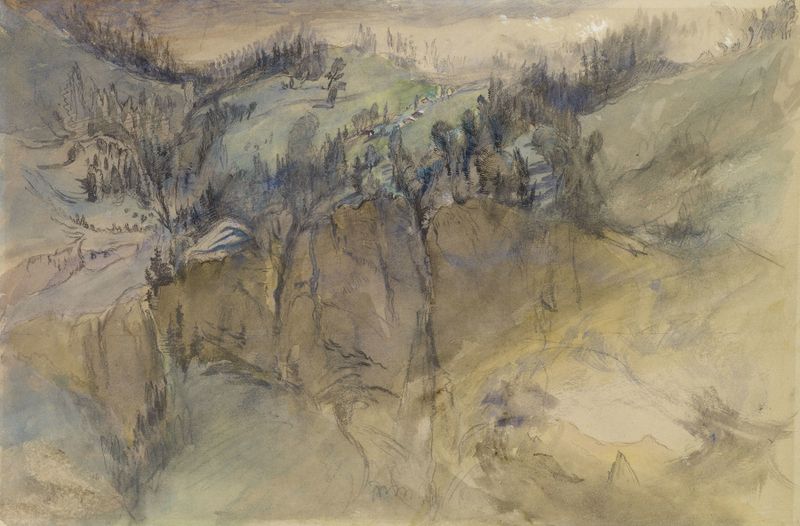
Alpine Scene
John Ruskin

An Alpine Valley, the Matterhorn in the Distance
John Ruskin
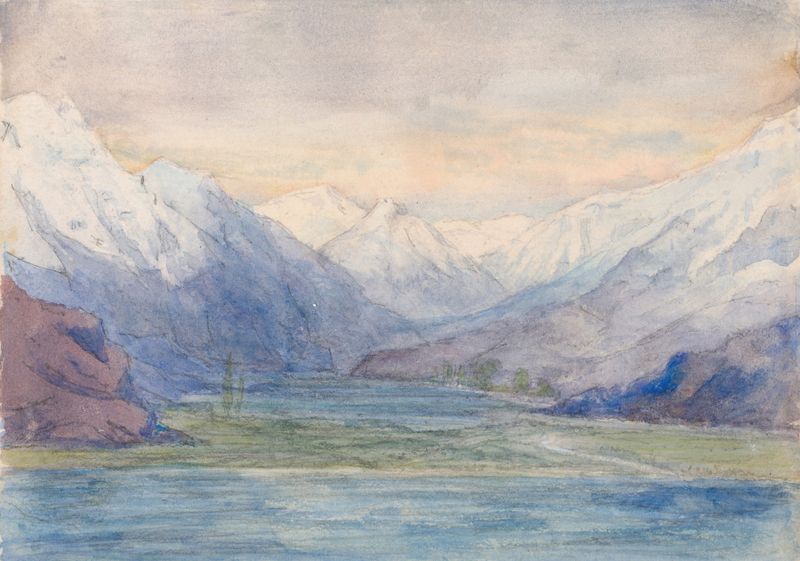
Mountain Landscape
John Ruskin

The Château of Amboise
John Ruskin

Dumbarton Castle
John Ruskin

View of the Bay of Naples and Vesuvius
John Ruskin
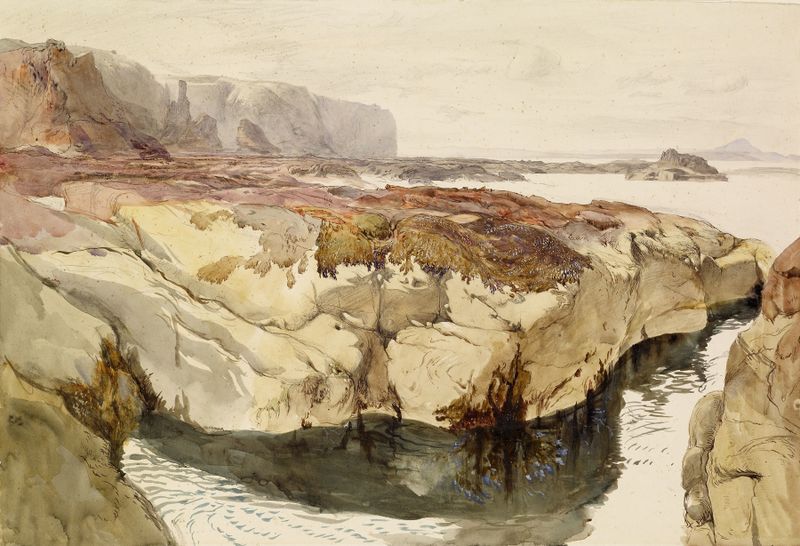
Coast Scene near Dunbar
John Ruskin

Gezicht op S. Anastasia te Verona, over de Adige
John Ruskin

Lauffenburg on the Rhine
John Ruskin
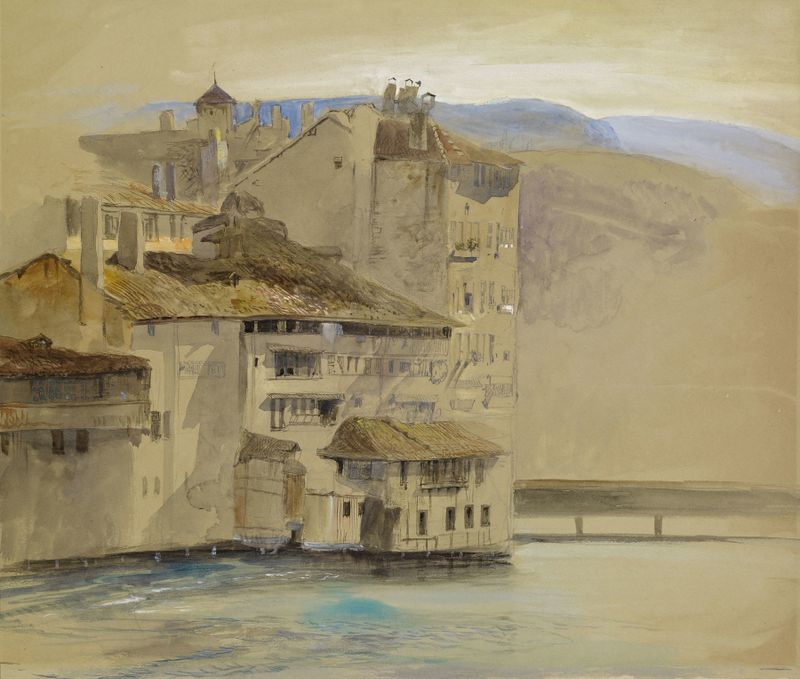
Old Houses on the Rhône Island, Geneva
John Ruskin





