Am Comer See (Lecco) — History & Facts
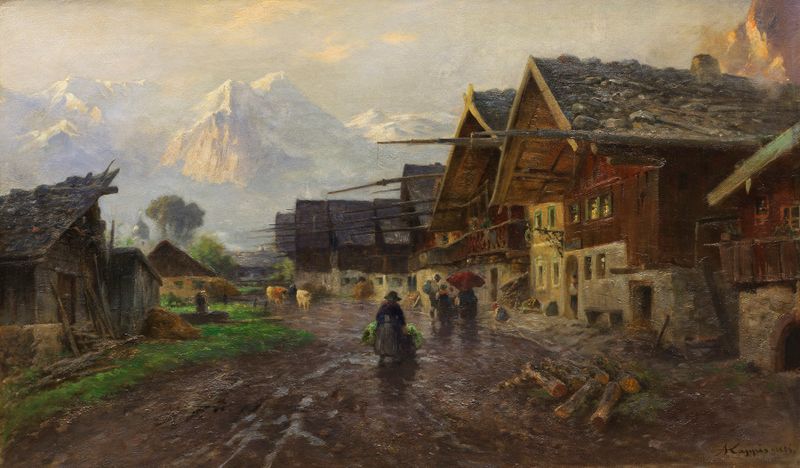
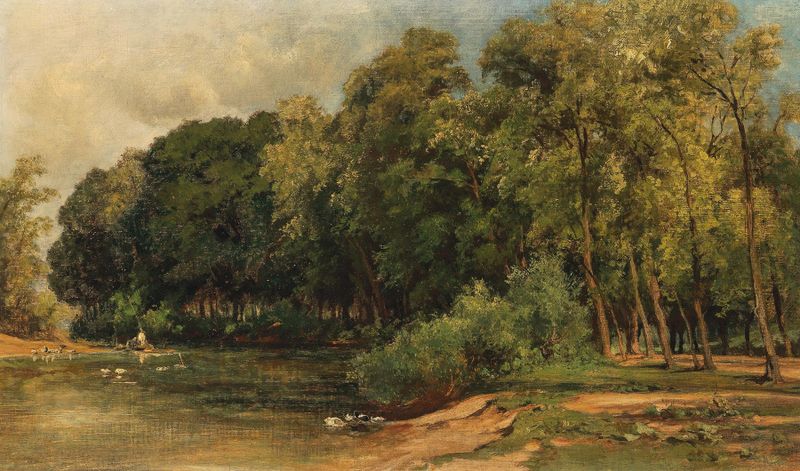
In the stillness of Am Comer See (Lecco), a profound sense of solitude lingers like a whisper, inviting viewers to confront their own feelings of isolation against the backdrop of nature's grandeur. Look first to the expansive lake, where the mirror-like surface reflects the somber hues of the twilight sky. The gentle ripples ripple outward, creating a sense of movement that contrasts with the stillness of the surrounding mountains, heavy with silence. Notice how the muted palette of blues and grays envelops the scene, evoking an atmosphere thick with introspection and longing, while the faint glimmers on the water hint at fleeting moments of connection amid the vastness of solitude. Deeper insights reveal a duality within this tranquil landscape; the looming mountains suggest both protection and confinement, evoking a tension between safety and isolation.
The empty shoreline emphasizes the loneliness of the human experience, as if no one else is present to witness the exquisite beauty laid bare before the eye. Each brushstroke carries a weight of emotion, capturing the essence of solitude that permeates the air, inviting contemplation on the nature of existence itself. Albert Kappis painted Am Comer See in 1880 while living in the idyllic yet introspective surroundings of Lecco, Italy. At this time, Kappis was immersed in the Romantic movement, which sought to explore emotional depth in nature and the human experience.
This artwork reflects a transitional period in his career, as he sought to blend realism with the expressive qualities of the landscape, capturing not just a scene, but the profound sentiments that dwell within it.