
American Cross-Fox — History & Facts
In American Cross-Fox, we see a striking depiction of a cross-fox set against a natural backdrop. The artist employs a rich palette of browns, oranges, and whites, capturing the fox's fur in intricate detail. The setting is a lush landscape, suggesting a serene yet vibrant environment.
The overall composition draws the viewer's eye to the fox, making it the focal point of the artwork. The painting showcases the technical skill of Charles Hamilton Smith, particularly in the rendering of textures and colors. The use of oil on canvas allows for a depth of color and detail that enhances the lifelike quality of the fox. Observers can appreciate the careful brushwork that brings out the nuances of light and shadow on the animal's fur.
This attention to detail is characteristic of the Realism style, which aims to depict subjects as they appear in everyday life. Charles Hamilton Smith was known for his detailed studies of animals and nature, often blending scientific observation with artistic expression. American Cross-Fox exemplifies his commitment to realism and naturalism in art. An interesting fact about this work is that it reflects the growing interest in wildlife during the early 19th century, a time when natural history was becoming increasingly popular.
Smith's works contributed to the understanding and appreciation of animal life in art and science.
More Artworks by Charles Hamilton Smith

Marengo, Bonaparte’s Arab
Charles Hamilton Smith
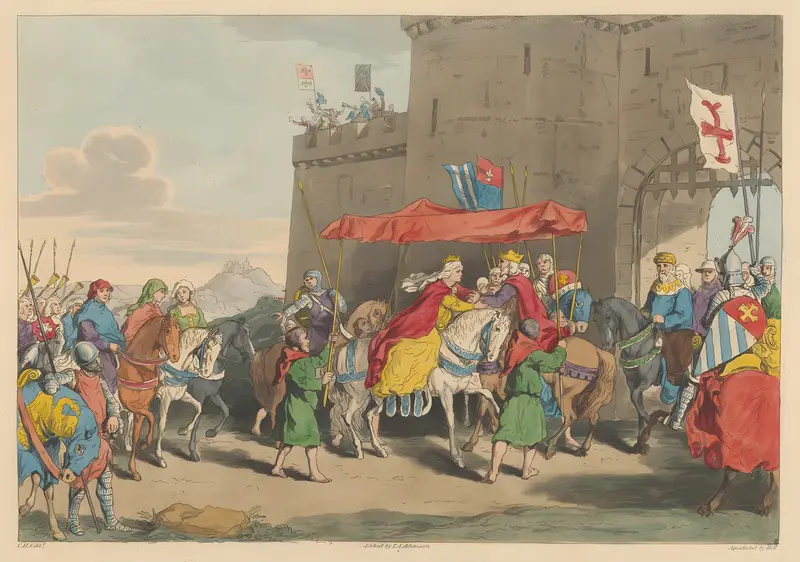
Costume of the Reign of King Henry III
Charles Hamilton Smith
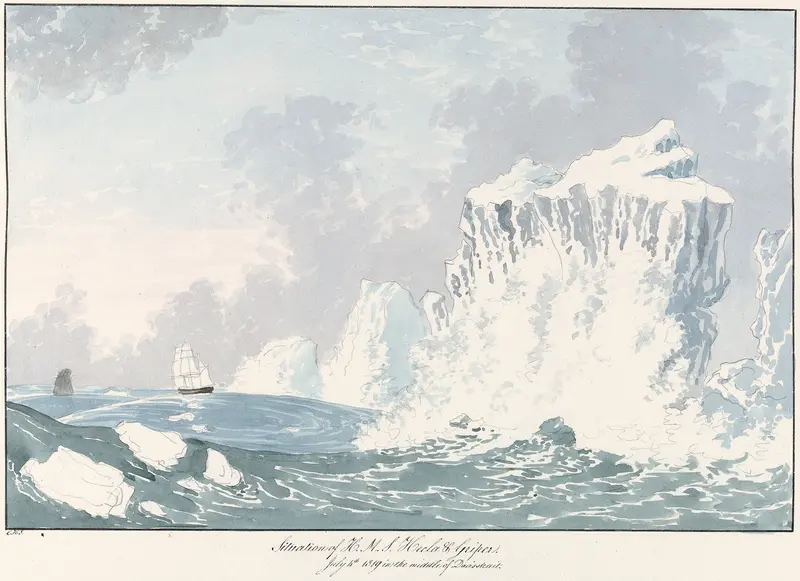
Situation of H.M.S. Hecla & Griper
Charles Hamilton Smith

Hecla and Griper
Charles Hamilton Smith
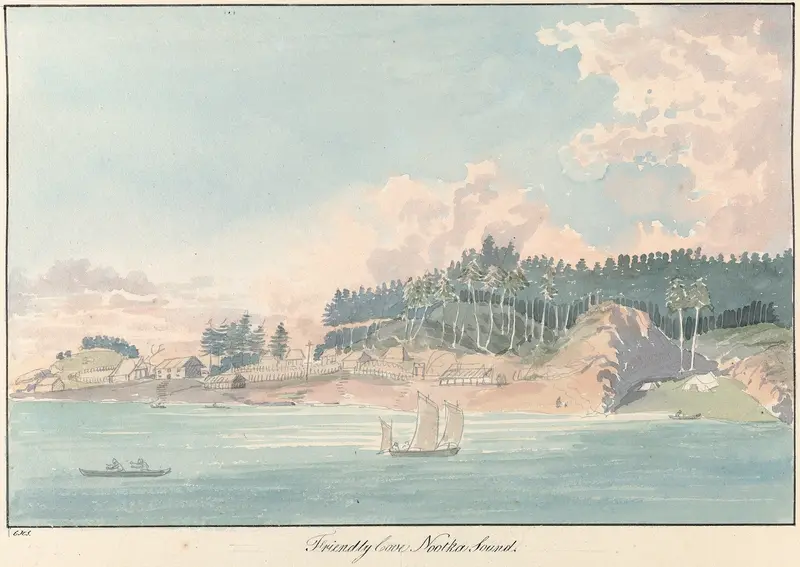
Friendly Cove, Nootka Sound
Charles Hamilton Smith
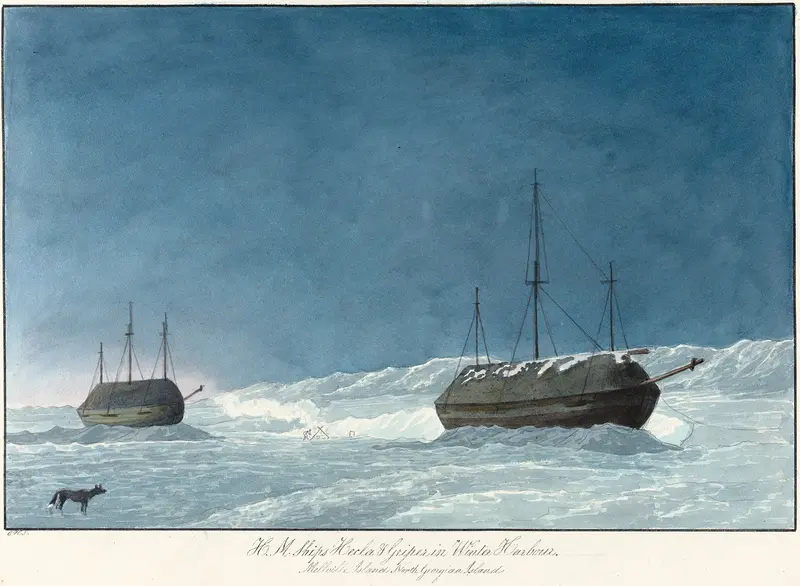
H. M. Ships Hecla and Griper in Winter Harbour
Charles Hamilton Smith
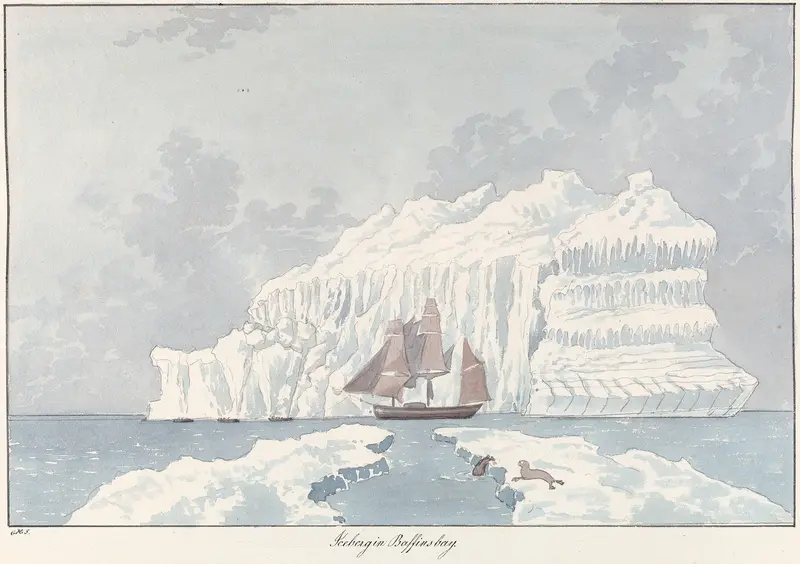
Iceberg in Baffin’s Bay
Charles Hamilton Smith
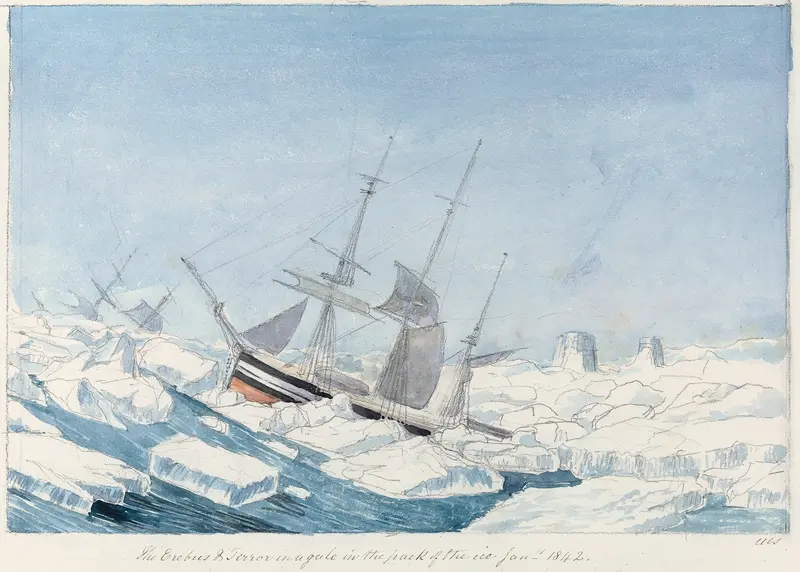
The Erebus & Terror in a Gale in the Pack of the Ice
Charles Hamilton Smith
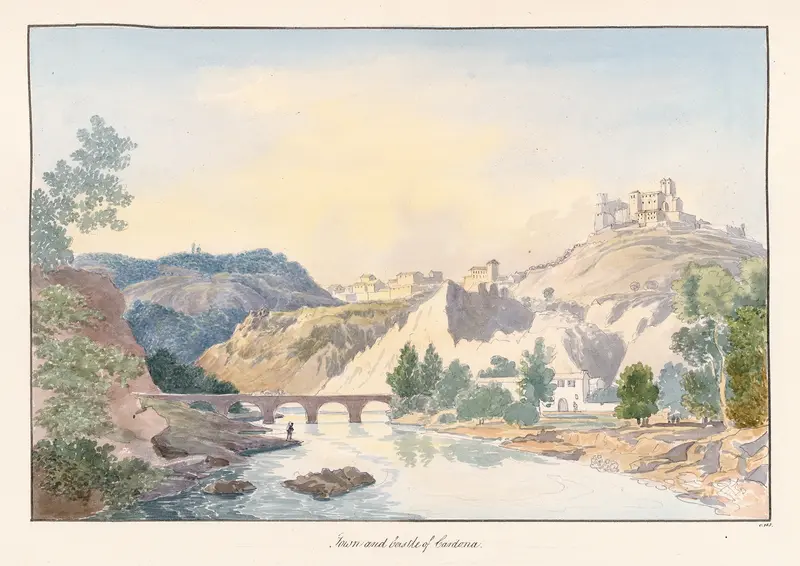
Town and Castle of Cardona
Charles Hamilton Smith
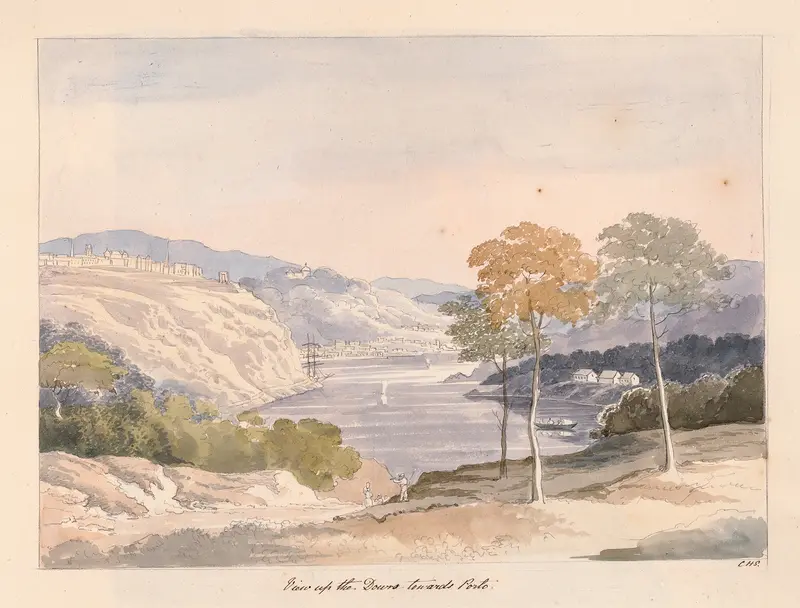
View of the Douro towards Porto
Charles Hamilton Smith





