American Harvest Scene — History & Facts
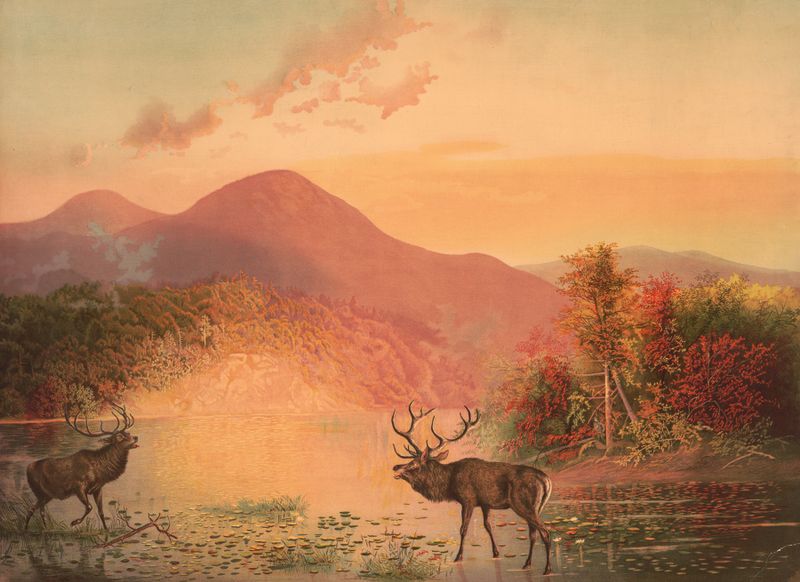
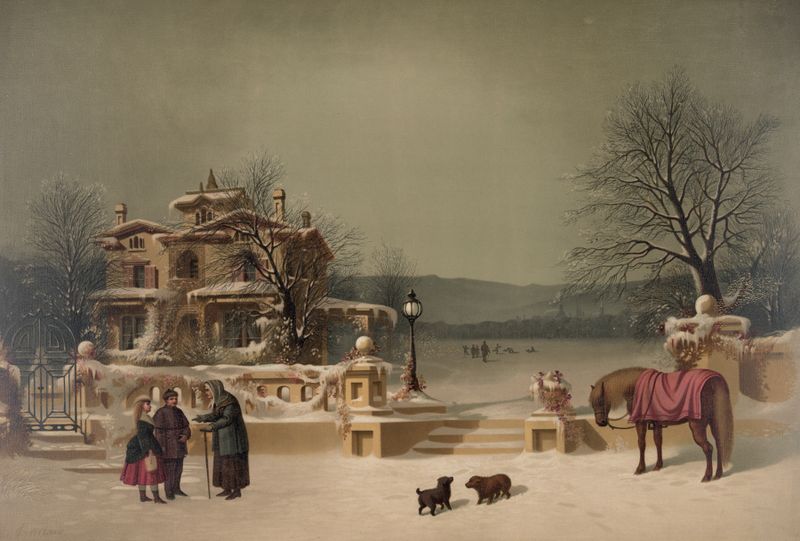
Who listens when art speaks of silence? In the stillness of American Harvest Scene, a fragile balance unfolds, inviting introspection on the resilience of nature and humanity. Look to the center of the canvas, where a farmer pauses, his figure draped in muted earth tones that blend with the golden fields around him. The sun casts a soft, warm glow, illuminating the wheat that sways gently in the breeze. Notice how Hoover employs a delicate interplay of light and shadow to evoke a sense of tranquility, while the horizon stretches infinitely, suggesting both promise and uncertainty.
Each brushstroke meticulously captures the texture of the grains, a testament to labor and the bounty of the land. As you delve deeper, observe the distant figures—workers in the fields—who embody the communal effort that sustains life. Their labor speaks to a tradition rooted in the soil, yet their silhouettes hint at an underlying fragility, reflecting the tenuous nature of harvests and livelihoods. The sky, a stunning gradient of blues and golds, mirrors the delicate balance between abundance and scarcity, infusing the scene with a poignant sense of longing and hope. In 1876, during a time of post-Civil War recovery and burgeoning agricultural expansion, American Harvest Scene emerged from the hands of Joseph Hoover.
As he painted in rural America, the nation was grappling with its identity, and artists were beginning to explore themes of everyday life. This work captures a pivotal moment, where nature's beauty intertwines with the human experience, offering a glimpse into a world and era rich with complexity.