Sunset on the coast of Wales — History & Facts
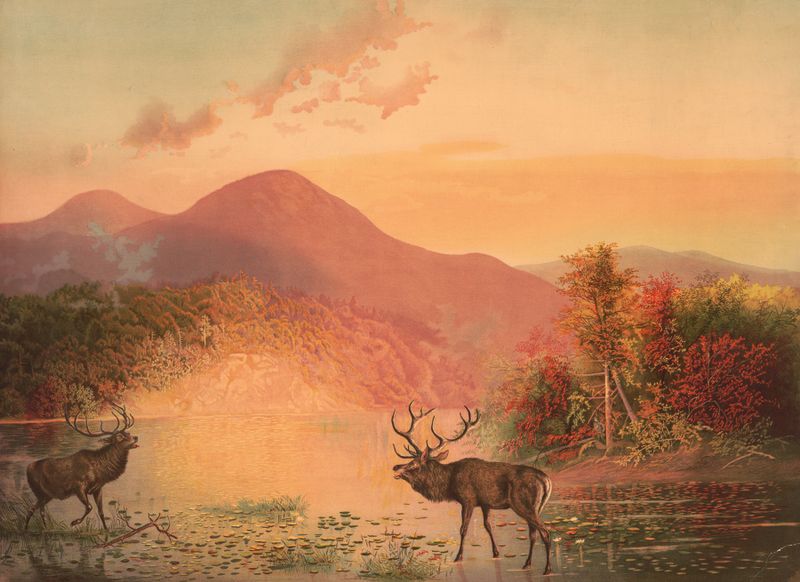
What secret hides in the quiet of the canvas? Underneath the soft hues of twilight, the air is thick with possibility, as if fate itself lingers just beyond the horizon. Look to the left at the gentle undulation of the coastline, where the waves lap rhythmically against the shore. The warm oranges and deep purples blend seamlessly into the fading light, evoking a sense of both tranquility and impending change. Notice how the sky’s reflection dances upon the water, each ripple mirroring the transition of day into night, symbolizing the delicate balance between hope and uncertainty. Amidst the beauty, a tension lies in the juxtaposition of the serene landscape and the elusive horizon.
The shadowy cliffs loom in the distance, suggesting both shelter and foreboding. Here, Hoover captures the essence of destiny — the interplay between natural beauty and human emotion, where every sunset teases the promise of a new dawn while reminding us of the inevitable passage of time. In 1872, Joseph Hoover painted this work during a period when the Pre-Raphaelite movement was gaining momentum in Britain. As an emerging artist, Hoover sought to capture nature's ephemeral moments, reflecting both personal introspection and broader artistic trends.
The coastal scene represents a merging of romantic idealism with a growing fascination for realism, as he navigated his own artistic journey amid a rapidly changing landscape of art and society.