Lake Chapauqua — History & Facts
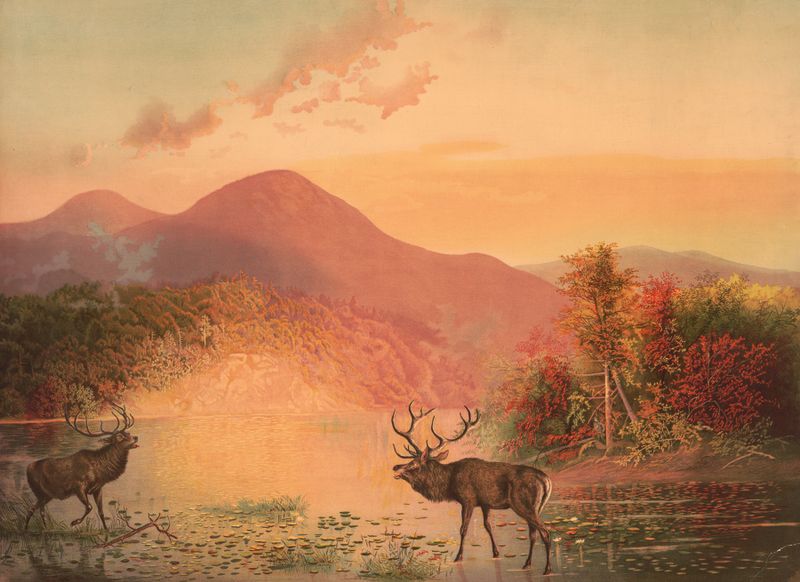
This profound reflection encapsulates the awakening essence of a serene landscape, where every brushstroke holds a whisper of nostalgia and life itself. Focus on the tranquil waters at the center, shimmering with dappled sunlight that dances upon the surface, inviting the viewer to linger. Notice how the soft blues and greens are expertly blended, creating a harmonious balance between sky and earth. The gentle brushwork, almost impressionistic in style, encourages a sense of peace, with wispy clouds floating lazily, suggesting the passage of time as they drift overhead. In the foreground, the vibrant wildflowers create a contrast, their bursts of color symbolizing the fleeting nature of beauty.
The balance between the stillness of the lake and the lively flora evokes a deep emotional tension—one that speaks to the transience of life while celebrating the moment. The undulating hills in the background, cloaked in an almost ethereal mist, reinforce the theme of memory, reminding us of what has come before and what may fade with time. Joseph Hoover painted this work in 1892, during a period of personal exploration and artistic development. Living in a time when American artists were beginning to embrace landscapes infused with emotion and narrative, he found inspiration in the natural beauty of his surroundings.
The late 19th century was a pivotal moment for American art, as the Impressionist movement began to influence new generations of painters, urging them to capture the essence of the world around them with renewed fervor.