American winter scene — History & Facts
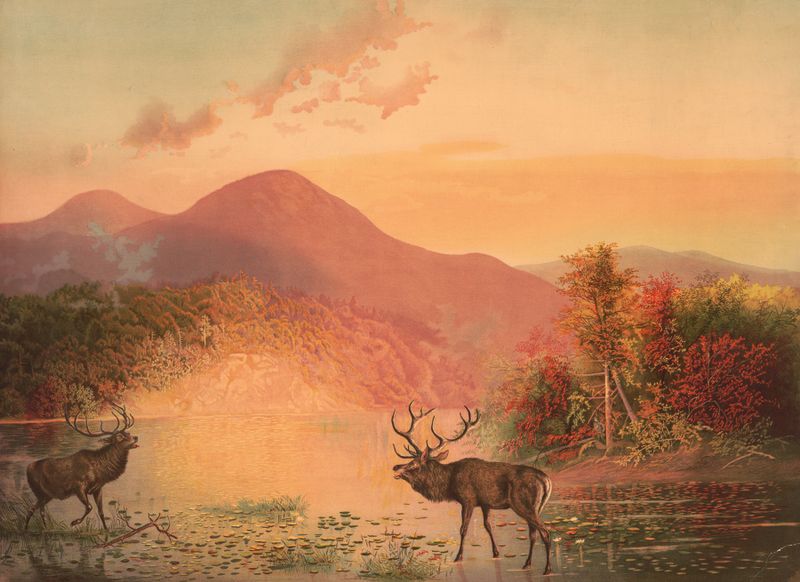
In the stillness of winter, serenity unfolds, inviting the viewer to pause and reflect on the beauty hidden within the cold. It is in this delicate balance of tranquility and starkness that we find our own hearts resonating with the season’s quiet embrace. Focus first on the soft palette that envelops the canvas—gentle whites and cool blues create a luminous landscape, inviting your eyes to wander through the depth of the snow-draped terrain. Notice how the artist expertly captures the interplay of light and shadow; a subtle glow emanates from the horizon, illuminating the trees and the gentle contours of the rolling hills.
Every brushstroke seems to whisper secrets of nature, as the scene breathes an air of calm and stillness. Amidst the serene beauty, a sense of isolation emerges. The absence of human figures suggests a moment of introspection, allowing the viewer to connect with their own inner landscape. The meticulously painted branches, heavy with snow, evoke a feeling of burden, but also resilience, as they stand against the weight of winter’s chill.
This juxtaposition of fragility and strength speaks to the duality of life itself—a reminder that serenity can often be found in solitude. In 1874, Joseph Hoover was crafting his vision during a time when America was redefining its artistic identity. The Hudson River School and its emphasis on landscapes were influential, yet Hoover sought to capture a more intimate connection to nature. Living in a world marked by industrial growth and change, he turned to the serenity of rural scenes, finding beauty in the quiet corners of American winters, revealing a new perspective in a rapidly evolving society.