Amersfeld – Amersfoort — History & Facts
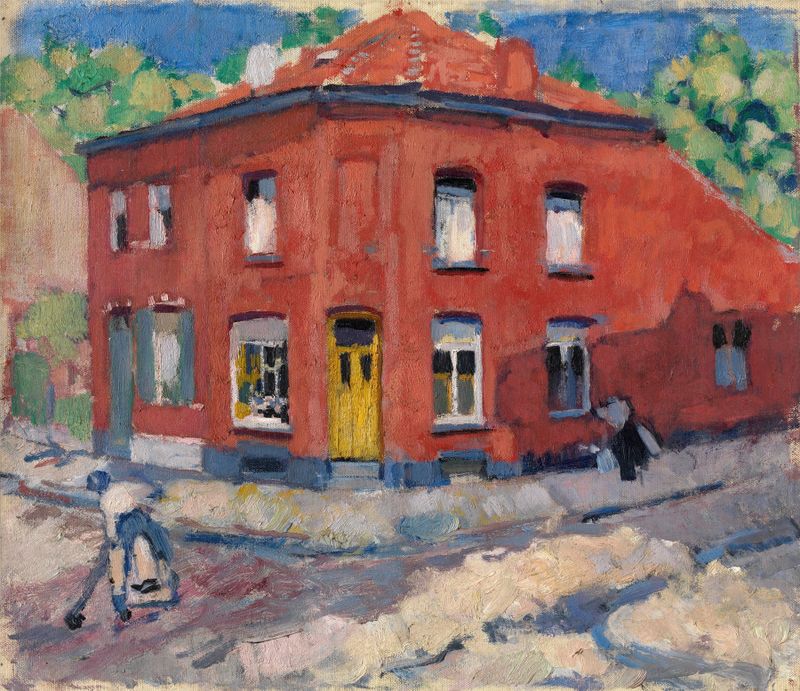
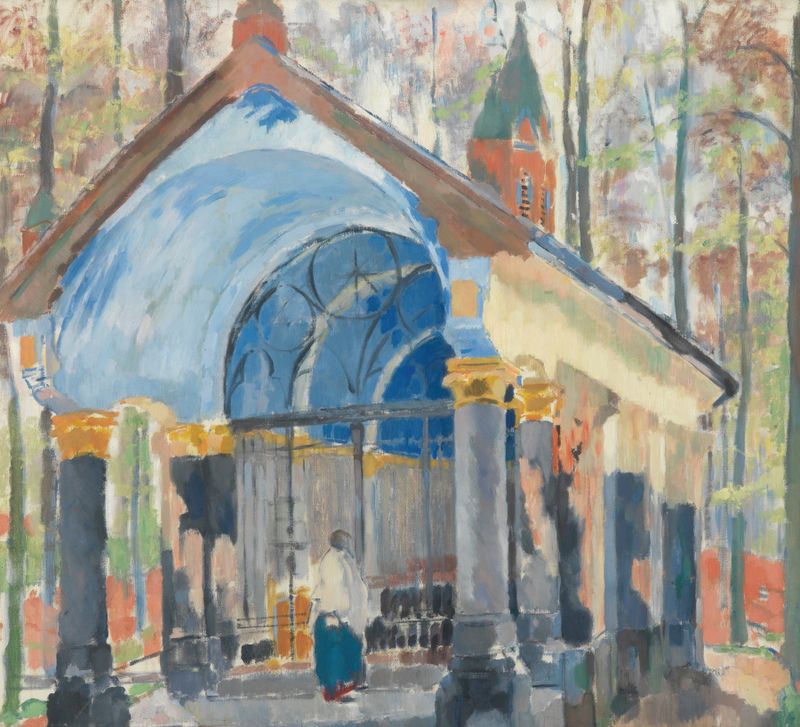
In a world that often rushes past, how do we capture the moments that truly matter? Art whispers secrets of revelation, allowing us to pause and reflect on life’s fleeting beauty. Focus first on the vibrant palette of Amersfeld – Amersfoort, where gentle greens and warm ochres intertwine, creating an inviting landscape. The fluidity of the brushwork leads the eye gracefully across the canvas, revealing a serene scene of everyday life. Notice how the light plays upon the surface, illuminating the figures engaged in their tasks, their gestures imbued with a sense of tranquility and purpose.
Each stroke breathes life into the environment, beckoning viewers to immerse themselves in this tranquil moment. Delve deeper to uncover the emotional undercurrents woven into the scene. The juxtaposition of light and shadow not only defines the physical space but also reflects the internal struggles of the figures, hinting at their hopes and dreams. The composition subtly invites contemplation — the viewer is compelled to ponder the stories behind each figure, drawing parallels between their daily existence and our own pursuits.
It is a visual poem that celebrates the ordinary while simultaneously elevating it to a realm of profound significance. Rik Wouters created this piece in 1916 during a tumultuous period marked by World War I. Working in Belgium, he sought refuge in the beauty of his surroundings, channeling his emotional experiences into his art. At this time, Wouters was exploring post-impressionist techniques, embracing a personal style that emphasized color and form as a means of expressing the complexities of life and human connection.