The Red House, Late Snow — History & Facts
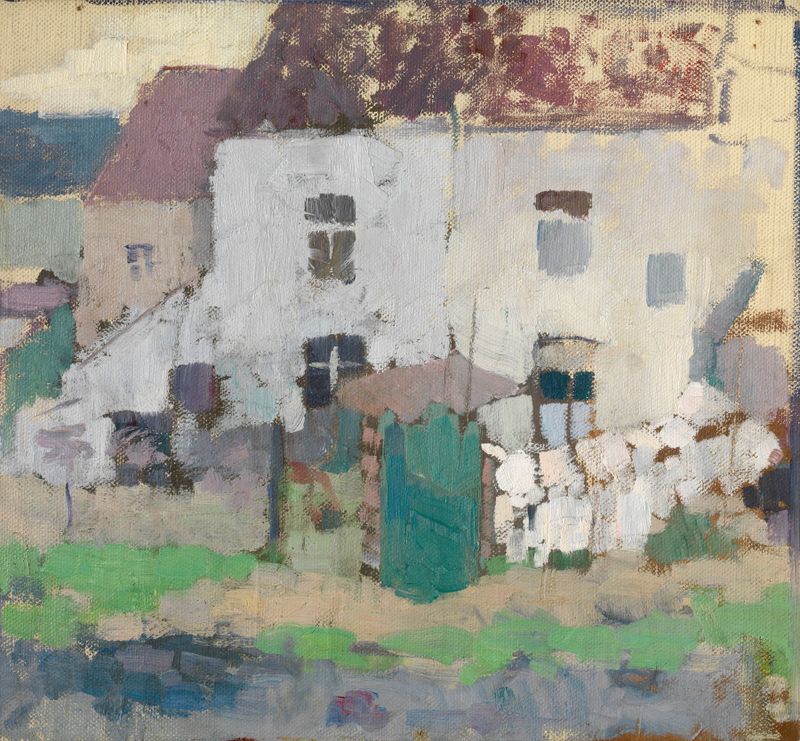
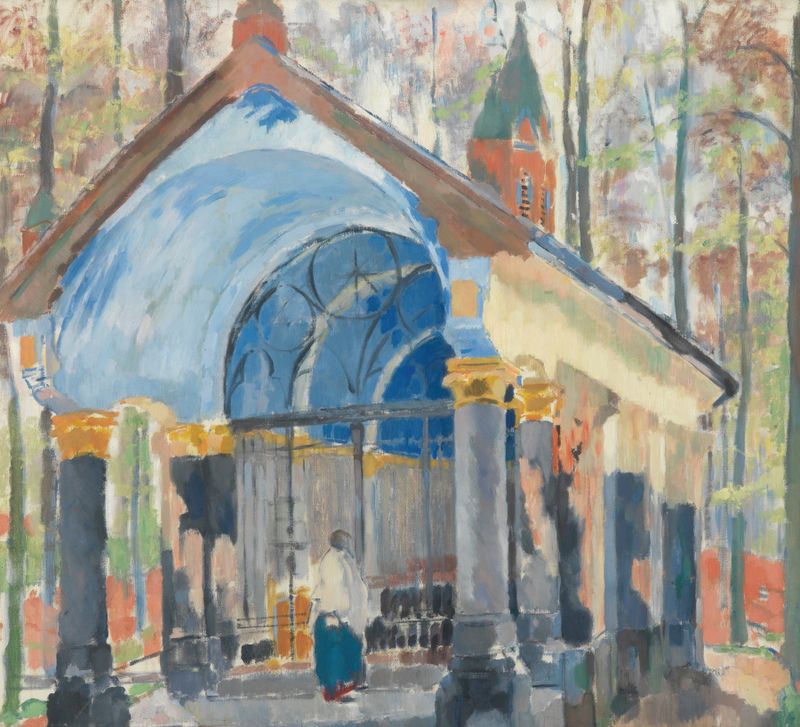
What secret hides in the quiet of the canvas? The passage of time lingers here, captured in the stillness of a moment long gone. Focus on the vibrant reds of the house, which draw the eye immediately to the foreground, a striking contrast against the cold blues and whites of the late snow. Notice how the thick brushstrokes bring texture to both the walls and the drifting snow, inviting your hand to feel the palpable chill. The uneven lines of the roof suggest a humble dwelling, while gentle shadows play across the scene, hinting at the low winter sun.
Every element pulls you deeper into the artist's intimate portrayal of a solitary home enveloped in a serene, snowy landscape. Within this snowy scene lies a juxtaposition of warmth and coldness. The inviting hue of the house suggests a refuge, yet the starkness of the surrounding snow evokes a sense of isolation. The interplay of light and shadow creates a fleeting mood—an eternal moment where nature and human presence converge, reflecting the impermanence of seasons and life itself.
Each brushstroke whispers of time passing, a reminder of both stillness and transience. Created during 1907-1908, this work emerged as Rik Wouters navigated his artistic identity amidst the vibrant art movements of Belgium. At this time, he was synthesizing influences from Impressionism and Expressionism while grappling with personal struggles and a changing artistic landscape. The world was witnessing an evolution in the relationship between modernity and tradition, and The Red House, Late Snow stands as a testament to his commitment to capturing ephemeral beauty in a world in flux.