White Façades and Garden at Bosvoorde — History & Facts
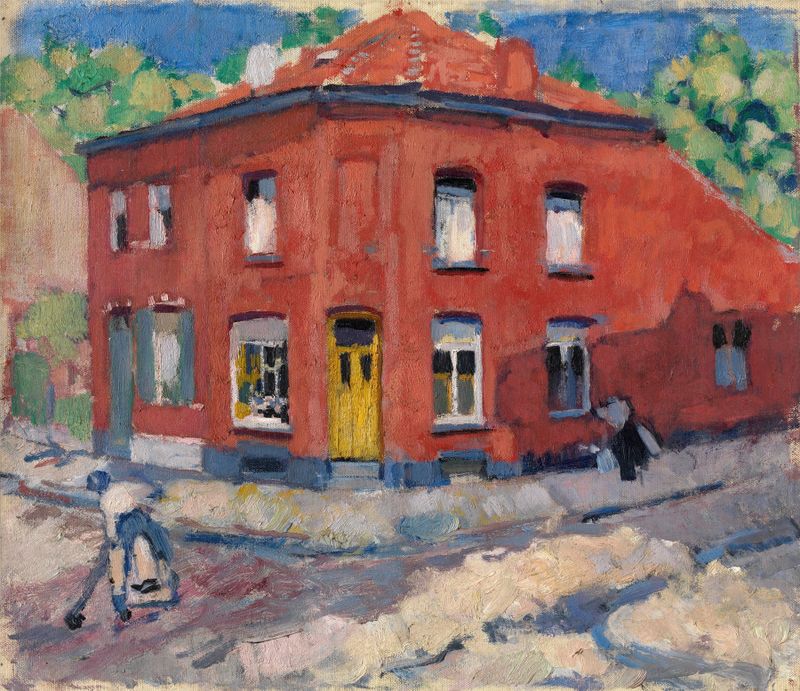
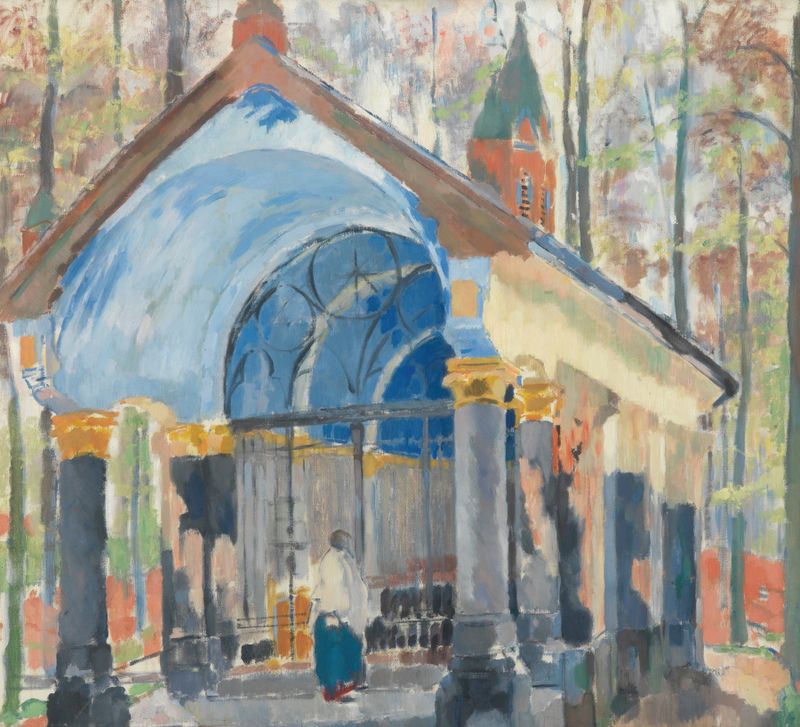
Sunlight pours over a serene garden, bathing the white façades of distant houses in a heavenly glow. A gentle breeze stirs the leaves, whispering secrets of nature to the vibrant flowers below. In this quiet moment, a few figures wander, their gestures relaxed yet purposeful, as if they are mere extensions of the beauty surrounding them. Focus first on the delicate interplay of light and shadow across the white façades to the left.
Notice how the paint seems to capture the radiance of day, transforming the ordinary structures into ethereal beacons. The lush greens and soft pastels of the garden invite the eye to explore, with every brushstroke conveying a sense of both tranquility and vibrancy. The harmonious use of color creates a symphony, where the architecture stands proudly against the blossoming life below. As you delve deeper, the contrasts emerge—a celebration of human creation amidst the divine splendor of nature.
Look closely at the way the flowers, in their riot of colors, almost steal the scene from the buildings, suggesting a fleeting connection between life and artistry. The figures, while small and unassuming, embody an intimate relationship with their surroundings, hinting at a shared reverence for beauty that transcends the mundane. Created in 1907, this piece reflects Rik Wouters' desire to capture the essence of everyday life infused with divine inspiration. At this time, the artist was living in Belgium during a period of profound change, as modern art movements began to challenge traditional perceptions.
His exploration of light and form in this work marked a turning point, blending Impressionistic techniques with a unique personal vision that celebrated both humanity and nature in harmony.