
Amusement on the Caique — History & Facts
When did color learn to lie? The vibrant hues of life often mask the shadows lurking beneath the surface, revealing the duality of our existence. Look to the left at the boat's gentle curve against the water, each stroke of paint capturing the playful dance of sunlight reflected on the waves. Notice the joyous figures, their laughter seemingly suspended in time, yet the details—an uneasy posture here, a fleeting glance there—hint at a deeper tension. The artist employs a rich palette, where the reds and blues clash harmoniously while concealing underlying frictions, drawing the viewer into an illusion of contentment. Beneath the surface of merriment, the painting reveals a complex emotional landscape.
The carefree expressions of the children and adults contrast with their rigid gestures, suggesting a veiled struggle against societal expectations or personal turmoil. Each character, though seemingly absorbed in amusement, carries an unspoken weight that resonates with the viewer, prompting an internal examination of joy and sorrow intertwined. Fausto Zonaro created this piece during a time of great cultural and political change in the late 19th century. Living in Constantinople, he was immersed in a world where the opulence of the Ottoman Empire coexisted with social strife.
This painting reflects not only his artistic evolution but also the complexities of the society surrounding him, as he sought to capture both the beauty and the underlying tensions characteristic of his time.
More Artworks by Fausto Zonaro
Browse all →
Constantinople From The Bosphorus
Fausto Zonaro
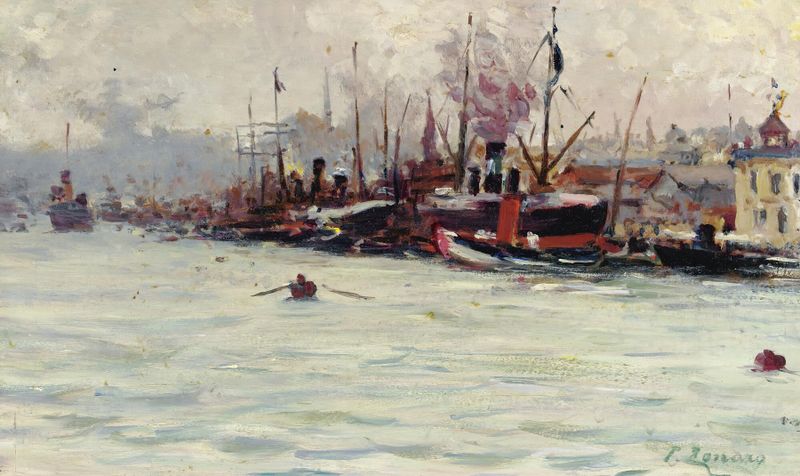
Port Of Galata, Istanbul
Fausto Zonaro

View of Nisantasi with the Dolmabahçe Mosque, Constantinople
Fausto Zonaro
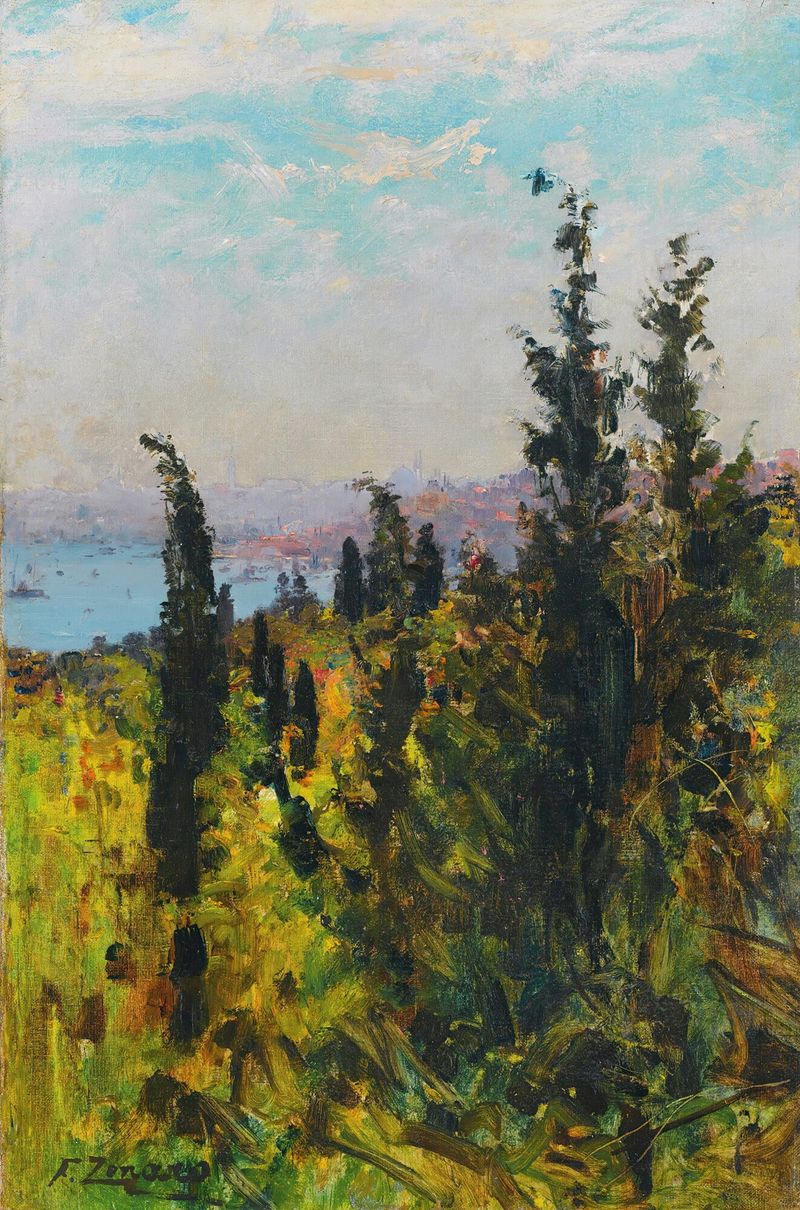
View Over The Golden Horn
Fausto Zonaro
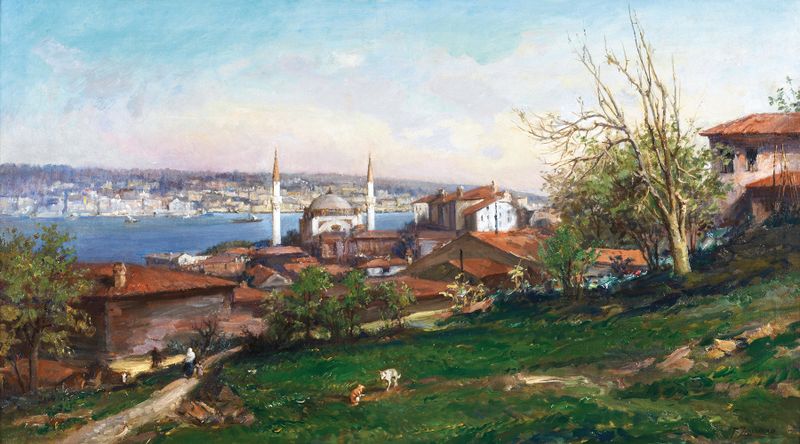
Istanbul, on the Slopes of Üsküdar
Fausto Zonaro
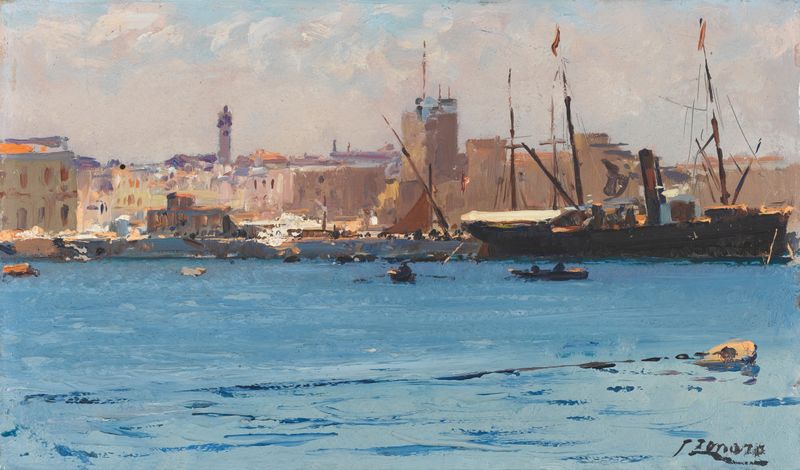
Boats In A Port
Fausto Zonaro
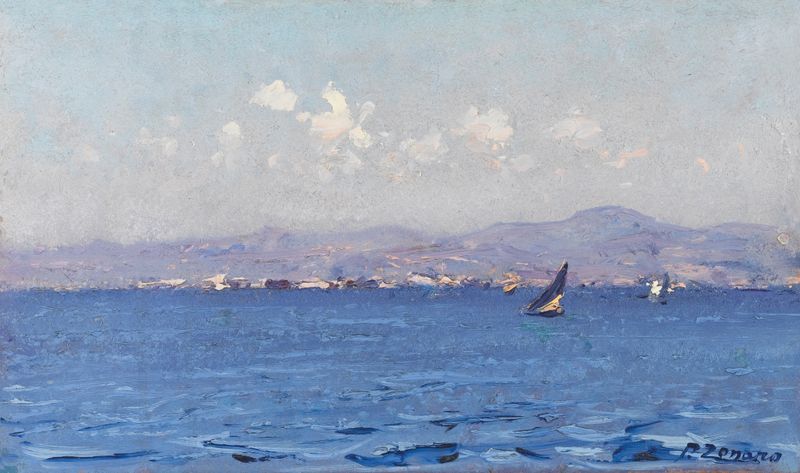
Sailing Boats In The Aegean
Fausto Zonaro
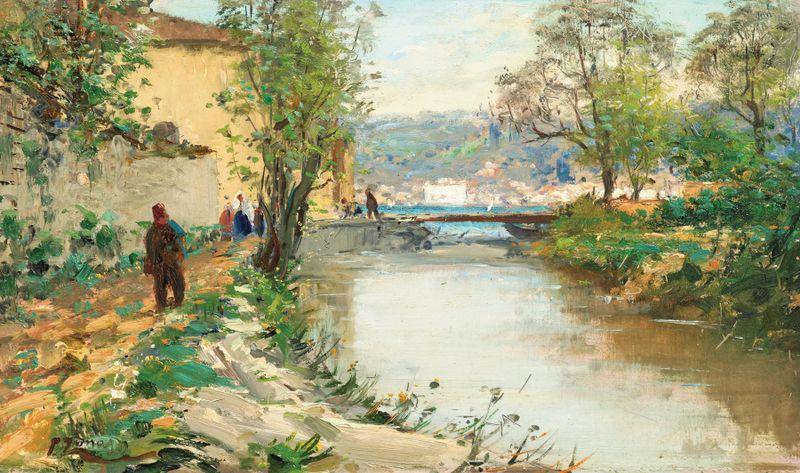
A View of Emirgan, Istanbul
Fausto Zonaro

The Aegean Coast
Fausto Zonaro
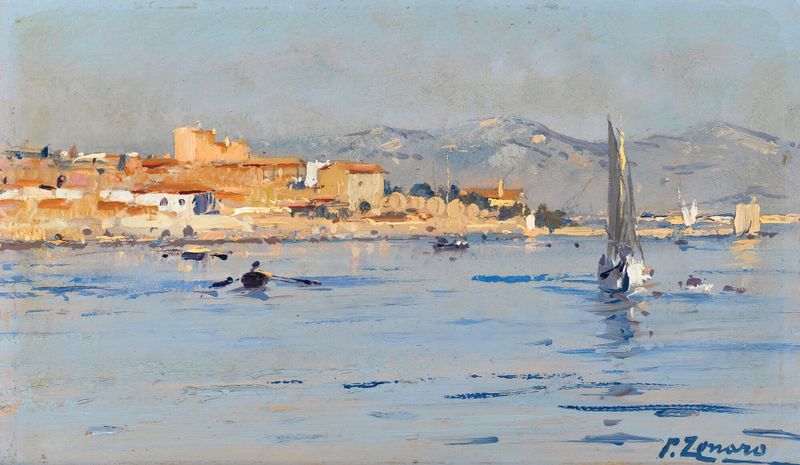
The Aegean Coast
Fausto Zonaro





