
An Alpine Landscape — History & Facts
Can paint confess what words never could? In An Alpine Landscape, the brush reveals the haunting beauty of nature's impermanence, a silent dialogue between life and decay. Look closely at the foreground, where gnarled trees twist against the alpine backdrop, their bark a tapestry of rich browns and grays. Notice how the light spills across the canvas, illuminating the jagged peaks while casting long shadows that hint at the passing time. The composition pulls you into a serene yet unsettling world, where vibrant greens clash with the muted tones of decay, suggesting that even the most idyllic scenes are tinged with the weight of mortality. Beneath its serene surface lies a profound tension.
The lush valleys cradle a sense of peace, yet the skeletal trees stand as stark reminders of nature's relentless cycle. The interplay of light and shadow serves as a metaphor for hope and despair, revealing that beauty is often inextricably linked to the transitory nature of existence. Each brushstroke holds the weight of what once thrived, now yielding to the inevitable embrace of time. Hugo Hodiener painted this piece during an undefined period of his career, likely influenced by the burgeoning Romantic movement that celebrated the sublime in nature.
Emerging from a time when artists sought to explore emotional depth and the subconscious, he found himself drawn to the Alps, a region that resonated with both grandeur and melancholy. In this work, he captures not only the landscape but also the fleeting essence of life itself amid the dramatic contrasts of nature.
More Artworks by Hugo Hodiener
Browse all →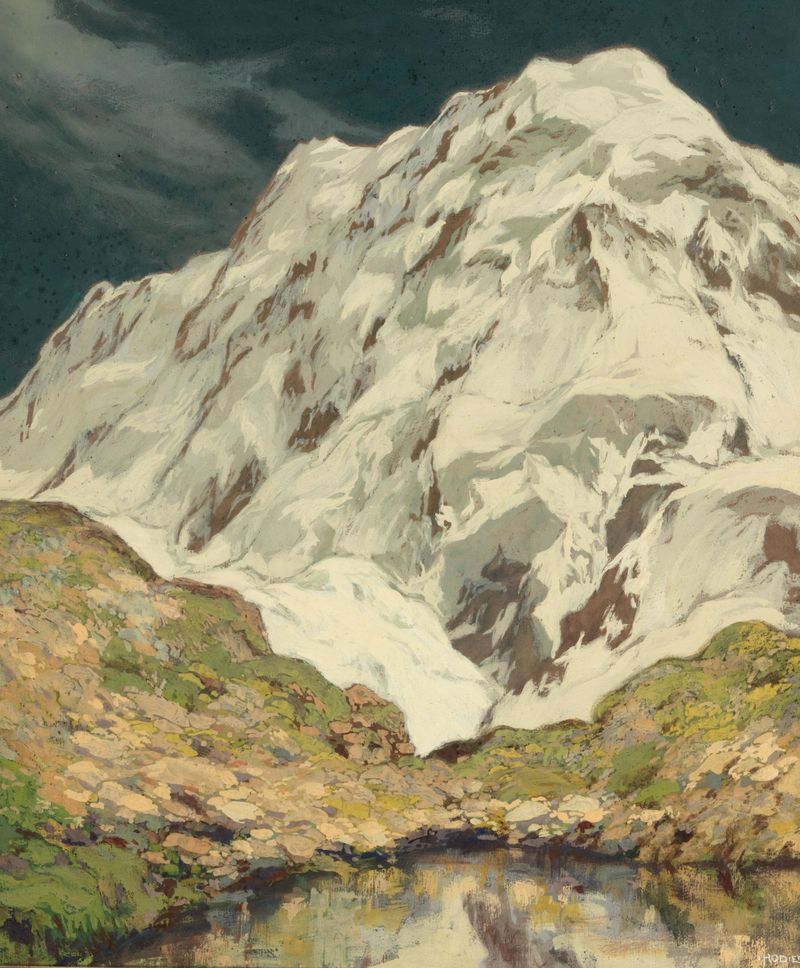
A View of the Grossglockner Region
Hugo Hodiener
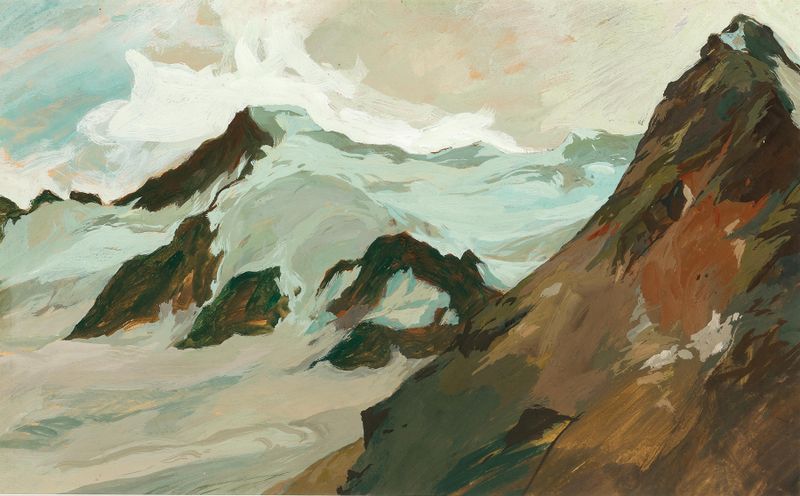
Snow-covered summit in the high mountains
Hugo Hodiener

Spring is trying to come
Hugo Hodiener
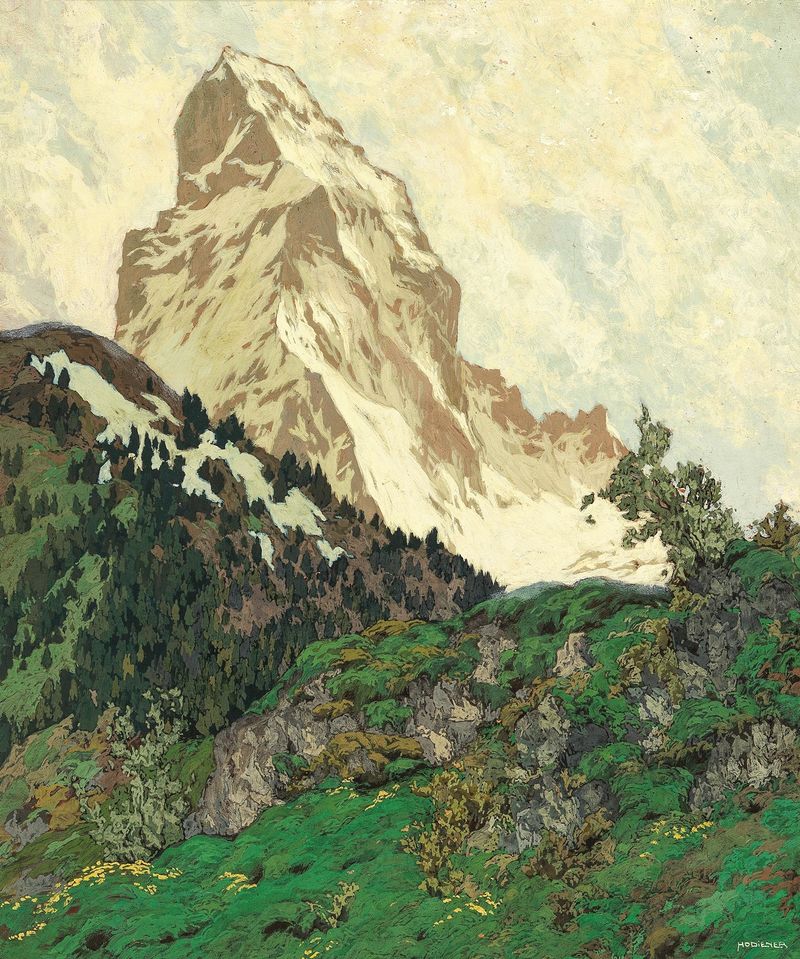
The Matterhorn
Hugo Hodiener
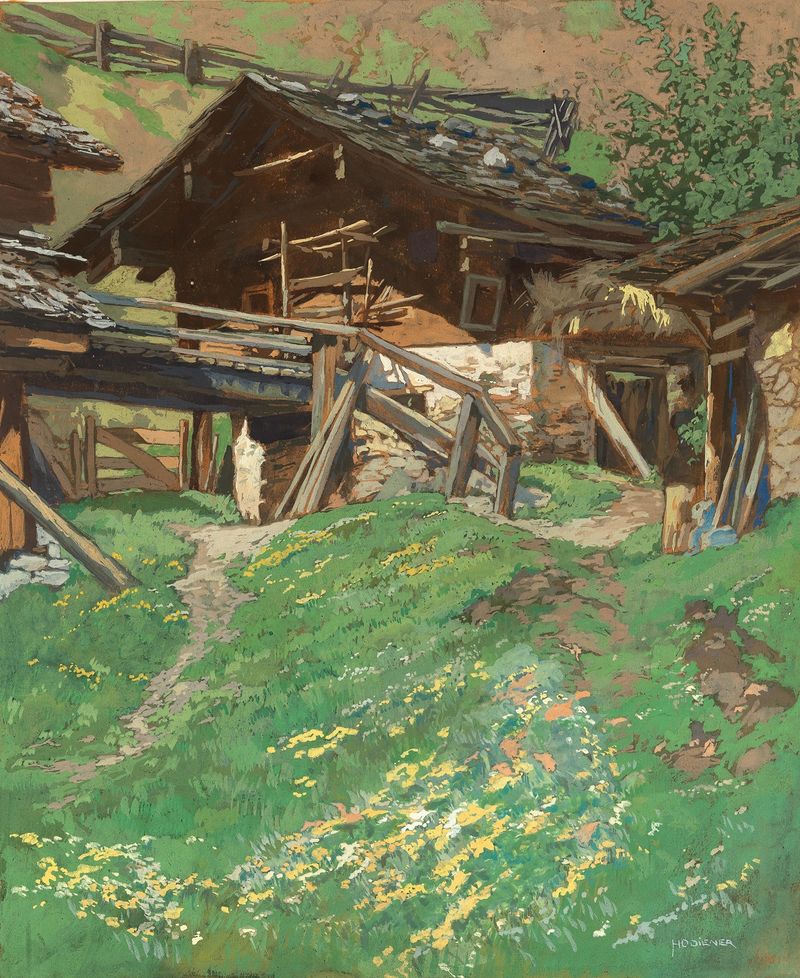
An Alpine lodge
Hugo Hodiener
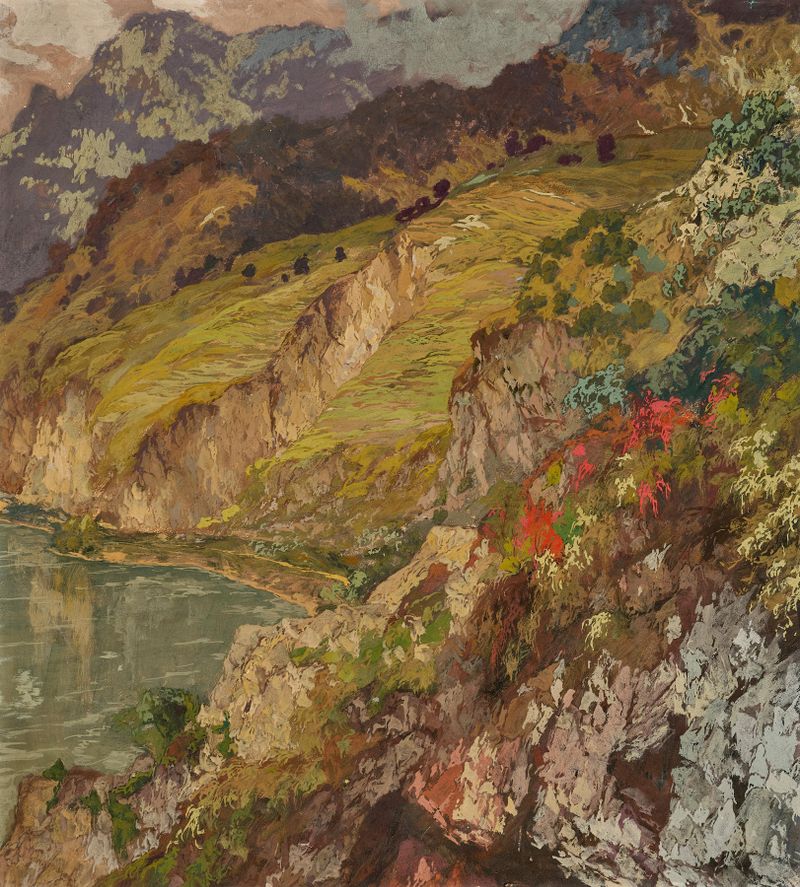
Alpine lake and Alpine rose
Hugo Hodiener

Die Hohe Tatra
Hugo Hodiener
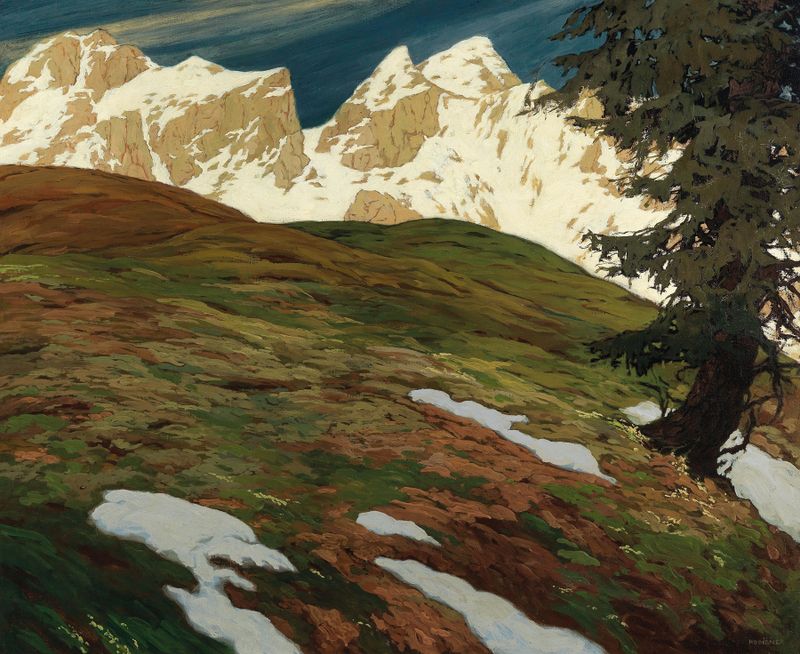
Springtime in the mountains
Hugo Hodiener

Frühlingswerden (the coming of spring)
Hugo Hodiener





